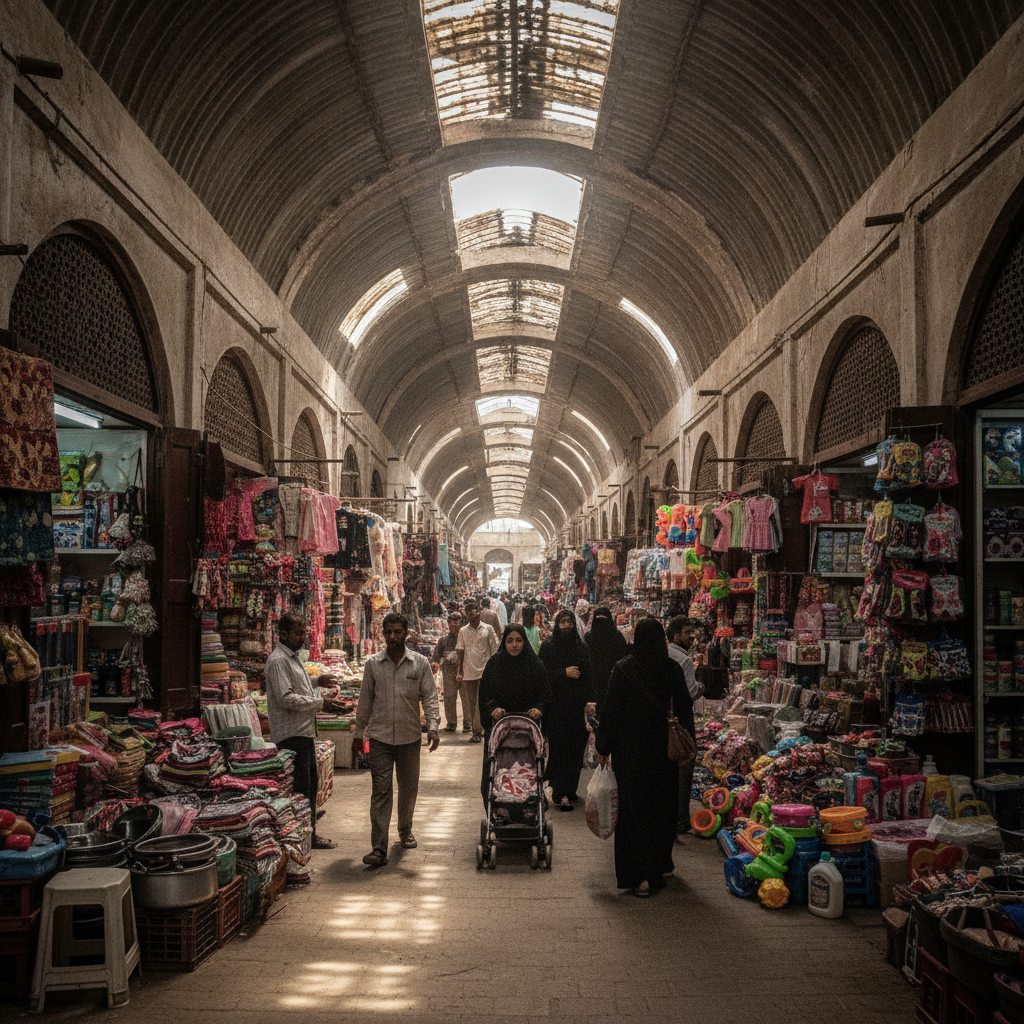

Deira: Heritage Markets, Naif Square & the Multicultural Old Quarter
Deira, the district on the eastern bank of the Dubai Creek, was the commercial heart of Dubai from the late 19th century until the oil boom of the 1970s shifted development southward to Jumeirah, Sheikh Zayed Road, and eventually Downtown. Today Deira is still the most densely commercial and multicultural area in the emirate: the Gold Souk and Spice Souk (both in the district's southern waterfront section, covered in the Al Fahidi route), the Naif Souk (the oldest market in Dubai, 1958), the Deira City Centre, the wholesale electronics markets of Al Ras, and the Gold Land Building where Sri Lankan, Indian, and Pakistani merchants have traded electrical goods since the 1980s. The residential streets of Deira — Al Muteena, Al Rigga, Naif — are home to the most diverse urban population in the UAE: Emiratis (a small minority), Iranians, Indians, Pakistanis, Bangladeshis, Egyptians, Yemenis, Somalis, Filipinos, and Sri Lankans living within blocks of each other in a density and multicultural mix that has no equivalent in the Gulf.
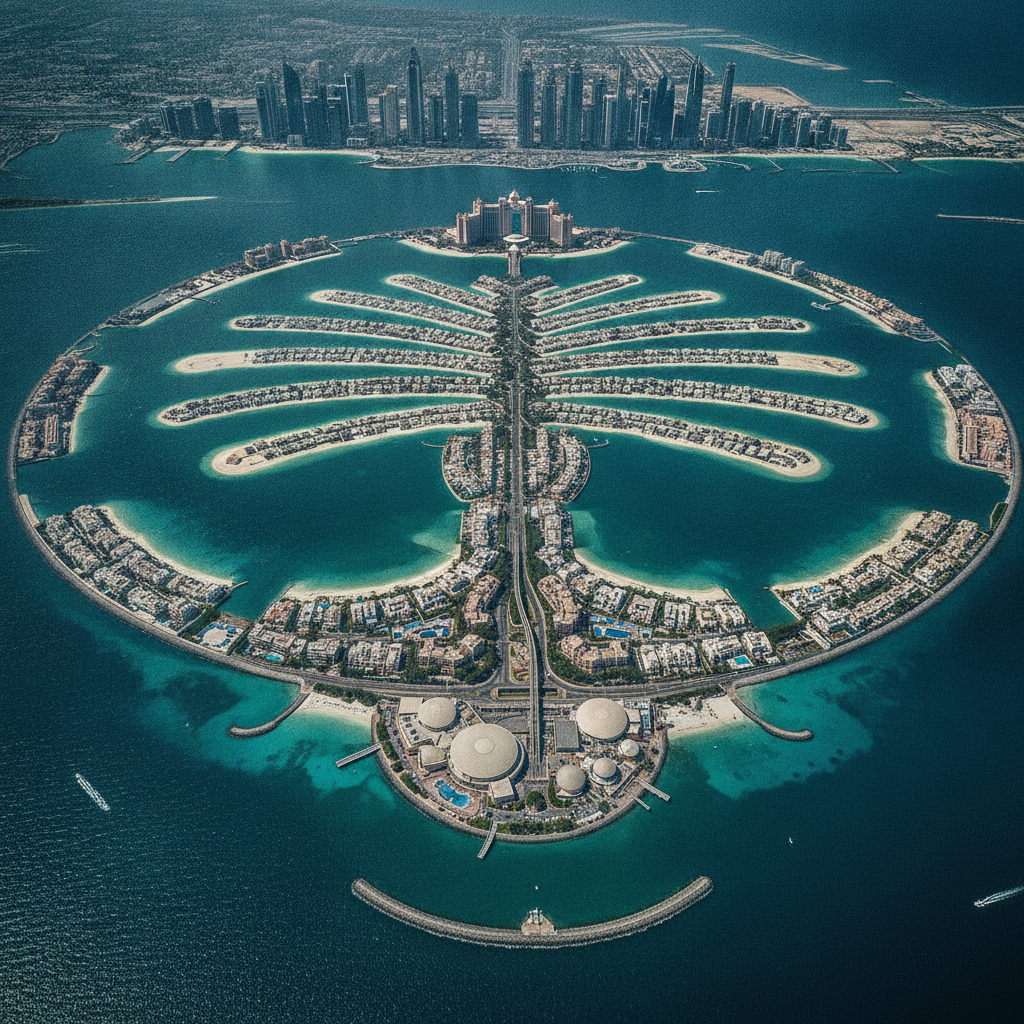
Palm Jumeirah: The World's Largest Artificial Island
The Palm Jumeirah, a palm-tree-shaped artificial island extending 5 kilometers into the Arabian Gulf off the coast of Dubai's Jumeirah district, was the world's largest land reclamation project when it was built by Nakheel Properties between 2001 and 2006 using 94 million cubic meters of sand dredged from the Gulf floor and 5.5 million tons of rock. The island added 78 kilometers of artificial coastline to Dubai's 67-kilometer natural shoreline — more than doubling the emirate's beach frontage — and created space for the Atlantis The Palm resort (1,500 rooms, the largest hotel in the Middle East when it opened in 2008), the Palm Monorail (the first monorail in the Arabian Peninsula), and approximately 4,000 residential villas and apartments across the 17 fronds of the palm shape.
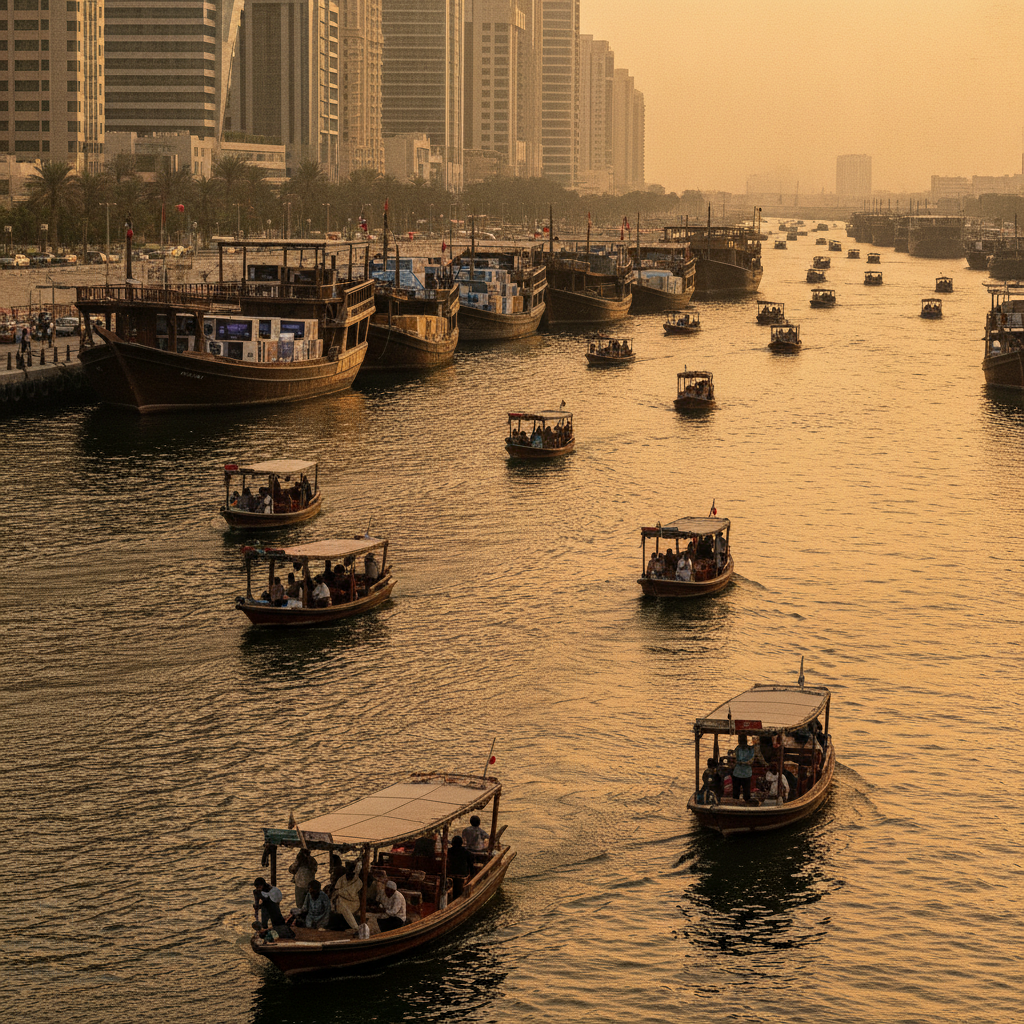
Al Fahidi, Dubai Creek & the Gold Souk: Dubai Before Oil
The Dubai Creek — a natural inlet of the Persian Gulf that divides Dubai into its two historic halves, Bur Dubai (the western bank) and Deira (the eastern bank) — was the reason Dubai existed at all: a natural harbor that attracted pearl divers, fishermen, and traders from the Persian coast, the Musandam Peninsula, and Balochistan in the 18th century. The area around the Creek, and particularly the Al Fahidi Historical Neighbourhood on the Bur Dubai bank, is the only part of Dubai that preserves the architectural character of the city before the oil boom — a dense collection of coral-stone and gypsum buildings with wind towers (barjeel), courtyard houses, and merchant storage rooms that date from the late 19th and early 20th centuries. On the Deira side: the Gold Souk (the world's largest single gold retail market), the Spice Souk (cardamom, saffron, frankincense), and the dhow wharfage where traditional wooden cargo ships continue to operate the same re-export trade routes that made Dubai prosperous long before petroleum.