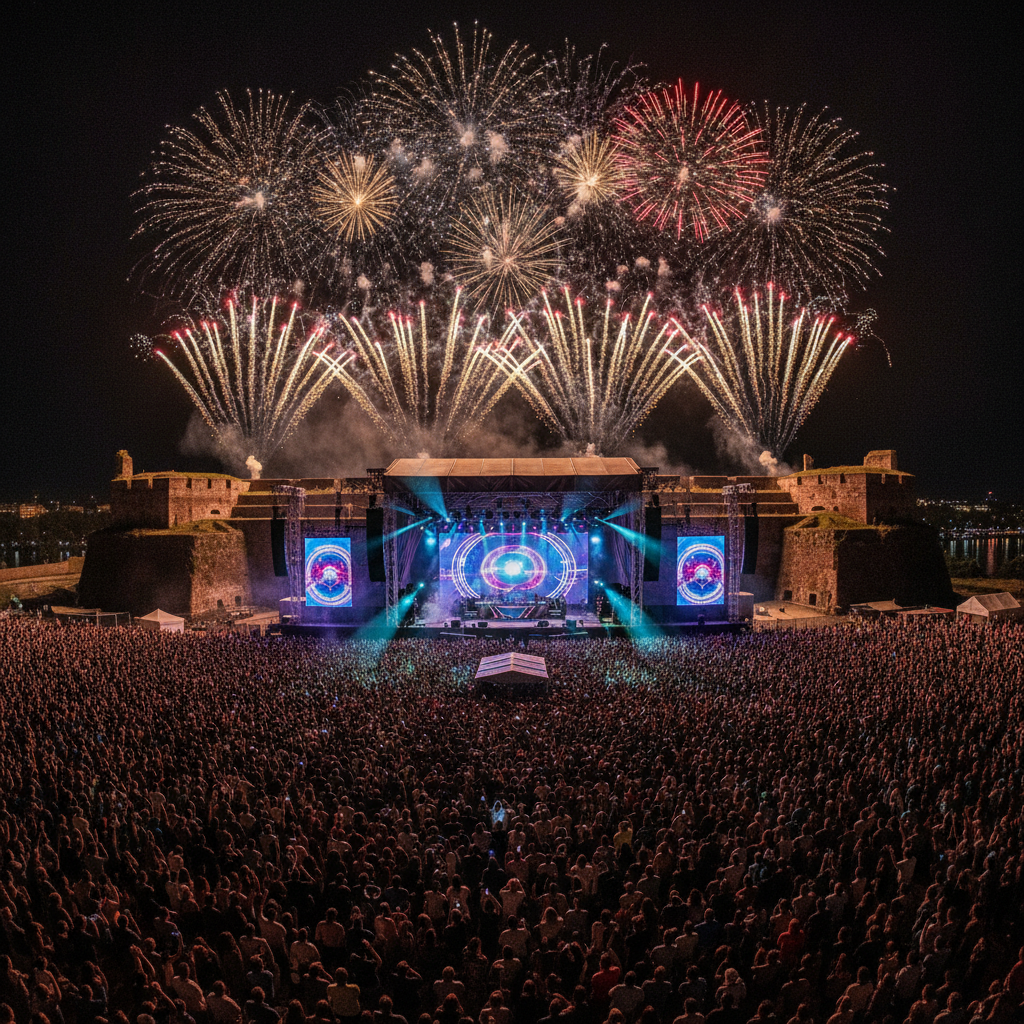
Belgrade Nightlife, EXIT Festival & Yugoslav Legacy
Experience Belgrade's legendary party scene—river boat clubs that close at dawn, the revitalised Savamala creative district, EXIT Festival on Petrovaradin Fortress, a day trip to multicultural Novi Sad, and a visit to Tito's House of Flowers mausoleum where Yugoslavia's complex legacy is preserved in a former rose garden.

Belgrade Identity: Yugoslavia, Tesla, Turbo-Folk & the New Serbia
Understand the city that has been destroyed and rebuilt 44 times—8,000 years of settlement from Neolithic to NATO bombs, Yugoslavia's rise and violent dissolution, Nikola Tesla's electrical genius celebrated on the banknotes, and the cultural contradictions of a country that gave the world turbo-folk and is now applying to join the EU.
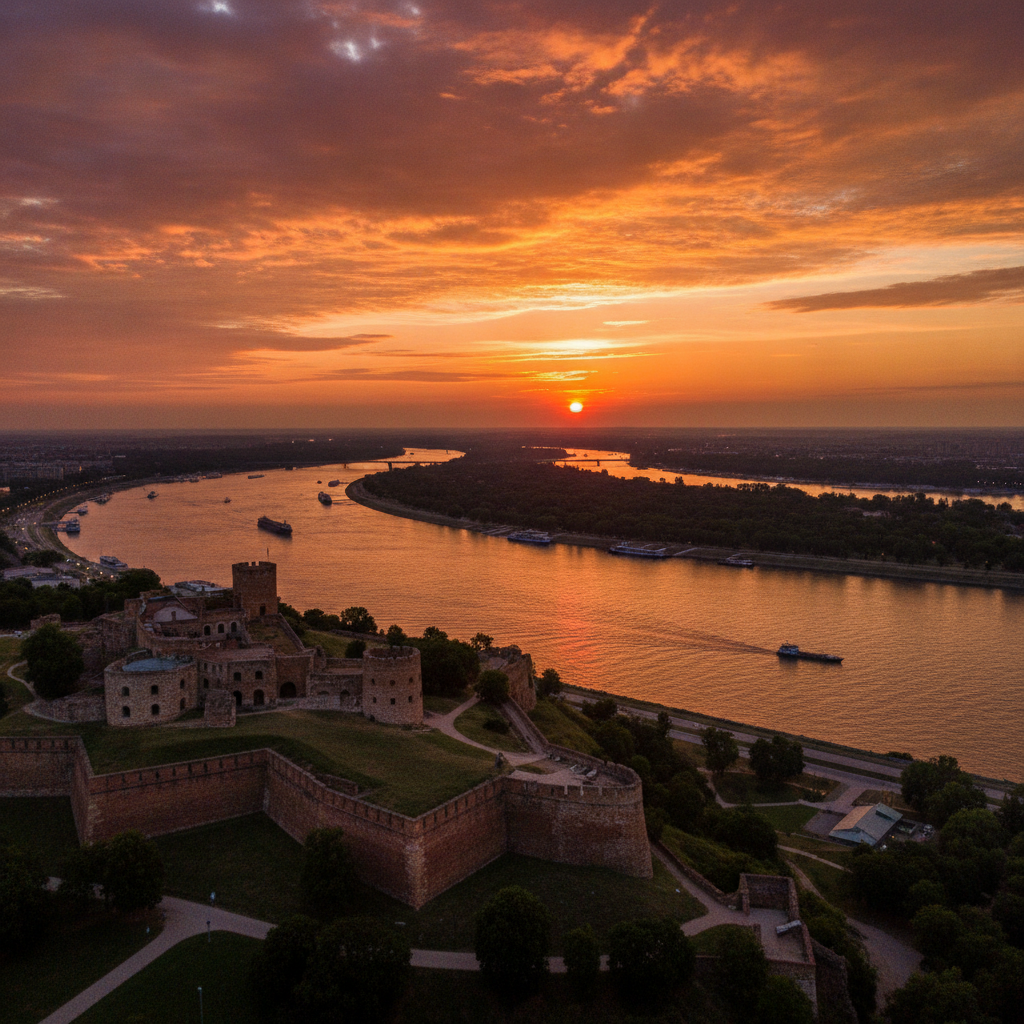
Belgrade Essentials: Kalemegdan, Skadarlija & the River Beaches
Experience the raw energy of Europe's most underrated capital—the Kalemegdan citadel above the Sava-Danube confluence, the animated Knez Mihailova pedestrian promenade, the bohemian kafanas of Skadarlija, the enormous Church of Saint Sava, and the extraordinary urban beach at Ada Ciganlija where 100,000 locals swim in summer.

Belgrade Practical Guide: Budget, Transport & Balkan Hub
Navigate Belgrade efficiently—cheap Wizz Air flights, the A1 bus from the airport, €0.80 public transport, one of Europe's best-value nightlife scenes at €3 a drink, the bohemian Dorćol neighbourhood for café culture, and why Belgrade's central position makes it the ideal launch pad for a wider Balkans itinerary.

Belgrade on a Plate: Roštilj, Kafanas & Serbian Rakija
Eat and drink your way through Serbia's most passionate food culture—ćevapi and pljeskavica from a roštilj grill piled with kajmak and ajvar, a long evening in a Skadarlija kafana with live brass band and house rakija, shopping Kalenić market for autumn peppers, and discovering the revival of indigenous Serbian wines.
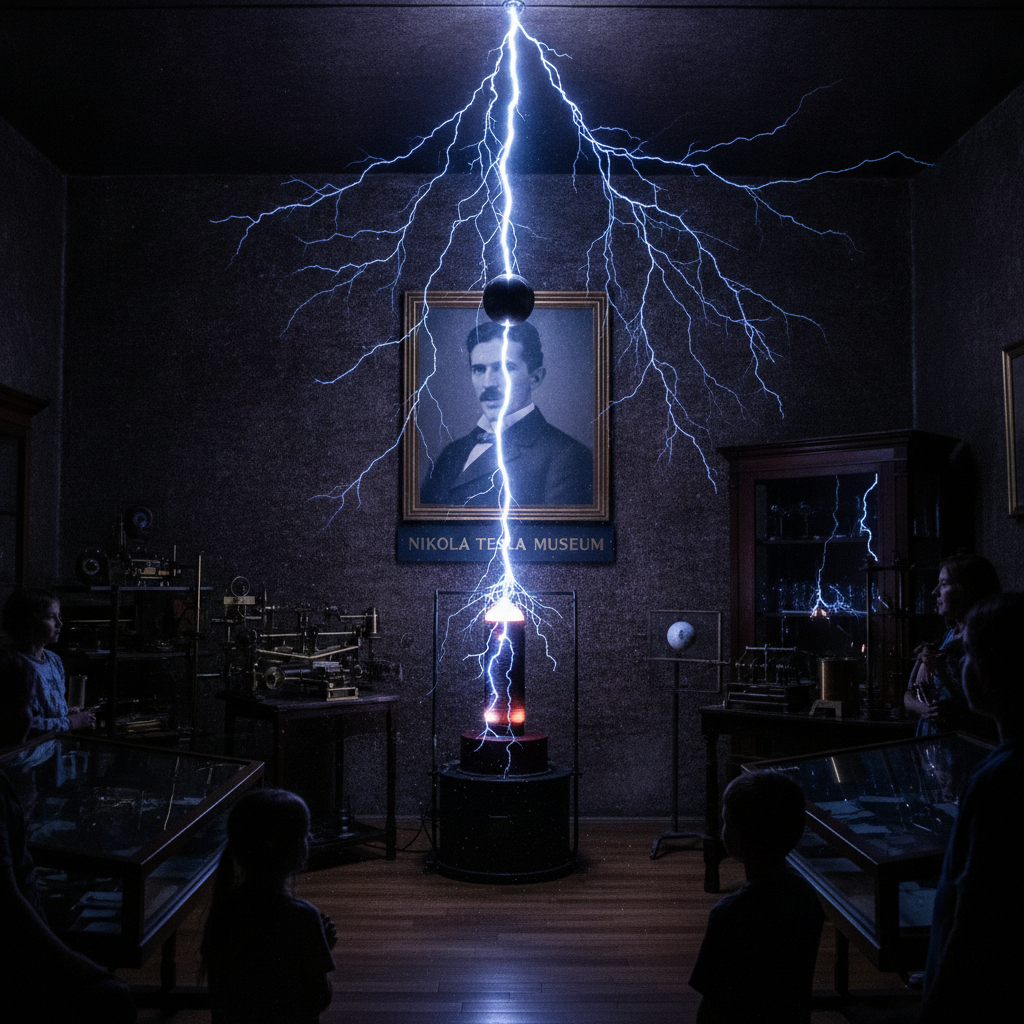
Belgrade Museums: Tesla, Tito, Yugoslav Modernism & Zemun
Explore Belgrade's rich museum landscape—the world's greatest Tesla collection, Tito's extraordinary personal museum with his Blue Train, Yugoslav modernist art in a landmark 1965 building, and the charming Austro-Hungarian riverside town of Zemun with its Danube fish restaurants.