Belgrade on a Plate: Roštilj, Kafanas & Serbian Rakija
Eat and drink your way through Serbia's most passionate food culture—ćevapi and pljeskavica from a roštilj grill piled with kajmak and ajvar, a long evening in a Skadarlija kafana with live brass band and house rakija, shopping Kalenić market for autumn peppers, and discovering the revival of indigenous Serbian wines.
- 1
Roštilj & Serbian Grill Culture
Serbia is Europe's most passionate grilling culture. Ćevapi (small spiced minced-meat sausages), pljeskavica (a large spiced burger), and mešano meso (mixed grill) are the holy trinity of Serbian roštilj—served with kajmak (a rich clotted cream), ajvar (roasted red pepper relish), and fresh bread. The Leskovac region (200 km south) is the acknowledged capital of Serbian grilling; Leskovački roštilj restaurants operate across Belgrade.
- 2
Kajmak, Ajvar & Serbian Condiments
Serbian cuisine's supporting cast is as important as the main dishes. Kajmak—a rich clotted cream cheese made from unpasteurised cow or sheep milk—accompanies virtually everything. Ajvar—roasted red pepper relish, made in vast quantities every autumn across Serbia—ranges from mild to fiery. Urnebes (a cheese and pepper spread) and the pickled vegetable mix turshija complete the Serbian table.
- 3
Kafana Culture – Belgrade's Soul Taverns
The kafana—a Serbian tavern combining food, drink, conversation, and live music—is Belgrade's most distinctive institution. Traditional kafanas like Dva Jelena (Two Deer) in Skadarlija have operated for 150+ years. A good kafana serves domaća rakija (house-made plum brandy), roštilj platters, and sarma while a live tamburica (string ensemble) or brass band plays. The kafana is Belgrade's equivalent of Vienna's coffeehouse or Paris's bistro.
- 4
Green Farmers' Market at Kalenić Pijaca
Kalenić market—a 10-minute walk south of Skadarlija—is Belgrade's finest fresh produce market, operating daily in a pleasant open-air square surrounded by residential buildings. Farmers bring seasonal vegetables, homemade cheeses, wild herbs, eggs, honey, and preserves. In autumn the market is spectacular with peppers for ajvar-making, winter squash, walnut sacks, and the first new season plum rakija from village producers.
- 5
Serbian Wines – Prokupac & Tamjanika
Serbia has a wine tradition stretching back to Roman times, largely suppressed during Ottoman rule and communist collectivisation but reviving strongly since the 2000s. Indigenous varieties Prokupac (dark, earthy red), Tamjanika (aromatic white similar to Muscat), and Smederevka (light white) are re-emerging from small-batch producers in the Župa, Vranje, and Sremski Karlovci appellations. Wine bars in Savamala stock the best Serbian natural wine selection.
- 6
Šljivovica & Serbian Rakija Tradition
Serbia is the world's largest producer of plum brandy—šljivovica (plum rakija) is both the national drink and a cultural institution, produced by millions of households from their own plum orchards each autumn. A bottle of home-made šljivovica (domaća) is the standard gift between Serbs; the spirit ranges from 40% to 65% ABV and is drunk neat, often warm in winter. Serbia's rakija festival in Paraćin and Šabac celebrates the tradition annually.
Walk this route with audio
Stories play automatically as you reach each stop — no tapping needed.
More in Belgrade
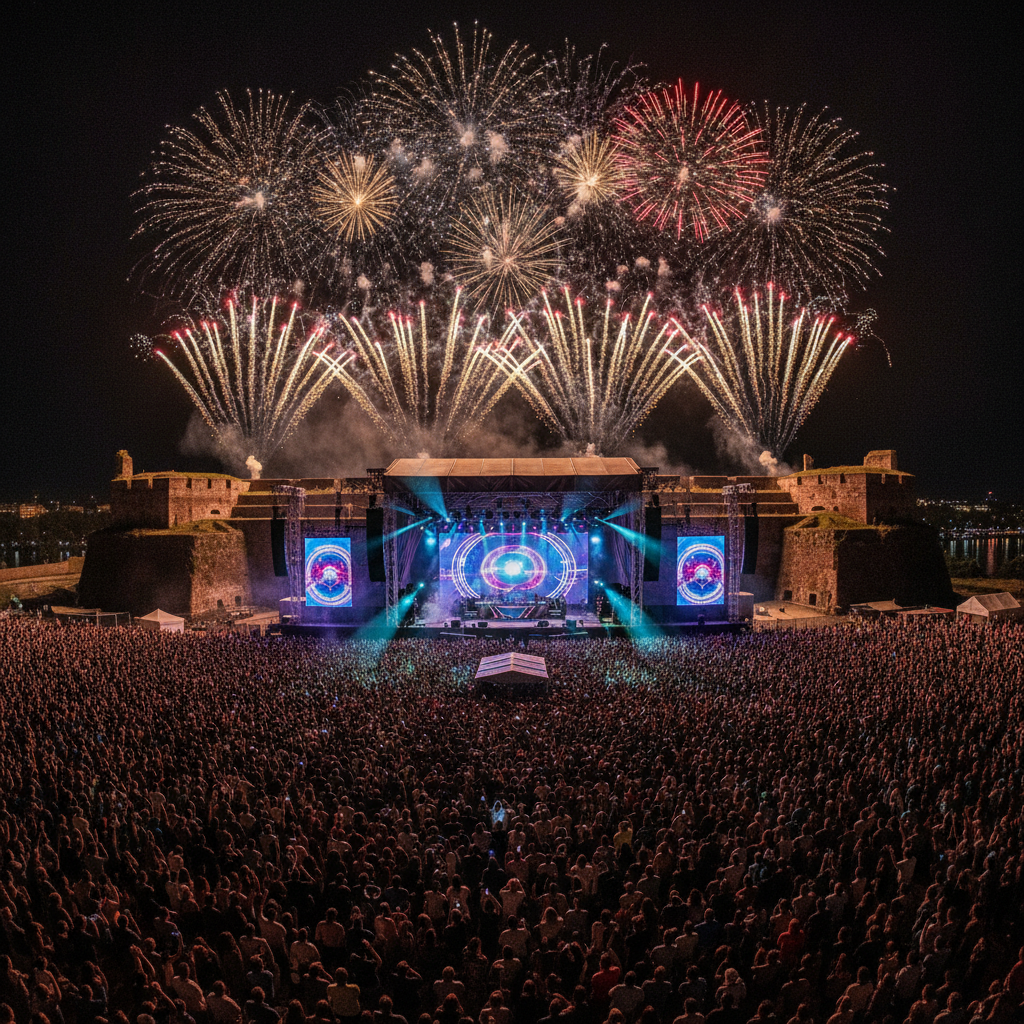
Belgrade Nightlife, EXIT Festival & Yugoslav Legacy

Belgrade Identity: Yugoslavia, Tesla, Turbo-Folk & the New Serbia

Belgrade Essentials: Kalemegdan, Skadarlija & the River Beaches

Belgrade Practical Guide: Budget, Transport & Balkan Hub