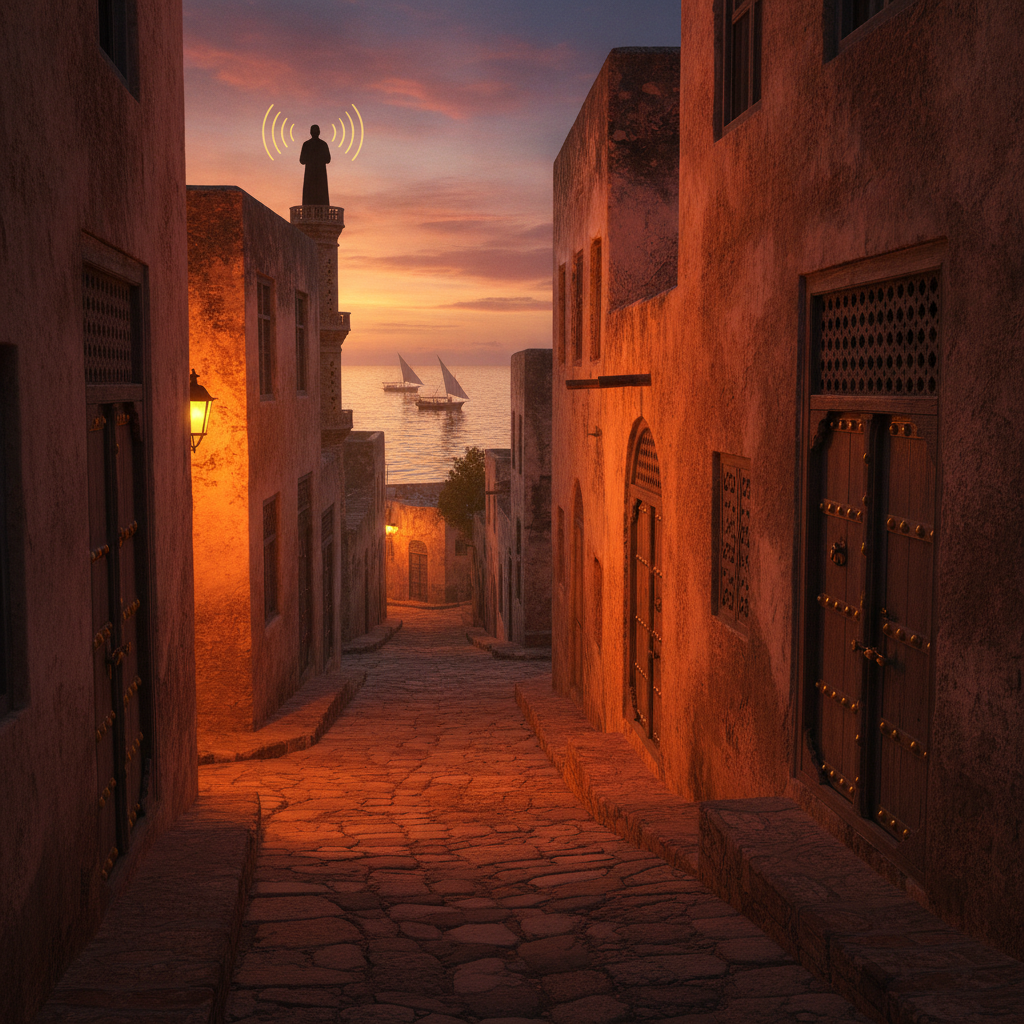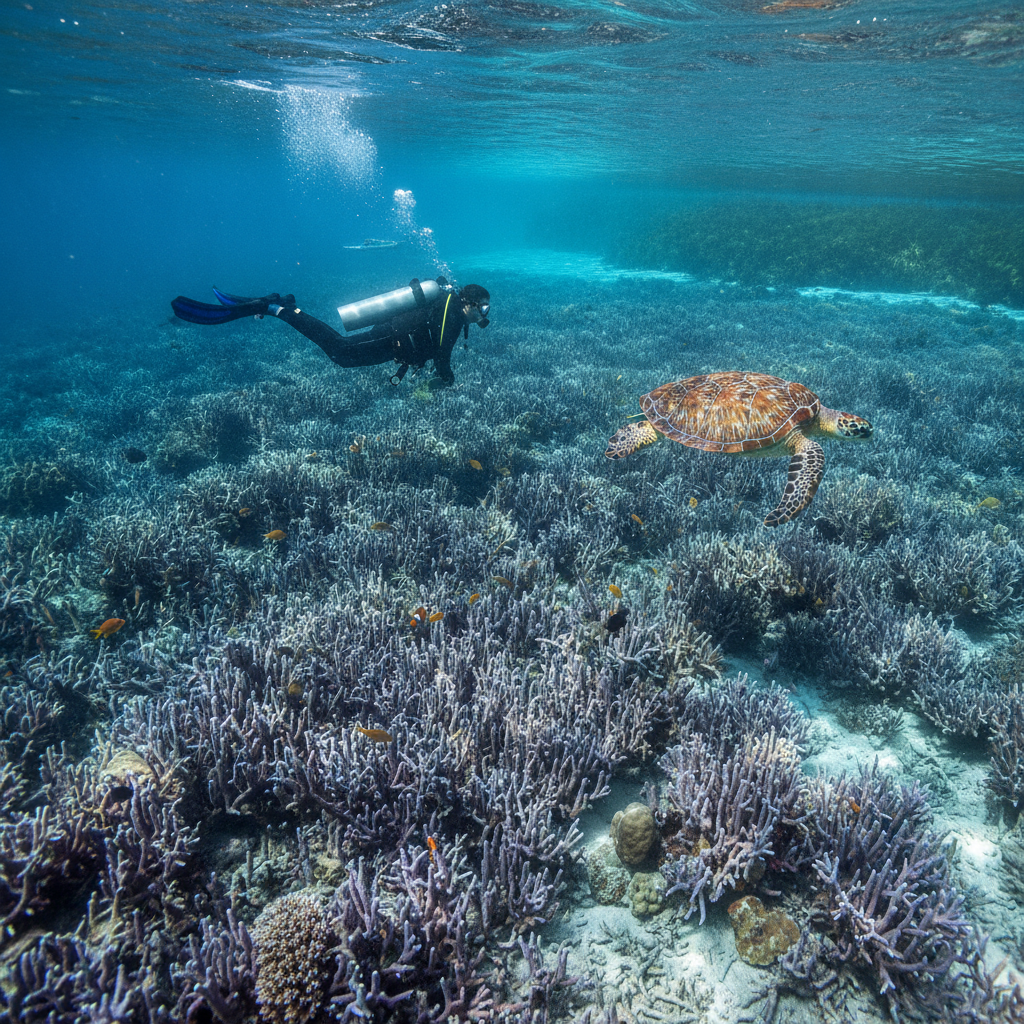
Zanzibar Finale: Mauritius Comparison, Indian Ocean Trade, Ancient History, Music, Island Life, and Complete Overview
Zanzibar in full: Zanzibar versus Mauritius versus Seychelles comparison; the Indian Ocean trade routes and Zheng He; the Shirazi legend and the ancient history; taarab and beni music; the fishing and seaweed farming communities; and the complete six-route Zanzibar overview connecting all threads of this extraordinary island.
- 1
Zanzibar vs Mauritius vs Seychelles - The Indian Ocean Island Triangle
Zanzibar versus Mauritius versus Seychelles: a three-way comparison of the defining Indian Ocean island experiences, their histories, costs, beaches, wildlife, and what makes each unique. Mauritius (the Republic of Mauritius: an island state approximately 900 km east of Madagascar in the southern Indian Ocean: area 2,040 square km: population approximately 1.3 million: Mauritius was uninhabited when the Portuguese first arrived in 1505 (no indigenous population): Dutch settlement (1638-1710: the Dutch introduced sugar cane and the dodo (the Raphus cucullatus: the dodo was endemic to Mauritius: the large flightless bird was hunted to extinction by Dutch sailors and the rats, pigs, and dogs they introduced within a few decades of European arrival: the last confirmed dodo sighting was in 1662): French colonial period (1715-1810: the French renamed the island Isle de France: the primary development of the sugar plantation economy using enslaved African labor): British colonial period (1810-1968: the British captured Mauritius during the Napoleonic Wars: after the abolition of slavery (1835) the sugar industry was sustained by approximately 450,000 indentured Indian laborers (brought from India between 1834 and 1910): the Indo-Mauritian community is now approximately 68% of the Mauritius population): independence (March 12, 1968: the first Prime Minister Sir Seewoosagur Ramgoolam)). The Mauritius experience (the beaches (the Mauritius lagoon (the coral reef surrounding the island creates a calm turquoise lagoon): the primary beaches (Belle Mare (east coast), Trou aux Biches (north coast), Le Morne (southwest: UNESCO World Heritage Site for its role in slave resistance history)): the food (Mauritius is one of the finest food destinations in the Indian Ocean: the mix of French, Indian, Chinese, and Creole culinary traditions produces a unique cuisine): the cost (Mauritius is more expensive than Zanzibar but less expensive than the Seychelles): the resort model (Mauritius has a well-developed luxury resort industry primarily on the north and east coasts): the Pamplemousses Botanical Garden (founded 1770: one of the oldest botanical gardens in the southern hemisphere: the giant Victoria amazonica water lily pads)). The comparison verdict (Zanzibar: best for history, culture, and value: Mauritius: best for food, beaches, and accessibility from Europe: Seychelles: best for granite scenery and natural uniqueness: the Maldives: best for pure marine luxury).
- 2
Indian Ocean Trade Routes - How Zanzibar Sat at the Center of the World
The Indian Ocean trade network and how Zanzibar occupied a central position in the most extensive pre-modern trading system in the world, connecting Africa, Arabia, Persia, India, Southeast Asia, and China. The system (the Indian Ocean world: the interconnected trading zone of the Indian Ocean and its adjacent seas (the Red Sea, the Persian Gulf, the Arabian Sea, the Bay of Bengal): the most extensive pre-modern trading network in the world: the trade was organized around the predictable monsoon wind system: the northeast monsoon (December-March) carrying ships from Arabia and India to East Africa: the southwest monsoon (April-September) returning them: the goods (from East Africa: gold (from Great Zimbabwe and the interior mines), ivory, enslaved people, ambergris (from sperm whales), tortoiseshell, mangrove poles: from Arabia and the Persian Gulf: dates, horses, glass beads, glazed ceramics, weapons: from India: cotton textiles (the most important trade good by volume: the Indian cotton textile trade was the largest manufacturing industry in the pre-industrial world), rice, spices, iron tools, copper: from China: porcelain (Chinese porcelain has been found at virtually every Swahili coast archaeological site from the 9th century onward: the celadon and blue-and-white porcelain of the Song, Yuan, and Ming dynasties (the Song Dynasty (960-1279 CE): the period of the most intensive Chinese Indian Ocean trade: Chinese merchant ships (the junks) sailed directly to the Persian Gulf and the East African coast): from Southeast Asia: camphor, aromatic woods, tin). The Zanzibar position (Zanzibar sat at the western edge of the Indian Ocean system: the island was the primary point of exchange between the East African interior trade goods (ivory, gold, enslaved people) and the Indian Ocean maritime goods: the dhow harbor of Stone Town was the most important entrepot on the western Indian Ocean coast in the 19th century (more trade passed through Zanzibar than through any other East African port): the clove trade (Zanzibar production of cloves made the island the primary source of one of the most valuable spices in the world (75-80% of world clove production in the 1850s-1870s): this concentrated enormous wealth in Stone Town)). The Chinese connection (the Chinese admiral Zheng He (1371-1433): the Muslim Chinese eunuch admiral of the Ming Dynasty who commanded seven enormous treasure fleet voyages into the Indian Ocean between 1405 and 1433: Zheng He visited the East African coast on his fourth, fifth, sixth, and seventh voyages (1413-1433): he reached Malindi and possibly Zanzibar: the treasure ships were enormous (the largest were approximately 120 meters long (larger than anything in Europe at the time)): the voyages were ended by the Ming government after Zheng He death: the Chinese withdrawal left the Indian Ocean to the Arabs, Indians, and eventually the Portuguese).
- 3
The Ancient Zanzibar - Oman, Persia, and the Shirazi Legend
The deep history of Zanzibar before the Omani Sultanate: the Shirazi legend, the Persian settlement tradition, and the archaeological evidence for Zanzibar ancient connections. The Shirazi tradition (the Shirazi (the Swahili coast tradition of Persian origin): the oral historical tradition of many Swahili coast communities (including the people of Zanzibar, Pemba, and the Comoros) that their ancestors came from Shiraz in Persia: the Shirazi legend (the founding tradition): a Persian prince from Shiraz named Ali ibn al-Hasan is said to have sailed to East Africa and established the first Muslim settlement on the coast: the archaeological evidence (the archaeology of Zanzibar and the Swahili coast does not support a direct Persian migration: the founding populations of the Swahili coast were primarily Bantu-speaking African agriculturalists and fishermen: the Shirazi tradition appears to reflect the cultural prestige of Persian and Arab identity in the context of the Indian Ocean trade network (claiming Shirazi or Arab ancestry gave status in the Islamic trading world)): the DNA evidence (recent genetic studies of Swahili coast populations show a significant component of Arabian Peninsula ancestry dating from approximately 1,000 years ago: the genetic evidence is consistent with significant intermarriage between Arab or Persian traders and the local Bantu population): the early mosques (the Kizimkazi mosque at the southern tip of Unguja: the mosque contains an inscription in Kufic Arabic script dated to 1107 CE (the 12th century): one of the oldest mosque buildings in sub-Saharan Africa: the mosque was built during the period of the early Islamic Swahili coast city-states that predated the Omani domination by several centuries)). The Portuguese period (the Portuguese arrival at Zanzibar (Vasco da Gama first contacted the East African coast at Mozambique Island, Mombasa, and Malindi in 1498): the Portuguese seized control of the Swahili coast trade network and imposed a tribute system: the Portuguese never colonized the East African coast in the same way as their colonies in West Africa and Brazil (they maintained a coastal trading presence rather than inland settlement): the Portuguese period (approximately 1498-1698) ended when the Omanis besieged and captured Fort Jesus in Mombasa: the Portuguese legacy in Zanzibar (Fort Jesus in Mombasa is the primary Portuguese architectural legacy on the East African coast: in Zanzibar itself the Portuguese period left little physical trace).
- 4
Zanzibar Music - Taarab, Beni, and the Sound of the Indian Ocean
The music of Zanzibar: the taarab tradition, the beni dance music, the taarab orchestras of Stone Town, and the unique sound that emerges from the fusion of African, Arab, Indian, and Portuguese musical traditions on the Swahili coast. Taarab (the primary traditional music of Zanzibar): the name (taarab: from the Arabic tarab meaning musical ecstasy or pleasure): the origins (taarab emerged in Zanzibar in the late 19th century during the reign of Sultan Barghash (the sultan who built the House of Wonders): Sultan Barghash invited an Egyptian musician from Cairo to teach the Egyptian musical tradition to Zanzibari musicians: the resulting synthesis of Egyptian Arabic maqam music with Indian film music (the Hindi film songs that were popular in Zanzibar through the Indian community) and Swahili poetry created the taarab style): the instrumentation (the taarab orchestra (the tarabu orchestra): the typical instrumentation (oud (the Arabic lute: the primary melodic instrument of taarab), violin, cello, double bass, qanun (the Arabic plucked zither), accordion, tabla (the Indian drum), mkole (a Swahili percussion instrument), dumbak (the Arabic goblet drum)): the vocalist (the taarab vocalist is typically female: the vocalist sings Swahili poetry (the poetry (the taarab lyrics are complex Swahili poems dealing with themes of love, longing, jealousy, and social commentary (taarab lyrics are often deliberately ambiguous: the audience understands references that are not explicit in the text)): the famous taarab orchestras (Culture Musical Club (Zanzibar oldest and most prestigious taarab orchestra: founded 1958: the primary keeper of the classical taarab tradition): Ikhwani Safaa Musical Club (founded 1905: the oldest taarab club still active)). Beni (the beni dance music: the processional dance music of the Swahili coast that emerged in the early 20th century from the fusion of British military band music (introduced by the British colonial military bands) with African percussion and dance: the beni societies (the competitive dance societies that organized the beni performances): a fascinating example of the creative African transformation of the colonial cultural imposition).
- 5
Zanzibar Island Life - The Fishing Communities, Seaweed Farmers, and Everyday Zanzibar
The everyday life of Zanzibar beyond the resorts: the fishing communities of the west coast, the women seaweed farmers of the east coast, the dhow builders of Nungwi, and the ordinary social life of Zanzibari communities. The fishing communities (the traditional fishing villages of the Zanzibar west coast: the fishermen of Bububu, Mkokotoni, Nungwi, and the smaller villages along the northwest coast: the traditional fishing methods (the ngalawa (the outrigger canoe: the primary small-scale fishing vessel): the hand-line fishing (the traditional hook-and-line method used by the small-scale fishermen from the ngalawa): the seine net (the large drag net used by larger fishing operations): the fish trap (the traditional fish trap made from woven palm and bamboo set on the reef)): the fish species (the primary target species of the Zanzibar small-scale fishermen (octopus (the primary cash income earner for many small-scale Zanzibar fishermen: dried and exported to Japan and other Asian markets): grouper (serranidae: the primary reef fish of the Zanzibar coast): red snapper (lutjanidae): parrotfish (scaridae)). The seaweed farmers (the east coast seaweed farming industry: established in Zanzibar in the 1980s by the Zanzibar government with support from international development organizations: the primary seaweed species cultivated (Kappaphycus alvarezii (also known as Eucheuma cottonii): a red alga used in the production of carrageenan (the food additive and industrial thickener used in ice cream, dairy products, cosmetics, and pharmaceutical products)): the primary farming areas (Paje, Jambiani, Bwejuu, Uroa (all on the east coast of Unguja)): the workforce (approximately 25,000 Zanzibar women are engaged in seaweed farming: seaweed farming has provided a significant income for women in communities where women traditionally had limited income-generating opportunities): the farming method (the seaweed is cultivated on lines pegged to the sea floor at low tide in the inter-tidal zone: the lines are harvested every 6-8 weeks: the harvested seaweed is dried on the beach before sale)). The dhow builders (the dhow building at Nungwi: the last community of traditional dhow builders on Unguja: the craftsmen build wooden dhows using techniques passed down through generations without written plans or power tools: the primary wood (mkongo timber (Afrormosia) imported from mainland Tanzania and from further afield): the process (a typical small dhow (10-15 meters) takes approximately 3-6 months to build with a team of 4-6 craftsmen): the dhows built at Nungwi are used primarily for inter-island cargo trading and fishing).
- 6
Zanzibar Six-Route Summary - The Complete Island Overview
Zanzibar comprehensive summary: connecting all the threads from Stone Town and the slave trade to the spice island beaches, from Freddie Mercury and taarab music to the Indian Ocean trade routes and marine conservation, into a complete picture of what makes Zanzibar one of the world most extraordinary destinations. The historical arc (the Zanzibar story moves in three great periods: the pre-Omani era (the Shirazi and early Swahili coast settlements: the indigenous Bantu communities transformed by Arab and Indian trade): the Omani Sultanate (1698-1964: the peak of the clove and slave trade economy: the carved doors and the palaces and the wealth of Stone Town: and the Indian Ocean interconnection at its most intense): the post-Revolution era (1964-present: Tanzania, tourism, conservation, the recovery of the Zanzibar red colobus, the marine protected areas, and the taarab music and the seaweed farming and the Forodhani market): each era is present and visible in the landscape and culture of the island today). The paradoxes (Zanzibar is built on paradoxes: the most beautiful island in the western Indian Ocean was also the site of the largest slave market in East Africa: the island birthplace of Freddie Mercury is also the cultural heartland of taarab music: the island that dominates world clove production is visited primarily for its beaches: the island that was once the wealthiest territory in East Africa is now one of the poorer regions of Tanzania: these paradoxes make Zanzibar inexhaustibly interesting). The visitor legacy (what Zanzibar gives the visitor who engages seriously with it: a visceral understanding of the Indian Ocean world that connected Africa, Arabia, Persia, India, and beyond for over 2,000 years: a confrontation with the slave trade that is impossible to avoid or ignore in Stone Town: a sensory education in the spice trade: and some of the finest beaches, diving, and seafood in the Indian Ocean: Zanzibar rewards depth of engagement more than almost any other island destination in the world).
Walk this route with audio
Stories play automatically as you reach each stop — no tapping needed.
More in zanzibar
Zanzibar Final: Spice Trade History, Julius Nyerere, Kilimanjaro, Serengeti vs Mara, Dhow Tradition, and Complete Legacy
Zanzibar Complete: Jozani Forest, Livingstone, Marine Conservation, Tanzanian Politics, and the Full Visitor Guide
Zanzibar Deep Dive: Freddie Mercury, Pemba Island, Swahili Language, Cuisine, Omani Heritage, and Island Comparisons
Zanzibar Extended: Madagascar Comparison, Diaspora Legacy, Slow Travel, Architecture, Islam, and Ultimate Practical Guide