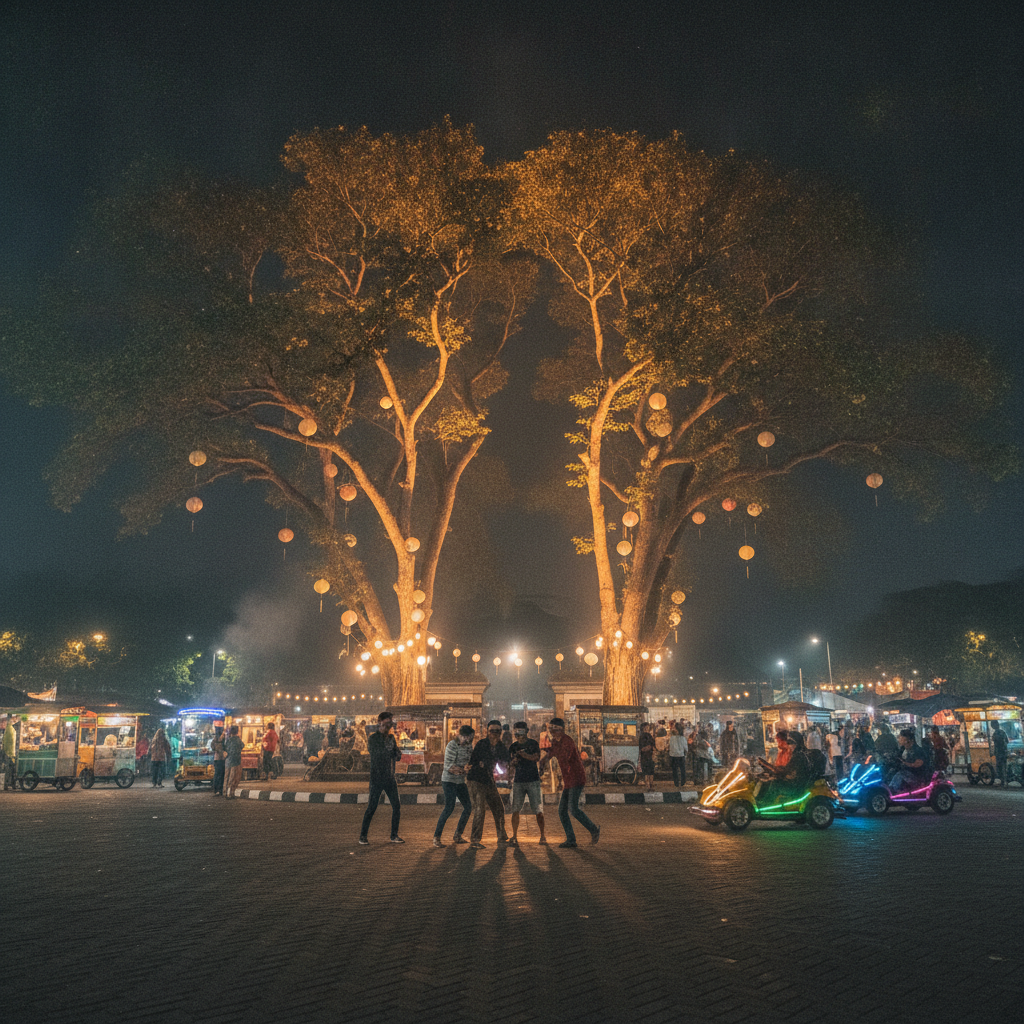
Yogyakarta's Foundations: Muhammadiyah's 50 Million Members Founded Here, Solo's Batik Laweyan & the Sultan's Meditation Practice
The wider Yogyakarta—Solo's Kraton Kasunanan (the rival royal city 65 km east, considered more conservatively Javanese, less tourist-polished) and the Pasar Klewer batik wholesale market, Muhammadiyah's 1912 Yogyakarta founding by KH Ahmad Dahlan now operating 172 universities and 400 hospitals (the world's largest Islamic social organisation), the Gayo and Bajawa arabica specialty scene in converted rice-barn cafés along Jl. Kaliurang where students justify all-day occupation with a single coffee purchase, the Prambanan restoration's 20-year anastylosis reassembly of 2006 earthquake-displaced stones in a compound of 240 temples most still in numbered piles, the Hamemayu Hayuning Bawana philosophy behind the Sultan-Governor's governance, and the patrilineal succession question a sultan with daughters must navigate.
- 1
Solo (Surakarta) – Yogyakarta's Rival Royal City
Solo (Surakarta)—65 km east of Yogyakarta, 1.5 hours by train (the Prameks commuter service, departing Yogyakarta every 1–2 hours)—is the other Javanese royal city created when the Mataram Sultanate was divided in 1755: the Kasunanan Surakarta (Solo's royal court) and the Kasultanan Ngayogyakarta (Yogyakarta's court) emerged from the Treaty of Giyanti as the two successor states. The comparison: Solo is considered to have the more 'authentic' and conservative Javanese court culture (less influenced by Dutch colonial contact and tourism than Yogyakarta); the Kraton Kasunanan Surakarta (the Solo royal palace)—more intact than Yogyakarta's—has less tourist infrastructure but arguably more cultural depth. The Batik Laweyan and Kauman districts: the two historic batik-production neighbourhoods of Solo—Laweyan (the pre-colonial batik merchant district, with 19th–20th century art deco-influenced merchant mansions) and Kauman (adjacent to the Grand Mosque, the centre of the Islamic batik merchant tradition). The Pasar Klewer: Indonesia's largest batik market, where Solo's traditional and printed batik production reaches the wholesale trade.
- 2
Yogyakarta's Islamic Heritage – From Mataram to Muhammadiyah
Yogyakarta's Islamic heritage is layered: the Mataram Sultanate adopted Islam in the late 16th century while maintaining the syncretic Javanese-Hindu-Buddhist spiritual practices (kejawen—Javanese mysticism, which combines Islamic prayer with Hindu-Buddhist cosmology and animist spirit beliefs—was the dominant spiritual practice of the Kraton and its court culture). The tension between kejawen and orthodox Islam has defined Javanese religious identity for 400 years. Muhammadiyah: the largest Islamic social organisation in the world (50 million members), founded in Yogyakarta in 1912 by KH Ahmad Dahlan—a Javanese scholar who studied in Mecca and returned committed to reforming Indonesian Islamic practice along more scripturally orthodox lines. Muhammadiyah's headquarters remains in Yogyakarta; the organisation operates 172 universities, 5,000 schools, and 400+ hospitals across Indonesia—one of the largest private educational and healthcare networks in the world. The Kauman district (the traditional neighbourhood around the Grand Mosque of Yogyakarta): the historic centre of orthodox Islamic scholarship in the city, where KH Ahmad Dahlan founded Muhammadiyah and where the tension between kejawen mysticism and reformist Islam played out over the 20th century.
- 3
Yogyakarta's Coffee Culture & the Third Wave Scene
Yogyakarta's café culture—which emerged from the city's student population's demand for affordable, social study spaces—has evolved since 2015 into one of Indonesia's most active specialty coffee scenes. The shift: from the traditional Javanese kopi (strong, sweet, thick-ground coffee served in glasses with the grounds remaining in the bottom—the dominant coffee form in Javanese culture for over a century, derived from Dutch and colonial-era coffee culture) to specialty arabica from specific Indonesian origins (Gayo from Aceh, Kintamani from Bali, Bajawa from Flores, Toraja from Sulawesi). The coffee shop geography: Jl. Prawirotaman (the 'art street' and boutique guesthouse district in South Yogyakarta) has the highest café density; Jl. Kaliurang (the road north toward Merapi) has the largest and most architecturally ambitious cafés (typically in converted rice barns or rural settings). The student café economy: most Yogyakarta cafés operate on the model of all-day occupation by students with laptops—purchases of a single coffee justify 4–6 hours of seating and WiFi; the economics only work because the low labour cost and rent make the per-hour revenue from student occupancy sustainable.
- 4
Prambanan's Conservation Story – Earthquakes & UNESCO Restoration
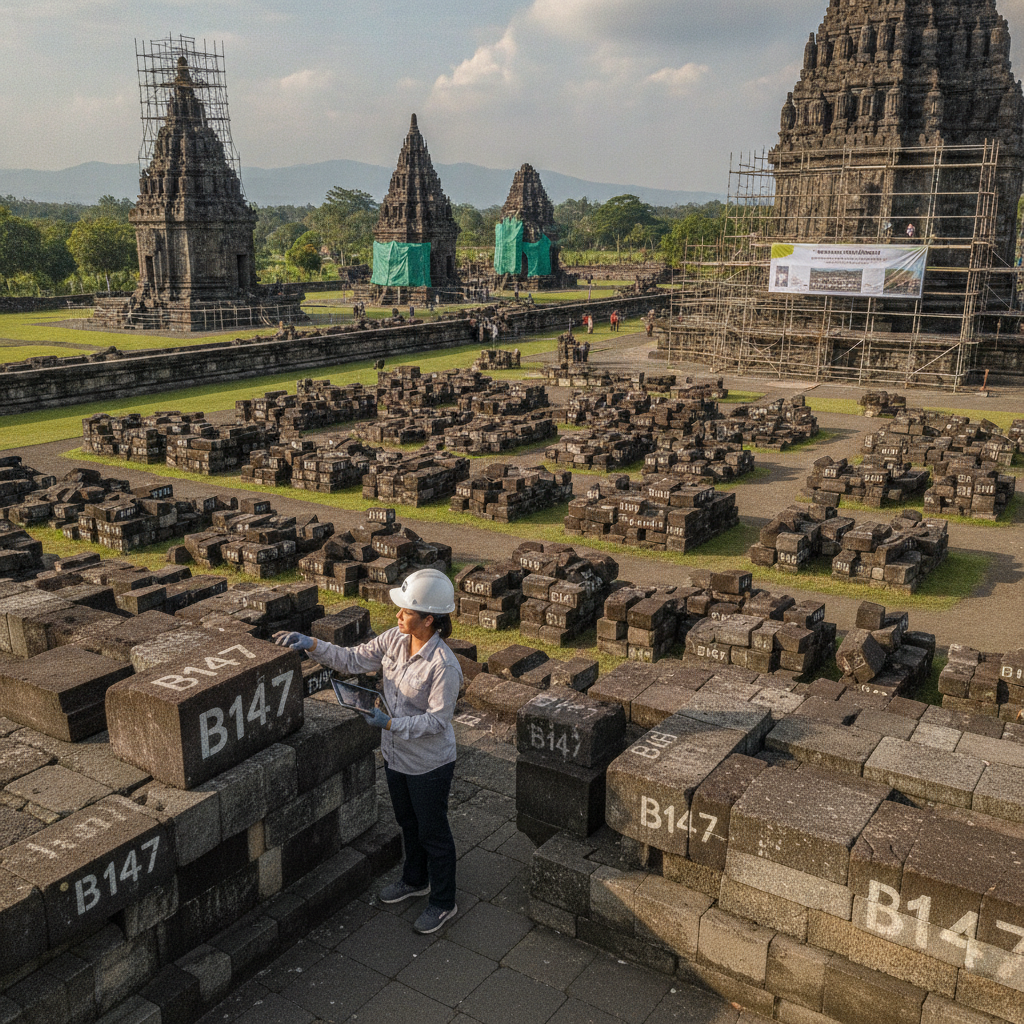
The 2006 Yogyakarta earthquake (magnitude 6.4, May 27, 2006—killing 5,782 people and destroying 280,000 houses across the Yogyakarta-Klaten area): Prambanan suffered significant structural damage, with hundreds of stones displaced or collapsed from the smaller temples. The UNESCO-supported restoration (still ongoing at many of the smaller temples in the compound): a meticulous anastylosis process of re-identifying, cataloguing, and replacing fallen stones in their original positions—complicated by the fact that the temples had been previously restored in the 1930s–1940s using incomplete information, and some restorations need to be reconsidered. The Prambanan compound: beyond the three main central temples, the compound contains 240 subsidiary temples in concentric rings—most are in various states of incomplete restoration (stacks of numbered stones awaiting reassembly, which creates its own archaeological landscape). The Sewu Temple (a 9th-century Buddhist temple complex 800 metres north of Prambanan—the second largest Buddhist temple complex in Java after Borobudur, containing 249 temples—less visited than either Borobudur or the main Prambanan complex but architecturally significant).
- 5
Javanese Philosophy – Hamemayu Hayuning Bawana
The Javanese philosophical tradition—particularly as maintained in the Yogyakarta royal court—centres on concepts of cosmological balance, the appropriate positioning of the self in relation to society, nature, and the spiritual world, and the cultivation of inner refinement (alus—refined; as opposed to kasar—coarse). The most important: Hamemayu Hayuning Bawana ('Embellishing the Beauty of the World')—the Javanese-Islamic concept of human responsibility to maintain the harmony of the universe, which the Sultan of Yogyakarta uses as the foundational principle of his governance philosophy. Nrimo (acceptance—the Javanese value of accepting one's position in life without resentment, as a practice of spiritual refinement rather than resignation): central to Javanese social interaction and the source of the famed Javanese indirectness (saying 'yes' when you mean 'no,' communicating displeasure through subtle signals rather than direct confrontation). The kejawen meditation practices: the Sultan maintains a regular meditation practice at coastal sacred sites and the Parangkusumo complex; the Kraton's ceremonial calendar involves dozens of rituals annually that combine Islamic prayer with the pre-Islamic Javanese cosmological framework in the syncretic form that has defined Javanese religious life for 400 years.
- 6
Yogyakarta's Future – Preserving the Past While Living the Present
Yogyakarta's challenge in 2026 is the challenge common to all heritage cities with living populations: how to preserve the architectural and cultural heritage that attracts visitors and sustains identity while creating the economic opportunity and physical infrastructure that allows residents (particularly young residents) to build viable lives. The specific tensions: the Malioboro commercial strip's ongoing evolution (from the traditional warungs and batik stalls toward more chain retail—a process resisted by community advocates who recognise Malioboro's character as the city's primary economic asset); the kampung in the Taman Sari area (where Batik artists have occupied the ruins of the Water Castle for decades—their informal tenure has been both preserved and commodified by the heritage economy); and the housing pressure from the student population (which has made Yogyakarta's inner neighbourhoods increasingly expensive by local standards). The Sultan as governor: Sultan Hamengkubuwono X's personal investment in Yogyakarta's cultural preservation—including the annual calendar of Kraton ceremonies, the patronage of traditional arts institutions, and the advocacy for the city's UNESCO inscription for its intangible heritage—provides an unusually powerful institutional champion for cultural continuity. But the sultan is mortal, and the question of succession (the Sultan has daughters but no son, complicating the patrilineal succession) adds political uncertainty to the city's cultural future.
Walk this route with audio
Stories play automatically as you reach each stop — no tapping needed.
More in Yogyakarta
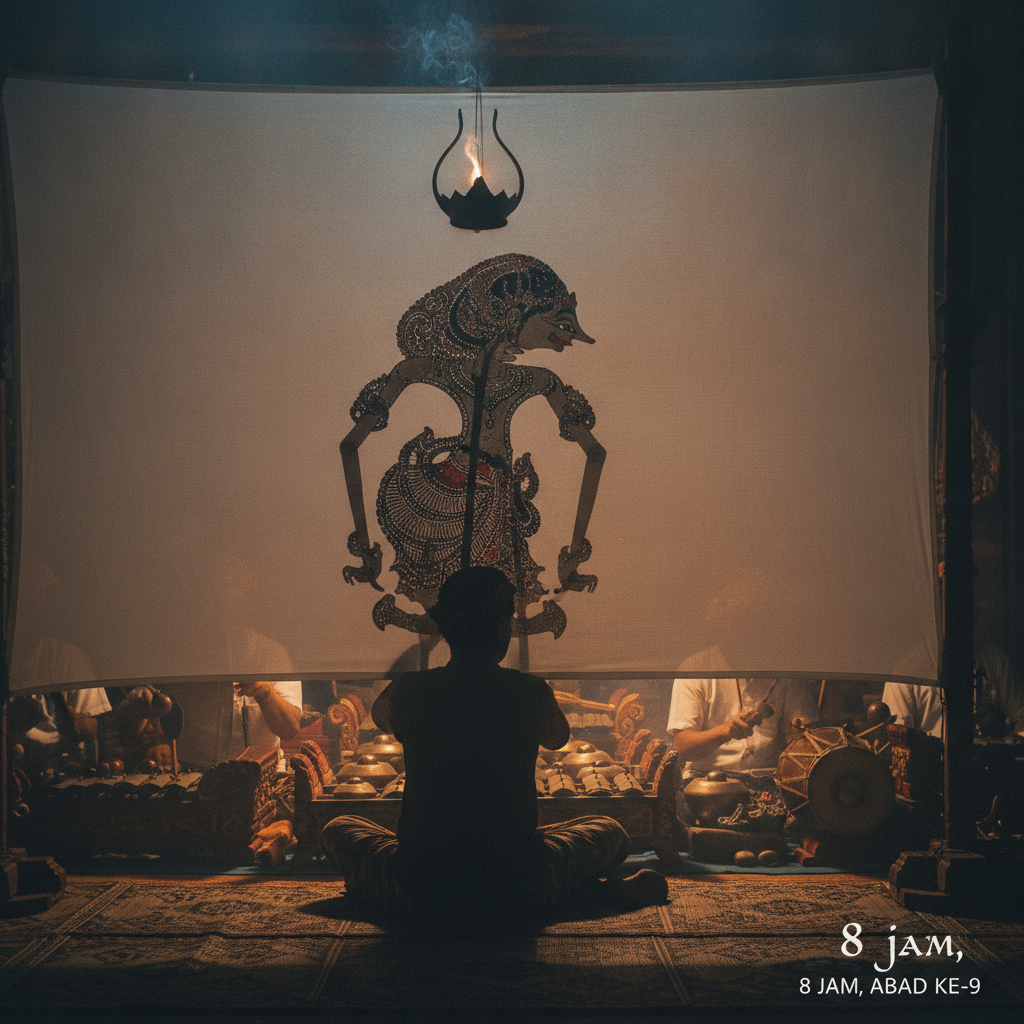
Yogyakarta's Arts: 9-Hour Wayang Kulit at Dawn, Gamelan's Influence on Debussy & Angkringan Cart Food After Dark

Yogyakarta's Soul: Kotagede Silver Filigree, the Republican Government in the Kraton & Nyi Roro Kidul's Green Sea
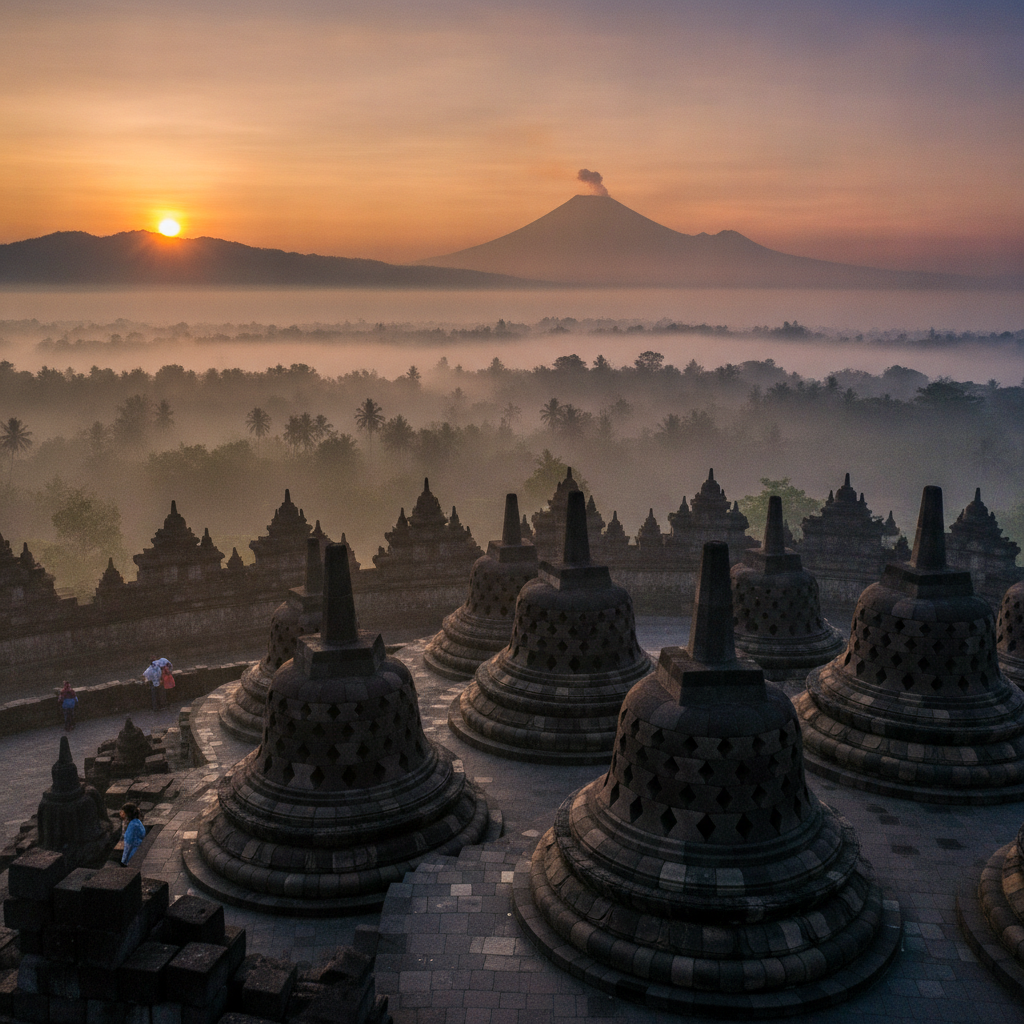
Yogyakarta: World's Largest Buddhist Monument at Borobudur, the Active Sultan-Governor & Gudeg at Dawn on Malioboro