Wrocław Market Square — the Gothic Town Hall, the Dwarfs & the Old Town Islands
Wrocław (the capital of Lower Silesia, population 640,000, the fourth-largest city in Poland, a city that has been German Breslau, Bohemian, Habsburg Austrian, Prussian, and Polish in succession over its 1,000-year history — the population entirely replaced in 1945 when the German population was expelled and replaced by Polish expellees from the eastern borderlands of pre-war Poland, the city rebuilt from 70 percent destruction in World War II) is the most architecturally diverse and historically complex city in Poland.
- 1
Rynek — the Market Square and the Gothic Town Hall
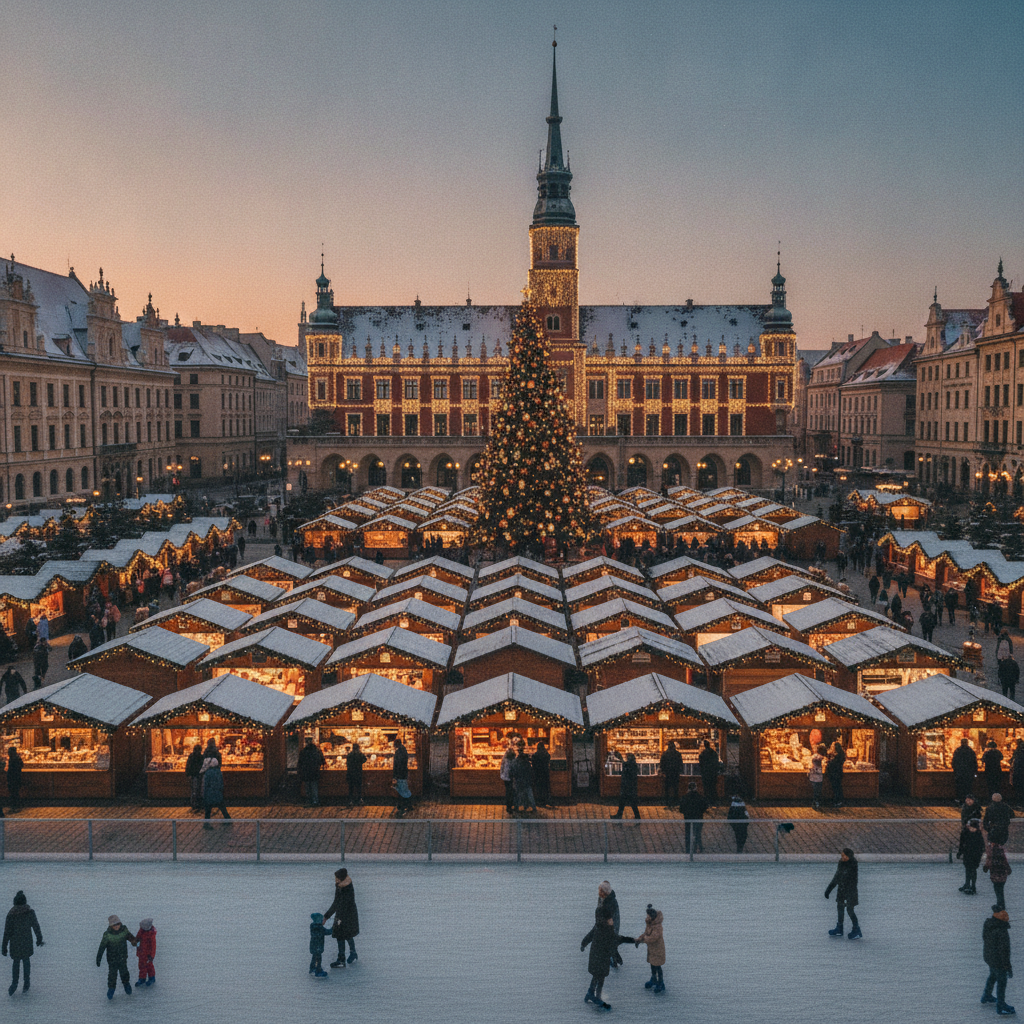
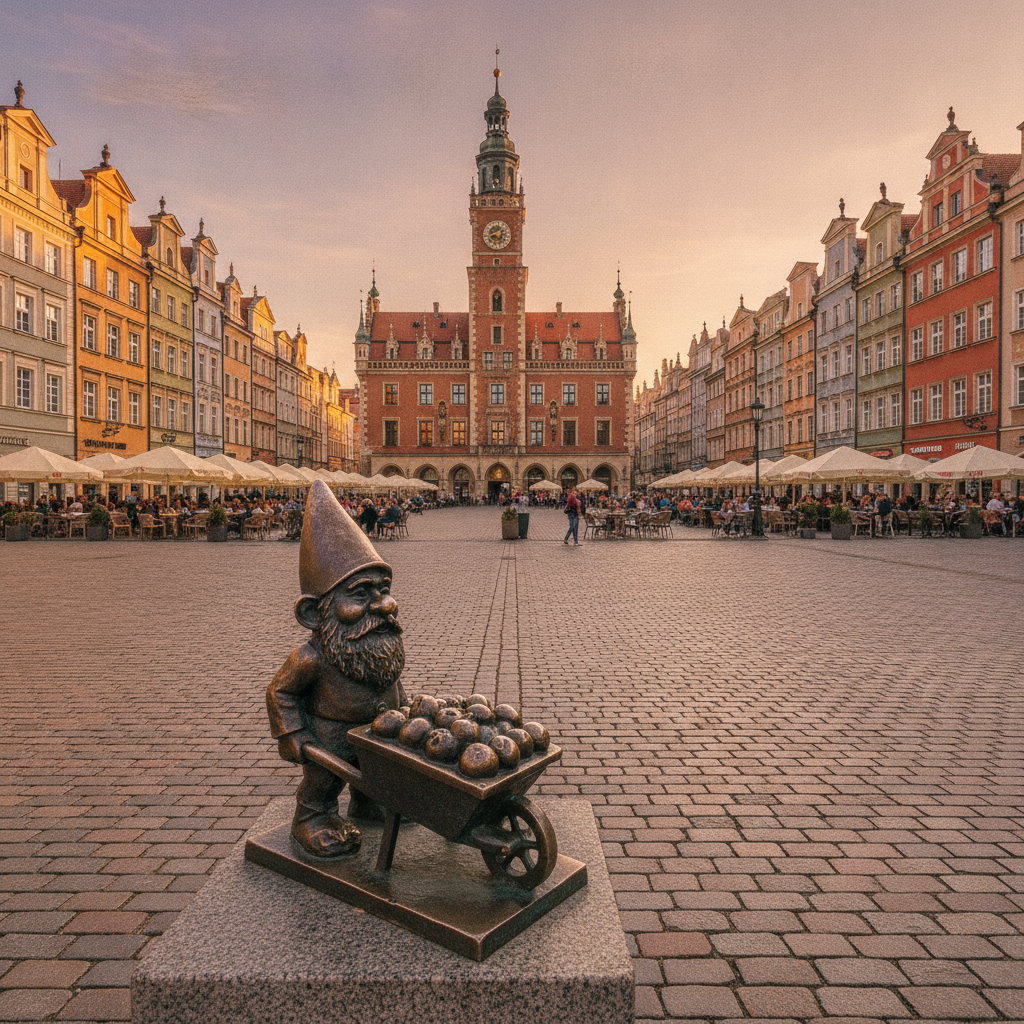
Wrocław's Rynek (the Market Square, 213m × 178m, the largest market square in Poland after Kraków's, laid out in 1242 on the Magdeburg town plan after the Mongol invasion destroyed the original settlement, the square surrounded by 4 rows of 11 townhouses — the kamienice — on each side, the facades ranging from Gothic to Renaissance to Baroque to Historicist reflecting the city's successive architectural periods, the ground floors of the townhouses occupied by restaurants and cafes year-round, the outdoor terraces filling the interior of the square from April to October) is defined by the Town Hall (Ratusz, the Gothic brick building at the centre of the square, the most important secular Gothic building in Silesia, built between 1327 and 1504, the south facade with its ornate Gothic tracery, the astronomical clock of 1580, the Golden Cup above the entrance — the symbol of Wrocław, the Town Hall now housing the Regional Museum, €4 adults, Tuesday-Sunday 10am-6pm). The square's nickname in German — 'the most beautiful square east of Paris' — reflects the ambition of the Silesian burghers who built it.
- 2
The Wrocław Dwarfs — 600 Bronze Gnomes Across the City
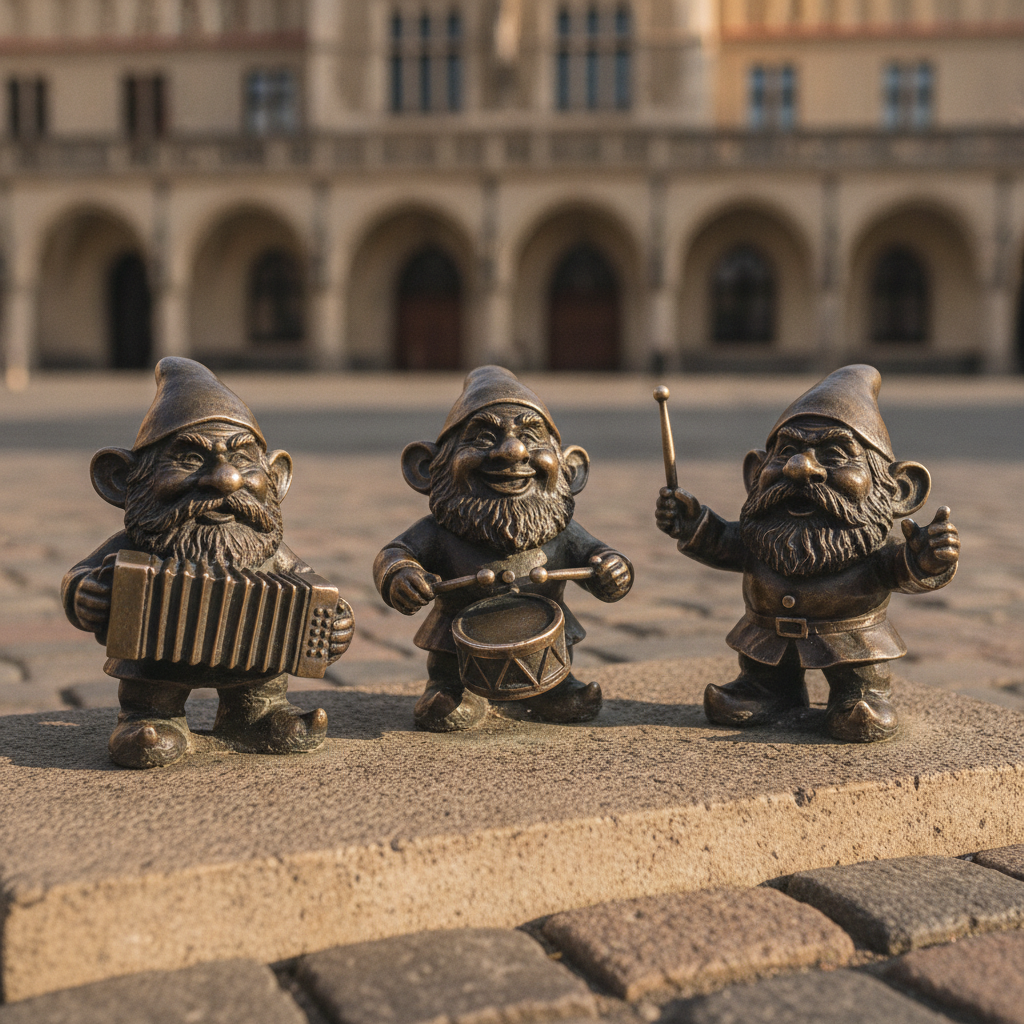
The Wrocław dwarfs (krasnale, the bronze gnome figurines placed on plinths around the city since 2001, originating as a symbol of the Orange Alternative — the surrealist anti-communist protest movement of the 1980s that dressed protesters in gnome costumes to mock the absurdity of the communist regime, the symbolism inverted and embraced as a city brand after 1989, the current count over 600 individual dwarfs placed across the city by the city government and private sponsors, each 20-35cm tall, each engaged in a specific trade or activity — the dwarf firefighter, the dwarf tourist, the dwarf banker, the dwarf university student — the locations mapped on the tourist office app and on the printed dwarf map available at the tourist information office in the Town Hall) constitute the most distinctive and most photographed urban art project in Central Europe. The first dwarf (the Papa Dwarf, placed at Świdnicka 2 in 2001 by the sculptor Tomasz Moczek, the original and the most historically significant) and the concentration on and around the Rynek (approximately 40 dwarfs within 200m of the Town Hall, the highest density in the city) make the Market Square the correct starting point for the dwarf hunt.
- 3
Cathedral Island — the Oldest Part of Wrocław
Ostrów Tumski (Cathedral Island, the oldest part of Wrocław, the original settlement on the island in the Odra River where the bishopric of Wrocław was established in 1000 CE, the island still home to the Cathedral of St. John the Baptist and 10 other churches, the island the only area of Wrocław still illuminated by gas lamps — 102 gas lanterns lit by a lamplighter every evening, the ritual unchanged since the 19th century): the Cathedral of St. John the Baptist (the Gothic brick cathedral built 1244-1390, the 98m twin towers the highest point in Wrocław, the cathedral destroyed in 1945 and rebuilt 1946-1951, the tower lifts to the viewing gallery €4 adults, the view of the Odra and the city from the gallery the best elevated perspective available, open Monday-Saturday 10am-5pm), and the Church of the Holy Cross and St. Bartholomew (the double church above the Cathedral, the lower church of St. Bartholomew and the upper church of the Holy Cross built simultaneously in the 14th century on two floors, the architectural and engineering achievement unique in Silesian Gothic architecture).
- 4
Sand Island — the University Quarter and the Baroque
Wyspa Piasek (Sand Island, the island between Cathedral Island and the Old Town, connected by the Piaskowy Bridge and the Most Tumski bridge, the island dominated by the Church of Our Lady on the Sand — the 14th-century Gothic church of the Augustinian canons, the largest Gothic church in Wrocław, the treasury holding the Codex of Mary of the Angels — a 14th-century illuminated manuscript) and the University Quarter (the area on the south bank opposite Sand Island, the Wrocław University building — the Baroque palace built for the Habsburgs as a Jesuit college 1728-1741, the Oratorium Marianum concert hall in the university building the most ornate Baroque interior in Wrocław, the Mathematical Tower above the main entrance, the view from the tower over the Odra and the Old Town, €4 adults for the Oratorium and the tower) are the southern counterpart to Cathedral Island in Wrocław's island geography — the city built on 12 islands in the Odra River, connected by 112 bridges, the highest bridge count of any city in Poland.
- 5
Wrocław Food — Pierogi and the Centennial Hall
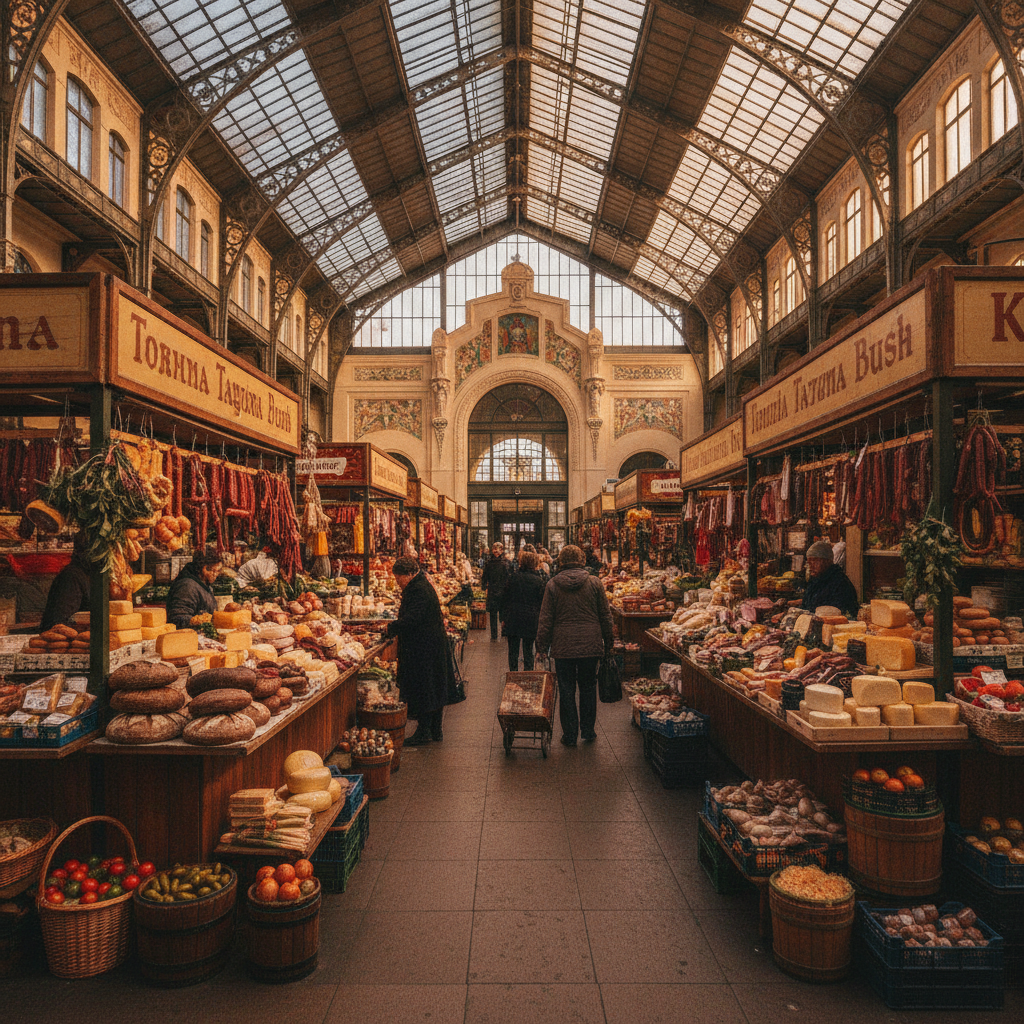
Wrocław's food scene (the most diverse in Lower Silesia, the city's large student population — 130,000 students at the 10 universities — supporting the cafe and restaurant culture, the Silesian culinary heritage combining Polish, German, Czech, and Jewish cooking traditions): the Wrocław pierogi (the local pierogi variant with the Silesian filling of potato, meat, and sauerkraut, the dumpling crimped in a distinctive Silesian pattern, available at the Pierogarnia na Swidnickiej — the pierogi restaurant on Świdnicka Street 2 minutes from the Rynek, the most acclaimed pierogi restaurant in the city, the 12-variety menu including the Silesian specialties, open daily noon-10pm, €5-8 per portion), the Wrocław bread market (the covered bread market at the Market Square, the traditional German-Polish Silesian bread tradition including the dark rye and caraway loaves), and the Centennial Hall (Hala Stulecia, the UNESCO World Heritage reinforced concrete event hall built 1913 by Max Berg for the centenary of the Battle of Leipzig, the interior the largest reinforced concrete dome in the world at the time of completion, the adjacent Pergola fountain and the Japanese garden the correct evening destination after the Old Town).
- 6
Wrocław Nightlife and the Student City
Wrocław's nightlife (the most active in Poland after Warsaw and Kraków, the concentration in: the Rynek and the adjacent streets — the basement clubs and the courtyard bars of the Old Town townhouses, the Świdnicka Street bar corridor, and the regenerated Nadodrze district 1km north of the Old Town — the former working-class neighbourhood of pre-war Breslau, the art galleries and alternative bars of the post-industrial buildings): the club Pixel (the largest club in Wrocław, Ruska 51, the converted factory building, the electronic music programme, the terrace on the Odra river, open Friday-Saturday from 11pm), the Jazz Club Rura (Świdnicka 8a, the basement jazz club since 1956, the live jazz and blues 7 nights per week, the most atmospheric musical venue in the Old Town, the arched brick ceiling and the candlelit tables), and the Nadodrze district cafe circuit (the Buszujący w Zbożu — 'Catcher in the Rye' — bar on Roosevelta Street, the Mleczarnia on Włodkowica Street — the former dairy converted to the most bohemian bar in Wrocław, open daily noon to 2am, the mosaic-tiled interior the most photographed bar space in Lower Silesia). The European Capital of Culture designation (Wrocław held the title in 2016, the cultural infrastructure investment from that year — new concert halls, the refurbished National Forum of Music, the expanded Museum of Contemporary Art — visible across the city).
Walk this route with audio
Stories play automatically as you reach each stop — no tapping needed.
More in wroclaw
Wrocław Dwarf Hunt, Bridges & Walking Routes — the Complete City Circuit
Wrocław Food — Silesian Pierogi, the Market Hall, Craft Beer & Local Restaurants
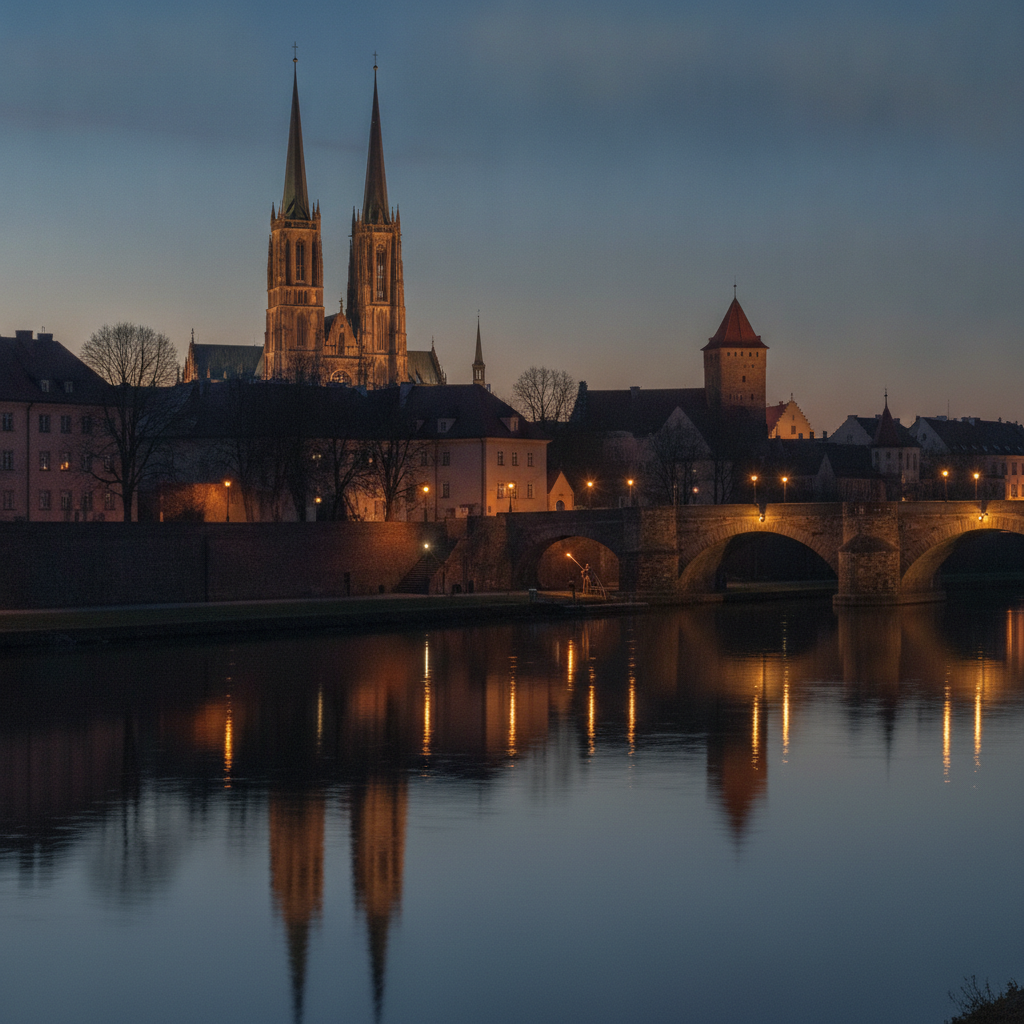
Wrocław Cathedral Island — Gothic Towers, Gas Lamps & the Odra Islands
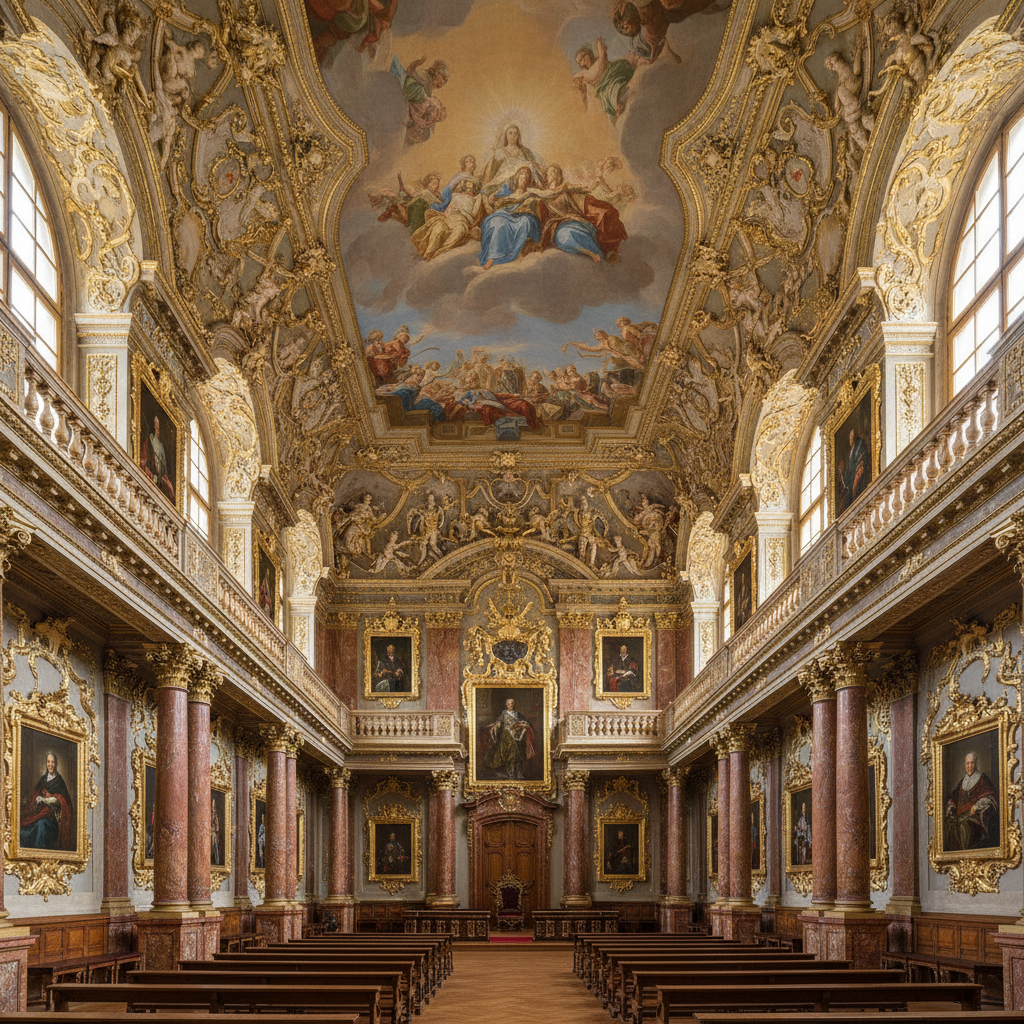
Wrocław University, Museums & the National Forum of Music — Cultural Capital Legacy