Wrocław Cathedral Island — Gothic Towers, Gas Lamps & the Odra Islands
Wrocław's Cathedral Island (Ostrów Tumski) and the adjacent Sand Island together form the oldest continuously inhabited settlement in the region, the islands in the Odra River where the Piast dynasty established the Wrocław bishopric in 1000 CE and which have remained the ecclesiastical heart of the city ever since.
- 1
The Cathedral of St. John the Baptist — Wrocław's Highest Point
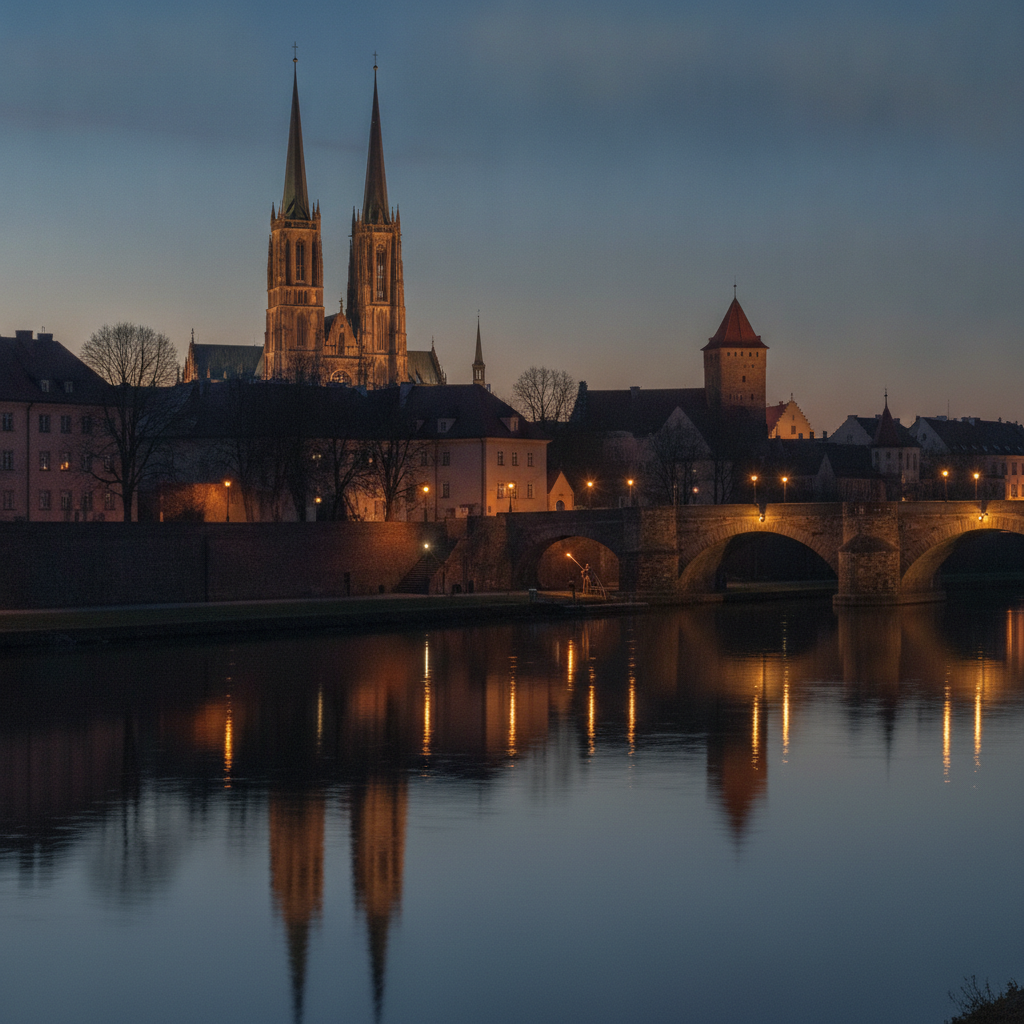
The Cathedral of St. John the Baptist (Katedra św. Jana Chrzciciela, Plac Katedralny 18, the Gothic brick cathedral begun in 1244 on the site of the earlier Romanesque cathedral, the twin towers completed 1390 and reaching 98m — the highest structures in Wrocław — the cathedral destroyed by artillery fire in January 1945 and rebuilt 1946-1951 using the surviving documentation, the interior the most ornate in Wrocław with the Baroque chapels of the Electoral Chapel and the Chapel of St. Elizabeth flanking the chancel: the Electoral Chapel — the copper-domed mausoleum of the Habsburg Bishops of Breslau, built 1716-1724 by Fischer von Erlach's son, the most important Baroque funerary monument in Silesia — and the Chapel of St. Elizabeth with the remains of St. Hedwig, patron saint of Silesia) has the lift to the south tower observation gallery (€4, Monday-Saturday 10am-5pm, the view from 68m altitude over the Odra, Cathedral Island, and the Old Town the best elevated panorama in Wrocław). The cathedral is open for free during visiting hours outside services, the most atmospheric time being early morning when the sunlight from the east enters through the nave windows.
- 2
The Gas Lamp Ritual — Ostrów Tumski at Dusk
Ostrów Tumski's gas lanterns (the 102 gas lamps illuminating the streets of Cathedral Island, the only gas-lit public area in Poland, the lamps maintained and lit every evening at dusk by the city's official lamplighter — the last practitioner of this trade in Poland, the lamplighter making the circuit of the island with a long pole, igniting each lamp in sequence, the ritual taking approximately 30 minutes, the lamplighter beginning at the Piaskowy Bridge at the time of sunset and working through the island in a fixed route, the timing varying from 4pm in December to 9pm in June) create the most atmospheric evening experience in Wrocław. The Archbishops' Garden (the private garden of the Archbishop's residence, adjacent to the cathedral, the garden opened to the public in 2016 after restoration, the rose garden, the 18th-century sundial, and the view of the cathedral towers from the garden level — accessible during cathedral visiting hours at no charge) and the Church of St. Giles (the smallest Romanesque church in Wrocław, dating from the 12th century, the only building on Cathedral Island to survive the 1945 destruction intact, the single-nave church of warm stone contrasting with the brick Gothic of the cathedral) are the secondary architectural discoveries on the island.
- 3
Most Tumski and the Bridge of Padlocks
Most Tumski (the Tumski Bridge connecting the right bank to Cathedral Island, built 1889 in cast iron with decorative Gothic-revival lamp standards, the bridge the most photographed single element in Wrocław after the Town Hall — the bridge now covered with hundreds of thousands of padlocks attached by couples as a symbol of love, the Polish equivalent of the Pont des Arts tradition, the padlocks beginning to appear in 2009 and now covering the bridge railings from end to end, the combined weight of the padlocks estimated at several tonnes) and the Most Piaskowy bridge (the Sand Bridge connecting Cathedral Island to Sand Island and the left bank Old Town, the bridge with the best view of the Cathedral Island towers and the Odra from the island level) are the two pedestrian bridges framing the Cathedral Island experience. The Most Grunwaldzki (the Grunwald Bridge, the 1910 suspension bridge 400m west of Cathedral Island, the most elegant engineering structure in Wrocław, the view from the bridge deck of the Odra and the Cathedral Island profile the best riverside panorama in the city).
- 4
The National Museum Wrocław — Silesian Art
The National Museum in Wrocław (Plac Powstańców Warszawy 5, the largest art museum in Lower Silesia, €10 adults, Tuesday-Sunday 10am-5pm, the collection divided between the medieval Silesian art — the most important collection of Gothic and Romanesque Silesian religious sculpture and panel painting in Poland — and the Silesian Baroque and neoclassical collections, the modern and contemporary Polish art on the upper floors) is the essential museum for understanding the layered cultural heritage of Silesia. The medieval collection (the Romanesque tympanum from the Portal of Ołbin — the carved marble tympanum dated 1160-70, the oldest large-scale medieval sculpture from the Wrocław region, the Baptist and the Virgin flanking the enthroned Christ in the Maiestas Domini composition — and the 14th-15th century Gothic carved altarpieces from the Silesian churches, the polychromed wooden figures showing the Bohemian-German-Polish stylistic synthesis specific to Silesian Gothic) and the 17th-century Silesian Baroque collection (the paintings, the silver ecclesiastical objects, the furniture from the Habsburg-era churches and aristocratic residences) are the two primary collections.
- 5
Centennial Hall and the Japanese Garden
The Centennial Hall (Hala Stulecia, Wystawowa 1, the UNESCO World Heritage reinforced concrete exhibition hall built 1911-1913 by the Breslau city architect Max Berg for the centenary of the Battle of Leipzig 1813, the hall's dome 67m in diameter — the largest reinforced concrete dome in the world at the time, the engineering achievement anticipating the concrete shells of the 20th century by 30 years, €8 adults for the interior, Tuesday-Sunday 10am-6pm, the exhibition on the building's history and Max Berg's architecture the primary content, the hall still used for exhibitions and events) and the adjacent Pergola (the 1913 iron pergola with the fountain and flower beds, the landscaped park between the Pergola and the Japanese Garden — the Szczytnicki Park surrounding the Centennial Hall complex, the 100-hectare park the largest in Wrocław) together form the most historically significant architectural complex in Wrocław. The Japanese Garden (the traditional Japanese garden within the Szczytnicki Park, established 1909 for the Breslau Century Exhibition, restored 1997 after decades of neglect, €2 adults, the stone bridges, the koi pond, the tea house, and the cherry trees in bloom in April-May).
- 6
Wrocław's German History — Breslau to Wrocław
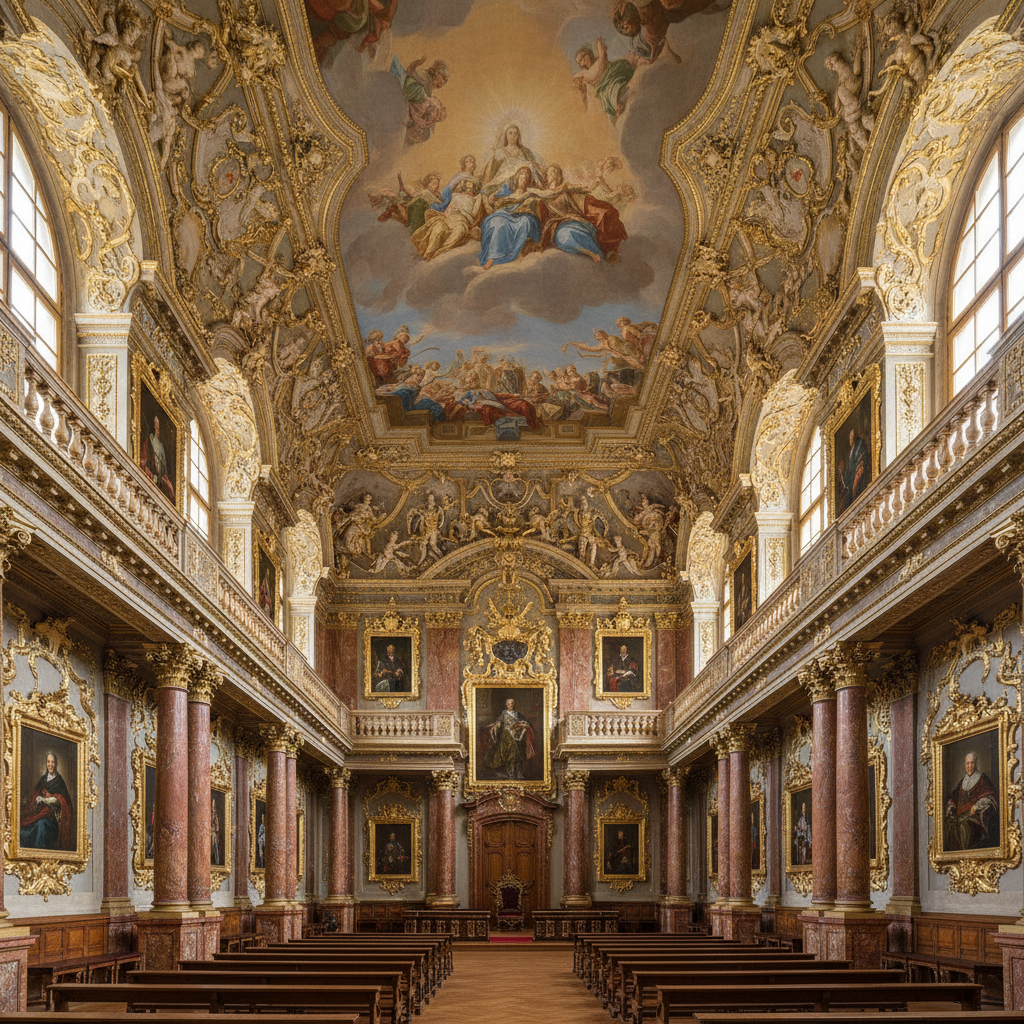
Wrocław's German past (the city known as Breslau under Prussian and then German administration from 1742 to 1945, the German-speaking population of approximately 600,000 expelled in 1945-47 under the Potsdam Agreement and replaced by Polish expellees from Lwów and Wilno — the cities in the Soviet-annexed eastern borderlands of pre-war Poland — creating a city entirely new to its own surroundings, the Polish settlers navigating the German street signs, German inscriptions on the buildings, and German institutions they had inherited rather than built) is documented at: the City Museum of Wrocław (Sukiennice 14, the museum in the former Cloth Hall adjacent to the Town Hall, €6 adults, Tuesday-Sunday 10am-5pm, the exhibition on the city's multi-ethnic history including the Silesian German, Polish, Czech, and Jewish communities), the Cmentarz Osobowicki (the main cemetery of Wrocław, the German and Polish sections side by side, the graves of the Breslau bourgeoisie from the 19th and early 20th centuries preserved amid the post-war Polish graves, the most legible physical record of the demographic transition of 1945), and the Wrocław University's Oratorium Marianum (the Baroque concert hall where the Jesuit faculty of the University of Breslau taught, the painted ceiling and the woodcarving the work of the 18th-century German and Italian craftsmen who defined the visual identity of Breslau's Habsburg period).
Walk this route with audio
Stories play automatically as you reach each stop — no tapping needed.
More in wroclaw
Wrocław Dwarf Hunt, Bridges & Walking Routes — the Complete City Circuit
Wrocław Food — Silesian Pierogi, the Market Hall, Craft Beer & Local Restaurants
Wrocław University, Museums & the National Forum of Music — Cultural Capital Legacy
Wrocław Practical Guide — Seasons, Transport, Christmas Market & Day Trips to the Sudeten