Winnipeg: The Second Largest Bus Manufacturer in North America Building Electric Buses, the World Oldest Multicultural Festival With 40 Pavilions and the Finest Freshwater Beach in Canada 90 Minutes Away
Understand that Winnipeg makes more transit buses than any North American city except Montreal through companies like New Flyer that build electric buses for cities across the continent, visit 40 cultural pavilions during Folklorama in August in the oldest and largest multicultural festival in the world where each community presents food, performance, and heritage in a city where rapid immigration has made diversity the defining characteristic, wear a red-and-blue sash at the Festival du Voyageur in February to celebrate the Metis canoe men who sang traditional songs across 16-hour paddling days and developed the Red River Jig by combining European reels with Indigenous movement, cycle the Red River pathway that connects to the Assiniboine pathway along flat terrain that exposes every tailwind and headwind across an unobstructed prairie horizon, understand that Manitoba Hydro hydroelectric power from James Bay gives the province some of the cheapest renewable electricity in Canada making it attractive for energy-intensive manufacturing, and drive 90 minutes north to Grand Beach on Lake Winnipeg where shallow warm freshwater extends hundreds of metres from a sand shoreline and the summer crowd proves that Winnipeg winters buy remarkable summers.
- 1
Winnipeg Population and Demographic Change
Winnipeg is a city of approximately 780,000 people whose population growth has accelerated since 2015 through immigration, particularly from the Philippines, Nigeria, India, and various African nations, making it one of the most rapidly diversifying major cities in Canada. The provincial nominee program of Manitoba has been a primary driver, with the province using its immigration allocation to attract workers to fill specific labour shortages in healthcare, construction, and food processing. The Filipino community in Winnipeg numbers over 80,000 and has built a significant institutional infrastructure of churches, cultural organizations, and media. The Nigerian and sub-Saharan African communities have grown rapidly since 2010 and have established churches, restaurants, and businesses in the north and east of the city. The Somali community, which arrived primarily through refugee programs in the 1990s, has established commercial and cultural institutions in the downtown and inner north end. The rapid demographic change has created social tensions in some neighborhoods, particularly around housing affordability in the North End and the relationship between new immigrant communities and the existing Indigenous community. The Winnipeg Regional Health Authority has made cultural competency in healthcare a priority to serve a patient population of extraordinary diversity. The 2021 census confirmed that Winnipeg had reached the threshold of a visible minority majority in the central areas of the city.
- 2
Winnipeg Architecture and Urban Form
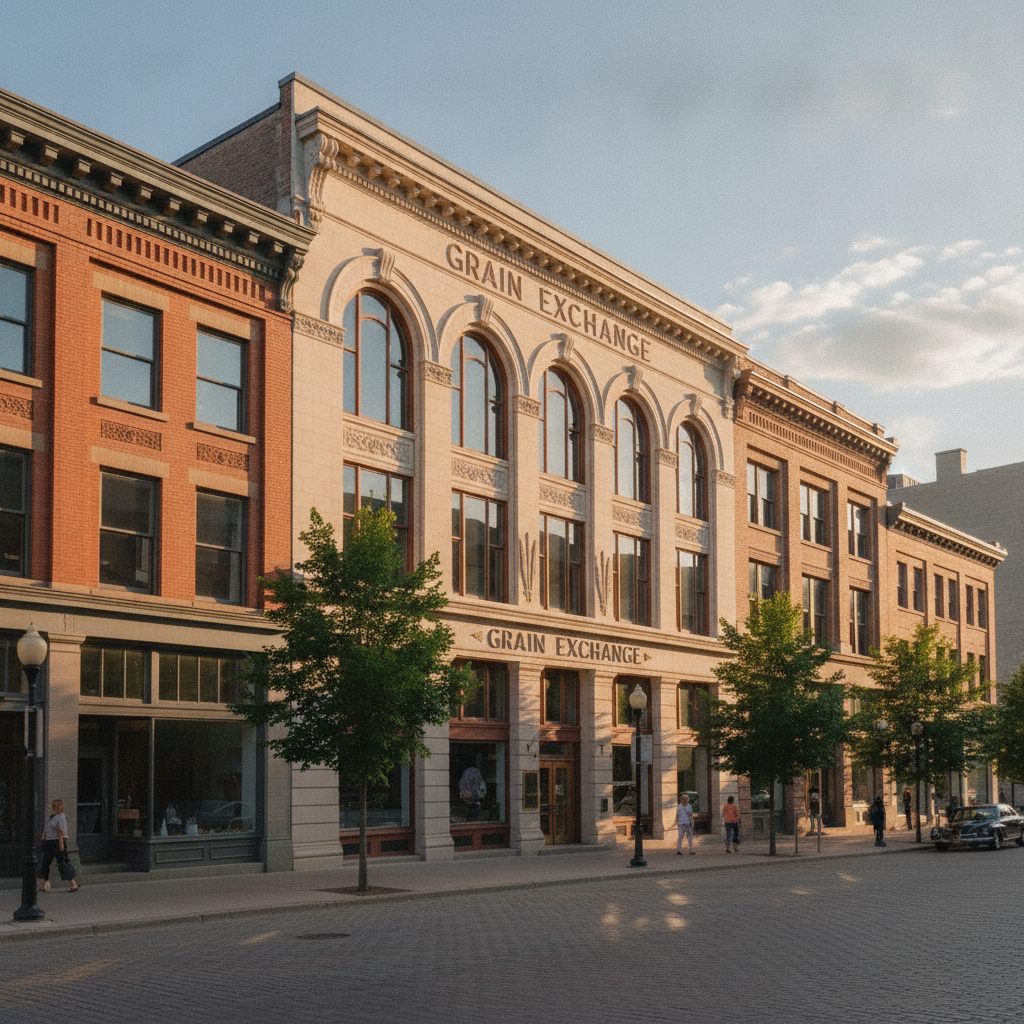
Winnipeg has an urban form shaped by its late Victorian and Edwardian golden age, when the city expected to become the Chicago of Canada and built accordingly with grand commercial blocks, wide main streets, and residential neighborhoods of Edwardian houses in the inner city and suburban cottages in the outer ring. The Broadway cultural corridor between the Legislature and downtown holds the most significant concentration of institutional buildings in Winnipeg, including the Manitoba Museum, the Museum of Arts and Sciences, and the Convention Centre. The Exchange District heritage conservation area preserves the wholesale trade architecture of the pre-World War I boom in terra cotta facades, pressed brick warehouses, and cast iron columns. The residential architecture of the inner-city neighborhoods of Wolseley, West Broadway, and Armstrong Point consists primarily of two and three storey Edwardian houses and red brick apartment buildings from 1910 to 1930, some in deteriorating condition and some well maintained in a city where renovation competes with suburban new construction. The Via Rail train station, a 1911 Beaux-Arts building on Main Street designed by Warren and Wetmore, the architects of Grand Central Terminal in New York, is one of the finest railway stations in Canada and currently undergoing renovation as a mixed hotel, market, and transit hub. The Canadian Museum for Human Rights represents the most significant new building in Winnipeg in the 21st century and has drawn international architectural recognition.
- 3
Winnipeg Cycling and Active Transportation
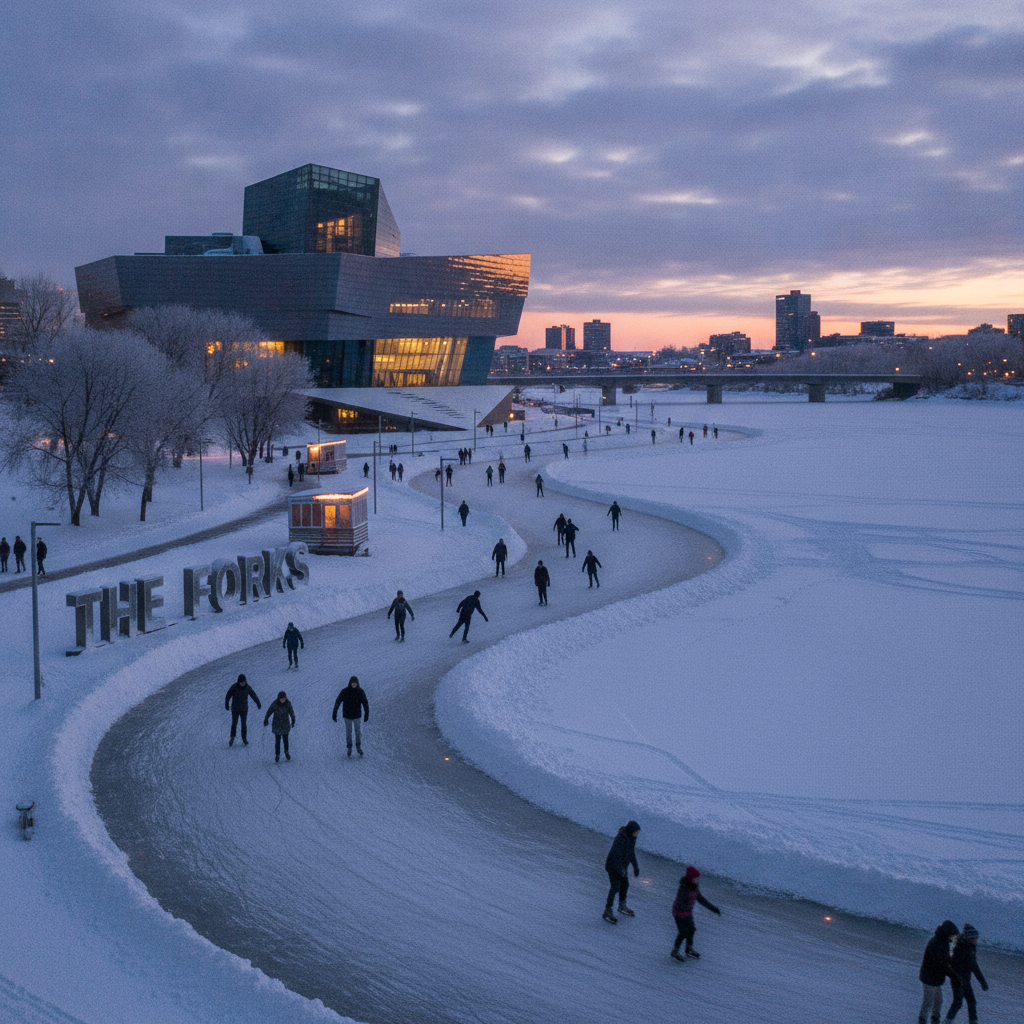
Winnipeg has invested in cycling infrastructure since 2012 through the TravelSmart active transportation network, with protected lanes on several major downtown streets and the extensive riverbank pathway system along the Red and Assiniboine rivers. The Forks riverbank skating trail converts to a cycling and walking path in summer, providing the most scenic urban cycling route in the city. The Dutch-Winnipeg Connection, a design influence evident in some of the newer protected lane infrastructure, reflects the city attempt to learn from the world leader in urban cycling design. Cycling in Winnipeg is challenged by the extreme winter that prevents year-round cycling for most residents, the flat but wind-exposed prairie geography that makes long distances feel more fatiguing than in sheltered cities, and the vast suburban areas where cycling infrastructure does not exist. The summer cycling culture of Winnipeg is growing, with bicycle counts on the protected lanes showing increases of 15 to 20 percent annually. The Winnipeg Folk Festival at Birds Hill Park is accessible by a community cycling group that organizes a convoy from the city on the first day of the festival each July. The BRT bus rapid transit network announced for several corridors is intended to improve transit access to suburban areas that are currently car-dependent.
- 4
Festival du Voyageur Winnipeg
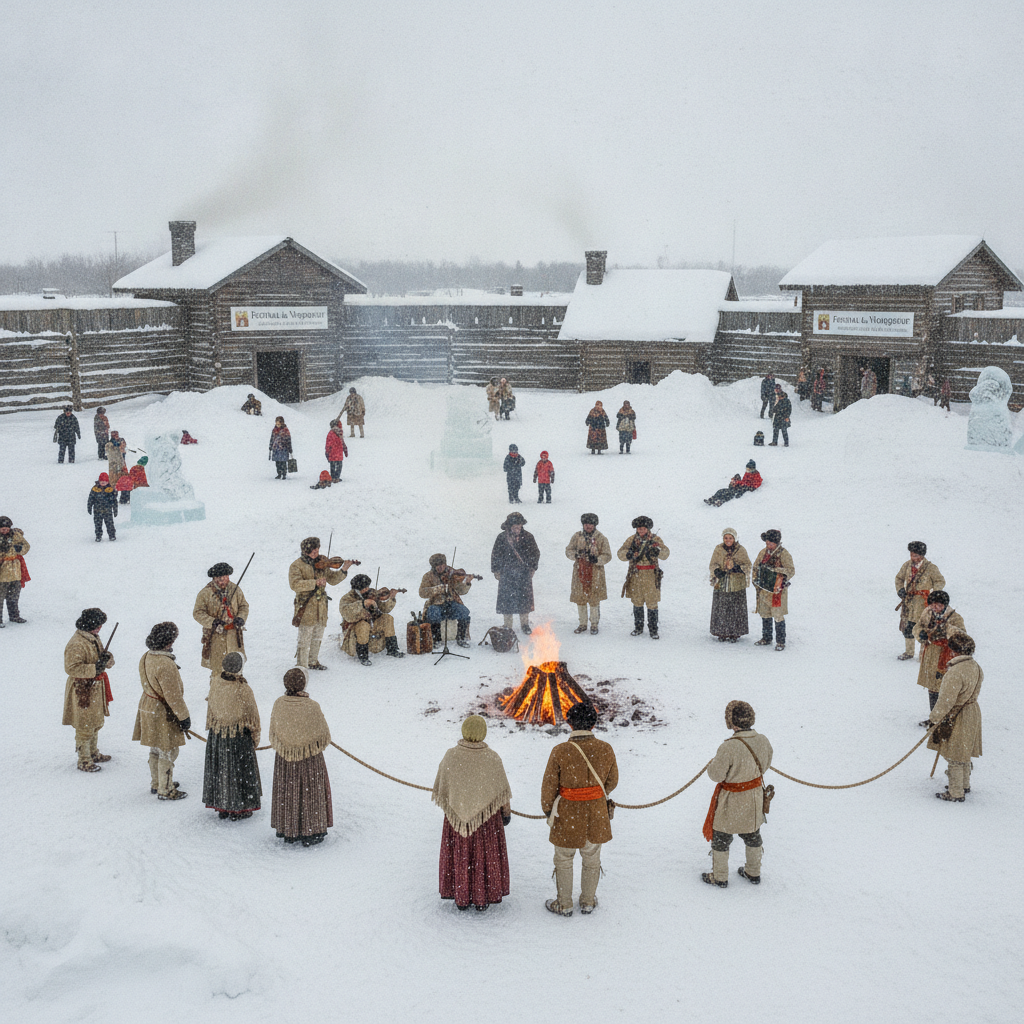
The Festival du Voyageur, held annually for ten days in February in Saint Boniface and the Saint Norbert and Whittier parks areas, is the largest winter festival in western Canada, drawing over 100,000 visitors to an event celebrating the voyageur fur trade heritage of French and Metis culture with period costumes, traditional music and dance, outdoor winter activities including tire pulling, snow sculpting, and outdoor cooking demonstrations, and the reconstructed fur trade post Fort Gibraltar as its centerpiece. The voyageur culture being celebrated is that of the French-Canadian and Metis canoe men who paddled the fur trade routes of the interior for the North West Company and Hudson Bay Company in the 18th and early 19th centuries, wearing distinctive red-and-blue sashes and toque caps and singing chanson en canot, traditional songs that kept the paddling rhythm over 16-hour days. The festival was founded in 1970 to celebrate and preserve the Franco-Manitoban cultural heritage that has been present in the Red River area since the first Metis settlements of the 1780s. The fiddle music and jigging competitions at the festival draw performers and audiences who maintain the Red River jig, a virtuoso dance form developed by Metis communities that combines European reel and Indigenous movement traditions, as a living performance art.
- 5
Winnipeg Economy and Industrial Base
Winnipeg is the economic capital of Manitoba and the service and distribution center for the Prairie provinces, historically built on the grain trade that made it the Chicago of Canada in the early 20th century and now diversified into manufacturing, aerospace, healthcare, finance, and information technology. Winnipeg is Canada second largest aerospace manufacturing center after Montreal, with companies including StandardAero, Magellan Aerospace, Boeing Canada, and New Flyer Industries operating manufacturing and maintenance facilities employing over 6,000 workers. New Flyer Industries, the largest bus manufacturer in North America, builds transit buses at its Winnipeg and other plants and supplies electric and conventional buses to transit authorities across the United States and Canada. The agricultural service economy centered on the Canadian Grain Commission and the commodity trading that routes prairie grain through Winnipeg continues to support financial and logistics services. The Manitoba Hydro James Bay and northern Manitoba hydroelectric developments, providing Manitoba with some of the cheapest electricity in Canada from renewable sources, are a competitive advantage for energy-intensive manufacturing. The public sector is the largest single employer through the provincial government, University of Manitoba, and health authorities. The cost of doing business in Winnipeg is lower than in Toronto or Vancouver, making it attractive for back-office operations of financial and insurance companies.
- 6
Winnipeg Summer and Outdoor Life
Winnipeg summers, running from June through August with average temperatures of 26 Celsius and occasional spikes above 35, are warm, sunny, and humid, creating conditions that support an outdoor culture of festivals, cycling, river activities, and beach-going that would surprise visitors who associate the city only with winter cold. The Winnipeg Folk Festival at Birds Hill Provincial Park northeast of the city in early July draws 50,000 campers and day visitors to a site where folk, world, and roots music performers from across the world play across multiple outdoor stages for four days. The Winnipeg Fringe Theatre Festival in July is the second largest fringe festival in North America. The Pride Winnipeg festival is a major event. The Folklorama multicultural festival in August, the oldest and largest multicultural festival in the world with over 40 pavilions representing different cultural communities open for two weeks, is one of the most extraordinary expressions of urban diversity in Canada. The rivers provide recreational canoeing, kayaking, and stand-up paddleboarding from multiple launch points throughout the city. The Grand Beach on Lake Winnipeg, 90 kilometres north of Winnipeg, provides one of the finest freshwater beaches in Canada with sandbars and shallow warm water extending hundreds of metres from the shore. Winnipeg summers justify the winters.
Walk this route with audio
Stories play automatically as you reach each stop — no tapping needed.
More in Winnipeg
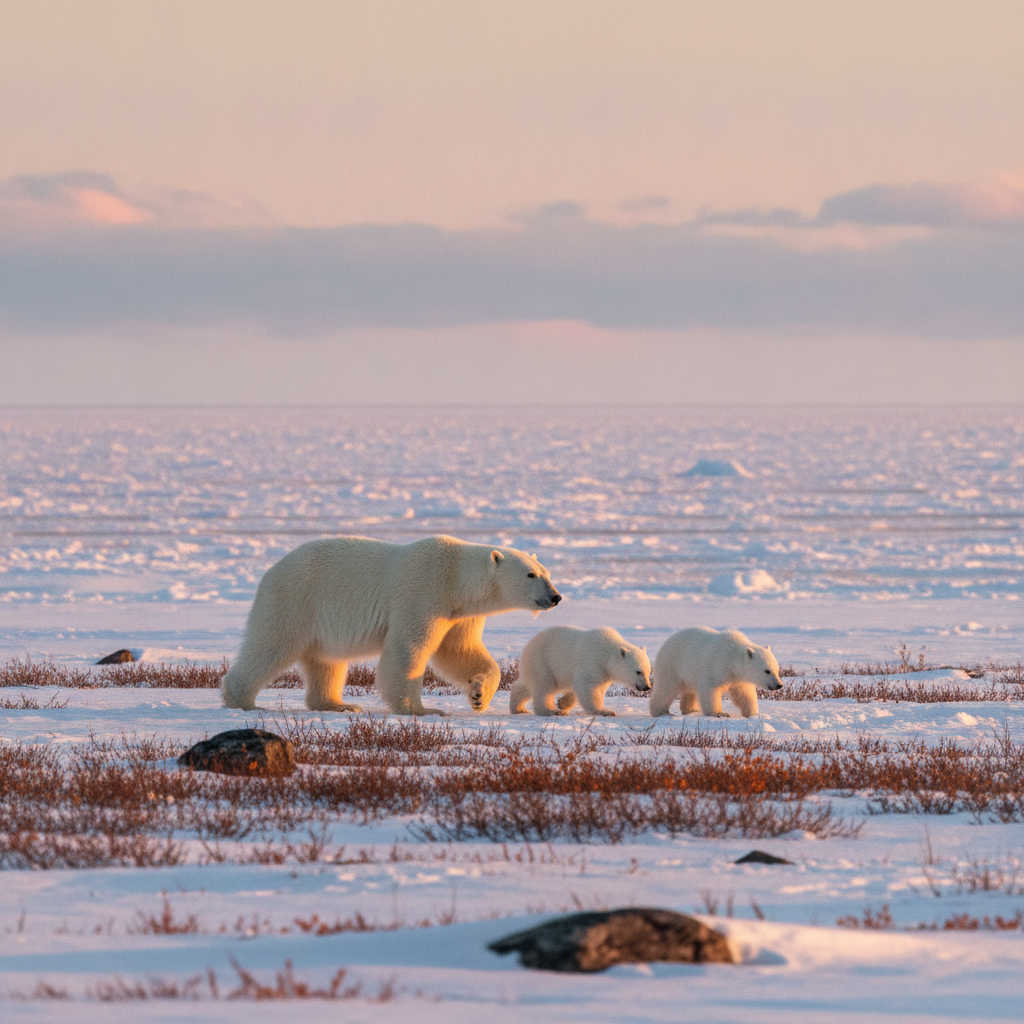
Winnipeg: The Masonic Temple Hiding in the Legislature Dome, 900 Polar Bears Waiting for a Bay That Is Freezing Later Every Year and the City Where Neil Young Learned to Play Guitar
Winnipeg: The Strike That Was Called a Bolshevist Revolution and Created the NDP, the Ballet Company That Is Older Than Many Canadian Provinces and the Hockey Team That Left and Came Back
Winnipeg: The Geographic Centre of North America, the Museum Built on the Site Where Two Rivers Have Met Humans for 6000 Years and the City That Is Colder Than Moscow in January
Winnipeg: The Ship That Founded the Hudson Bay Company in a Museum, the 1870 Land Grants That Were Stolen by Speculators and the Prairie Sky That Displays Lightning Like a Natural Theatre
Winnipeg: The Ukrainian Olympic Hockey Champions Who Were Not Allowed to Join the WASP Hockey Establishment, the Most Endangered Ecosystem in North America and the First Provincial Human Rights Code in Canada