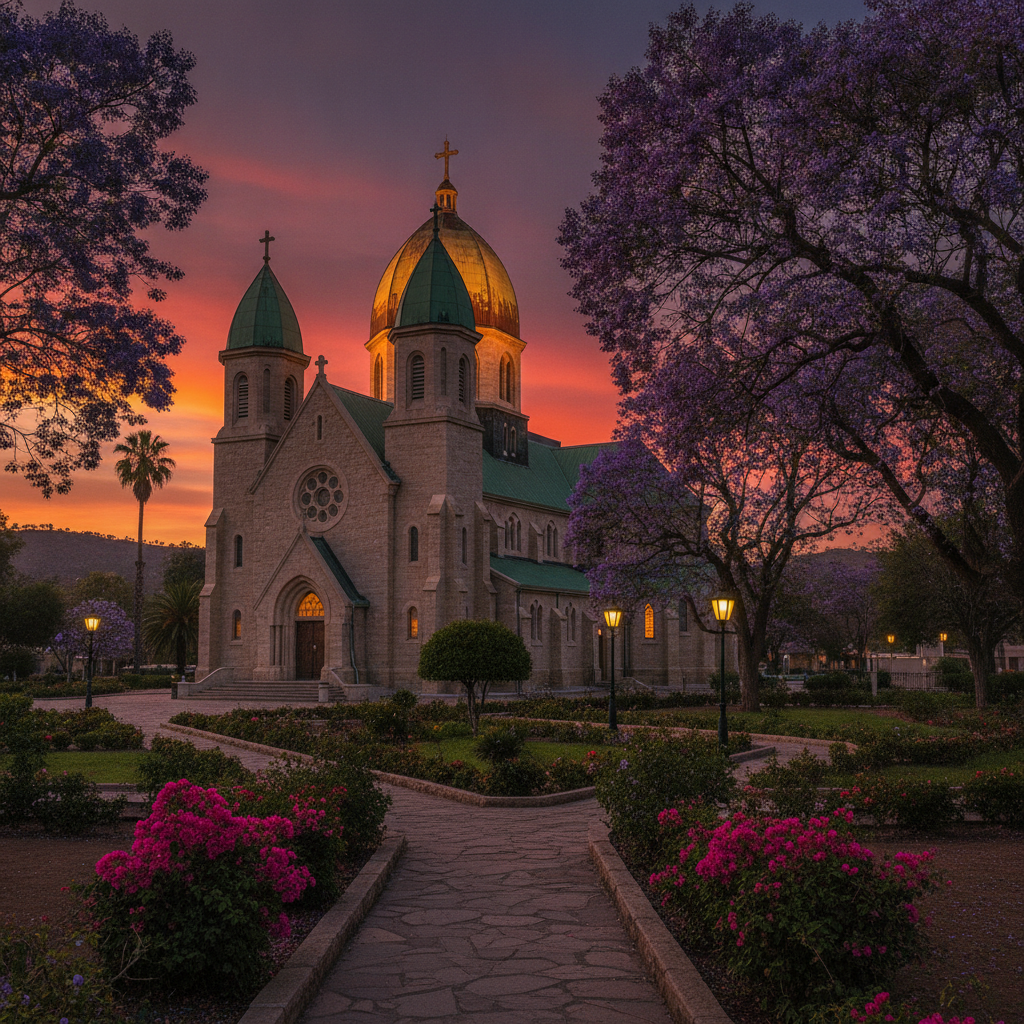
Windhoek: SWAPO Independence, Cheetah Conservation, Namibia Stargazing, Kolmanskop Ghost Town, and Game Meat Cuisine
Namibia culture and history: the SWAPO liberation struggle and Sam Nujoma, the Cheetah Conservation Fund (world largest free-roaming cheetah population), NamibRand Dark Sky Reserve stargazing, Kolmanskop diamond ghost town, and Namibian game meat cuisine.
- 1
SWAPO and the Namibian Independence Struggle
The Namibian independence struggle. South African administration: after Germany lost South-West Africa in World War I, the League of Nations granted South Africa a mandate to administer the territory (1920). South Africa effectively annexed the territory and applied apartheid laws. The South West Africa Peoples Organization (SWAPO): founded in 1960, the primary liberation movement of Namibia. SWAPO conducted a guerrilla war against South African forces from 1966 (the Battle of Omugulugwombashe, 26 August 1966, the first SWAPO armed attack: now celebrated as Namibia Day). Sam Nujoma (born 1929): the founder and president of SWAPO, the first president of independent Namibia (1990-2005). The Namibian War of Independence (1966-1989): fought primarily in Ovamboland (the northern Namibia homeland of the Ovambo people, who constitute approximately 50% of the Namibian population) and in southern Angola. United Nations Resolution 435 (1978) called for Namibian independence but implementation was delayed by Cold War geopolitics until 1989.
- 2
The Namibian Wildlife - Cheetah, Desert Elephant, and Desert Lion
Namibia has the largest free-roaming cheetah population in the world: approximately 3,000-4,000 cheetah (approximately 20-30% of the global wild cheetah population). The Cheetah Conservation Fund (CCF, established 1990, headquarters near Otjiwarongo approximately 200 km north of Windhoek by Dr Laurie Marker): the most significant cheetah research and conservation organization in the world. The Namibia cheetah population declined from approximately 6,000 in 1990 to approximately 3,000 in 2024, primarily from human-wildlife conflict with livestock farmers. The Namibian desert elephant: the population of desert-adapted elephant in the Kunene Region (the Palmwag Concession and the Ugab River area) that have adapted to survive in the hyper-arid Namib environment. The Namibian desert lion (the Palmwag lion population): the surviving lions of the Namib Desert that have learned to hunt marine mammals (the Cape Fur Seals of the Skeleton Coast) and desert-adapted prey.
- 3
Namibia Stargazing - The Darkest Skies in Africa
Namibia has some of the darkest skies in Africa, making it one of the premier stargazing destinations in the world. The NamibRand Nature Reserve (in the south of the Namib Desert, adjacent to the Sossusvlei area): designated an International Dark Sky Reserve (one of the first in Africa), the most significant dark sky conservation area in southern Africa. The Milky Way visibility: in the NamibRand and in Etosha (away from the camp lights), the Milky Way is visible as a bright band across the entire sky from horizon to horizon. The Milky Way galactic center (the brightest part of the Milky Way, visible in the southern hemisphere winter, June-August): appearing directly overhead from Namibia on clear winter nights. The Gamsberg (the flat-topped mountain plateau in the Khomas Highlands, 100 km east of Walvis Bay): the site of the Max Planck Institute for Radio Astronomy telescope, one of the significant astronomical research sites in Africa.
- 4
Kolmanskop - The Diamond Ghost Town of the Namib Desert
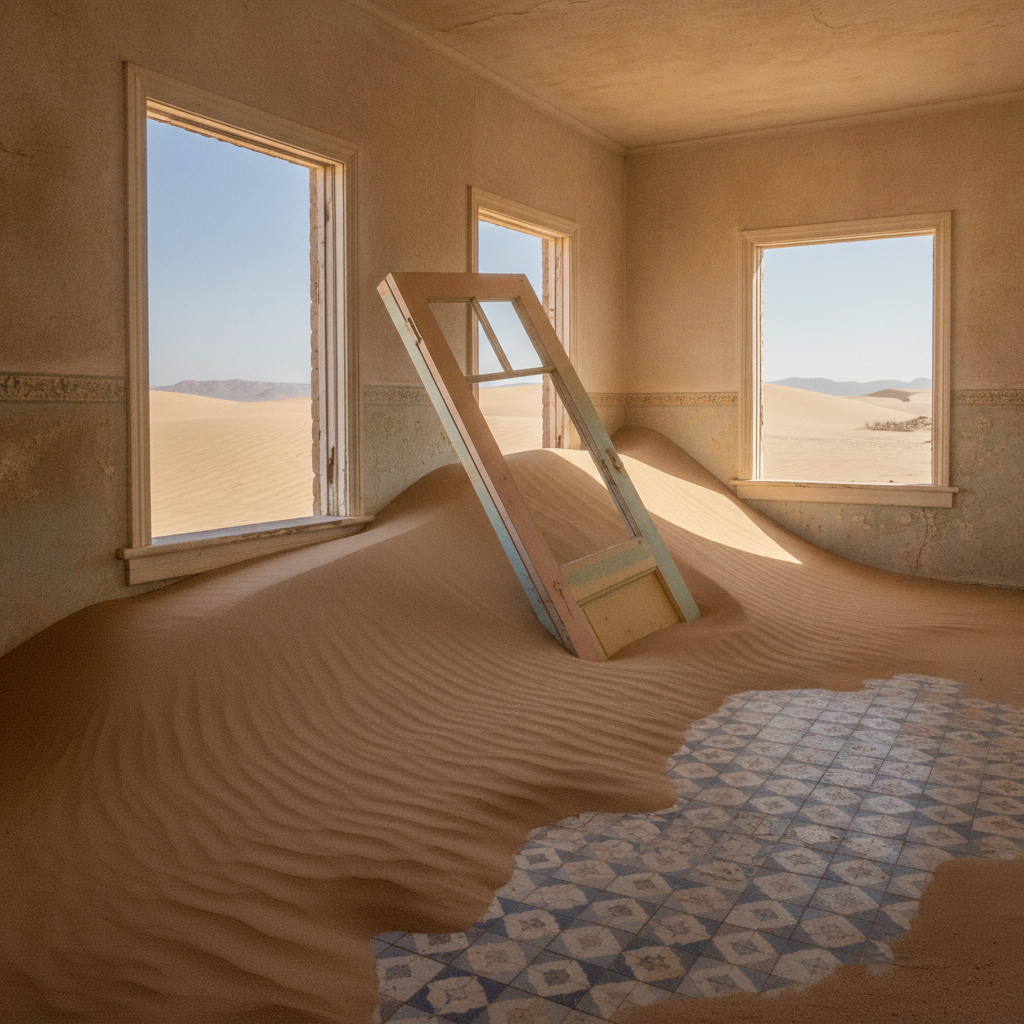
Kolmanskop (German: Coleman Hill): an abandoned diamond mining town in the Namib Desert, approximately 10 km east of Luderitz in southern Namibia. Diamonds were discovered in the area by a South African railway worker in April 1908. At the peak of the diamond rush (1912-1914), Kolmanskop had a hospital, ballroom, school, bowling alley, and casino (one of the most bizarre outposts of German colonial luxury in the most remote corner of Africa). The diamond deposits were exhausted by the 1930s and the town was gradually abandoned after World War II. The sand dunes of the Namib have reclaimed the buildings: the interior of each building is half-filled with wind-blown sand, creating one of the most photographed abandoned town interiors in the world. The Sperrgebiet (forbidden territory): the diamond mining concession that covers approximately 26,000 sq km of southern Namibia, one of the largest restricted zones in the world; Kolmanskop is accessible through a permit system.
- 5
The Namibian Cuisine - Oryx, Kudu, and the German Food Heritage
Namibian cuisine: a combination of Namibian indigenous food traditions, German colonial food culture, and South African influence. Game meat: the most distinctive element of Namibian cuisine. The oryx (gemsbok): the national animal of Namibia (depicted on the coat of arms) and the primary game meat species. Kudu (the large spiral-horned antelope of the African bushveld): the most widely available game meat in Namibia after oryx. Springbok (the small antelope that is the national animal of South Africa): available as a game meat in Namibia. The biltong: the air-dried spiced meat (game biltong using oryx, kudu, and springbok is the Namibian specialty, considered by many to be the finest biltong in southern Africa). The German food heritage: Bratwurst, Apfelstrudel, Schwarzwaelder Kirschtorte (Black Forest cake), and German-style bread are available throughout Windhoek and Swakopmund. The Namibia Breweries Windhoek Lager: the definitive Namibian beverage, brewed under the German Reinheitsgebot purity law since 1920.
- 6
Windhoek Six Routes Complete Namibia Reference
Windhoek six-route complete. Route 1: Windhoek German colonial architecture (Christuskirche, Alte Feste), Herero and Nama genocide (first genocide of 20th century), Etosha Big Five safari, Sossusvlei red dunes and Deadvlei, Namib Desert, practical guide (Windhoek Lager, biltong, fly-drive). Route 2: Himba semi-nomadic people of Kaokoveld, San Bushmen tracking, Skeleton Coast Cape Fur Seal colony, Swakopmund German colonial town, Fish River Canyon (largest canyon in southern hemisphere), Katutura township. Route 3 (this route): SWAPO independence struggle and Sam Nujoma, Namibian wildlife (cheetah CCF, desert elephant, desert lion), Namibian stargazing (NamibRand Dark Sky Reserve), Kolmanskop diamond ghost town, Namibian game meat cuisine. Routes 4-6 still needed. Namibia statistics: population approximately 2.6 million, area approximately 825,000 sq km (one of the most sparsely populated countries in the world), GDP per capita approximately USD 5,000 (middle income for Africa), 100% of electricity from renewable sources target by 2030. Namibia is the second most sparsely populated country in the world after Mongolia.
Walk this route with audio
Stories play automatically as you reach each stop — no tapping needed.
More in windhoek
Windhoek: Okahandja Herero Memorial, Ovambo Culture, Namibian Art, Luderitz Penguins, and Independent Travel Guide
Windhoek: Walvis Bay Flamingos, Sossusvlei Geology, Twyfelfontein UNESCO Rock Engravings, Caprivi Strip, and Photography
Windhoek Final Legacy: Namibia Economy, Itinerary Planning, Community Conservancies, Cultural Diversity, and the Complete Reference