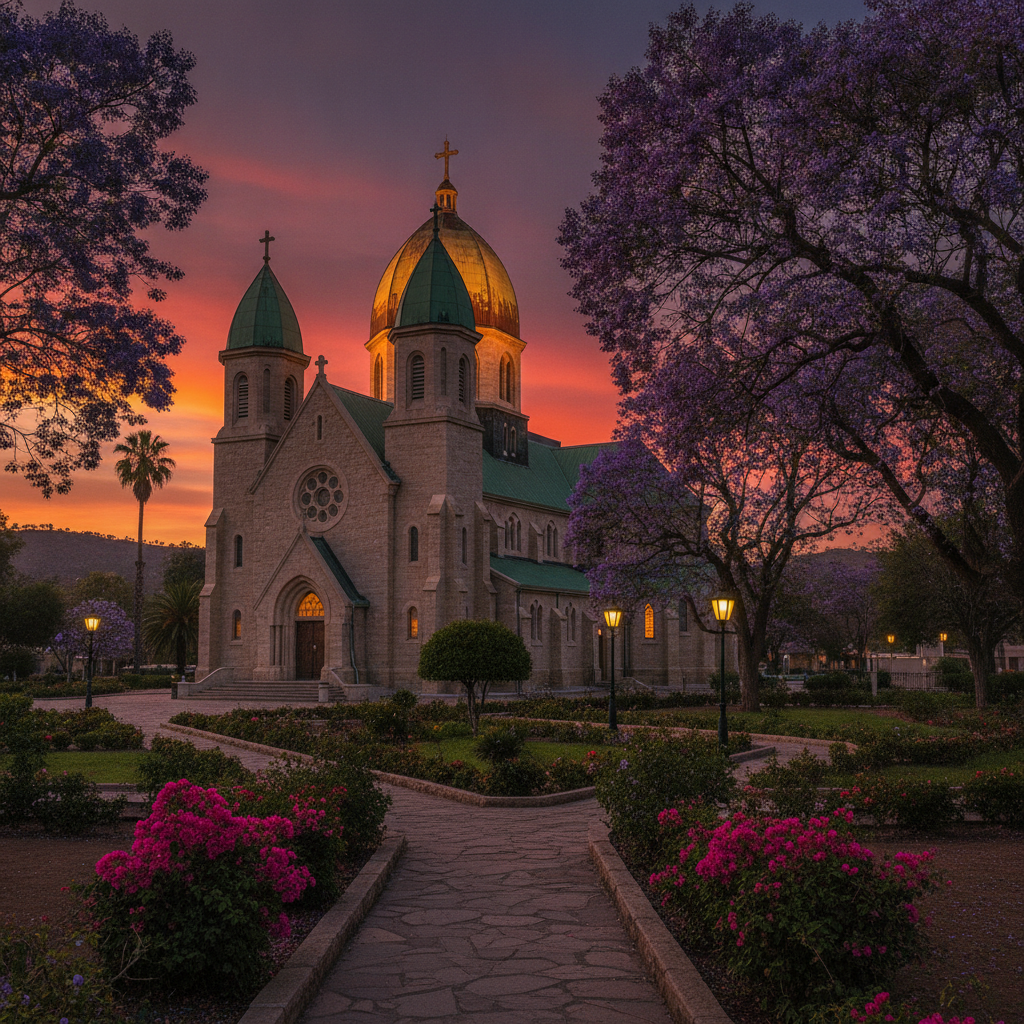
Windhoek: Himba People, San Bushmen, Skeleton Coast Seal Colony, Swakopmund German Town, and Fish River Canyon
Namibia culture and landscapes: the Himba semi-nomadic people of the Kaokoveld, San Bushmen tracking and rock art, the Skeleton Coast Cape Fur Seal colony, Swakopmund German colonial town, and the Fish River Canyon (the largest canyon in the southern hemisphere).
- 1
The Himba People - The Most Photographed Indigenous People in Africa
The Himba: a semi-nomadic Bantu-speaking people of the Kunene Region of northwestern Namibia (the Kaokoveld), estimated population approximately 50,000-80,000. The Himba are one of the last semi-nomadic pastoral peoples of southern Africa. The Himba women cover their bodies and hair with otjize (a mixture of butterfat and ochre pigment), giving their skin and elaborately braided hair a distinctive red-brown color. The Himba cultural practice: the omumborumbonga (the sacred fire maintained near the cattle enclosure of each Himba homestead): the fire connects the living with the ancestors. The Himba practice a bilateral descent system (two parallel descent lines). The Opuwo area (the main town of the Kunene Region, approximately 700 km north of Windhoek): the gateway to the Himba heartland. Responsible Himba tourism: the debate about the commodification of Himba culture for tourism, and the importance of community-based tourism operations that benefit the Himba community directly.
- 2
The San People of Namibia - Bushman Tracking and Rock Art
The San (Bushmen) of Namibia: one of the few remaining San communities in southern Africa maintaining significant elements of the traditional hunter-gatherer lifestyle. The San are the direct descendants of the earliest anatomically modern humans in southern Africa, with genetic evidence suggesting the San lineage is the oldest surviving human lineage on earth. The /Xam, !Kung, Ju/hoansi, and other San groups of the Kalahari borderlands of Namibia and Botswana. The Ju/hoansi San community at Tsumkwe (in the Otjozondjupa Region of northeastern Namibia): the primary destination for responsible San cultural tourism. The Bushmanland (now officially the Tsumkwe District West Conservancy): the San homeland in northeastern Namibia. The tracking skills of the San: the ability to read animal tracks, behavior, and signs in the landscape, one of the most sophisticated ecological knowledge systems documented. The Namibia Tourism Board has worked with San communities to develop community-based tourism operations.
- 3
The Skeleton Coast and the Cape Fur Seal Colony
The Skeleton Coast (the Atlantic coastline of northern Namibia and southern Angola): named for the whale and seal bones that littered the beach in the era of intense coastal whaling, and for the numerous shipwrecks caused by the treacherous combination of heavy fog, strong currents, and the rocky coastline. The Skeleton Coast National Park (the northern section of the park above the Ugab River): one of the most remote and dramatically wild landscapes in Africa, accessible only by fly-in safari. The Cape Cross Seal Reserve (approximately 120 km north of Swakopmund): one of the largest Cape Fur Seal (Arctocephalus pusillus) colonies in the world, with approximately 100,000-200,000 seals present at peak season (the breeding season November-January is the largest gathering). The Diego Cao Cross (a replica of the original stone cross erected by the Portuguese explorer Diogo Cao in 1486): the most significant European exploration monument on the Namibian coast.
- 4
Swakopmund - The Most German Town in Africa Outside Germany
Swakopmund: the primary coastal town of Namibia, approximately 360 km west of Windhoek on the Atlantic coast. Swakopmund has the highest concentration of German colonial architecture surviving intact anywhere in Africa: the Swakopmund Hotel and Entertainment Centre (the former railway station, 1901), the Old Post Office (the Kaiserliches Bezirksgericht, 1907), the Hohenzollernhaus (1906). The Swakopmund German community maintains its language, food culture, and social traditions to a remarkable degree: the Brauhaus am Strand, the Cafe Anton (serving Black Forest cake and German pastries), and the Swakopmund Museum. The Atlantic coast of Namibia is consistently cold (the Benguela Current, flowing north from Antarctica, keeps the water temperature at approximately 12-14 Celsius year-round): Swakopmund is a unique environment where the cold Atlantic meets the hot Namib Desert. The Swakopmund adventure sports (sandboarding on the dunes adjacent to the town, quad biking, skydiving over the dunes and Atlantic).
- 5
The Fish River Canyon - The Second-Largest Canyon in the World
The Fish River Canyon (in southern Namibia, approximately 700 km south of Windhoek near the town of Luderitz and Ai-Ais): the second-largest canyon in the world (the Bryce-Zion canyon system in Utah is technically longer, but the Fish River Canyon is the largest canyon in the southern hemisphere and in Africa). The canyon is approximately 160 km long, up to 27 km wide, and up to 550 meters deep. The Fish River Canyon Hiking Trail (the 85-km multi-day hike from Hobas viewpoint to Ai-Ais hot spring resort): available only May-September (too hot in summer). The canyon was formed by a combination of geological faulting and erosion over approximately 500 million years. The Ai-Ais Hot Springs (at the southern end of the canyon): the hot mineral springs fed by geothermal activity, the endpoint of the Fish River hike, with a resort and hot spring pools. The canyon viewpoints (the Hobas viewpoint and the Hell Bend view): the most dramatic views into the canyon.
- 6
Windhoek Neighborhoods and the Daily Life of the Namibian Capital
Windhoek daily life: the city is organized into a clear post-apartheid geography. The northern townships (Katutura: the apartheid-era Black township, literally meaning we do not want to stay in this place in Otjiherero): Katutura was established in 1962 when the colonial administration forcibly removed the Black population of the Windhoek Old Location. The Single Quarters (the area of Katutura where migrant workers lived in single-sex hostels during the apartheid era): now a vibrant informal commercial and residential area. The Windhoek Central Business District: Independence Avenue (the main street, lined with German colonial commercial buildings, international banks, and African craft shops). Wernhil Park Mall and the Maerua Mall: the primary indoor shopping destinations. The Windhoek food scene: the Namibia Craft Centre (in the Old Breweries building): the primary African craft and artwork market in Windhoek.
Walk this route with audio
Stories play automatically as you reach each stop — no tapping needed.
More in windhoek
Windhoek: Okahandja Herero Memorial, Ovambo Culture, Namibian Art, Luderitz Penguins, and Independent Travel Guide
Windhoek: Walvis Bay Flamingos, Sossusvlei Geology, Twyfelfontein UNESCO Rock Engravings, Caprivi Strip, and Photography
Windhoek Final Legacy: Namibia Economy, Itinerary Planning, Community Conservancies, Cultural Diversity, and the Complete Reference
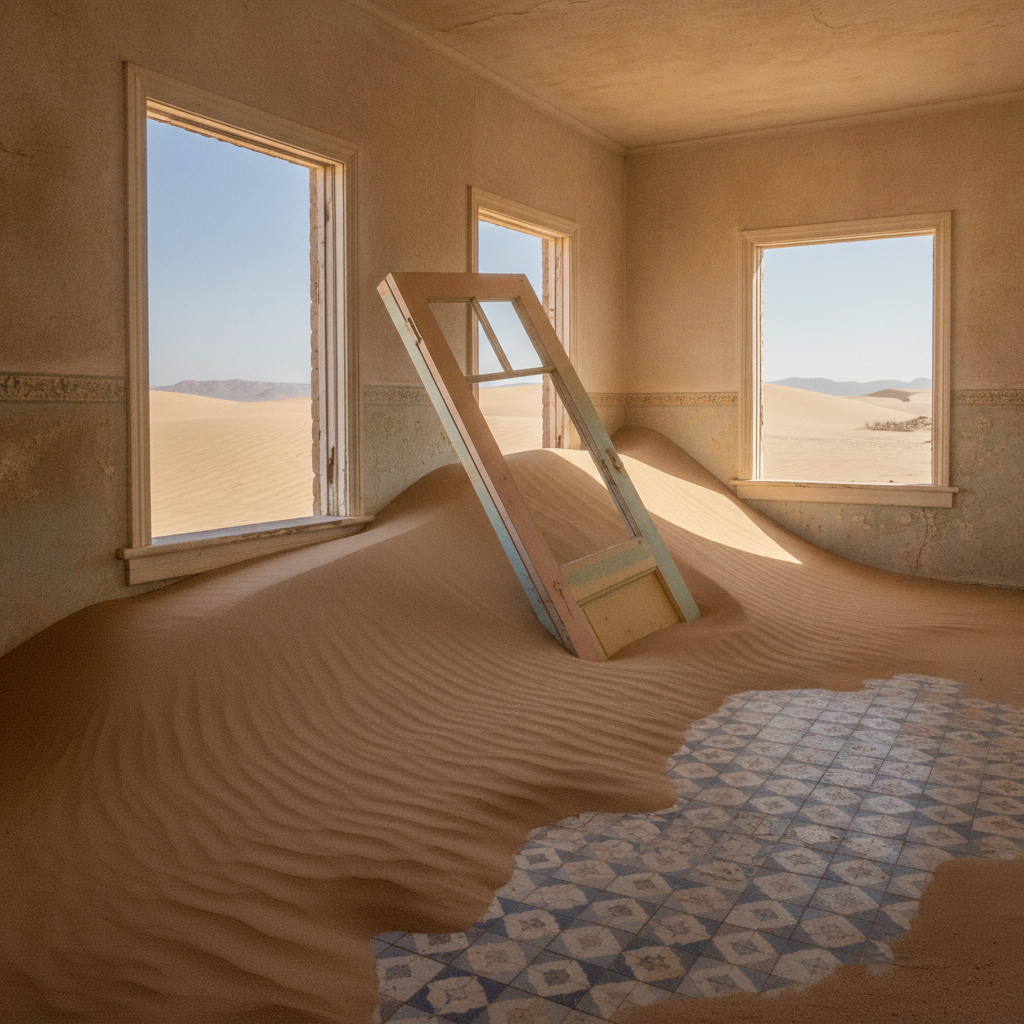
Windhoek: SWAPO Independence, Cheetah Conservation, Namibia Stargazing, Kolmanskop Ghost Town, and Game Meat Cuisine