Willemstad History and Identity: The Colonial Legacy, Slave Trade Reparations, Venezuelan Diaspora, Renaissance Resort, ABC Island Hopping, and the Korsou Identity
The historical and contemporary identity of Willemstad encompasses the four-century Dutch colonial legacy, the politically charged slave trade reparations debate, the growing Venezuelan diaspora, the Renaissance Resort luxury waterfront, the easy ABC island flight connections, and the Papiamentu Korsou identity that anchors the island community in its own linguistic heritage.
- 1
Willemstad at 500: The Colonial Legacy
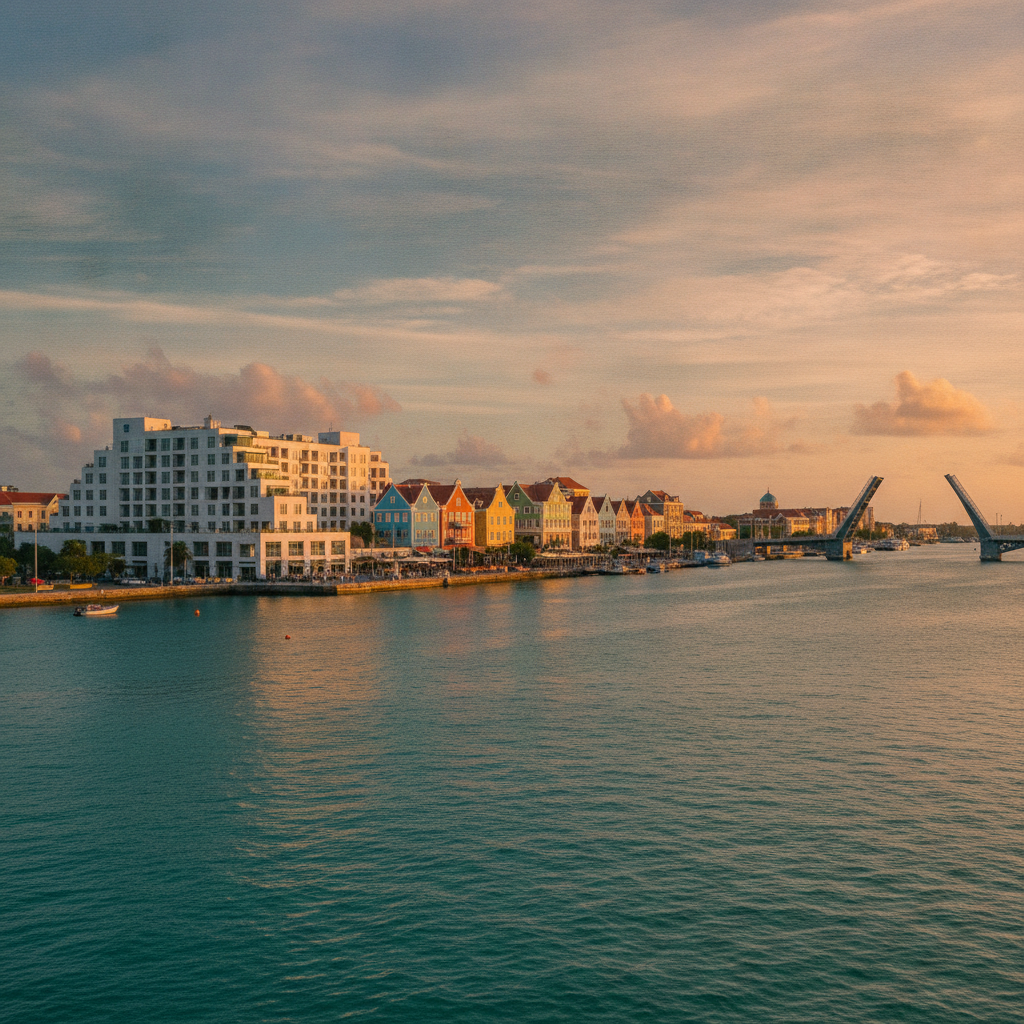
Willemstad, established as the capital of the Dutch West India Company's Caribbean operations in 1634 when the Dutch seized the island from Spain, has served as the commercial hub of the southern Caribbean for nearly four centuries, making it the oldest continuously inhabited Dutch colonial city in the Americas and the most complete surviving example of the Dutch Golden Age colonial urban planning in the tropical context. The UNESCO World Heritage listing of 1997 recognized this singular status.
- 2
The Slave Trade and Reparations Debate
Curacao was one of the most important transshipment points in the Dutch Atlantic slave trade, with the Willemstad market selling approximately 140,000 enslaved Africans between 1650 and 1790 and the slave trader houses of the Otrobanda becoming the most profitable buildings in the Dutch Caribbean. The contemporary reparations debate in Curacao and the Netherlands, intensified by the 2023 apology of the Dutch Prime Minister for the Netherlands role in the slave trade, has made the Willemstad slave trade heritage one of the most politically charged historical narratives in the Dutch kingdom.
- 3
Curacao Seniors: The Venezuelan and Colombian Diaspora
The Curacao population of approximately 150,000 includes a significant Venezuelan and Colombian diaspora that has grown substantially since the Venezuelan economic crisis of 2015, creating a Spanish-speaking layer in the historically Dutch and Papiamentu-speaking island society. The Venezuelan influence is visible in the Willemstad street food, the Spanish-language churches and schools, and the Venezuelan ingredients in the Curacao food market.
- 4
Renaissance Curacao: The Luxury Waterfront
The Renaissance Curacao Resort in the Otrobanda district, the largest luxury hotel in Willemstad with the private island beach, the spa, the casino, and the waterfront restaurants, represents the high-end accommodation anchor of the Willemstad tourism infrastructure. The Renaissance private island, accessible by a 5-minute water taxi from the hotel dock, is the only guaranteed Caribbean island beach experience within the metropolitan area of a Dutch Caribbean capital.
- 5
Willemstad to Aruba: The ABC Hop
The Curacao to Aruba domestic flight by Caribbean Airlines or Divi Divi Air takes 30 minutes and connects the two most visited ABC islands in a straightforward hop that requires no advance visa or customs formality within the Dutch Caribbean zone. The Curacao to Bonaire connection by Divi Divi Air small aircraft takes 20 minutes. The combination of two or three ABC islands in a single itinerary is the most efficient way to experience the southern Dutch Caribbean.
- 6
Korsou: The Local Name and the Local Identity
Korsou, the Papiamentu name for Curacao, is the identifier used by the island community in the Papiamentu language that most Curacao residents speak at home and in the informal social context. The island identity expressed as Korsou di mi alma, the island of my soul, reflects the deep emotional attachment of the Curacao population to the island that has resisted the full absorption into the Netherlands metropolitan culture despite the constitutional integration into the Kingdom of the Netherlands.
Walk this route with audio
Stories play automatically as you reach each stop — no tapping needed.
More in Willemstad
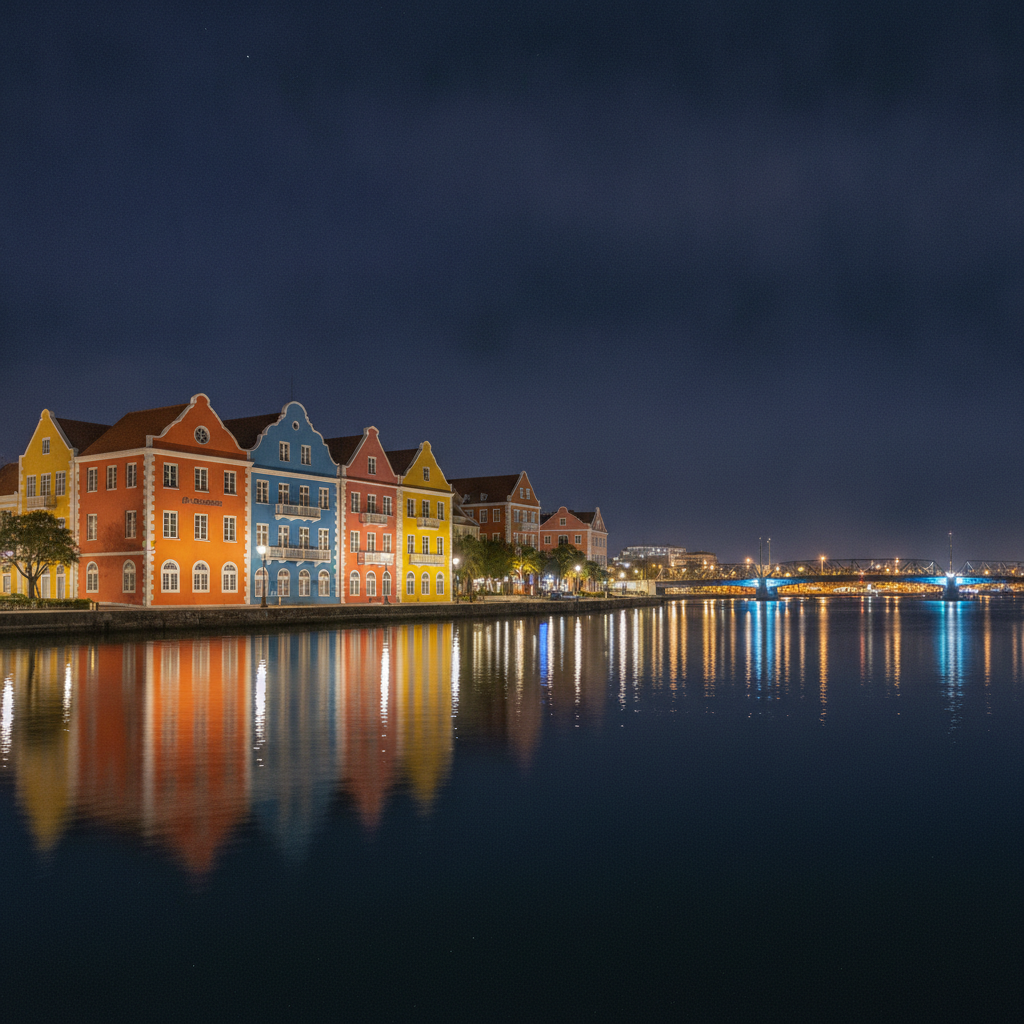
Willemstad Culture and Food: Funchi and Stoba Creole Kitchen, Contemporary Art, the Superior Producer Wreck Dive, and the Handelskade by Night
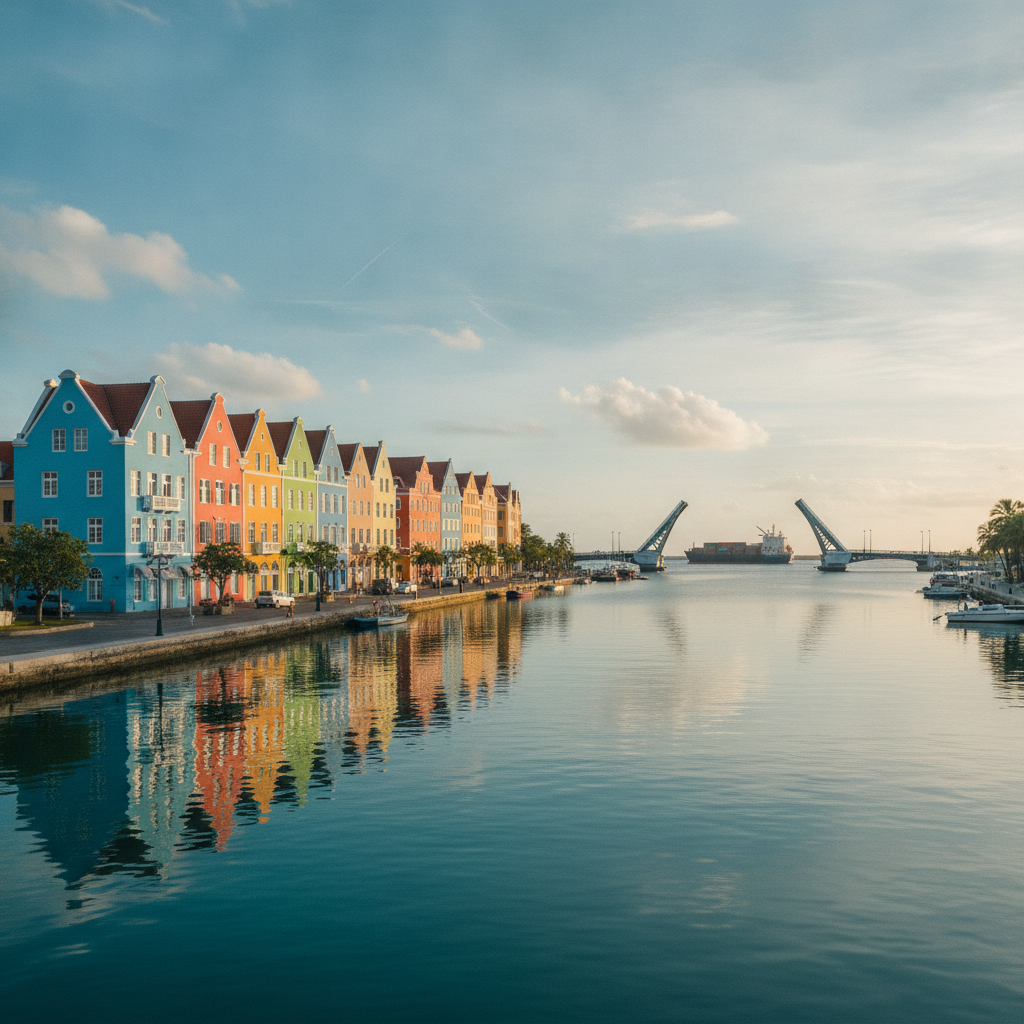
Willemstad: UNESCO Colonial Architecture, Blue Curacao Liqueur, the Americas Oldest Synagogue, and World-Class Shore Diving
Dutch Caribbean Beyond Curacao: Saba Diving, Sint Eustatius History, Bonaire Marine Park, the ABC Island Circuit, and the Best Willemstad Hotels
Curacao Beyond Willemstad: Christoffelpark, Flamingos, Cas Abao Beach, Keshi Yena Food, and the Caribbean Hub Airport
Willemstad Activities and Practical: Curacao Carnival, World-Class Shore Diving, Banda Abou Beaches, Kingdom of Netherlands Connection, Papiamentu, and Hato Airport