Warsaw Practical Guide — Transport, Seasons, the Vistula & Day Trips
Warsaw (52°N latitude, the most northerly major European capital after Helsinki and Stockholm, the continental climate producing hot summers and cold winters) is the largest and fastest-growing city in Central Europe, its infrastructure significantly improved since EU accession in 2004 and the economic growth since 1989.
- 1
When to Visit — May-June and September
Warsaw seasons: the city's continental climate creates genuine four-season character. Spring (April-May, temperatures 10-20 degrees, the Łazienki Park in bloom, the Easter celebrations — the most important Polish holiday — the Warsaw markets animated with the traditional Easter food, the accommodation at 20-30 percent below June-August prices), Summer (June-August, temperatures 22-32 degrees, the Vistula riverbank bars and beach clubs from mid-June, the free Chopin concerts every Sunday in Łazienki, the maximum tourist density in the Old Town and the museum queue management most challenging in July-August), Autumn (September-October, temperatures 10-20 degrees, the most recommended visiting period — the trees in the Łazienki Park and the Saxon Garden turning, the WARSAW FILM FESTIVAL in October the major annual cultural event, the tourist volume reduced but the cultural programme at full scale, the restaurant scene most competitive for quality), Winter (November-March, temperatures -10 to 5 degrees, the Christmas market on the Old Town Market Square and the Royal Route, the skating rink in the Palace of Culture courtyard, the city at its quietest and most local with the student population providing year-round activity, accommodation at minimum prices of €40-80/night for a 3-star hotel).
- 2
Getting to Warsaw and Around the City
Warsaw transport: the Chopin Airport (14km south of the city centre, the Airport City Rail — the SKM train to Warsaw Central in 17 minutes at €2, running every 10-15 minutes 5am-11pm, the most efficient airport link in Poland; alternatively the bus 175 to the city centre in 40-60 minutes at €1.50; taxis regulated at approximately €15-20 to the city centre, the Uber alternative typically €8-12); the Warsaw Centralna railway station (the central station adjacent to the Palace of Culture, the hub for the PKP trains to Kraków — 2h15m, to Gdańsk — 2h50m, to Wrocław — 3h, to Poznań — 2h45m, to Berlin — 5h30m, to Vienna — 7h on the EuroCity). City transport: the Metro (2 lines crossing at the Świętokrzyska interchange, Line 1 running north-south through the city centre, Line 2 running east-west from Praga to the residential west — the most efficient for the museum district and the Old Town area, €1.50 per journey, €3.50 for a 24-hour pass), the tram network (covering the Old Town boundary and the outer districts more comprehensively than the metro), and the Warsaw City Bike (the 360 docking stations, €0.20 per 20 minutes after the first 20 minutes free with the app registration — the bicycle the fastest and most independent mode for the 3-7km radius of the city centre).
- 3
The Vistula Riverbank — Warsaw's Summer Living Room
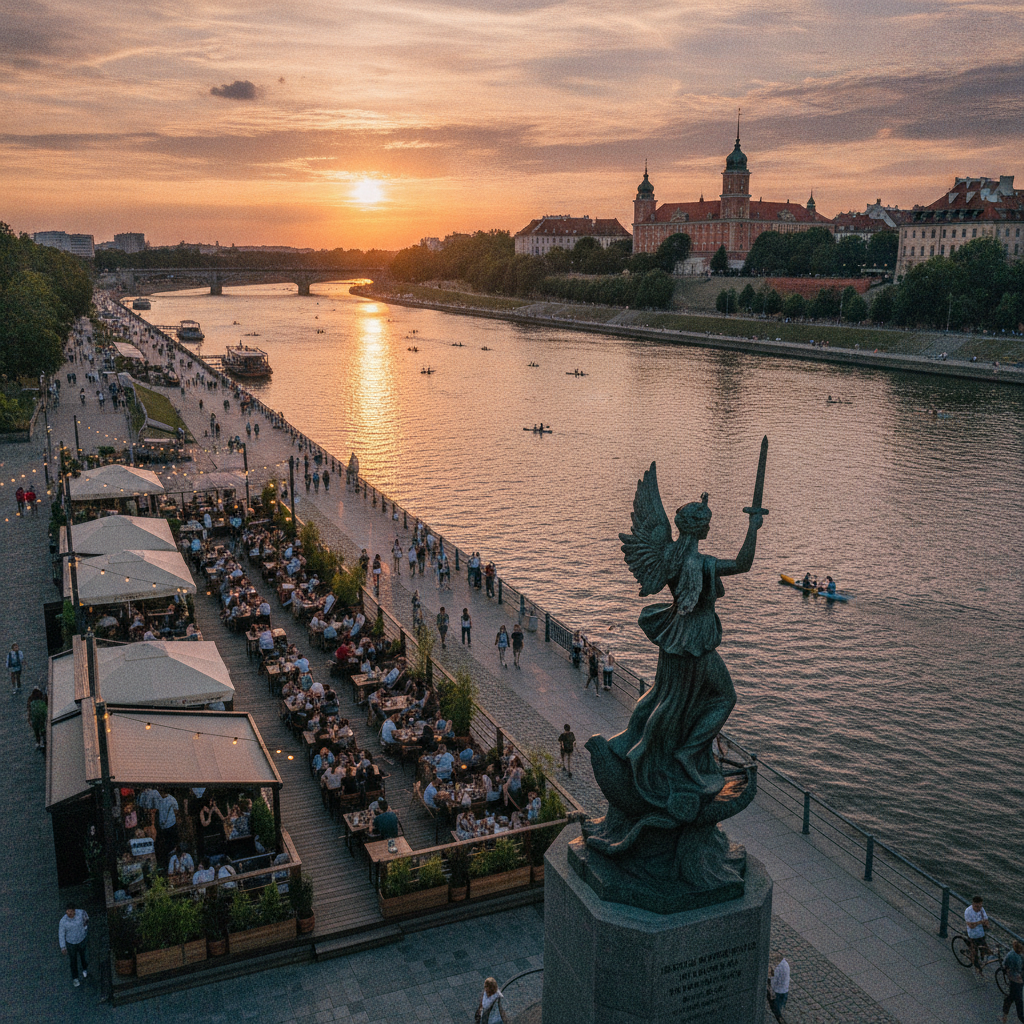
The Vistula Bulwary (the 4km promenade on the left bank of the Vistula from the Świętokrzyski Bridge to the Łazienkowski Bridge, opened in phases 2015-2020, the most significant public space investment in Warsaw since 1989, the promenade consisting of a cycling path, a pedestrian promenade, and the seasonal restaurant and bar strip that operates from May to September): the beach bars (the seasonal bars with sand floors and hammocks directly on the riverbank, open noon to midnight, the relaxed atmosphere entirely unlike the tourist infrastructure of the Old Town 500m away), the Vistula swimming (the Vistula river is monitored for water quality at the city beach points — the Blue Flag designation was achieved at the Saska Kępa right-bank beach in 2019, the swimming season officially June-August when the water quality readings are posted daily at the city website), and the kayaking circuit (the kayak rental available at the Bulwary from May to September at €10/hour, the paddle from the Bulwary under the Śląsko-Dąbrowski Bridge to the Old Town the most scenic urban kayak route in Poland). The Syrena sculpture (the Warsaw Mermaid, the 1939 bronze sculpture of the legendary founder of Warsaw — the mermaid who guided the fisherman Wars and the merchant Sawa to the site of the future city — on the Bulwary, the most appropriate meeting point for the evening on the Vistula).
- 4
Day Trips from Warsaw
Day trips from Warsaw by train or bus within 150km: Gdańsk (the Baltic port city, 2h50m by PKP Intercity, €15-25, the medieval port, the Solidarity Museum, the European Solidarity Centre, the amber jewellery workshops, the Westerplatte — the site of the first shots of World War II on 1 September 1939 — the most important Polish city after Warsaw and Kraków for historical significance), Toruń (the best-preserved medieval Hanseatic city in Poland, 1h50m by train, €12, the birthplace of Nicolaus Copernicus, the Gothic Old Town the most intact in northern Poland, the gingerbread — pierniki Toruńskie — the UNESCO-listed craft product of the city), Białowieża Forest (the primeval European forest on the Polish-Belarusian border, 3h by bus from Warsaw, the last remaining old-growth forest in the European lowland, the European bison (żubr) roaming wild in the forest, the Białowieża National Park with guided walking tours including the chance of a bison sighting, the UNESCO World Heritage Site), and Żelazowa Wola (Chopin's birthplace, 50km west of Warsaw, the PKP bus from the main bus station, 1 hour, the manor house where Chopin was born, the garden concerts on summer Sundays, free with the museum entry at €8, the correct Chopin pilgrimage for visitors who have already visited the Chopin Museum in Warsaw).
- 5
Warsaw Safety, Currency and Practical Notes
Warsaw practical notes for international visitors: Currency (the Polish złoty, PLN, not the euro — Poland is in the EU but has not adopted the euro, the exchange rate approximately €1 = 4.20-4.30 PLN in 2024-2025, the ATMs (bankomats) ubiquitous and the most cost-effective way to obtain cash, the card payments accepted at all restaurants, museums, and transport, the cash useful only at the flea markets and the milk bars), language (Polish is the language; English is universally spoken by anyone under 45 in Warsaw, the Old Town and museum staff reliably English-speaking, the milk bars and Praga markets less so — a translation app for the Polish-language menus of the milk bars the practical solution), Safety (Warsaw is one of the safer European capitals by crime statistics, the Old Town pickpocket risk comparable to Prague or Vienna — the usual precautions in crowded tourist spaces apply, the Praga district's reputation as unsafe significantly outdated since the 2010s gentrification, the district now the most vibrant restaurant and bar neighbourhood in the city). Tipping (the Polish tipping practice: 10 percent in sit-down restaurants where table service was provided, rounding up to the nearest 5 or 10 PLN in cafes, no tipping expected at the milk bar counter service, the tip added verbally when paying cash rather than on the card machine). The Warsaw Tourist Card (the 24-hour, 48-hour, and 72-hour passes including public transport and discounted or free museum entry, available at the airport, the main train station, and the tourist offices on the Royal Route).
- 6
The Saxon Garden and the Tomb of the Unknown Soldier
The Saxon Garden (Ogród Saski, the oldest public park in Warsaw, opened to the public in 1727 by August II the Strong, the formal Baroque garden with the central axial avenue, the sculptural programme of 21 allegorical figures representing virtues and seasons, the central fountain, the park 15.5 hectares in the heart of the city centre, free, open dawn to dusk) and the Tomb of the Unknown Soldier (the surviving arcade of the Saxon Palace — the palace demolished by the Germans in 1944, the single arcade retained as the frame for the Tomb of the Unknown Soldier, the eternal flame, the guards changed every hour on the hour, the ceremony of the guard change on Sundays at noon the most formal public ceremony in Warsaw, the ceremony watched by a crowd of 100-200 at the Piłsudski Square entrance) are adjacent destinations forming the east boundary of the city centre park system. The Piłsudski Square itself (the vast square renamed from the communist-era Victory Square, the square where Pope John Paul II celebrated Mass in 1979 in front of a crowd of 1 million people — the Mass considered the spiritual beginning of the Solidarity movement — the cross erected on the square now a permanent monument) is the most politically charged open space in Warsaw.
Walk this route with audio
Stories play automatically as you reach each stop — no tapping needed.
More in warsaw
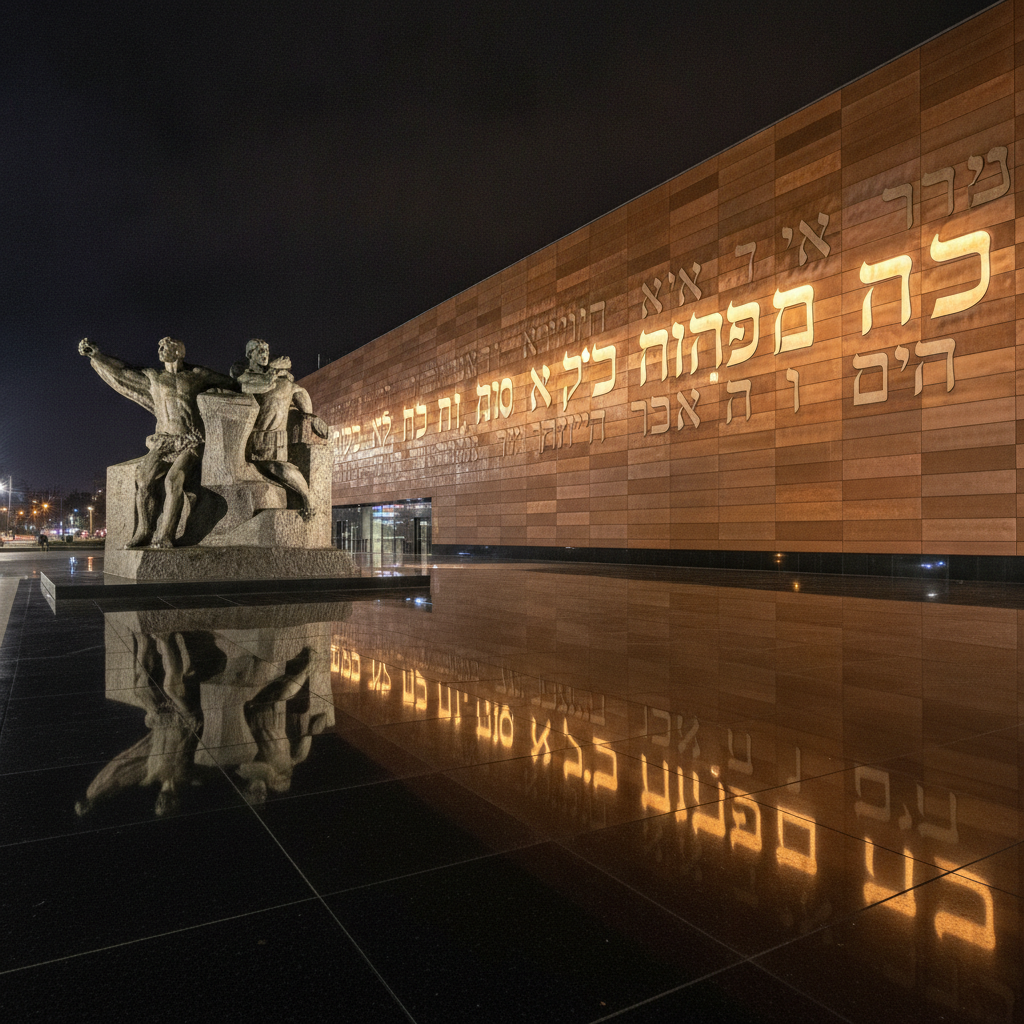
Warsaw Jewish Heritage — POLIN Museum, the Ghetto & the Uprising of 1943
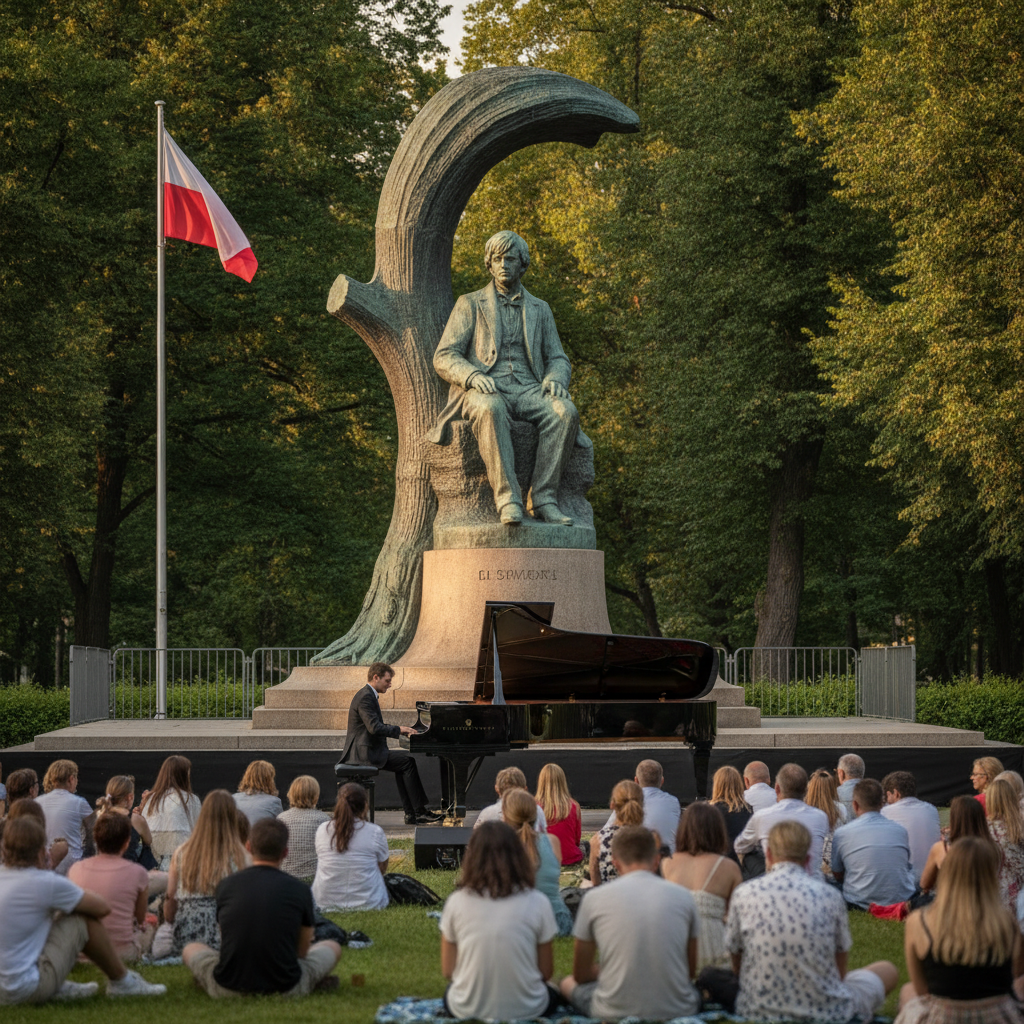
Warsaw Music & Culture — Chopin, Łazienki Park, the Palace of Culture & the Museum Circuit
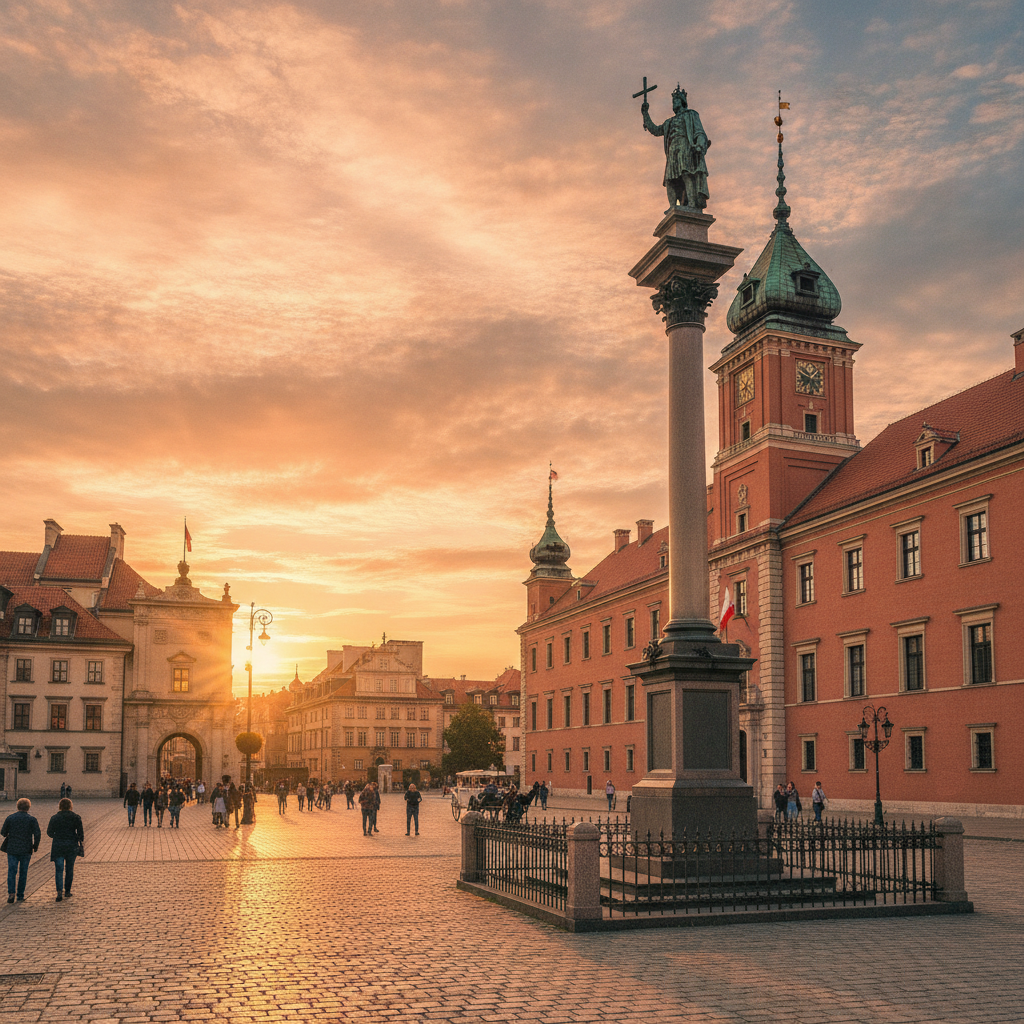
Warsaw Old Town — the Royal Castle, Sigismund Column & the Rebuilt Medieval City
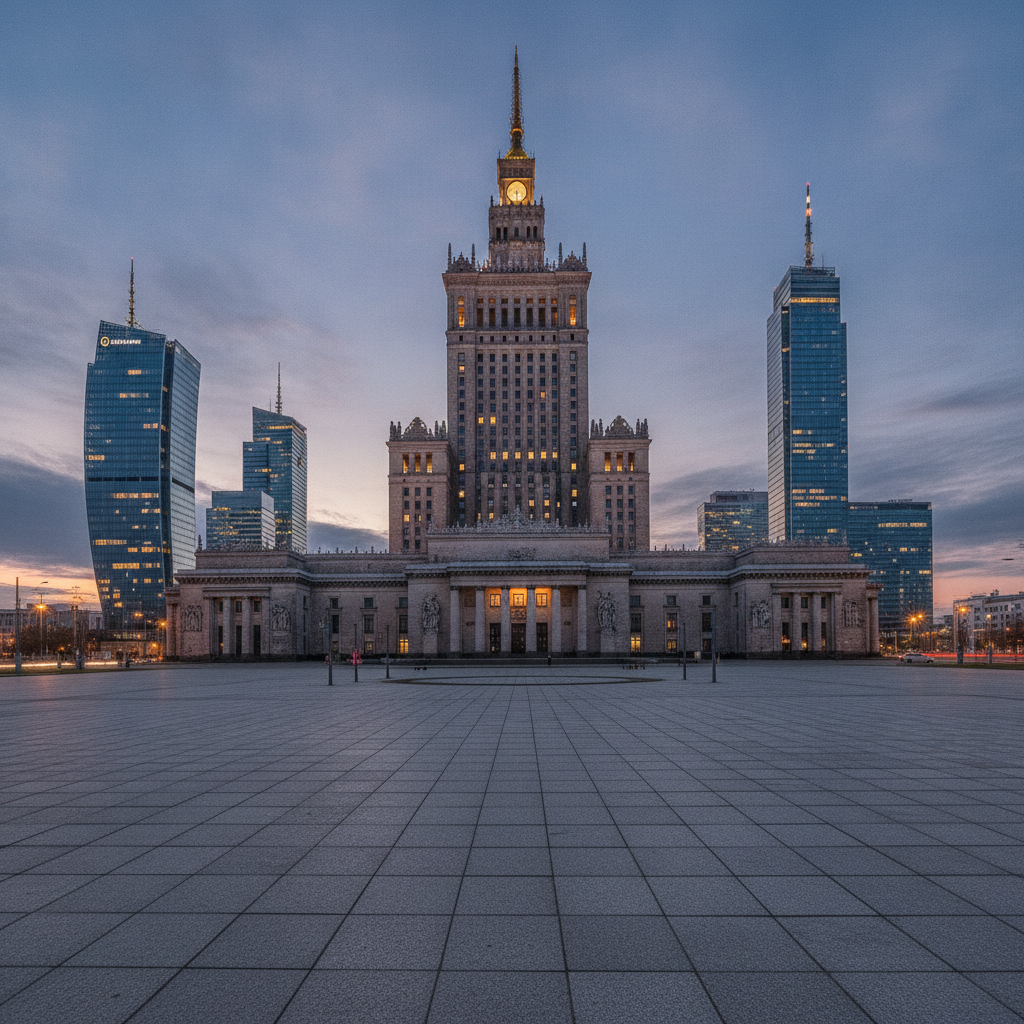
Warsaw Under Communism — the Palace of Culture, Solidarity & the Cold War City