Pablo Neruda's Valparaíso: The Poet and the Port
Pablo Neruda — Chile's Nobel Prize-winning poet and one of the 20th century's greatest writers — had a profound relationship with the Valparaíso-Viña del Mar coast; his house La Sebastiana in Valparaíso is the most personal of his three homes
- 1
Neruda's Life and Legacy
Pablo Neruda (1904-1973) - Nobel Prize in Literature (1971), Chilean diplomat, communist senator and the most read Spanish-language poet of the 20th century - had three houses in Chile: La Chascona (Santiago), La Sebastiana (Valparaíso) and Isla Negra (Isla Negra); all three are now museums that preserve his extraordinary personal collections
- 2
La Sebastiana Interior
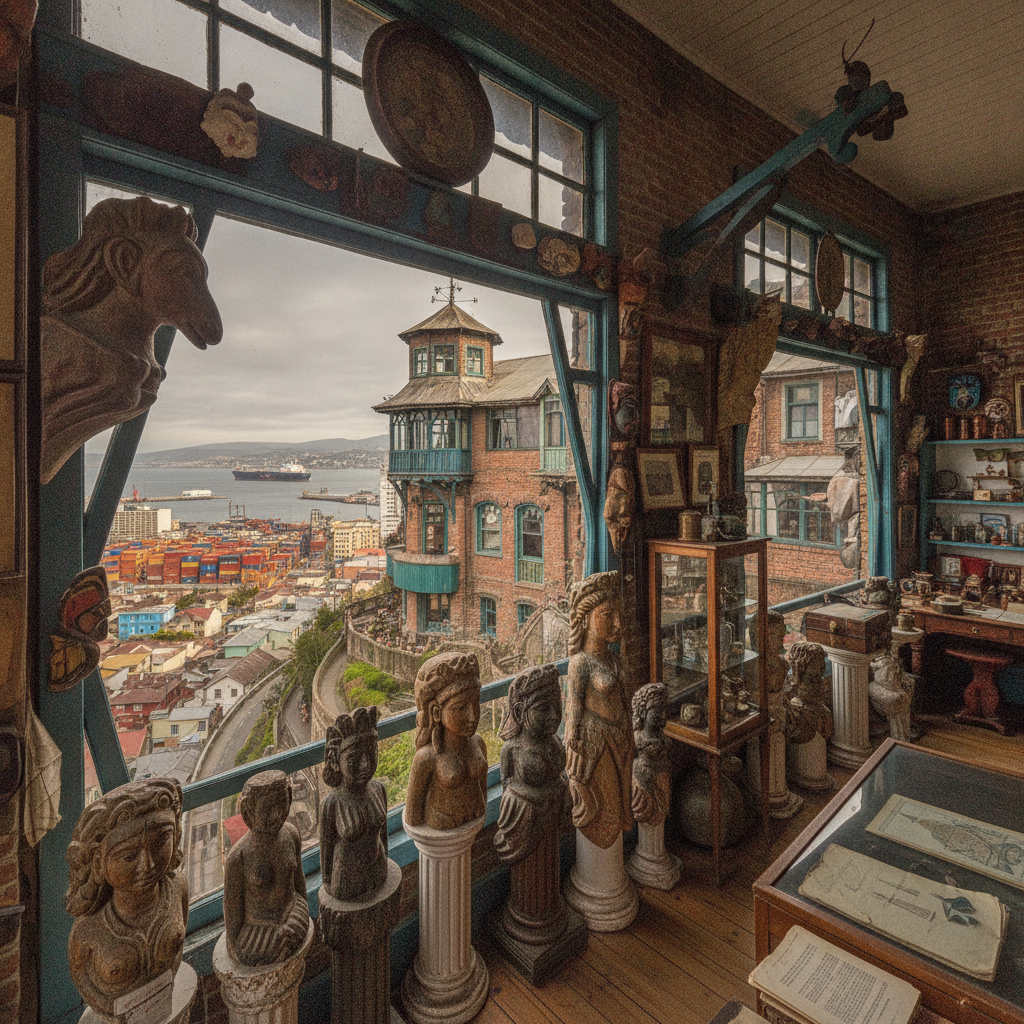
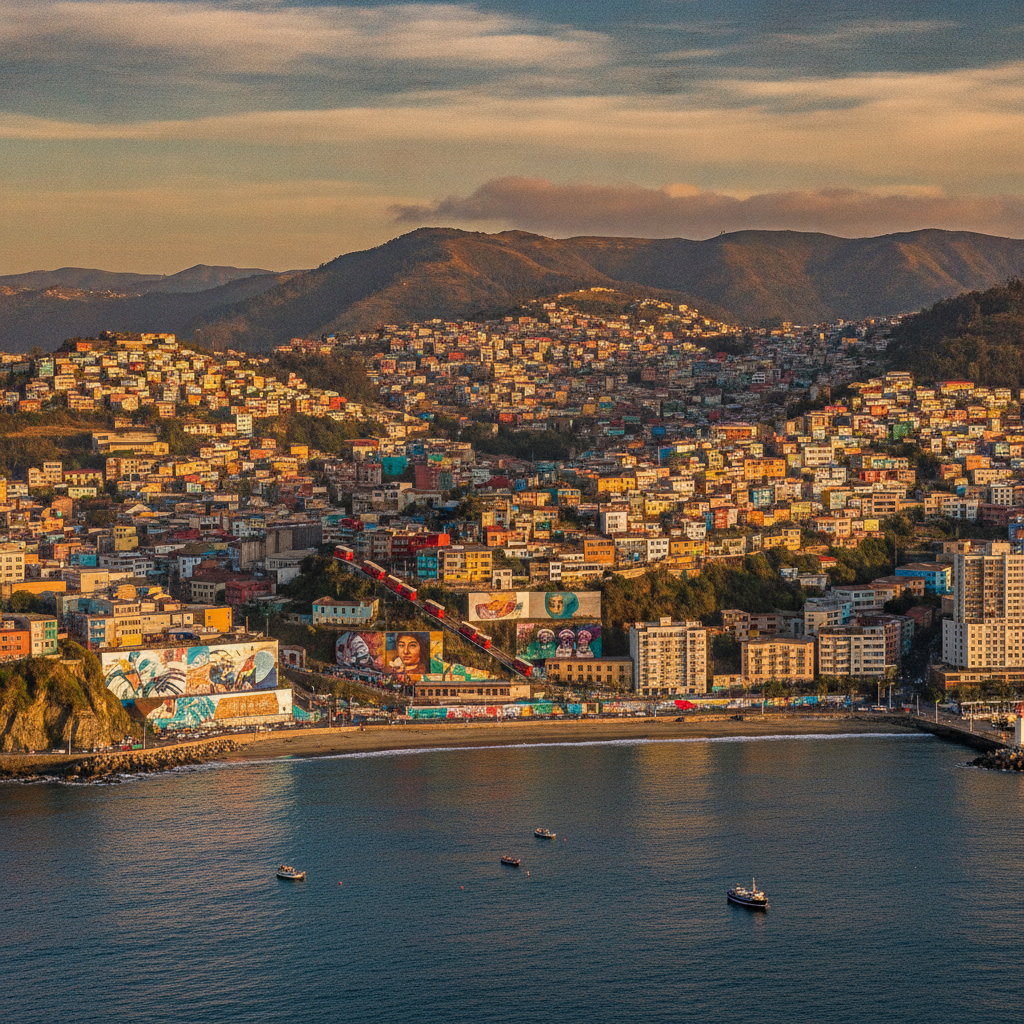
La Sebastiana – the five-story house on Cerro Florida in Valparaíso – is the most eccentric of the three Neruda houses; the poet collected ship's figureheads, compasses, maps and maritime objects that fill the house; the interiors (with their hidden bars, merry-go-round horses and panoramic windows over the harbor) reflect the poet's playful, surreal approach to the domestic space
- 3
Isla Negra Coastal House
Isla Negra — the coastal village 85 km south of Valparaíso — was Neruda's favorite home and the place where he is buried (with his wife Matilde Urrutia); the house on the cliff above the Pacific Ocean has the largest of his collections and the most direct relationship with the sea that permeates his poetry; the view from the terrace of the house over the breaking Pacific waves is the visual embodiment of his greatest poems
- 4
Twenty love poems
Neruda's "Twenty Love Poems and a Song of Despair" (1924)—written when he was 19—is the best-selling collection of poems in the Spanish language; the intense romance of the poems, their direct eroticism and their vivid physical images of the Chilean landscape (rain, sea, night, stars) created a new standard for Spanish-language love poetry that has never been surpassed
- 5
Neruda and politics
Neruda's Nobel Prize (1971) was complicated by his membership in the Communist Party, his support for Salvador Allende's socialist government, and his role as Chile's ambassador to France; he died 12 days after the Pinochet coup in 1973; the question of whether Neruda was murdered (rather than dying of prostate cancer) remains open; a Spanish court investigation found evidence of foul play
- 6
Literary Tourism Circuit
The Neruda houses form the basis of a literary tourism circuit connecting Santiago (La Chascona), Valparaíso (La Sebastiana) and Isla Negra; the three houses together document Neruda's life, his collections, his relationships and his relationship with the Chilean landscape; the circuit is the most rewarding literary tourism experience in South America
Walk this route with audio
Stories play automatically as you reach each stop — no tapping needed.
More in Viña del Mar

Viña del Mar's Nightlife and Festival Culture
Casablanca Valley: Chile's Cool-Climate Wine Country
Viña del Mar: Chile's Garden City by the Sea
Viña del Mar and Valparaíso: Twin Cities by the Pacific
Viña del Mar Seafood: The Humboldt Current's Bounty