Victoria Falls Final Legacy: Moonbow, Zimbabwe Hyperinflation, Night Safari, Stone Sculpture, Ndebele Culture, and the Complete Reference
Victoria Falls closing routes: the sensory experience (sound, spray, moonbow), the Zimbabwe dollar hyperinflation story, the moonbow night walk, Zimbabwe stone sculpture and the Tengenenge tradition, the Ndebele people of Matabeleland, and the six-route complete Victoria Falls and Zimbabwe reference.
- 1
The Sound of the Falls - Acoustic and Sensory Experience
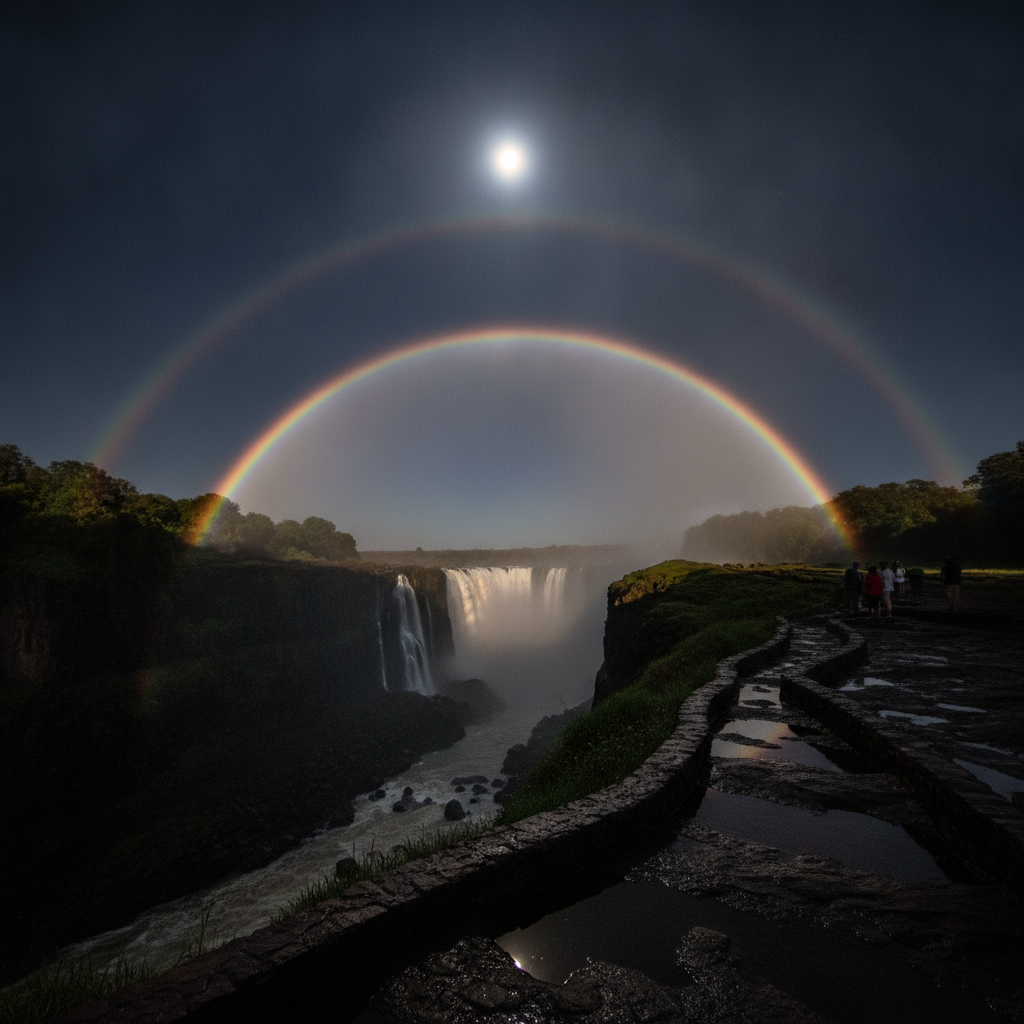
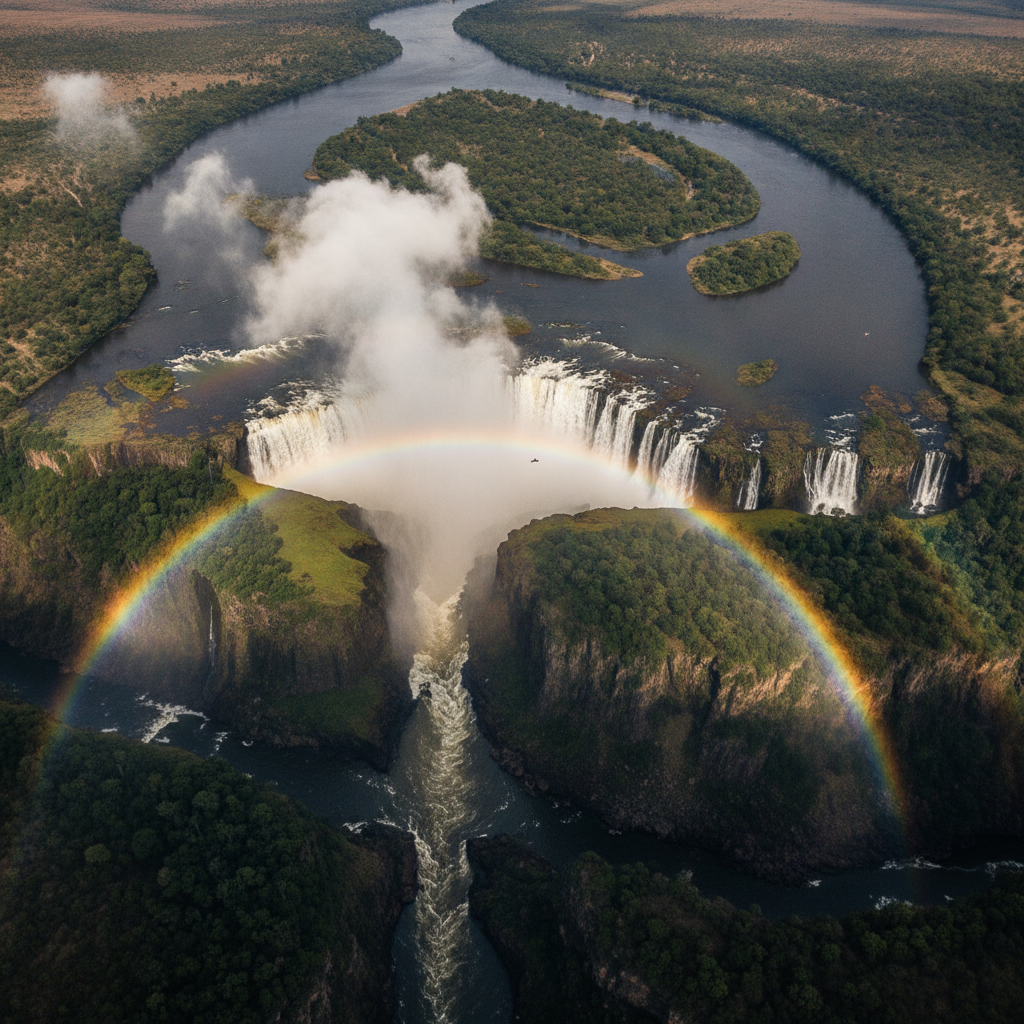
The sensory experience of Victoria Falls. The sound: the roar of the falls is audible from approximately 40 km away in still conditions; within the national park viewing area the sound is overwhelming (approximately 80-100 decibels at the closest viewpoints during high water). The spray: during peak flow (February-May) the spray cloud rises approximately 400-500 meters above the gorge and the viewing paths are completely drenched; visitors require rain ponchos and waterproof camera covers. The rainbow: the permanent rainbow in the Victoria Falls spray is created by the refraction of sunlight through the water droplets; it is visible from approximately 8:00am onwards and is occasionally a full double rainbow. The moonbow (the lunar rainbow): at full moon during the high water season (March-May) the moonbow appears in the spray of the falls after dark, one of the rarest natural optical phenomena in the world. The moonbow at Victoria Falls is one of only a handful of locations on earth where this phenomenon is reliably visible.
- 2
The Zimbabwe Dollar Hyperinflation - The Most Extreme Currency Collapse
The Zimbabwe hyperinflation of 2007-2008: the most extreme peacetime hyperinflation ever recorded in any country. The peak rate (November 2008): an estimated 89.7 sextillion percent (8.97 x 10 to the 22nd power) per month, meaning that prices were doubling approximately every 24.7 hours. The Reserve Bank of Zimbabwe issued banknotes in increasingly absurd denominations: the USD 100 trillion Zimbabwean dollar note (approximately worth USD 0.40 at the time of issue) became the most famous banknote in the world. The causes: the collapse of commercial agriculture from the land reform program, the loss of export earnings, the government printing of money to fund the war in the Democratic Republic of Congo (the Second Congo War 1998-2003: Zimbabwe intervention cost approximately USD 1 million per day), and the declining tax base. The solution: in 2009 the Zimbabwean dollar was abandoned and replaced by a multi-currency system using the US dollar, the South African rand, the Botswana pula, and other regional currencies.
- 3
The Full Moon at Victoria Falls - Night Safari and the Moonbow
Night experiences at Victoria Falls. The moonbow night walk (full moon, high water season March-May): the guided night walk to the falls viewpoints on the night of the full moon, the only regular opportunity to view the lunar rainbow at Victoria Falls. The night game drive (the Zambezi National Park night drive): spotlighting for nocturnal wildlife in the national park adjacent to Victoria Falls, with possible sightings of leopard, hyena, civet, genet, and bush baby. The Boma dinner (the Zimbabwe cultural dinner with traditional Zimbabwean food, music, and storytelling): the most popular evening entertainment option in Victoria Falls town. The open-air market on Livingstone Way in the Victoria Falls town: the craft market where Zimbabwean sculptors, weavers, and woodcarvers sell their work; the Zimbabwe stone sculpture tradition (the Tengenenge sculpture community near Guruve, approximately 350 km from Victoria Falls) produces some of the most significant contemporary African sculpture.
- 4
Zimbabwe Stone Sculpture - The Tengenenge Tradition and African Art
Zimbabwean stone sculpture: one of the most significant contemporary African art forms, internationally recognized since the 1960s. The primary sculptural material: serpentinite (commonly called verdite or African wonderstone): the green, grey, and black metamorphic stone quarried in the eastern Zimbabwe highlands and in the Tengenenge area north of Harare. Tengenenge (approximately 350 km from Victoria Falls near Guruve): the sculpture community founded in 1966 by Tom Blomefield where the Zimbabwean stone sculpture tradition was first developed and promoted. Key Tengenenge artists: Joram Mariga (who introduced stone sculpture to Zimbabwe), Henry Munyaradzi (one of the most celebrated Zimbabwean sculptors internationally), Thomas Mukarobgwa. The Harare Gallery and the National Gallery of Zimbabwe (Harare): the primary institutions promoting Zimbabwean sculpture internationally. The Victoria Falls craft market is the most accessible place to purchase Zimbabwean stone sculpture for visiting tourists; the best pieces are by recognized artists from the Tengenenge community.
- 5
The Matabeleland Culture - The Ndebele People and the Zimbabwe Highland
The Ndebele people (the Matabele): the Zulu-speaking people of southwestern Zimbabwe (Matabeleland North and South provinces, including the Victoria Falls area). The Ndebele origin: the Ndebele are descended from the Zulu faction led by Mzilikazi kaMashobane who broke from the Zulu kingdom in approximately 1820 (after a conflict with Shaka) and trekked northward through the Transvaal into what is now Zimbabwe, establishing the Ndebele Kingdom (Matebeleland) with its capital at Bulawayo. The Ndebele Kingdom was conquered by the British South Africa Company forces in 1893 (the First Matabele War). The Ndebele language (isiNdebele): closely related to isiZulu, mutually intelligible to a significant degree. Bulawayo: the second city of Zimbabwe (approximately 440 km from Victoria Falls) and the historical capital of the Ndebele Kingdom, the most significant colonial-era built environment in Zimbabwe, and the most important Ndebele cultural center.
- 6
Victoria Falls Six-Route Final Legacy - The Wonder of the World Complete Reference
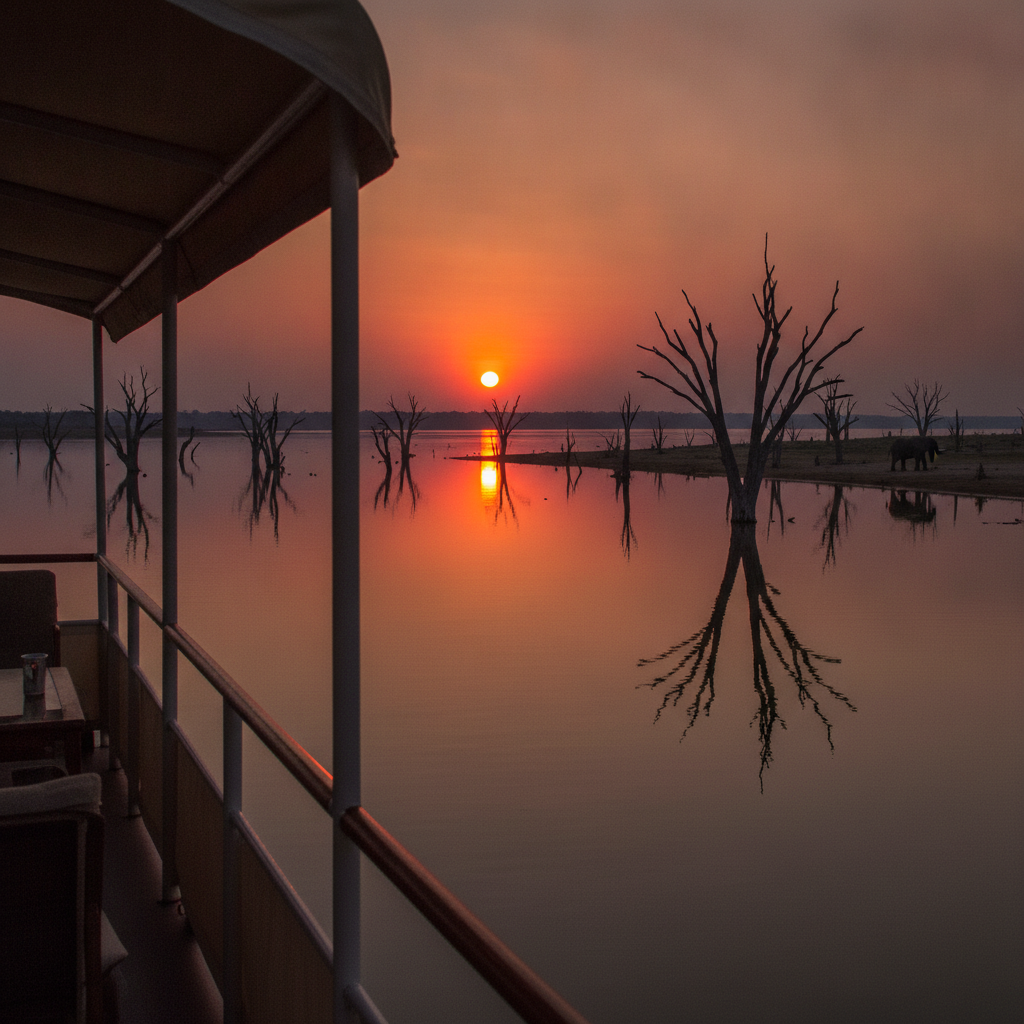
Victoria Falls six-route final complete. Route 1: Mosi-oa-Tunya physics and power, Livingstone discovery, Zambezi Grade 5 rafting, bridge bungee 111 meters, Chobe day trip, Zimbabwe vs Zambia practical (visa, season, accommodation). Route 2: Great Zimbabwe ancient Shona kingdom, Zimbabwe Mugabe land reform and hyperinflation, Hwange National Park (elephant, wild dogs, Cecil the Lion), Zambezi sunset cruise, KAZA five-country conservation. Route 3: Batoka Gorge geology (five erosion points), Okavango Delta access, Chobe 120,000 elephant concentration, Livingstone Zambia and Leya culture, Zambezi tigerfish fishing. Route 4: Devil Pool swimming at the falls edge, Cape to Cairo railway and bridge history, microlight flight, Victoria Falls Hotel 1904, Maramba cultural village. Route 5: Kariba Dam (world largest by volume) and Operation Noah, Zambezi National Park adjacent to town, Mana Pools UNESCO walking safari, Nile crocodile ecology, Kasane Chobe day trip. Route 6 (this route): the sensory experience of the falls (sound, spray, rainbow, moonbow), Zimbabwe dollar hyperinflation (the most extreme peacetime currency collapse), moonbow night walk, Zimbabwe stone sculpture (Tengenenge tradition), the Ndebele people of Matabeleland. Victoria Falls final: the most extraordinary natural spectacle in Africa; the thunder is heard 40 km away; the spray waters the permanent rainforest on the cliff edge; and on the night of the full moon the lunar rainbow turns the spray silver. Come once; come for a week.
Walk this route with audio
Stories play automatically as you reach each stop — no tapping needed.
More in victoria-falls
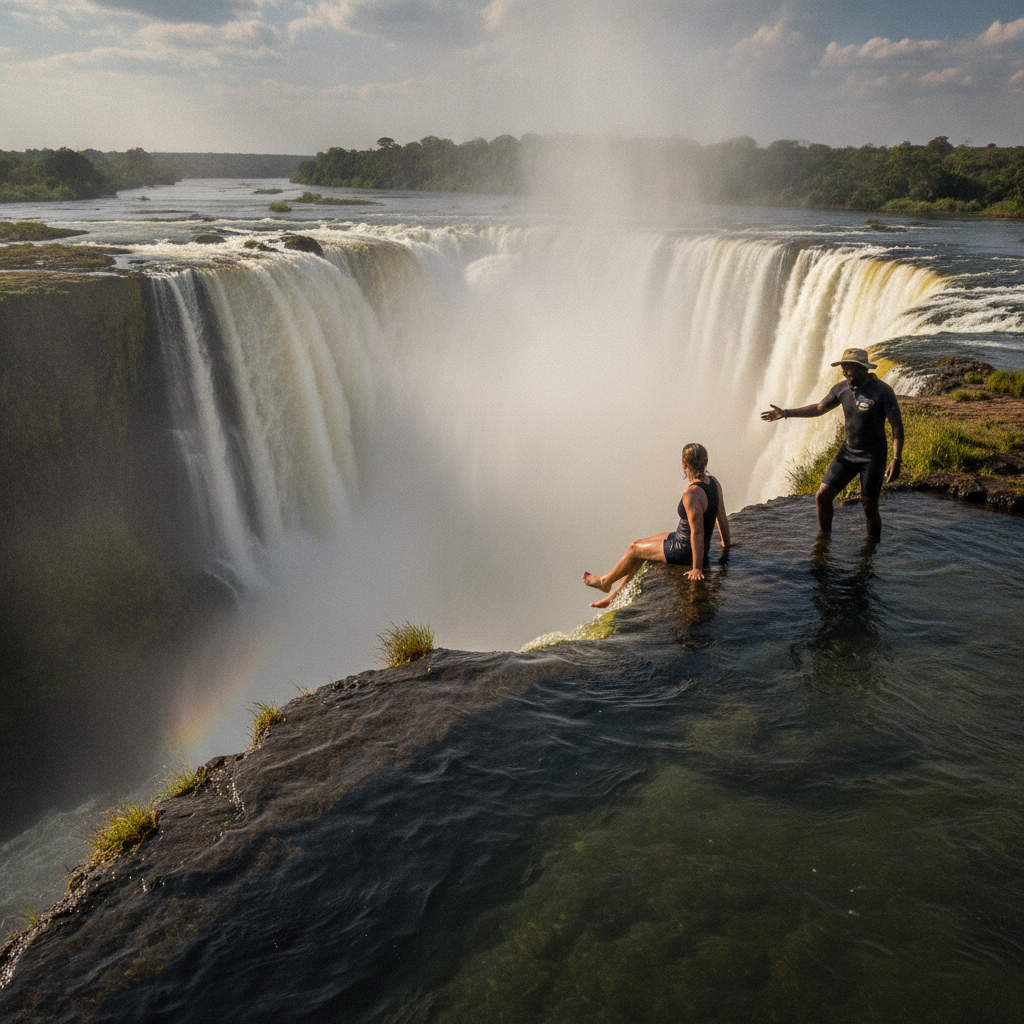
Victoria Falls: The Devil Pool, Cape to Cairo Railway, Microlight Flights, Victoria Falls Hotel, and Leya Culture
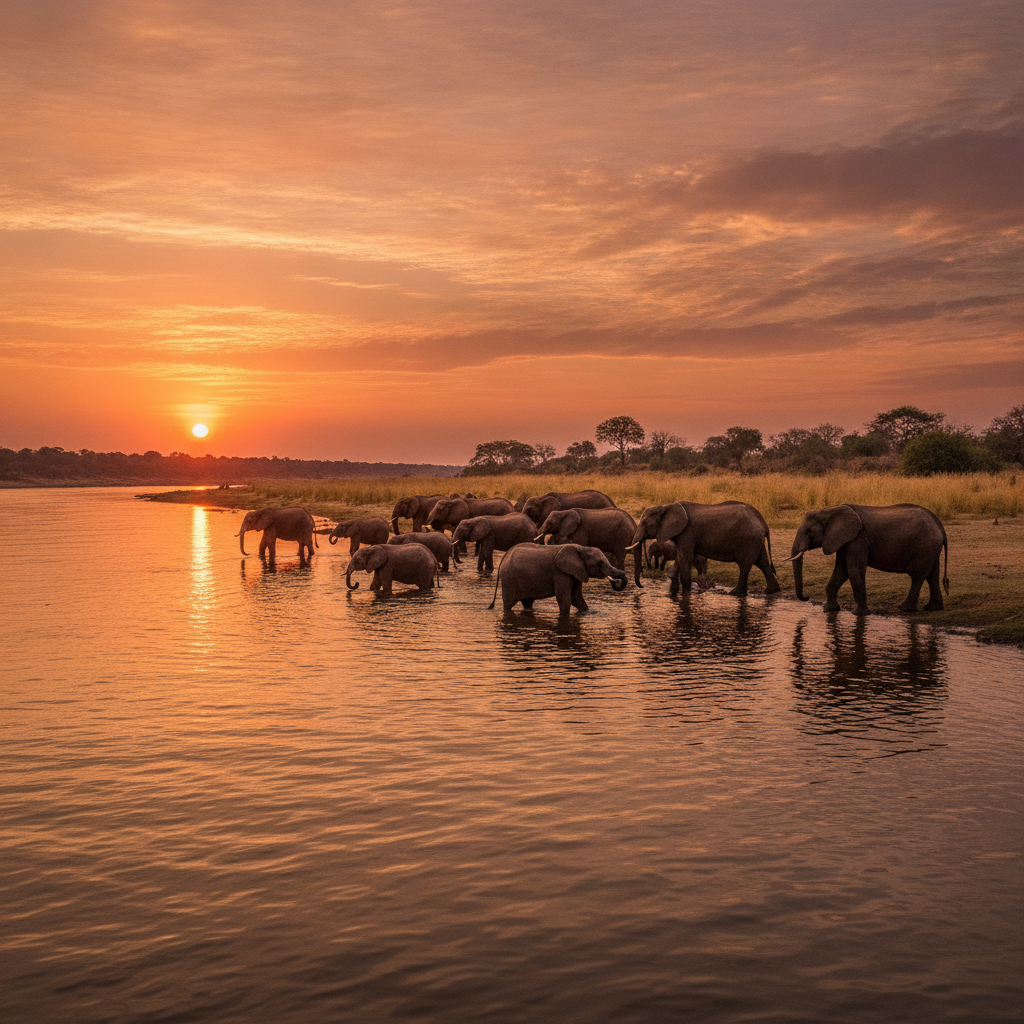
Victoria Falls: Batoka Gorge Geology, Okavango Delta, Chobe Elephants, Livingstone Zambia Culture, and Tigerfish Fishing
Victoria Falls: Great Zimbabwe UNESCO Monument, Mugabe Economic Collapse, Hwange Wildlife, Zambezi Sunset Cruise, and KAZA
Victoria Falls: The Smoke That Thunders, David Livingstone, Zambezi Rafting, Bungee Jump, Wildlife, and Practical Guide