Victoria Falls: Kariba Dam and Operation Noah, Zambezi National Park, Mana Pools, Nile Crocodile, and Kasane Day Trip
Victoria Falls region: the Kariba Dam and the Operation Noah wildlife rescue, Zambezi National Park safari from town, the Hwange and Mana Pools northern Zimbabwe circuit, Nile crocodile ecology, and the Kasane Chobe National Park day trip from Victoria Falls.
- 1
The Kariba Dam - The Largest Man-Made Lake in the World by Volume
Lake Kariba (approximately 250 km southeast of Victoria Falls): the largest man-made lake in the world by water volume (180 cubic km), created by the Kariba Dam on the Zambezi River (completed 1959). The Kariba Dam (the double-arch concrete dam, 128 meters high, 617 meters long): the engineering marvel of post-war Central Africa. The Operation Noah (1958-1964): the rescue operation to save the wildlife stranded on the islands created as the lake filled, led by the Zimbabwean wildlife ranger Rupert Fothergill. Approximately 6,000 animals of 35 species were rescued and relocated from the rising waters. Lake Kariba: the primary tiger fish sport fishing destination in Zimbabwe, the largest freshwater sport fishery in Africa. The Kariba houseboats: the fleet of houseboats anchored in the Matusadona National Park on the Zimbabwean shore of Lake Kariba, the most distinctive Kariba accommodation experience.
- 2
The Zambezi National Park - Wilderness Adjacent to the Falls
The Zambezi National Park (Zimbabwe): the wildlife reserve that protects the Zimbabwean bank of the Zambezi River for approximately 40 km upstream of Victoria Falls. The park entry (approximately 6 km from the Victoria Falls town): the park is accessible by bicycle or on foot from the town, making it the most easily accessible wildlife area from Victoria Falls. Wildlife commonly seen in the Zambezi National Park: elephant (daily sightings), buffalo, sable antelope, kudu, waterbuck, and occasionally lion. The Zambezi Drive (the gravel road along the river bank): 35 km of wildlife viewing. The Chamabondo pans (the artificial water holes within the park): the most reliable game viewing points during the dry season. The Victoria Falls National Park (the 2-km-wide strip of riverine forest and the rainforest immediately adjacent to the falls): the protected area containing the falls and the walking trails to the viewpoints. The raptor population of the Batoka Gorge: the Taita falcon (one of the rarest raptors in Africa, with a small breeding colony in the Batoka Gorge cliffs) and the augur buzzard.
- 3
The Northern Zimbabwe Circuit - Hwange, Mana Pools, and the Zambezi Escarpment
The northern Zimbabwe wildlife circuit from Victoria Falls. Hwange National Park (180 km east): the largest Zimbabwe national park, famous for elephants (40,000-50,000), wild dogs, and lions. The Hwange dry season pump: Zimbabwe Parks artificially pumps water to the Hwange water holes during the dry season (July-October); without this intervention the wildlife would disperse and the park would be largely empty during the primary tourist season. Mana Pools National Park (UNESCO World Heritage Site, approximately 350 km east of Victoria Falls): the extraordinary wilderness of the middle Zambezi Valley, where lions, elephants, hippos, and wild dogs are viewed at extremely close range by walking safari and canoe. Walking and canoeing safari in Mana Pools: the most physically immersive wildlife experience in Zimbabwe (walking among lions and elephants with an armed guide on foot). The Zambezi Escarpment (the 600-meter cliff that forms the southern edge of the Zambezi Valley): one of the most dramatic landscape transitions in southern Africa.
- 4
The Nile Crocodile and the Aquatic Ecology of the Zambezi
The Nile crocodile (Crocodylus niloticus): the largest crocodile species in Africa (adult males can reach 5-6 meters) and the apex aquatic predator of the Zambezi system. The Nile crocodile diet: primarily fish (the tiger fish, bream, and catfish of the Zambezi), but opportunistically takes large mammals (wildebeest, buffalo, and zebra at river crossings during the Serengeti migration are well documented). The crocodile thermoregulation: crocodiles are ectotherms (cold-blooded) and are most active at water temperatures above 20 Celsius; during the Zambezi winter (June-August) when the water drops to 15-18 Celsius, crocodiles are less active. The crocodile nest: the female buries approximately 40-60 eggs in a sandy nest on the riverbank in October-December; the temperature of the nest determines the sex of the offspring (above 32 Celsius produces males, below 31.7 Celsius produces females). The Nile monitor lizard (the large lizard of the Zambezi riverbanks, up to 2 meters long): the primary predator of crocodile eggs.
- 5
Botswana Day Trips from Victoria Falls - Kasane and the Chobe Riverfront
Kasane: the primary Botswana town near Victoria Falls (approximately 70 km south by road), the gateway to the Chobe National Park and the point where four countries meet (Zimbabwe, Zambia, Botswana, and Namibia: the Kazungula Four Corners). The Kazungula Bridge (completed 2021): the first bridge across the Zambezi at the Botswana-Zambia border (previously crossed by the Kazungula ferry), a significant infrastructure project for regional trade. The Chobe riverboat cruise from Kasane: the afternoon cruise upstream from the Kasane waterfront into the national park (most cruise companies operate from Kasane hotels and lodges directly onto the Chobe River). The Chobe safari lodge experience: staying in the Chobe lodges (the Chobe Safari Lodge, the Chobe Marina Lodge) for the combination of the dawn and afternoon game drives and the river cruise. The day trip from Victoria Falls to Chobe: organized by all Victoria Falls tour operators, approximately USD 150-200 per person including transport, entry fees, and the 3-hour riverboat cruise.
- 6
Victoria Falls Five Routes Legacy and the Southern Africa Multi-Country Route
Victoria Falls five routes complete. Route 1: Mosi-oa-Tunya waterfall physics (1,708 meters wide, 108 meters drop), Livingstone, Zambezi rafting, bridge bungee, Chobe, practical guide. Route 2: Great Zimbabwe UNESCO, Zimbabwe collapse under Mugabe, Hwange wildlife, Zambezi sunset cruise, KAZA conservation. Route 3: Batoka Gorge geology, Okavango access, Chobe elephant concentration, Livingstone Zambia, tigerfish. Route 4: Devil Pool at falls edge, Cape to Cairo railway and bridge history, microlight, Victoria Falls Hotel, Leya culture. Route 5 (this route): Kariba Dam and Operation Noah, Zambezi National Park, the northern Zimbabwe circuit (Hwange, Mana Pools), Nile crocodile ecology, Kasane and Chobe day trip. Route 6 needed: the final legacy route. The southern Africa multi-country route: Victoria Falls is the ideal hub for combining Zimbabwe (Hwange), Zambia (South Luangwa National Park), Botswana (Okavango and Chobe), and Namibia (Etosha and Sossusvlei) into a 14-21 day southern Africa safari circuit. Victoria Falls sits at the geographic center of this circuit and is served by multiple airlines from Johannesburg (the southern African aviation hub).
Walk this route with audio
Stories play automatically as you reach each stop — no tapping needed.
More in victoria-falls
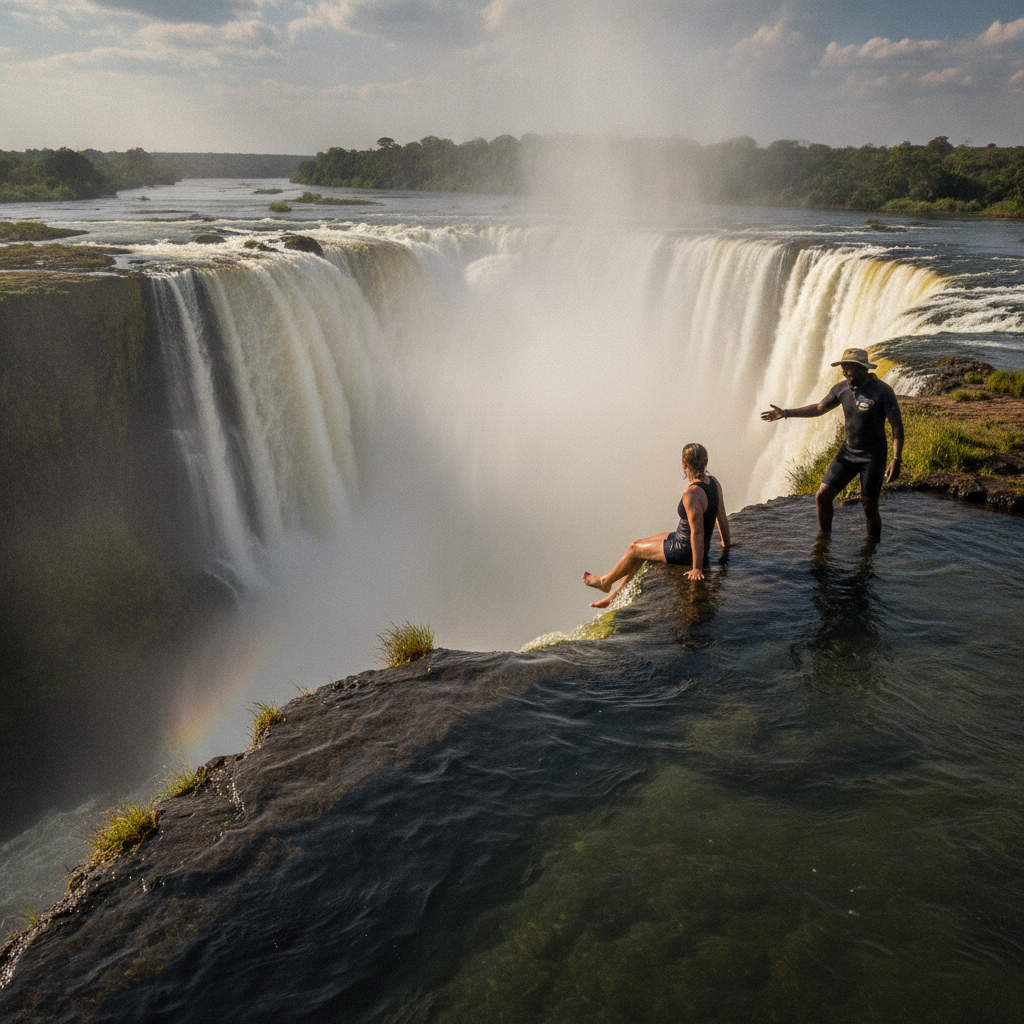
Victoria Falls: The Devil Pool, Cape to Cairo Railway, Microlight Flights, Victoria Falls Hotel, and Leya Culture
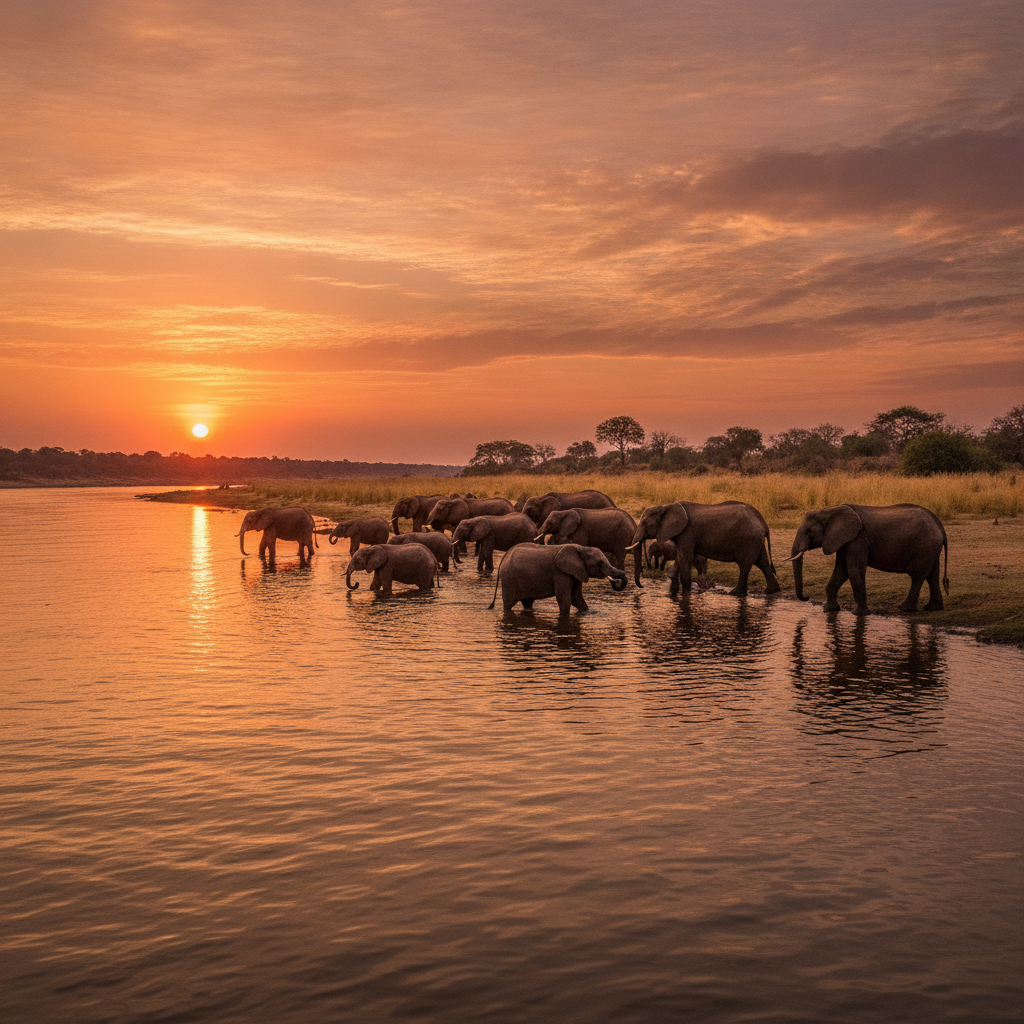
Victoria Falls: Batoka Gorge Geology, Okavango Delta, Chobe Elephants, Livingstone Zambia Culture, and Tigerfish Fishing
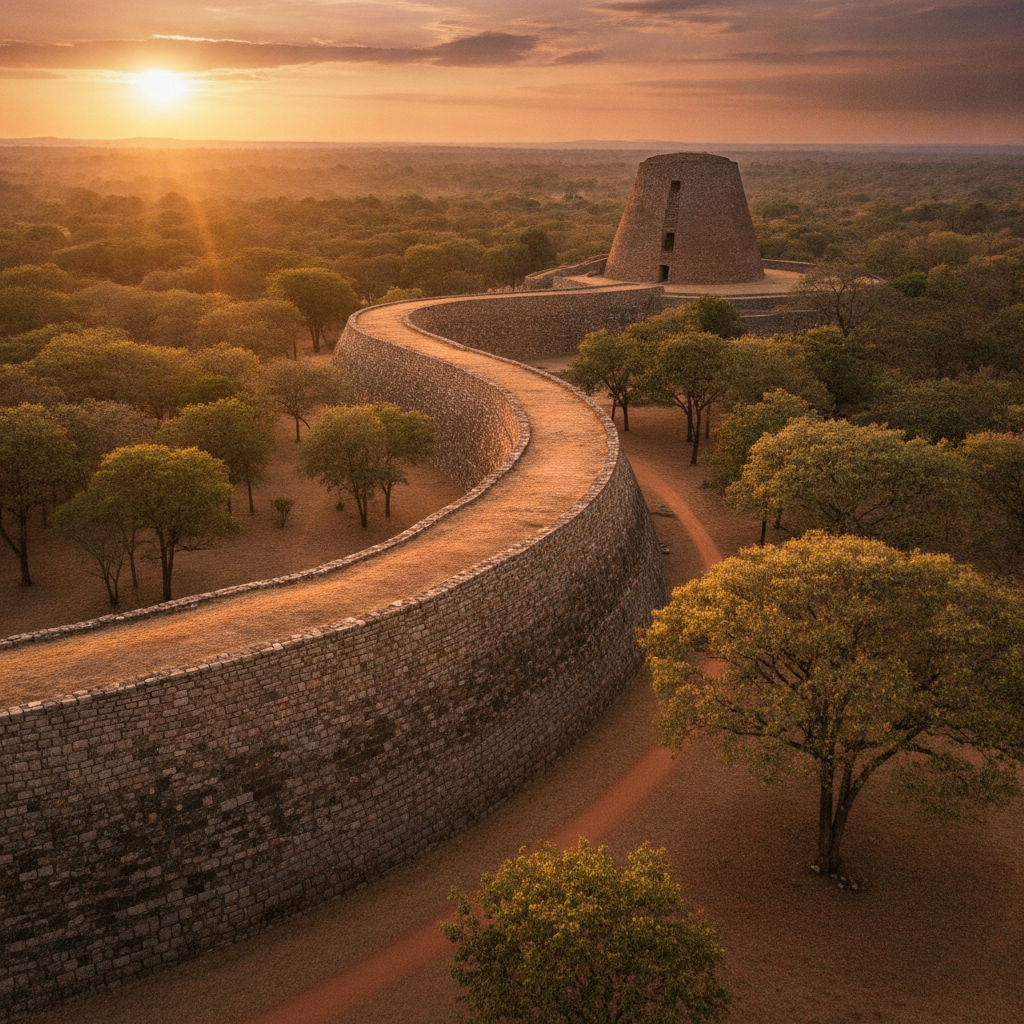
Victoria Falls: Great Zimbabwe UNESCO Monument, Mugabe Economic Collapse, Hwange Wildlife, Zambezi Sunset Cruise, and KAZA
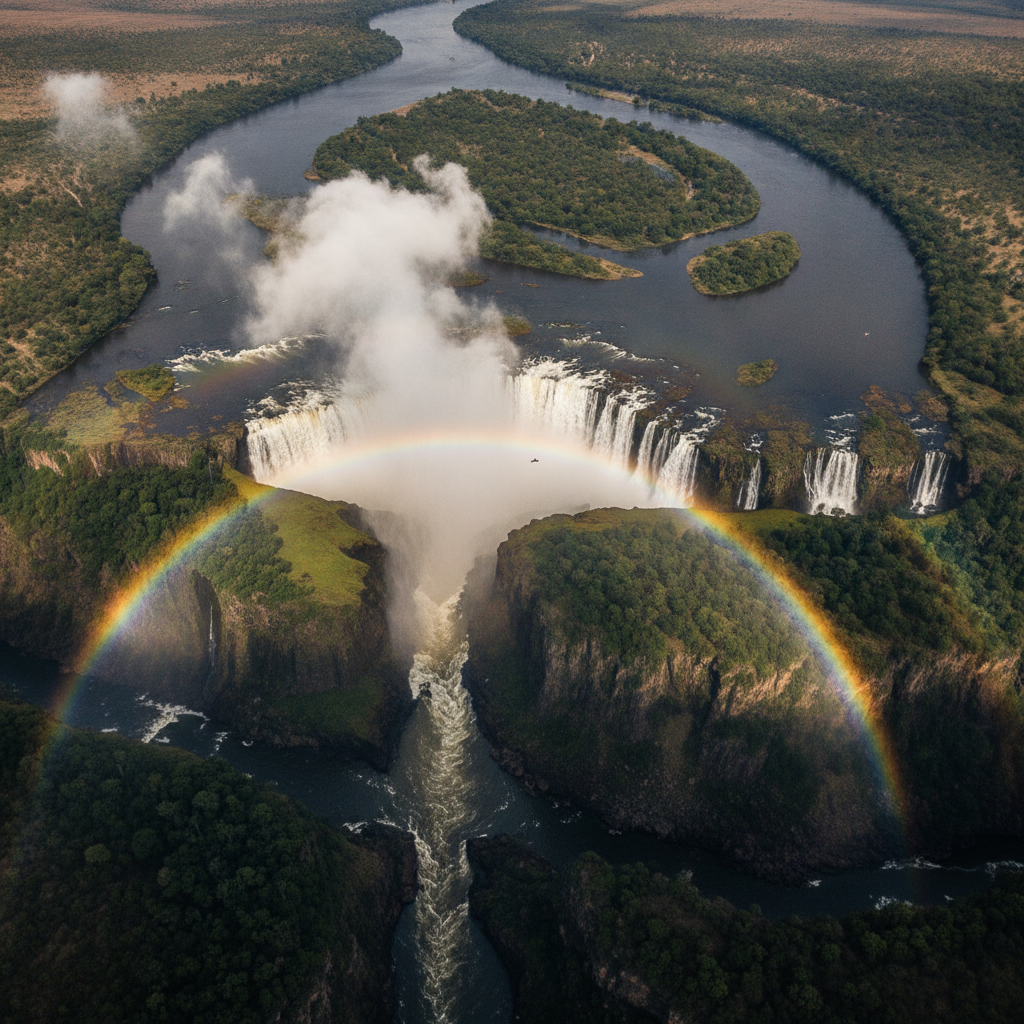
Victoria Falls: The Smoke That Thunders, David Livingstone, Zambezi Rafting, Bungee Jump, Wildlife, and Practical Guide