Victoria BC: The Naval Base Operating Since 1865, the Saturday Market That Is the Finest in Western Canada and the City Where Trumpeter Swans Gather in the Largest Non-Alaska Winter Concentration in the World
See the Esquimalt naval base that the Royal Navy established on the Pacific in 1865 and that has operated continuously for 160 years through every change in Canadian sovereignty and geopolitical alignment, take the 35-minute ferry to Salt Spring Island for the Saturday market at Ganges where 130 vendors sell island-made cheese and pottery and vegetables and art in what most visitors agree is the finest farmers market in western Canada, watch trumpeter swans winter in the Portage Inlet wetland in numbers that make Greater Victoria the largest non-Alaska winter concentration in the world because the mild climate allows them to feed through the season, kayak from the Inner Harbour into the Gulf Islands in a marine environment where orca and humpback whales share the channel with pleasure boats and fishing vessels, understand that the retired population that has made Victoria its destination has bid housing above 1 million for a detached house and priced service workers out of the same city, and hike the Juan de Fuca Marine Trail along 47 kilometres of old-growth Pacific coastal rainforest that would be world-famous if it were anywhere other than one province north of the Olympic Peninsula.
- 1
Victoria Arts Scene and Performing Arts
Victoria has a performing arts sector of unusual depth for a city of 375,000, anchored by the Victoria Symphony, founded in 1941 and performing at the Royal Theatre, a 1913 heritage building on Broughton Street, and the Pacific Opera Victoria, which presents three productions annually. The Belfry Theatre in the Fernwood neighborhood, a former church converted to a flexible performance space in 1975, is considered the most artistically ambitious theatre company in western Canada outside Vancouver, presenting a season of new works and world premieres. The Victoria Fringe Theatre Festival in late August is one of the larger fringe festivals in Canada. The Art Gallery of Greater Victoria in the Rockland neighborhood, housed in a 1898 Italianate mansion expanded with contemporary wings, holds significant collections of Japanese art, including the finest collection of netsuke and Japanese decorative arts on the Pacific Coast of Canada, alongside western Canadian and international art. The Legacy Art Gallery downtown presents University of Victoria collections. The First Peoples art collections at the Royal BC Museum include monumental works that represent the finest public collection of Northwest Coast Indigenous art in the world. The Victoria arts community is sustained by the retirement population that supports performing arts subscriptions, the University of Victoria graduate arts programs, and the quality-of-life attractions that draw creative professionals to the city.
- 2
Victoria Gorge Waterway and Historical Navigation
The Gorge Waterway, a tidal inlet that extends from the Inner Harbour northwest into the municipality of Saanich along a 10-kilometre channel that narrows at Selkirk Trestle, where the tidal flow reverses at low tide creating a reversing falls visible from the bridge, has been a recreational and transportation waterway since the Indigenous use of the channel as a salmon fishing site and canoe route. The Gorge Waterway was the primary transportation route between the Inner Harbour and the Saanich Peninsula in the 19th century, with small steamers and rowboats carrying goods and passengers through the narrow channel. The Gorge Waterway Park system, developed by the Capital Regional District from the 1960s onward, provides waterfront walking and cycling trails along the full length of the waterway. The Gorge Vale Golf Club, established in 1911 on the Gorge waterway shoreline, is one of the oldest golf clubs in British Columbia. The Portage Inlet, a protected tidal wetland at the western end of the Gorge Waterway, provides habitat for great blue herons, belted kingfishers, and the rare trumpeter swan that winters in Greater Victoria in numbers that make the region the largest winter trumpeter swan concentration in the world outside Alaska. The Swan Lake Christmas Hill Nature Sanctuary, a 43-hectare urban wetland and nature sanctuary north of downtown Victoria, provides accessible birding and wildlife viewing.
- 3
Victoria Esquimalt Naval Base and Military History
Canadian Forces Base Esquimalt, the primary Pacific naval base of the Royal Canadian Navy, occupies the Esquimalt Harbour immediately west of Victoria and has maintained a continuous naval presence since the Royal Navy established the Pacific Station there in 1865, making it the oldest continuously operating naval base on the Pacific Coast of Canada. The base houses HMCS Naden, the naval training center, and the Maritime Forces Pacific headquarters. The Esquimalt and Nanaimo Railway, completed in 1886 to connect Victoria to Nanaimo and the coal fields of central Vancouver Island, was the Pacific terminus railway that Robert Dunsmuir, the coal baron, built in exchange for a land grant of 800,000 hectares, approximately one-quarter of Vancouver Island, from the provincial government. The Naval and Military Museum at CFB Esquimalt documents the Pacific naval history from the Royal Navy era through the present. The dry docks at Esquimalt, dating to 1887, are the largest on the Pacific Coast of North America and service vessels from the Canadian Navy, Coast Guard, and private maritime industry. The Esquimalt Lagoon, a coastal lagoon adjacent to the naval base designated a Migratory Bird Sanctuary, provides exceptional shorebird and waterfowl habitat on the edge of the military installation.
- 4
Victoria Salt Spring Island Day Trip
Salt Spring Island, the largest of the Southern Gulf Islands in the Strait of Georgia between Vancouver Island and the mainland, accessible by BC Ferries from Swartz Bay 30 kilometres north of Victoria in 35 minutes, is the most visited and most populated of the Gulf Islands with approximately 10,000 permanent residents and a tourism economy based on artisan studios, farms, weekend markets, and scenic hiking and cycling. The Salt Spring Island Saturday Market at Ganges, held each Saturday from April through October, is considered the finest farmers and artisan market in western Canada, with over 130 vendors selling vegetables, fruits, flowers, cheese, pottery, jewelry, textile, and art produced on the island or nearby. The ArtSpring arts center in Ganges presents performing arts programming year-round. The Gulf Islands National Park Reserve, protecting 36 square kilometres across Salt Spring and the surrounding smaller islands including Pender, Galiano, Saturna, and Mayne Islands, preserves old-growth Douglas fir forest, arbutus coastal scrub, and the distinctive dry rocky bluff landscape of the Gulf Islands. The Ruckle Provincial Park at the southeastern tip of Salt Spring, the largest provincial park in the Gulf Islands, has 10 kilometres of coastal trails and a heritage farm established by the Ruckle family in 1872. Salt Spring cheesemakers, particularly Salt Spring Island Cheese Company, produce award-winning artisan cheese from a small dairy herd.
- 5
Victoria Retirement City and Demographics
Victoria has the oldest median age of any major Canadian metropolitan area, reflecting its status as the preferred retirement destination for Canadians from every colder province, particularly Alberta, Saskatchewan, and Manitoba, who seek the mild climate, the walkable city center, the scenic environment, and the cultural amenities that Victoria offers at a lower cost than Vancouver. The retired population supports an unusual density of antique shops, garden centers, book stores, and performing arts subscriptions relative to the city size. The University of Victoria, founded in 1963 with approximately 21,000 students, and Camosun College provide a significant young adult population that coexists with the retirement community in an unusual demographic mix. The housing affordability crisis affecting Greater Victoria has been acute for younger residents, with housing costs increasing dramatically since 2015 due to Vancouver overflow demand, short-term rental platforms, and limited new supply in a geographically constrained municipality. The average single detached house price in Greater Victoria exceeded 1 million dollars in 2021, pricing young families and service workers out of the ownership market and creating significant rental pressure. The population of Greater Victoria, approximately 375,000, has grown faster than housing supply in the 2010s, with the growth concentrated in areas outside the City of Victoria proper where density is permitted.
- 6
Victoria Kayaking and Outdoor Recreation
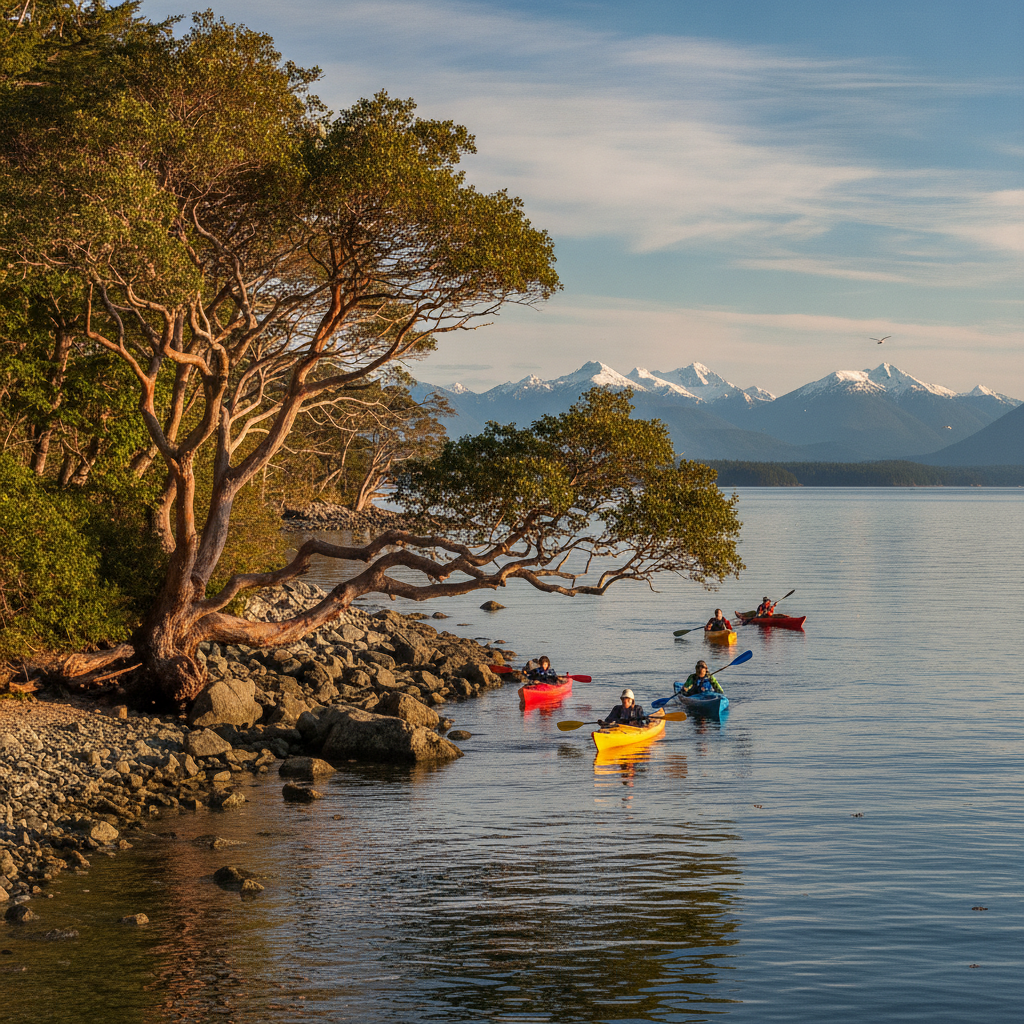
Sea kayaking around the Victoria shoreline, the Gulf Islands, and the southern tip of Vancouver Island provides world-class paddling in a marine environment of extraordinary beauty and ecological richness, accessible to beginners in the sheltered Inner Harbour and challenging for experienced kayakers in the open waters of the Strait of Juan de Fuca and the Gulf Island channels. The Broken Group Islands, a cluster of 100 islands in Barkley Sound on the west coast of Vancouver Island accessible by ferry from Port Alberni 3 hours north of Victoria, is considered the finest sea kayaking destination on the Pacific Coast of Canada with its intricate channel system, wildlife, and First Nations cultural sites. The Malahat, the highland ridge north of Victoria on the Trans-Canada Highway, provides dramatic views of the Saanich Inlet and Gulf Islands from multiple lookouts. The Juan de Fuca Provincial Park on the west coast of the Saanich Peninsula preserves old-growth rainforest, wild Pacific Ocean beaches, and a 47-kilometre coastal trail, the Juan de Fuca Marine Trail, that provides multi-day backpacking routes along one of the most dramatic coastlines in British Columbia. The Sooke Hills wilderness area and the Sooke Potholes Provincial Park west of Victoria provide freshwater swimming and hiking accessible within 45 minutes of downtown. Mount Douglas Park in Saanich provides the best urban hiking in Greater Victoria with forested summit views of the Gulf Islands.
Walk this route with audio
Stories play automatically as you reach each stop — no tapping needed.
More in Victoria
Victoria BC: The Six-Gill Sharks in the Anoxic Fjord Nobody Talks About, the Language With Fewer Than 20 Fluent Speakers That Is Now Being Taught in Schools and the Blue Flower Fields That Fed a People for Thousands of Years
Praslin Island: Vallée de Mai UNESCO Forest & Anse Lazio
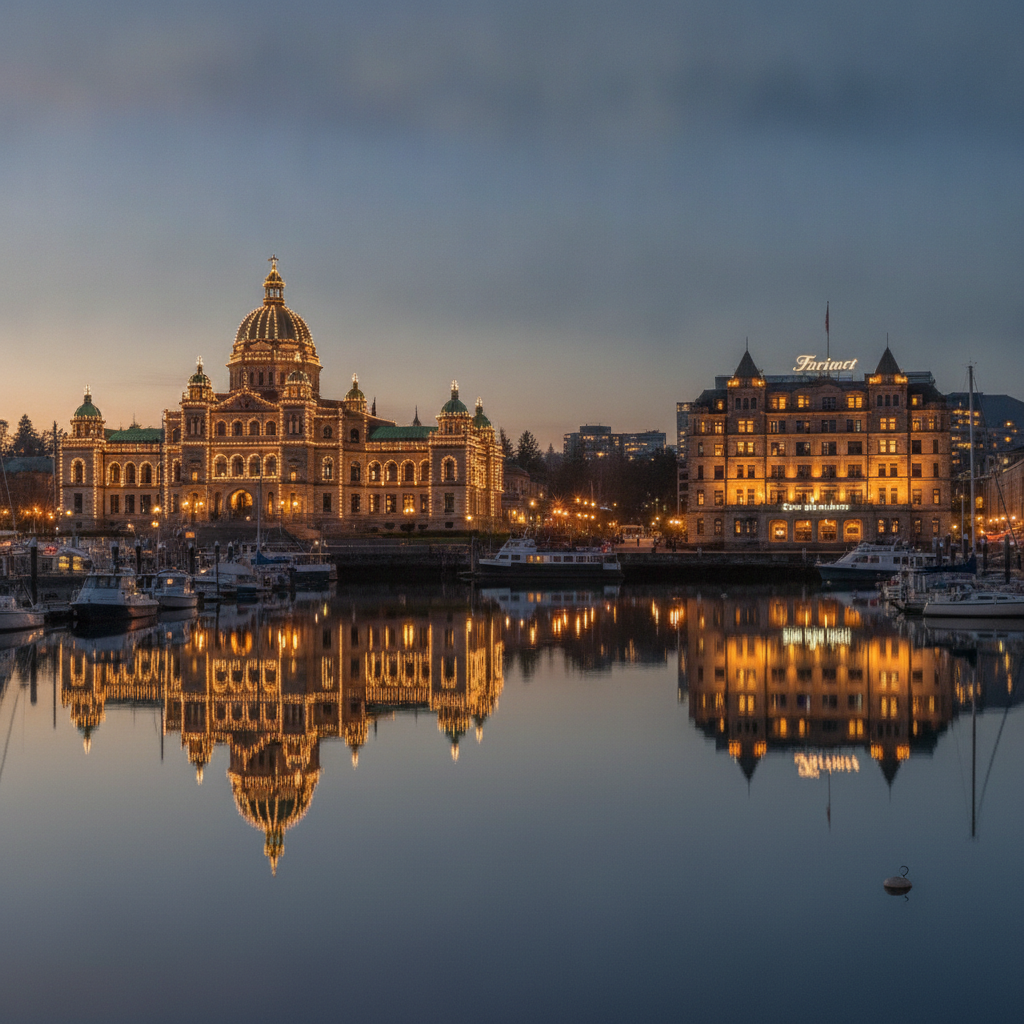
Victoria BC: The Most English City in Canada Where 85 Percent of Residents Were Born in Canada, the Afternoon Tea Capital of North America and the Capital of a Province 14 Times the Size of Switzerland
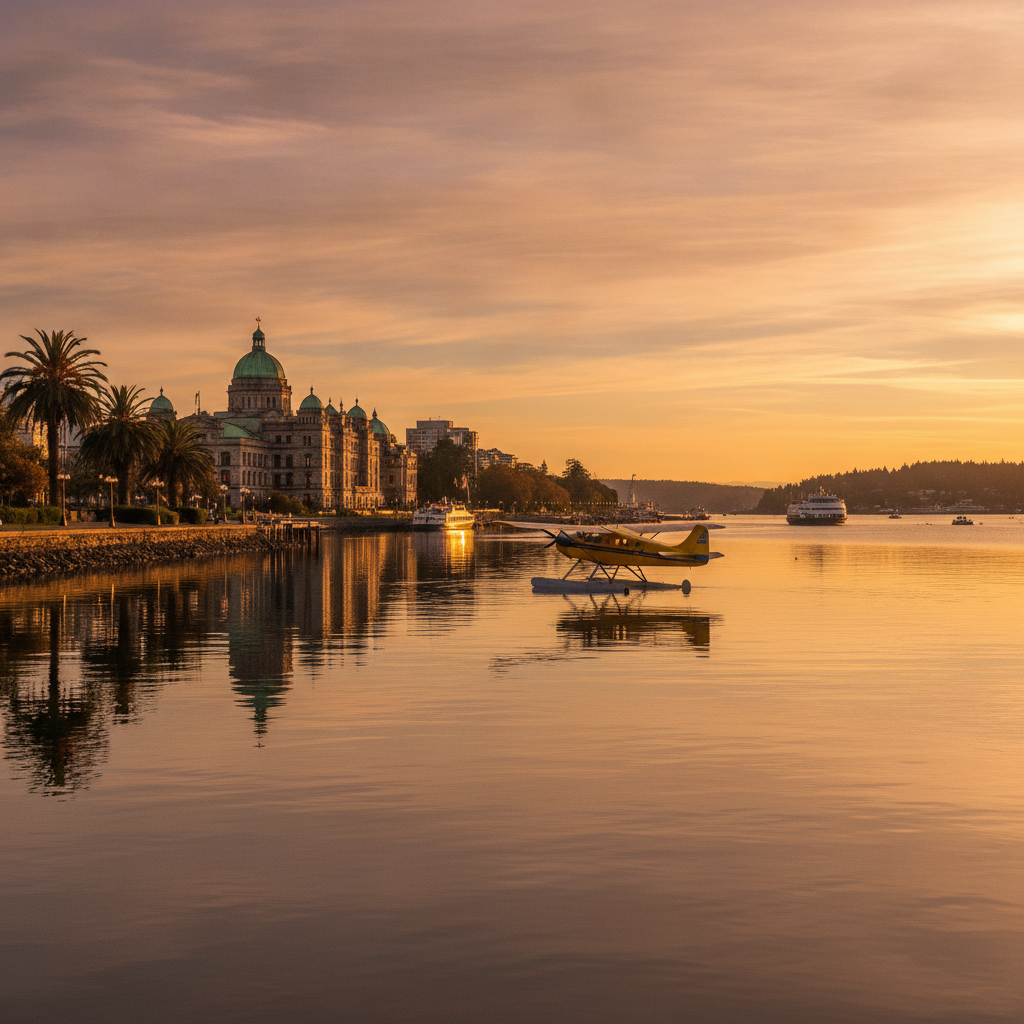
Victoria BC: The First Brew Pub in Canada That Has Been Serving Pints Since 1984, the Oldest Building in Western Canada Outside Quebec and the Intertidal Zone That Has No Equal in British Columbia
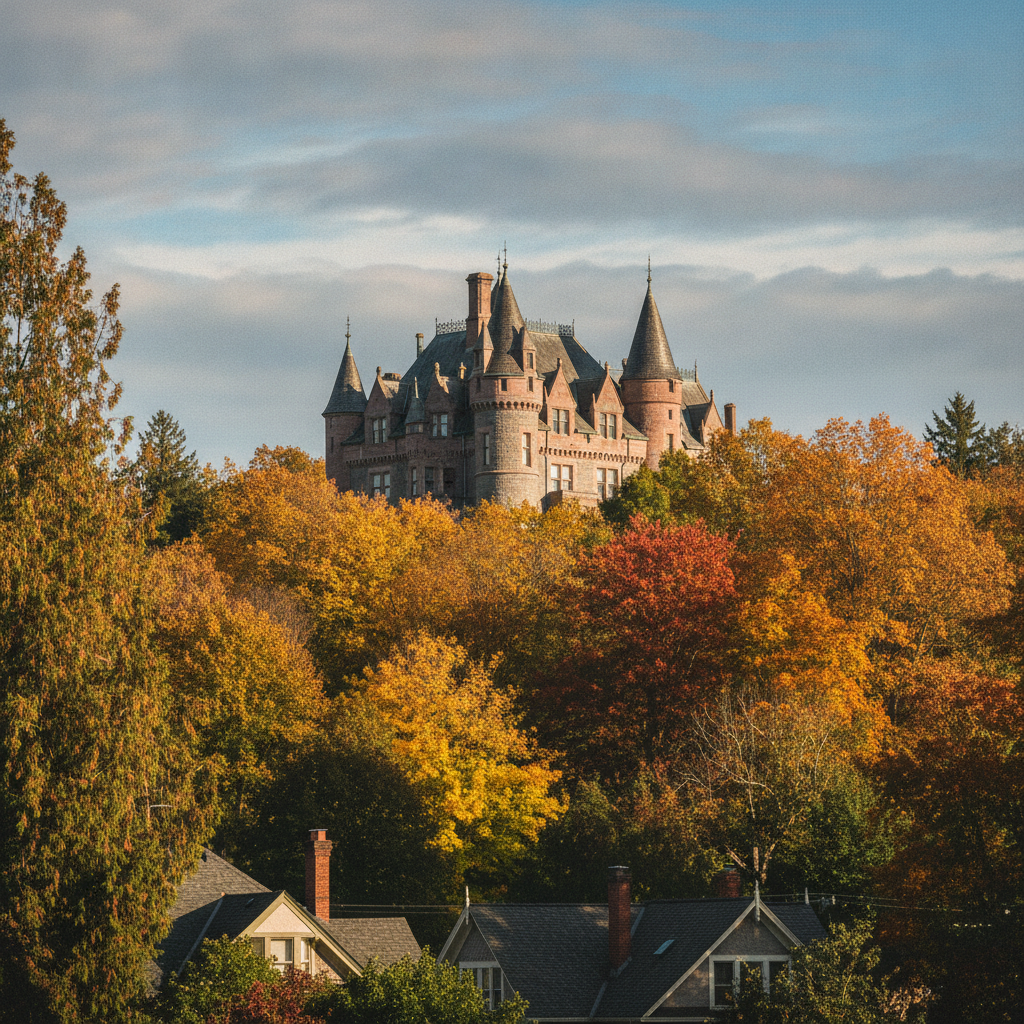
Victoria BC: The Architect Who Designed Both the Legislature and the Empress Hotel Was Murdered by His Young Wife Lover in England, Craigdarroch Castle Built by a Coal Baron Who Died Before Moving In and Canada Coldest Water Surfers