Valparaiso History: Independence, the Nitrate Boom, and the Panama Canal Decline
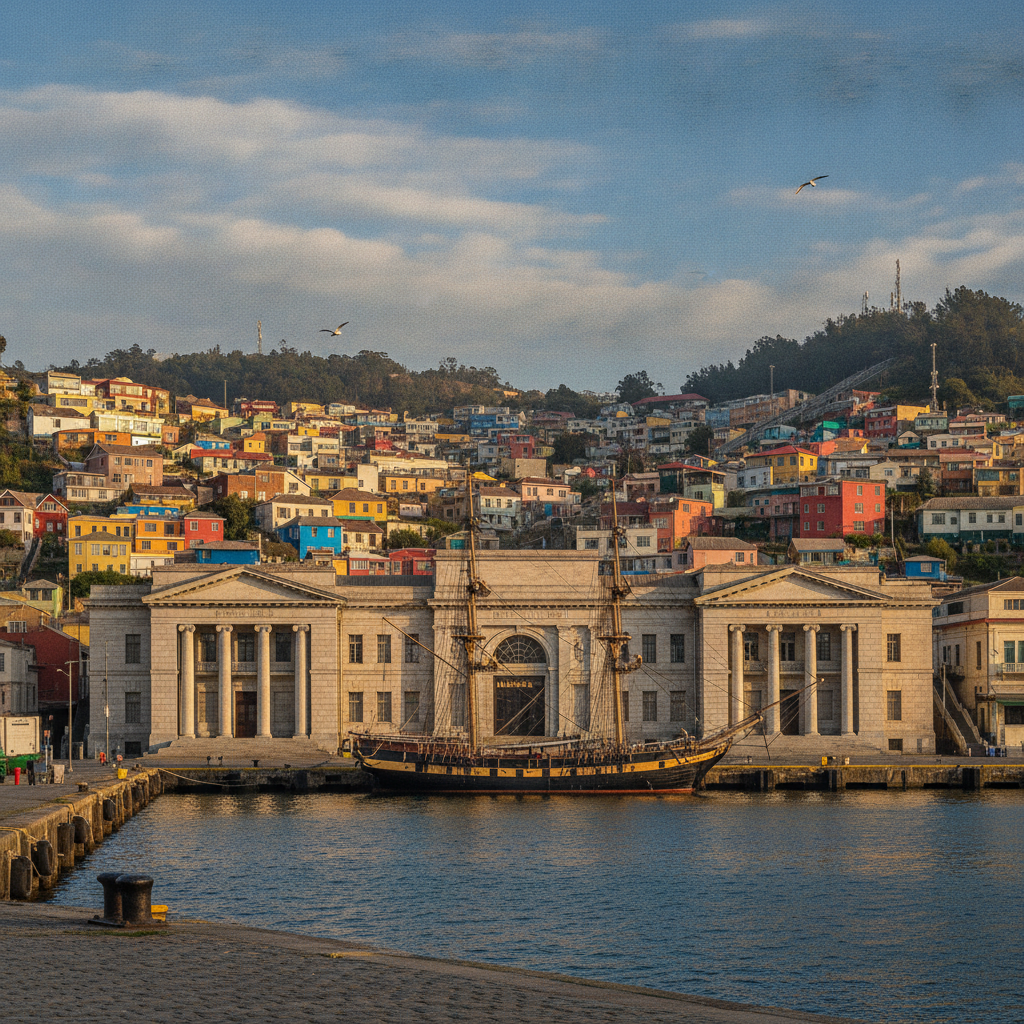
Valparaiso was the most important port on the Pacific coast of South America from the 1840s until the opening of the Panama Canal in 1914, serving as the primary commercial hub for the nitrate and copper trade that financed the growth of Chile.
- 1
The Strategic Port: Clipper Ship Era and Pacific Commerce
During the era of square-rigged sailing ships from the 1840s to the 1880s, Valparaiso was the mandatory transit port for all vessels rounding Cape Horn and entering the Pacific, making it the commercial gateway to the western coast of South America and the site of the largest concentration of shipping agents, banks, and commercial houses in the southern hemisphere. The wealth generated by this position financed the construction of the Victorian mansions on the cerros.
- 2
The Nitrate Boom and the Chilean War of the Pacific
The War of the Pacific from 1879 to 1884, in which Chile defeated both Bolivia and Peru to gain control of the nitrate-rich Atacama desert, enriched Valparaiso as the port through which the nitrate exports flowed to European markets; the period of nitrate prosperity from 1880 to 1914 was the golden age of the Valparaiso upper class and the source of the wealth that built the opulent mansions of Cerro Alegre and Cerro Concepcion.
- 3
The Panama Canal and the Port Decline
The opening of the Panama Canal in 1914 eliminated Valparaiso's position as the obligatory transit port for vessels rounding Cape Horn, routing the Atlantic-Pacific shipping through the Caribbean and causing an immediate and severe economic decline that transformed the city from one of the wealthiest in South America to a city of faded grandeur within a generation. The economic decline preserved the Victorian architecture that would otherwise have been demolished in modernization.
- 4
The 1906 Earthquake: Destruction and Rebuilding
The earthquake of August 16, 1906, one of the strongest recorded in Chilean history, destroyed large sections of Valparaiso and killed approximately 3,000 people; the rebuilding that followed reshaped the lower city plan but largely preserved the hillside neighborhoods whose irregular layout was less vulnerable to the regularized rebuilding programs. The earthquake was one of several that have struck the seismically active Chilean coast.
- 5
Independence and the Naval Heritage
Valparaiso served as the base for the Chilean navy during the wars of independence and the subsequent conflicts that established Chile's Pacific maritime dominance. Lord Cochrane, the Scottish naval officer who commanded the Chilean naval forces against the Spanish in 1818 to 1820, is commemorated in Valparaiso with a statue on the Plaza Sotomayor that acknowledges the British contribution to Chilean independence.
- 6
The 2014 Fire: Disaster on the Cerros
The catastrophic fire of April 2014, driven by high winds through the densely built wooden neighborhoods of the Valparaiso cerros, destroyed approximately 2,500 homes and killed 15 people in the worst urban fire disaster in Chilean history in recent decades. The reconstruction of the affected neighborhoods has been accompanied by debate about building standards, fire safety, and the preservation of the architectural heritage that makes Valparaiso a UNESCO World Heritage Site.
Walk this route with audio
Stories play automatically as you reach each stop — no tapping needed.
More in Valparaiso
Valparaiso Practical Guide: Getting There, Navigation, and the Santiago Day Trip Option
Valparaiso Architecture: Victorian Mansions, Tin-Clad Houses, and the UNESCO Heritage Zone
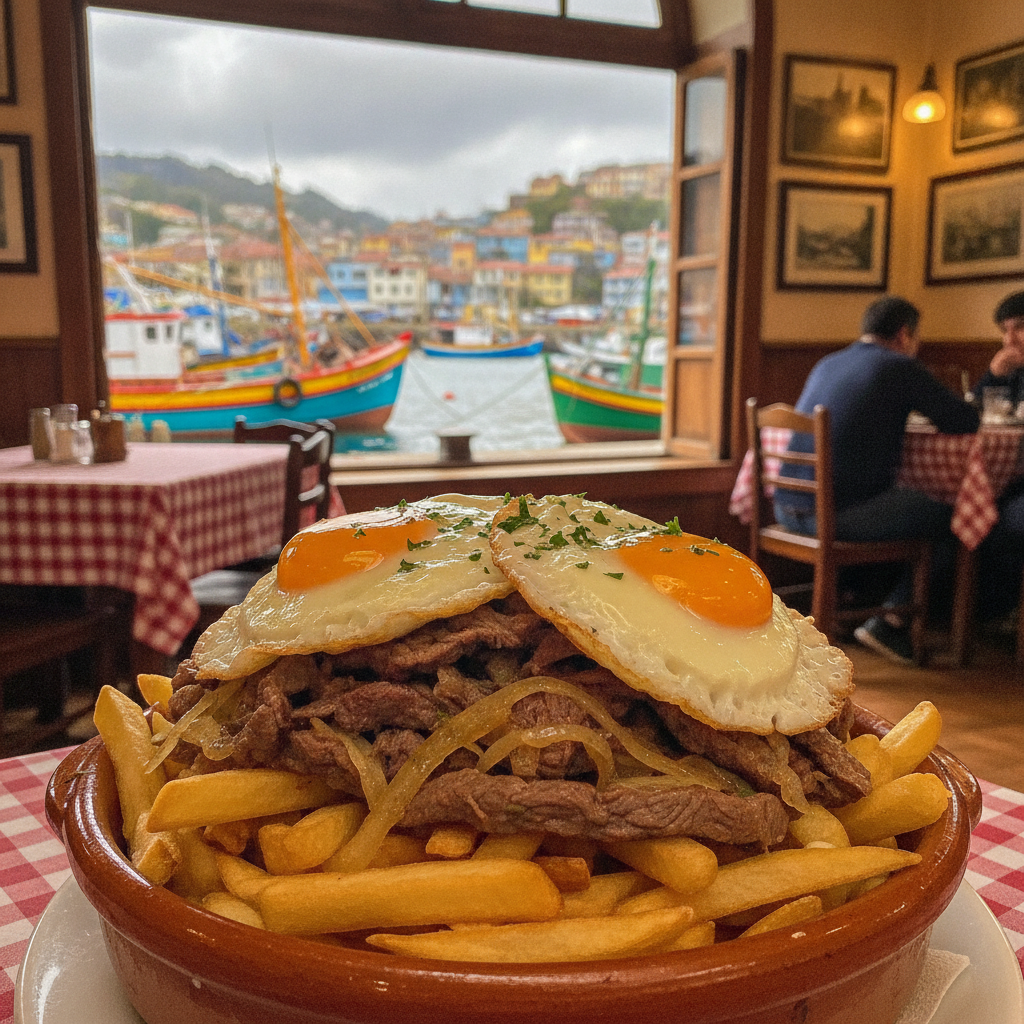
Valparaiso Food: Seafood, Chorrillana, and the Casablanca Wine Valley
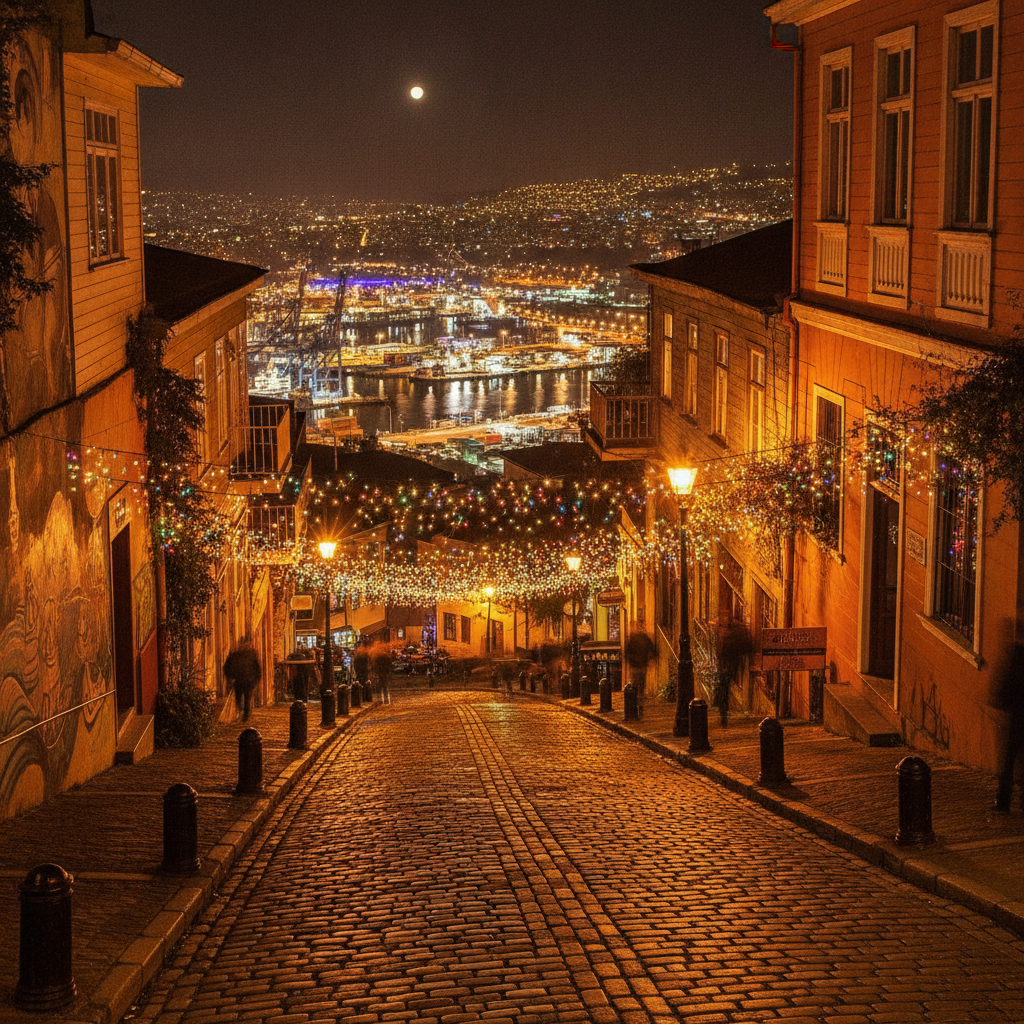
Valparaiso Nightlife, Music, and the Creative Arts Scene
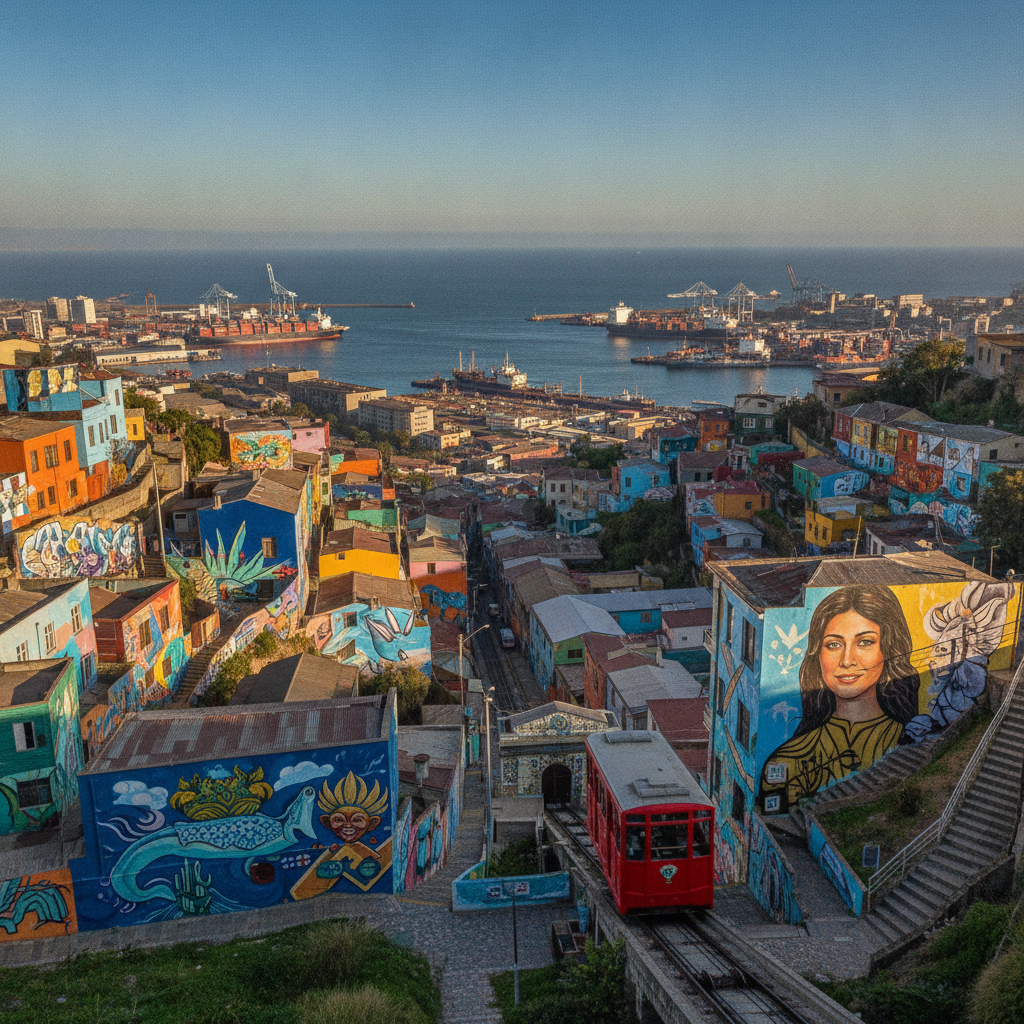
Valparaiso: Cerros, Street Art, Funiculars, and the Pacific Port City