Valparaiso Architecture: Victorian Mansions, Tin-Clad Houses, and the UNESCO Heritage Zone
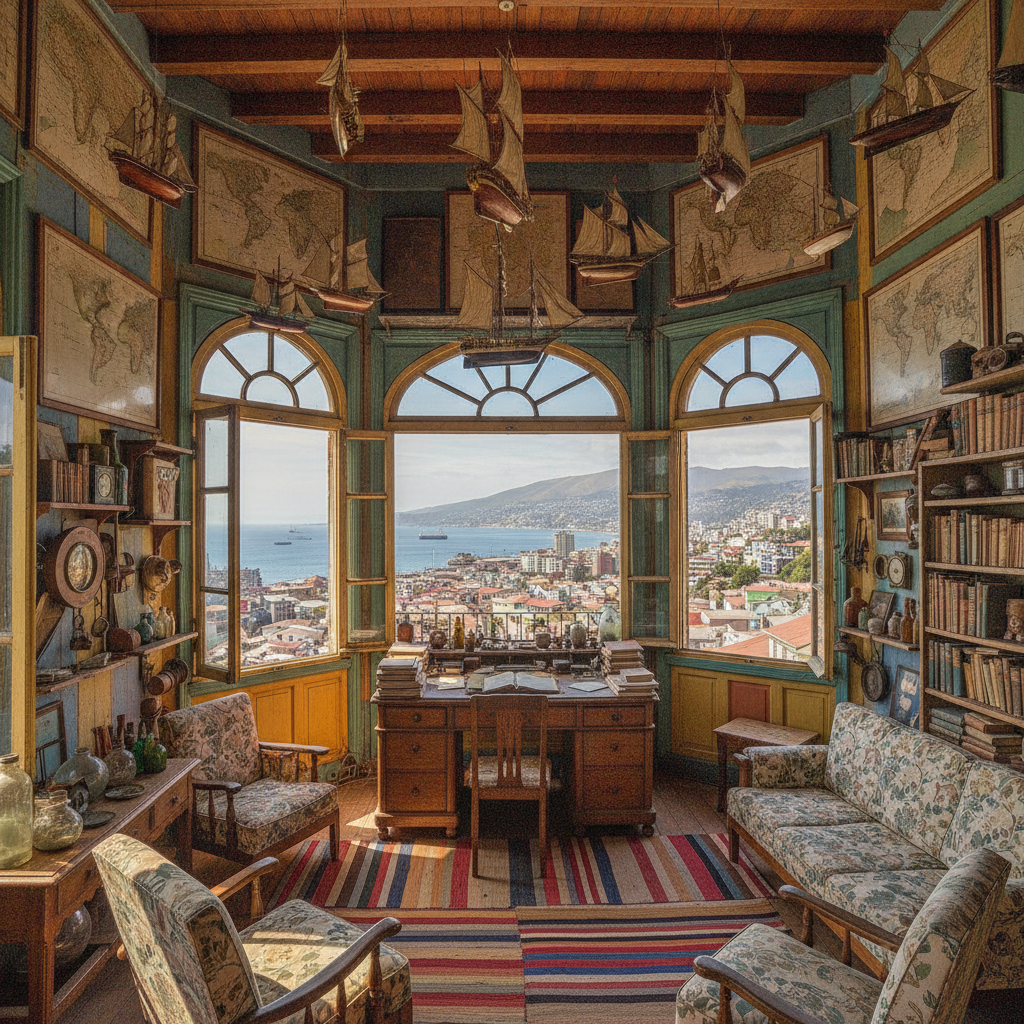
The architecture of Valparaiso reflects the specific history of a Pacific port city enriched by the 19th century nitrate trade and populated by German, British, Italian, and Croatian immigrant communities who built in the traditions of their home countries on the steep hillsides above the bay.
- 1
German and British Merchant Houses on the Cerros
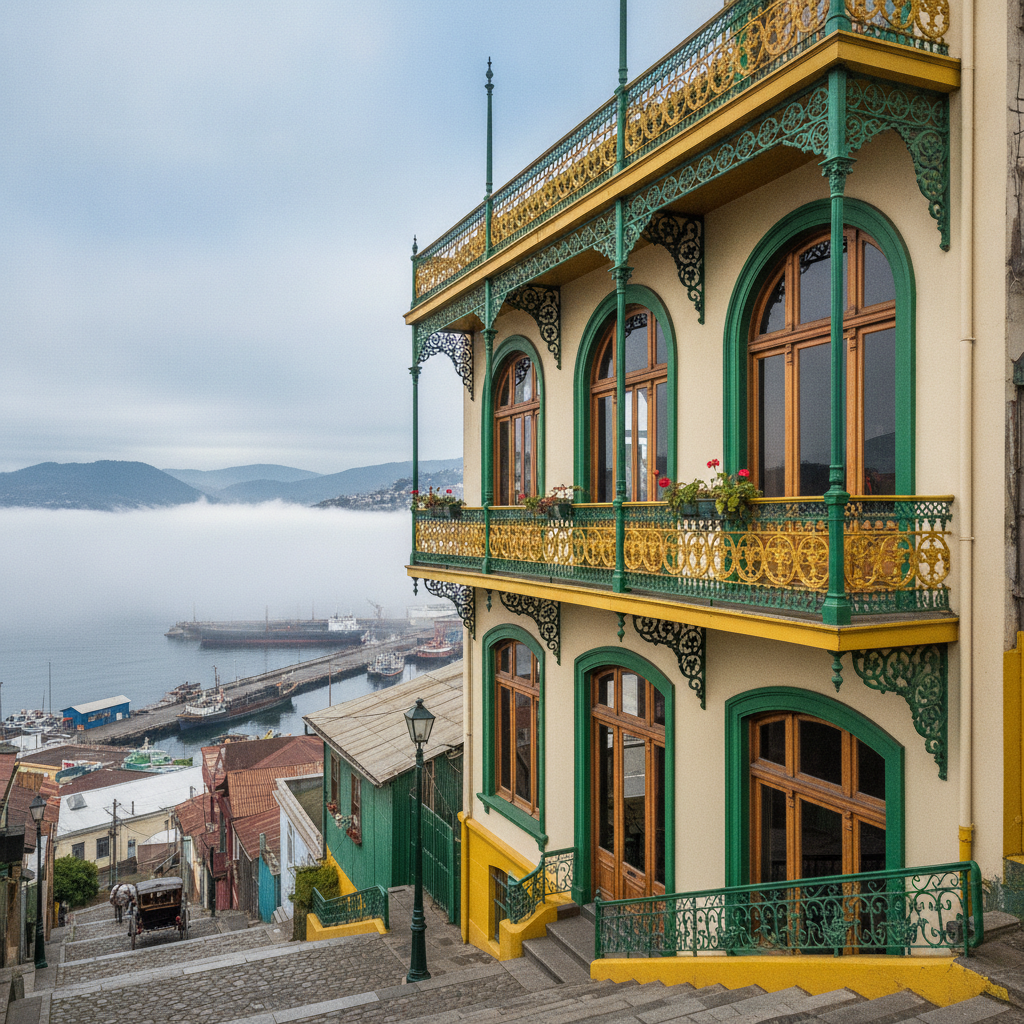
The Victorian-era merchant houses of Cerro Concepcion, built primarily by British, German, and Croatian import-export families in the 1880s and 1890s, represent the architectural ambition of a mercantile elite that was transforming Valparaiso into the commercial capital of the Pacific coast. The houses combine European architectural styles with local adaptations including the use of corrugated iron cladding that became the characteristic surface material of the Valparaiso hillside.
- 2
Corrugated Iron: The Tin-Clad Architecture of the Cerros
The use of corrugated iron sheet as exterior wall cladding, introduced to Valparaiso by British importers who supplied the material for roofing throughout the Pacific coast, was adapted by Valparaiso builders as a waterproof and lightweight external cladding for the wooden house frames of the cerros. The bright paint applied to the iron cladding, in a tradition established by successive generations of homeowners who used whatever paint color was available or affordable, created the vivid polychrome character of the hillside that defines the visual identity of the city.
- 3
The Ascensor Engineering: 19th Century Funicular Technology
The ascensores of Valparaiso represent the application of late 19th century funicular engineering to the specific problem of connecting a flat lower city with the steeply inclined hillsides above; the technology was adapted from European mountain funicular practice and was introduced beginning in 1883. The mechanical systems of the surviving ascensores range from the original counterbalanced water-tank systems to electric motors introduced in the early 20th century.
- 4
Art Nouveau and the Palacio Baburizza
The Palacio Baburizza on Cerro Alegre, now housing the municipal fine arts museum, is the finest art nouveau building in Valparaiso and one of the most accomplished examples of the style in South America, built in 1916 for the Croatian merchant Ottorino Zanelli in a design that combines Italianate details with the floral decorative vocabulary of international art nouveau. The museum collection includes 19th and 20th century Chilean painting.
- 5
The UNESCO Designation and Heritage Conservation
The UNESCO World Heritage designation of Valparaiso's historic quarter in 2003 recognized the outstanding universal value of the cerro neighborhoods as an exceptional example of urban development from the late 19th century; the designation has complicated the management of the living city by imposing conservation requirements on a population that uses the heritage buildings as ordinary housing. The tension between conservation and the economic and social needs of the resident community is the central challenge of heritage management in Valparaiso.
- 6
Post-2014 Fire Reconstruction and Contemporary Architecture
The reconstruction of the neighborhoods destroyed in the 2014 fire has introduced contemporary architecture into the hillside context, creating a dialogue between the Victorian heritage and the contemporary interventions that replaces lost buildings. The reconstruction has been controversial because of disagreements about the appropriate architectural language for new buildings in a UNESCO heritage zone, with some arguing for historical reproduction and others for contemporary design that acknowledges its own time.
Walk this route with audio
Stories play automatically as you reach each stop — no tapping needed.
More in Valparaiso
Valparaiso Practical Guide: Getting There, Navigation, and the Santiago Day Trip Option
Valparaiso History: Independence, the Nitrate Boom, and the Panama Canal Decline
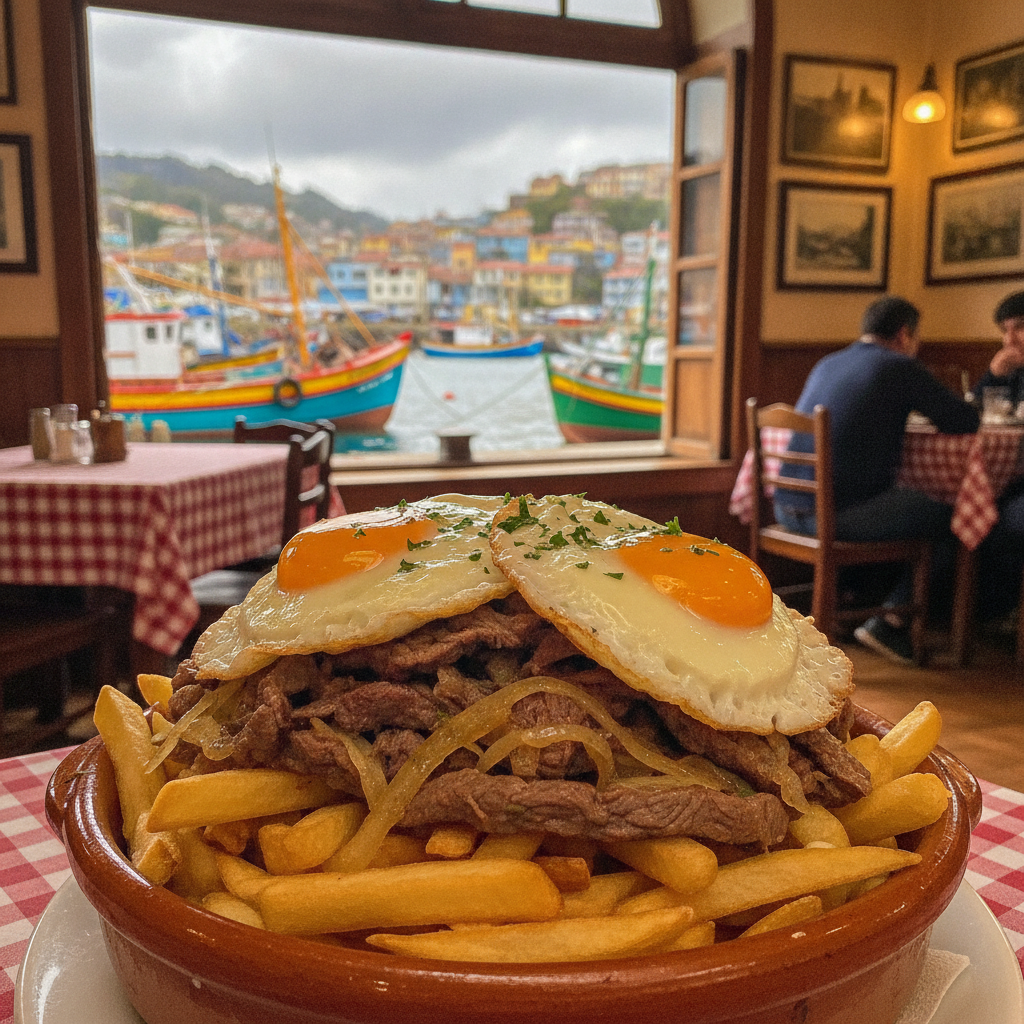
Valparaiso Food: Seafood, Chorrillana, and the Casablanca Wine Valley
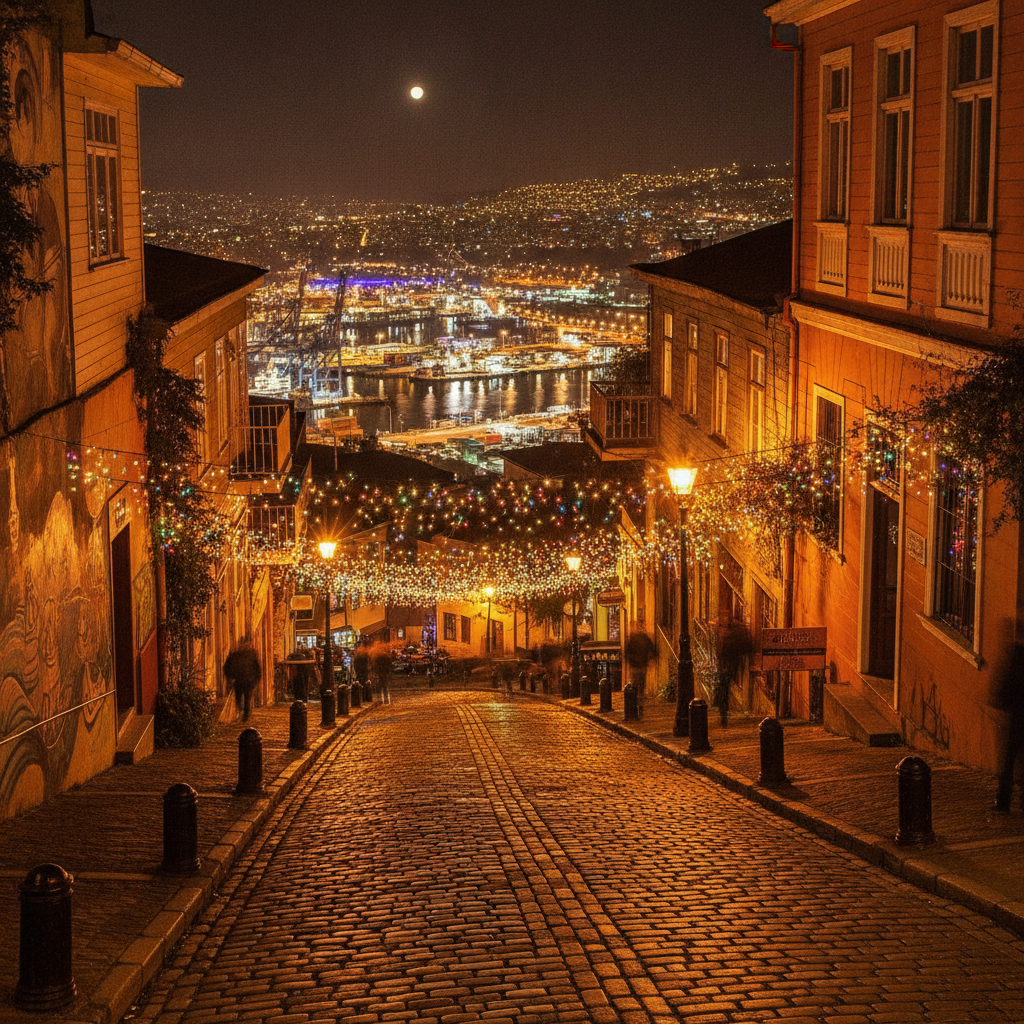
Valparaiso Nightlife, Music, and the Creative Arts Scene
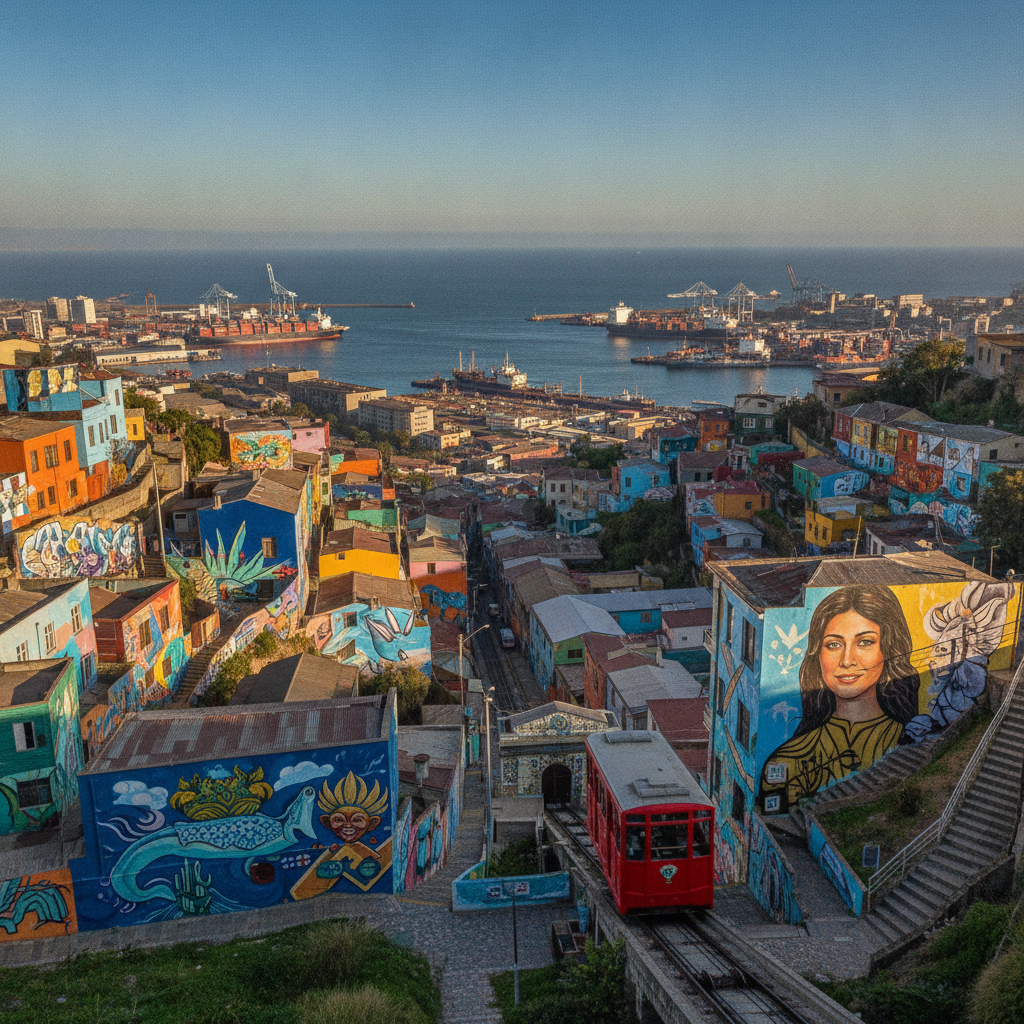
Valparaiso: Cerros, Street Art, Funiculars, and the Pacific Port City