Tulum Sea Turtles Coral Reef Manatees Jaguars and the Caribbean Marine Ecosystem That Surrounds the Worlds Most Photographed Beach Town
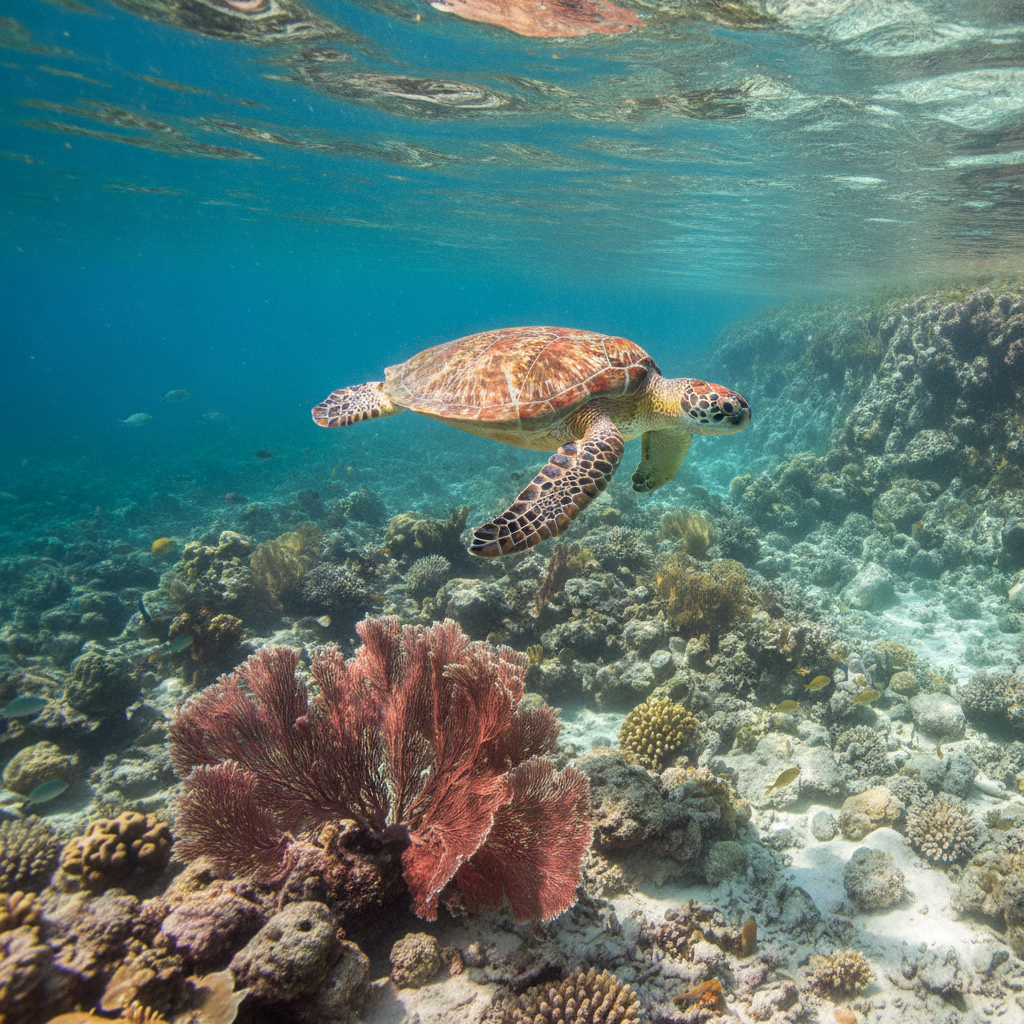
The marine and terrestrial ecosystems surrounding Tulum are among the most biodiverse in the Caribbean, protected within the Sian Kaan Biosphere Reserve and the Mesoamerican Barrier Reef Marine Protected Area, but facing the combined stresses of mass tourism, aquifer contamination, climate-driven coral bleaching, and the sargassum influx that have made the Tulum environment the most documented ecological crisis in Mexican tourism. The loggerhead, green, and hawksbill sea turtles that nest on the Tulum beaches from May through October are the most visible wildlife of the tourist zone, with the community-run turtle protection program marking and protecting the nests along the hotel zone beach while the tourist infrastructure that surrounds the nesting sites creates light pollution, beach chair obstacles, and the foot traffic that disorients the females seeking nest sites. The jaguar population of the Sian Kaan Biosphere Reserve, estimated at 50 to 80 individuals as part of the larger Yucatan jaguar corridor that connects the reserve to the Calakmul Biosphere Reserve 200 kilometres to the south, represents the northernmost significant jaguar population on the Caribbean coast of Mexico, and the conservation of the Sian Kaan corridor is essential to the long-term viability of the Yucatan jaguar metapopulation. The manatee population of the Sian Kaan coastal lagoons, estimated at 30 to 50 individuals, feeds on the seagrass beds of the Bahia de Ascension and the Bahia del Espiritu Santo, with the boat tours of the biosphere reserve providing the most reliable manatee observation opportunity on the Mexican Caribbean coast. The Mesoamerican Barrier Reef, the world's second-largest coral reef system extending 1,000 kilometres from the Yucatan tip through Belize to Honduras, faces the multiple stressors of warming ocean temperatures producing bleaching events, crown-of-thorns starfish outbreaks, and the chemical contamination entering the reef from the aquifer discharge through the coastal submarine springs.
- 1
Sea Turtle Nesting and the Tulum Beach Conservation
The Tulum coast between the archaeological site and the southern limit of the Sian Kaan biosphere is an active sea turtle nesting beach for the loggerhead, green, and hawksbill turtle species that use the Caribbean coast of Quintana Roo as one of their primary nesting grounds in the Gulf of Mexico region. The nesting season from May through October coincides with the peak tourist season, creating the conflict between the nesting females who require dark, quiet beaches and the hotel zone beach clubs whose lighting, music, and foot traffic create exactly the conditions that disorient the approaching females and cause them to abandon nesting attempts. The community turtle protection program of Tulum, coordinated by the Vida Silvestre monitoring program of CONANP and implemented by local conservation organizations, stations monitors on the beach from sunset through dawn during the nesting season to locate and protect nests, relocate eggs threatened by beach chair placement or tide, and accompany the hatchling emergence events that attract the tourist audience the program has accepted as compatible with conservation if managed. The hawksbill turtle, the most critically endangered of the three species nesting at Tulum, is particularly affected by the tourist lighting of the hotel zone, with the photographic evidence of hawksbill females approaching the beach and then retreating when disoriented by the beach club illumination demonstrating the direct impact that the conservation organizations have used in advocacy for the dark-sky ordinances that the Tulum municipality has implemented with varying enforcement. The sea turtle nest density on the Sian Kaan beach south of the tourist zone, monitored by the community ecotourism cooperative of Punta Allen, is significantly higher than the comparable stretch of the tourist hotel zone, providing the control comparison that confirms the tourist impact on nesting behavior.
- 2
Mesoamerican Barrier Reef Diving and Snorkeling
The Mesoamerican Barrier Reef, extending 1,000 kilometres from the northern tip of the Yucatan Peninsula through Belize to the Bay Islands of Honduras, provides the coral reef diving and snorkeling experience that the Caribbean coast of Quintana Roo offers at Tulum, Akumal, Cozumel, and the reef sites accessible from the Sian Kaan biosphere marine protected area. The reef at Tulum, accessed by boat from the Tulum hotel zone beach clubs, presents coral formations at depths of 5 to 20 metres that include the stag horn and elkhorn coral species that have been heavily impacted by the warming-driven bleaching events of the past two decades, along with the brain corals, fan corals, and encrusting corals that have proven more resilient to temperature stress. The dive sites of the Tulum area, certified by the PADI and SSI dive centers operating in the hotel zone, include both the reef sites and the cenote cave diving that constitutes the most technically demanding and ecologically significant diving experience in the region. The snorkeling opportunity at the Akumal Bay, 25 kilometres north of Tulum, where the sea turtle population feeds on the seagrass beds in the shallow protected bay, has become one of the most visited wildlife encounters on the Riviera Maya, with an estimated 800 to 1,200 snorkelers per day entering the bay during peak season to swim alongside the resident green turtles. The management of the Akumal Bay sea turtle snorkeling has been controversial, with the density of snorkelers, the application of sunscreen in the water, and the disturbance of feeding behavior documented as impacts that the community and the environmental authorities have attempted to address through number limits, guide requirements, and the rash guard requirement that replaced the sunscreen application.
- 3
Sian Kaan Punta Allen and the Mangrove Lagoons
The Punta Allen village, at the end of the 60-kilometre dirt road through the Sian Kaan biosphere reserve south of the Tulum hotel zone, is the base of the community ecotourism cooperative that provides the most authentic wildlife and landscape experience on the Mexican Caribbean coast, including the fly-fishing for bonefish, permit, and tarpon on the flats of the Bahia de Ascension that has made the area one of the premier saltwater fly-fishing destinations in the world, and the boat tour through the mangrove lagoons where manatees, crocodiles, and the spectacular bird assemblage of the coastal wetland environment are encountered in conditions of genuine ecological integrity rather than managed wildlife display. The Bahia de Ascension flats fishery, managed by the Punta Allen cooperative under a sustainable fishing agreement that restricts commercial fishing and establishes the catch-and-release protocol for the sport fishery, generates income for the community that provides the economic incentive for habitat protection that the conservation organizations depend on for the long-term viability of the protected area. The Sian Kaan Maya canal tour, in which visitors float down the ancient canals that the post-Classic Maya constructed through the coastal lagoon system for their trade canoe traffic, passes through the mangrove channels with the wind, birds, and the aquatic wildlife of an ecosystem that has remained essentially unchanged since the Maya engineers designed it 500 years ago. The bird diversity of the Sian Kaan coastal zone, including the roseate spoonbill, the jabiru stork, the magnificent frigatebird, the five heron and egret species, and the full complement of Caribbean waterbirds, concentrates in the mangrove islands and the lagoon margins that the boat tour navigates at the pace and distance that undisturbed observation requires. The Sian Kaan accommodation infrastructure, limited to the rustic guesthouses and fishing camps of Punta Allen, provides the wilderness lodge experience that the premium ecotourism market accepts as the appropriate level of comfort for a world-class wildlife destination.
- 4
Jaguar Corridor and the Calakmul Connection
The jaguar corridor of the Yucatan Peninsula, connecting the Sian Kaan Biosphere Reserve on the Caribbean coast to the Calakmul Biosphere Reserve in Campeche, 200 kilometres to the south, is one of the most important large mammal conservation areas in the Americas, providing the connected habitat that the jaguar metapopulation of the Maya lowlands requires for the genetic exchange between populations that small isolated reserves cannot provide. The Jaguar population of Sian Kaan, estimated at 50 to 80 individuals based on camera trap surveys conducted by CONABIO and the Wildlife Conservation Society, is the northernmost significant jaguar population on the Caribbean coast and the population most threatened by habitat fragmentation from the tourist development of the coastal strip between Tulum and Cancun. The highway from Cancun to Chetumal, the primary land route through the Yucatan Peninsula from the tourist coast to the southern states, has been documented as a significant jaguar mortality point, with vehicle strikes killing jaguars that cross the highway between the coastal jungle patches and the Sian Kaan interior. The wildlife crossings installed on the Tulum-Felipe Carrillo Puerto highway section in recent years represent the practical conservation infrastructure that the jaguar corridor requires to maintain connectivity between the coastal and interior populations, and their effectiveness is monitored through camera trap documentation of jaguar passage. The Calakmul Biosphere Reserve at the southern end of the jaguar corridor, the largest tropical forest reserve in Mexico and one of the most significant archaeological and ecological sites in the Maya world, provides the core habitat that sustains the jaguar metapopulation that the corridor connects to the smaller coastal populations at Sian Kaan and the intervening forest patches.
- 5
Tulum Coral Reef Bleaching and Climate Change
The coral reef of the Tulum section of the Mesoamerican Barrier Reef has experienced significant ecological degradation in the 21st century, with the multiple bleaching events associated with Caribbean sea surface temperature anomalies above 29 Celsius progressively reducing the coral coverage and the reef architectural complexity that the dive tourism depends on for its product quality. The bleaching event of 2023, the most severe in the recorded history of the Caribbean reef system and associated with the El Nino year ocean temperature anomaly, produced mass coral mortality from Key West to the Bay Islands of Honduras, with the Tulum section of the Mesoamerican Barrier Reef losing an estimated 20 to 40 percent of the remaining living coral coverage in the areas most severely affected. The recovery of coral reef from bleaching mortality depends on the recolonization of the dead substrate by new coral recruits from the surrounding healthy reef, a process that takes 10 to 25 years under optimal conditions of clean water, stable temperature, and the absence of the crown-of-thorns starfish population outbreaks that consume coral recruits before they can establish. The coral restoration program of the Mexican government, operated through CONANP and in partnership with NGOs including the Coral Restoration Foundation Mexico, maintains underwater coral nurseries at the Tulum reef site where coral fragments from heat-tolerant donor colonies are grown and transplanted to degraded reef areas. The documenting of heat-tolerant coral genotypes in the Tulum reef population, a research program that several Mexican and international universities have contributed to, provides the basis for the selective breeding and assisted evolution approach to building reef resilience that the coral restoration community has identified as the most promising long-term strategy for Caribbean reef recovery under continued climate change.
- 6
Tulum Wildlife Tourism Ethics and Responsible Practices
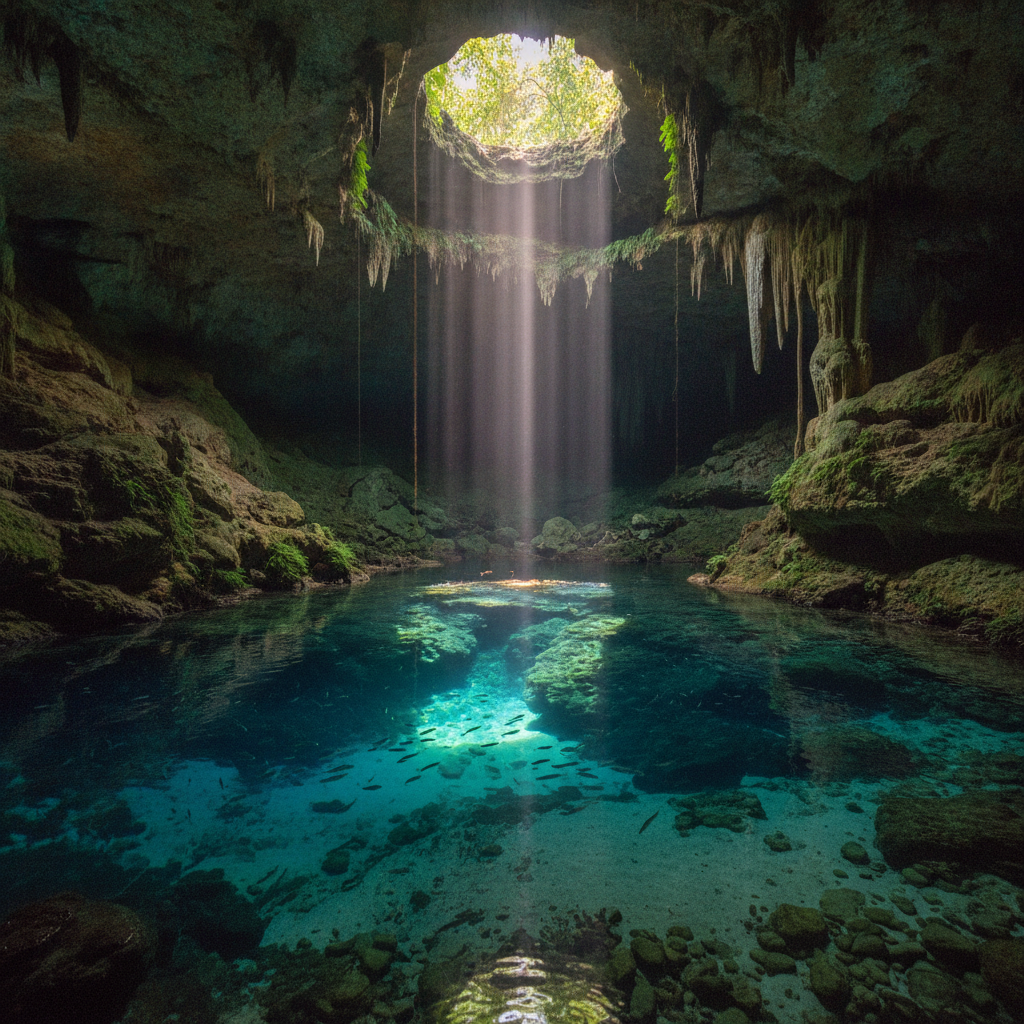
The wildlife tourism ethics of Tulum, the most visited natural destination in Mexico, requires navigating the gap between the experiential demands of the international tourism market and the documented ecological impacts that the current level and style of visitor engagement with the wildlife and natural systems of the area produces. The sea turtle encounter at the Akumal Bay and on the Tulum nesting beaches operates within a regulatory framework of guide requirements, number limits, and rash guard requirements that represent the minimum mitigation of the documented impacts, but that the tourism operators implement with varying compliance. The cenote swimming standards, which require reef-safe sunscreen and prohibit the use of regular sunscreen within 30 minutes of cenote entry, depend on the enforcement capacity of the cenote operators and the visitor compliance rate that the self-enforcement system produces. The Sian Kaan biosphere community ecotourism model at Punta Allen represents the ecological best practice of wildlife tourism in the Tulum area, with the revenue from the permit-controlled fishery and the guided boat tour creating the economic foundation for community-based habitat protection. The responsible wildlife tourism options for the Tulum visitor include: cenote visits at off-peak morning hours when visitor density is lower, the Sian Kaan biosphere tour through the Punta Allen cooperative rather than the private boat operators who do not adhere to the same wildlife disturbance protocols, and the turtle nesting observation through the CONANP-authorized monitoring program rather than the unauthorized nighttime beach access that disturbs nesting females. The choice of accommodation in the Tulum hotel zone based on documented sewage treatment standards, available from the SEMARNAT environmental compliance registry, reduces the visitor's contribution to the cenote and reef contamination that inadequate wastewater disposal produces.
Walk this route with audio
Stories play automatically as you reach each stop — no tapping needed.
More in Tulum
Tulum Riviera Maya Circuit Akumal Xel-Ha Xcaret and the Full Caribbean Coast Experience From the Cancun Hotel Zone to the Sian Kaan Biosphere Reserve
Tulum Practical Guide Getting There Transport Budget Safety and How to Visit the Riviera Maya Without Paying New York Prices for Mexican Beach Sand
Tulum Real Estate Speculation Narco Investment Organized Crime and the Political Economy of How the Most Beautiful Beach in Mexico Was Sold to Money Launderers Hedge Funds and Instagram Influencers
Tulum Maya Heritage Valladolid Chichen Itza Ek Balam and the Post-Classic Coastal Trade Network That Connected the Caribbean to the Heart of Mesoamerica
Tulum Maya Ruins on the Caribbean Cliff Gran Cenote Sian Kaan Biosphere and the Beach Town That Became the Worlds Most Instagrammed Destination and Its Own Ecological Crisis