Tulum Practical Guide Getting There Transport Budget Safety and How to Visit the Riviera Maya Without Paying New York Prices for Mexican Beach Sand
Tulum is one of the most expensive tourist destinations in Mexico, with the hotel zone beach clubs and boutique hotels charging prices benchmarked to New York and London rather than to the peso economy that the surrounding region operates in, creating the paradox of a destination that markets itself as an eco-conscious retreat while delivering a consumer experience accessible only to the upper income brackets of the international tourism market. The practical approach to Tulum that avoids the worst of the price premium involves staying in Tulum town rather than the hotel zone, eating in the town market and taco stands rather than the hotel zone restaurants, cycling to the ruins and the Gran Cenote rather than taking the taxi circuit organized by the hotel zone, and choosing the community ecotourism operations of the Sian Kaan for the wildlife experience rather than the private boat operators of the hotel zone. The ADO bus service from Cancun airport, Playa del Carmen, and the inland Yucatan cities connects to the Tulum town bus station, which is the practical arrival point for the visitor who does not require the private transfer that the hotel zone properties arrange for their guests. The safety environment of Tulum has been affected by the organized crime territorial conflict that has produced violent incidents in the hotel zone from 2021 onward, and the practical safety advice for the Tulum visitor involves the awareness of the organized crime context without the level of concern that would be appropriate in the active conflict zones of northern Mexico, as the incidents have been targeted rather than indiscriminate and the tourist has not been specifically targeted in the documented events.
- 1
Getting to Tulum Transport Options
The ADO first-class bus from Cancun Airport Terminal 2, running every 30 to 60 minutes throughout the day, takes approximately 2 hours to reach the Tulum town ADO bus station, with the fare of 200 to 350 pesos representing the most economical direct connection from the primary international arrival point to the Tulum area. The colectivo shared minibus service from Playa del Carmen, operating on the Cancun-Tulum highway at 15-minute intervals, takes 45 to 60 minutes to reach Tulum town at a cost of 50 to 80 pesos, representing the most economical option for the visitor arriving from the Playa del Carmen area. The transfer from Tulum ADO bus station to the hotel zone, a distance of 3 to 4 kilometres from the main highway to the beach road junction and then south along the beach road to the hotel zone properties, is accomplished by taxi at fixed rates of 100 to 200 pesos, by the bicycle rental that is the recommended transport for the budget traveler, or by the hotel zone transfer service that the boutique hotels arrange for their guests at prices of 20 to 50 US dollars. The car rental option from Cancun airport provides the flexibility to visit the inland Maya sites, the Sian Kaan biosphere entrance road, and the remote cenotes that the public transport system does not serve, at the cost of parking availability in the Tulum town area being limited and the hotel zone beach road being a single-lane track unsuitable for navigation without local knowledge. The flight option to Tulum, currently served by the Felipe Carrillo Puerto airport 60 kilometres south with limited connections, is less practical than the Cancun arrival for most international visitors, though the planned expansion of the Tulum airport infrastructure under the Maya Train project may change this in the coming years.
- 2
Budget vs. Splurge Accommodation and How to Choose
The accommodation geography of Tulum creates the sharpest price division of any destination in Mexico, with the hotel zone properties on the beach road charging 200 to 2,000 US dollars per night for rooms in boutique thatched-roof eco-lodges, while the Tulum town guesthouses and small hotels charge 40 to 100 dollars for equivalent comfort without the beach location. The town accommodation market offers colonial-style and modern guesthouses with the amenity level of a comfortable mid-range Mexican hotel, air conditioning, WiFi, and in-house restaurant, without the beach club access or the jungle design aesthetic that the hotel zone premium purchases. The camping and eco-hostel options on the beach road, the lowest price point in the hotel zone at 30 to 80 US dollars per night for a glamping tent or a hostel dormitory, provide the beach location experience at a price that the budget traveler can access, with the caveat that the amenity level of the cheapest beach road properties is significantly below what the same money would purchase in the town. The vacation rental market, with full apartments and houses available through Airbnb and VRBO in both the town and the hotel zone, provides the flexibility of kitchen facilities and living space that the independent traveler values, at prices ranging from 80 dollars per night for a town studio to 500 dollars per night for a beach road villa. The sustainable accommodation certification that the Mexican environmental ministry SEMARNAT provides to properties that meet documented standards for water treatment, energy consumption, and waste management is the most reliable indicator of the ecological performance of the accommodation, relevant for the visitor who wants to align their spending with the environmental ethics that Tulum's eco-luxury marketing claims.
- 3
Safety Reality Check and Practical Precautions
The safety situation in Tulum requires the honest acknowledgment that organized crime territorial conflict has produced violent incidents in the hotel zone from 2021 onward, including the December 2021 shootings in the beach clubs that killed two foreign tourists caught in the crossfire of a targeted attack, events that generated the international media coverage that the destination's reputation had to manage in the subsequent tourism season. The organized crime context of the Tulum hotel zone, where the territorial control generates the extortion economy documented by investigative journalists, means that the risk environment for the tourist is not zero in the way that the eco-luxury marketing implies, but is substantially lower than the risk environment of the active cartel conflict zones of northern Mexico and is primarily relevant for individuals who would have business dealings in the local economy beyond the standard tourist activity. The practical safety precautions for the Tulum visitor follow the standard urban Mexico travel safety protocol: avoiding isolated beach areas after dark, using established transportation services rather than informal drivers, not displaying expensive equipment or jewelry in crowded market environments, and being aware of the drink-spiking risk in the beach club environment that any high-density bar circuit in any international tourist destination presents. The Tulum tourist police presence, concentrated in the hotel zone and the ruins area during peak visiting hours, provides the visible security infrastructure that the tourism industry requires and that the organized crime structure operating in the same zone has accommodated as a cost of doing business rather than a constraint on their activities. The US State Department travel advisory for Quintana Roo state, which has varied between Level 2 (Exercise Increased Caution) and Level 3 (Reconsider Travel) depending on the current incident level, provides the official risk assessment that the traveler can use as one input in their destination decision.
- 4
Tulum Month by Month Weather Sargassum and Crowds
The annual cycle of Tulum's visitor climate involves the complex interaction between the Caribbean weather calendar, the sargassum influx, and the international tourism season that produces different combinations of beach quality, weather, crowd density, and price at different times of the year. December through March is the peak international season, with the dry northeast trade wind climate providing the clear skies and moderate temperatures that the snowbird market from North America and the European winter escape market seek, combined with the maximum hotel prices and the maximum visitor density that make December through January the most expensive and crowded period. April and May are the transition months before the Caribbean heat and humidity of the summer rainy season, with good weather and reduced prices as the international peak market ends. June through November is the Caribbean hurricane season, with the statistical risk of tropical storm or hurricane impact peaking in August through October, and with the highest sargassum accumulation typically occurring in the June through September period when the Atlantic bloom cycle produces the largest beaching events. The sargassum forecast, available from the Sargassum Monitoring Program of the University of South Florida using real-time satellite data, provides the most reliable advance indicator of the beach condition at specific Tulum beach sections in the 2 to 4 week planning window. October through November offers the post-hurricane season combination of low crowds, lower prices, declining sargassum as the Atlantic bloom cycle winds down, and the Day of the Dead festival programming that makes the cultural calendar of Tulum its most interesting for the visitor who is as interested in culture as in beach.
- 5
Tulum Town Eating and the Budget Food Circuit
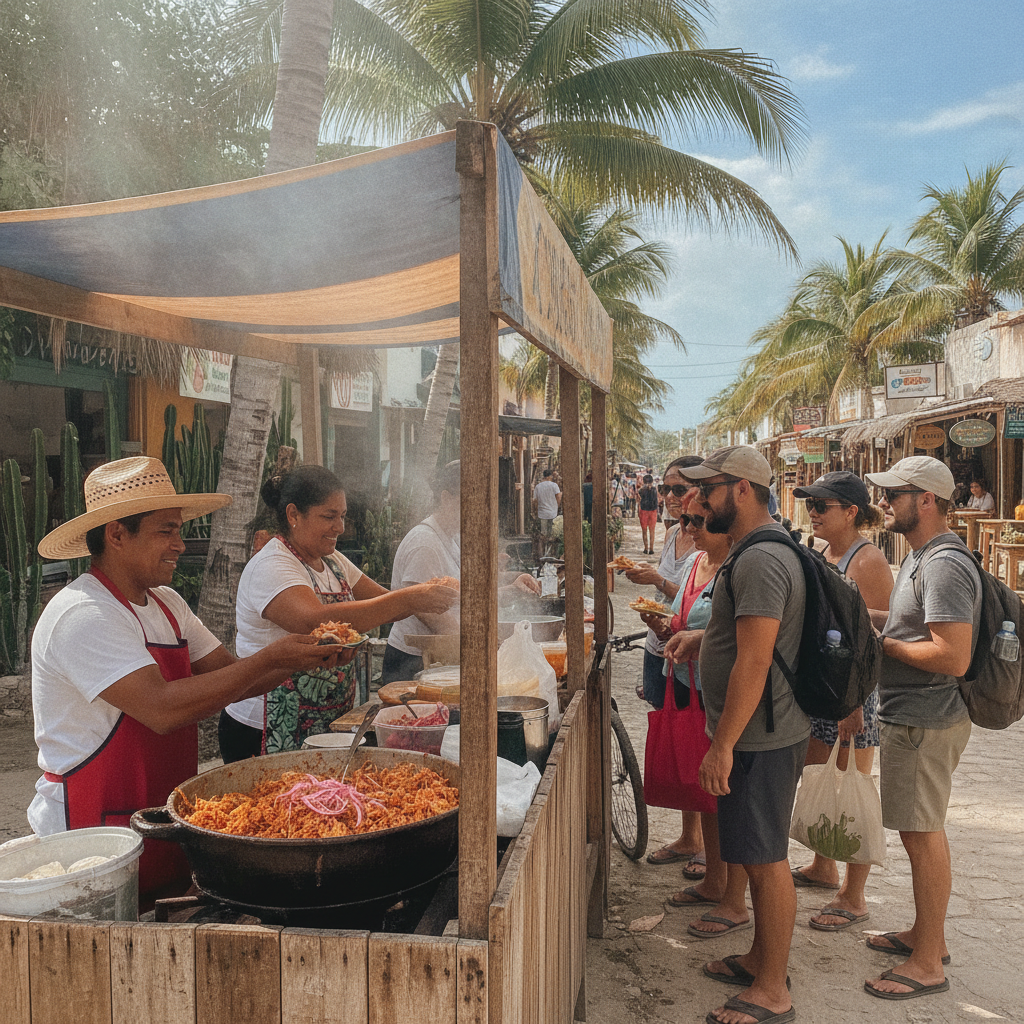
The eating strategy that provides the best Tulum food experience at the lowest cost focuses on the Tulum town morning market, the taco stands of the main street, and the family restaurants of the colonia neighborhoods that serve the resident population at prices 80 to 90 percent below the equivalent hotel zone meal. The morning market on the street behind the ADO bus station, operating from 6 to 11 am with the fresh produce, fruit juice, and prepared breakfast vendors, provides the context for understanding the Yucatecan food culture that the hotel zone wellness menu replaces with global superfood nutrition. The cochinita pibil taco vendors who set up on the main street of Tulum town from dawn through mid-morning serve the traditional Yucatecan pulled pork in the achiote and citrus marinade that the Maya have prepared in the underground oven since the pre-Hispanic period, at prices of 15 to 25 pesos per taco. The agua fresca vendors of the morning market offer the fresh fruit and hibiscus drinks in large glass dispensers that the street food culture of Mexico provides at 10 to 20 pesos for a large cup. The evening taco circuit of Tulum town main street, where the al pastor tacos, the grilled fish tacos, and the ceviche tostadas of the street food vendors compete for the resident worker and budget traveler market, provides the most socially authentic evening food experience in the Tulum area at a fraction of the hotel zone minimum spend. The comida corrida fondas of the colonia neighborhoods, open for the midday meal from noon to 4 pm, serve the three-course lunch including soup, rice and beans, main dish, and agua fresca for 60 to 100 pesos, feeding the hotel zone service workers who cannot afford the wellness bowls that their employers serve to guests.
- 6
Tulum Photography and the Instagram Reality
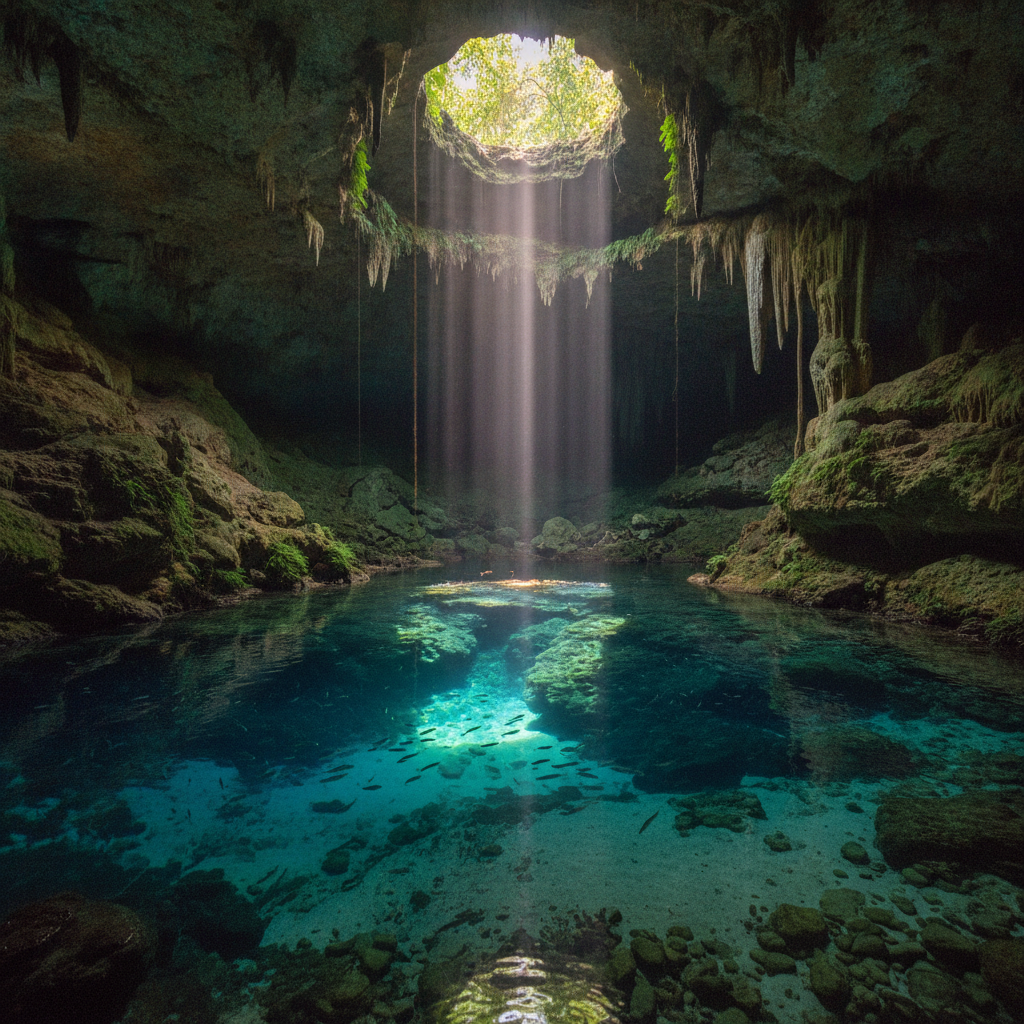
The photography of Tulum that fills the global social media feed relies on the combination of four visual elements that the destination uniquely provides: the archaeological ruins against the Caribbean sea, the cenote stalactite cavern, the beach club hammock and turquoise water composition, and the jungle yoga pose at sunrise. The honest assessment of the Instagram Tulum reality compared to the photography experience is that the ruins photograph requires arriving before 8 am when the cruise ship passengers are not yet on site and the morning light catches the Castillo from the east without the hard shadow that the midday sun creates. The cenote photograph requires the underwater camera or waterproof phone case, the early morning arrival before the 10 am tour bus crowd, and the patience to wait for the alignment of the skylight beam and the clear water that the stirred silt of heavy visitor traffic eliminates. The beach club hammock photograph, the most reproduced Tulum image, is easiest to achieve in the first hour after the beach clubs open at 10 am before the beach fills with other hammock-claiming guests, and requires no photographic skill beyond pointing the phone at the turquoise water with the palm tree framing. The drone photography of Tulum that shows the ruins above the sea from the aerial perspective requires a drone permit from the INAH for the archaeological zone and the CAA authorization for the coastal flight operations, and is commonly performed without these permits by the social media photographers who generate the drone imagery that most convincingly sells the destination promise of Tulum as a place where ancient stones meet the tropical sea.
Walk this route with audio
Stories play automatically as you reach each stop — no tapping needed.
More in Tulum

Tulum Riviera Maya Circuit Akumal Xel-Ha Xcaret and the Full Caribbean Coast Experience From the Cancun Hotel Zone to the Sian Kaan Biosphere Reserve
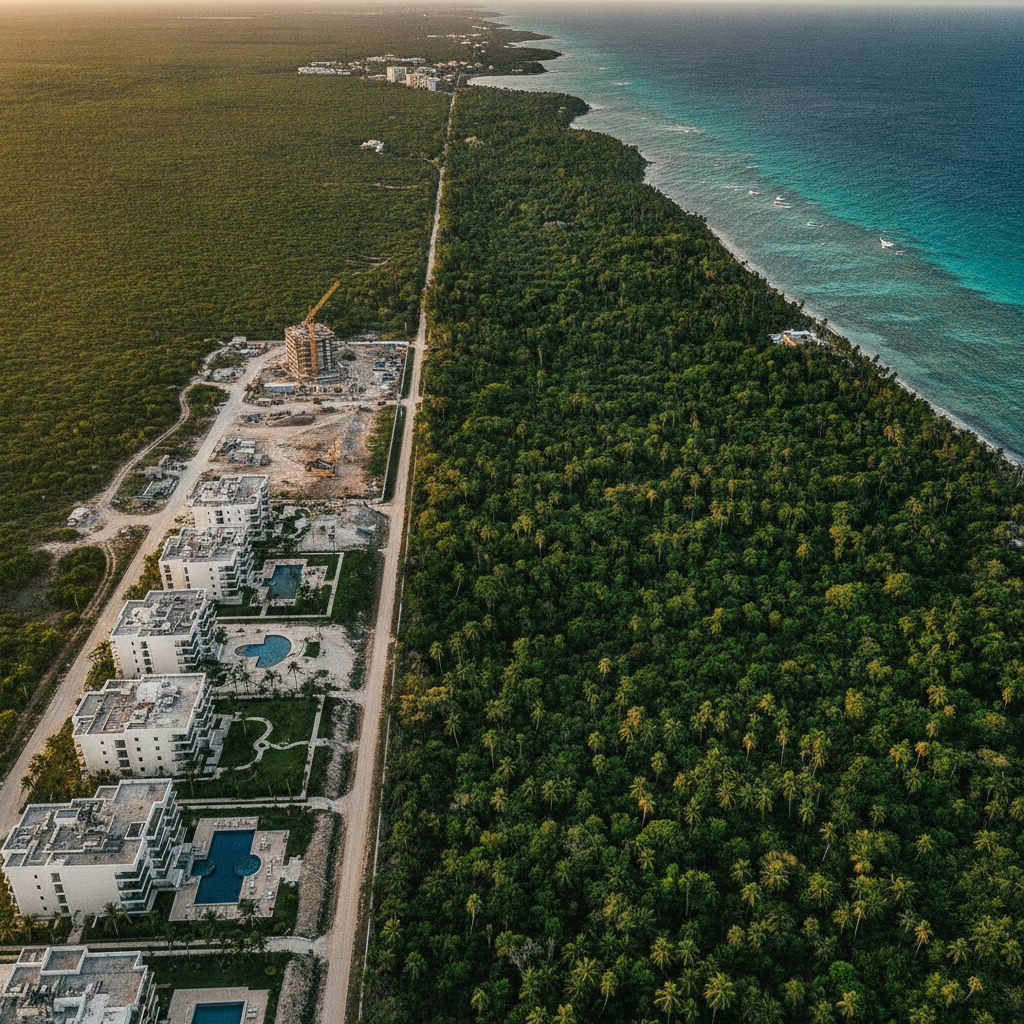
Tulum Real Estate Speculation Narco Investment Organized Crime and the Political Economy of How the Most Beautiful Beach in Mexico Was Sold to Money Launderers Hedge Funds and Instagram Influencers
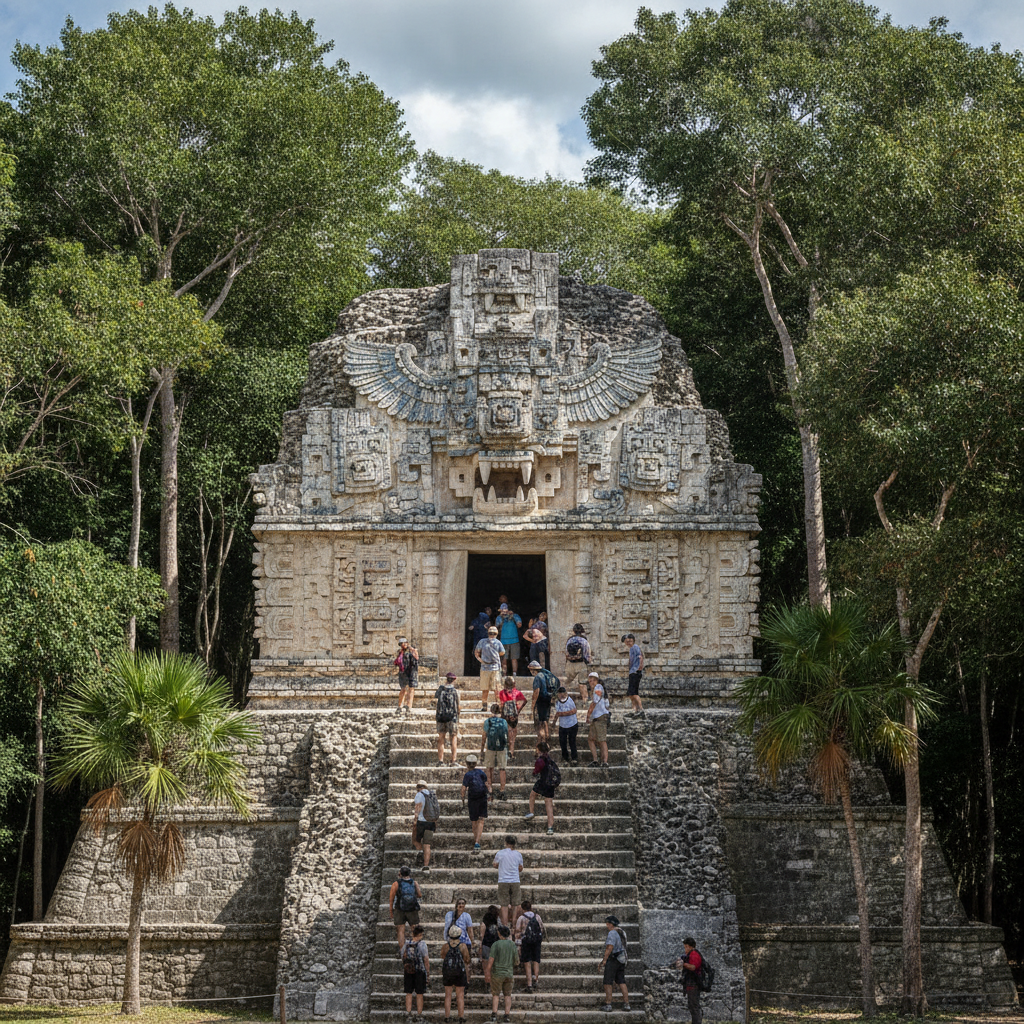
Tulum Maya Heritage Valladolid Chichen Itza Ek Balam and the Post-Classic Coastal Trade Network That Connected the Caribbean to the Heart of Mesoamerica
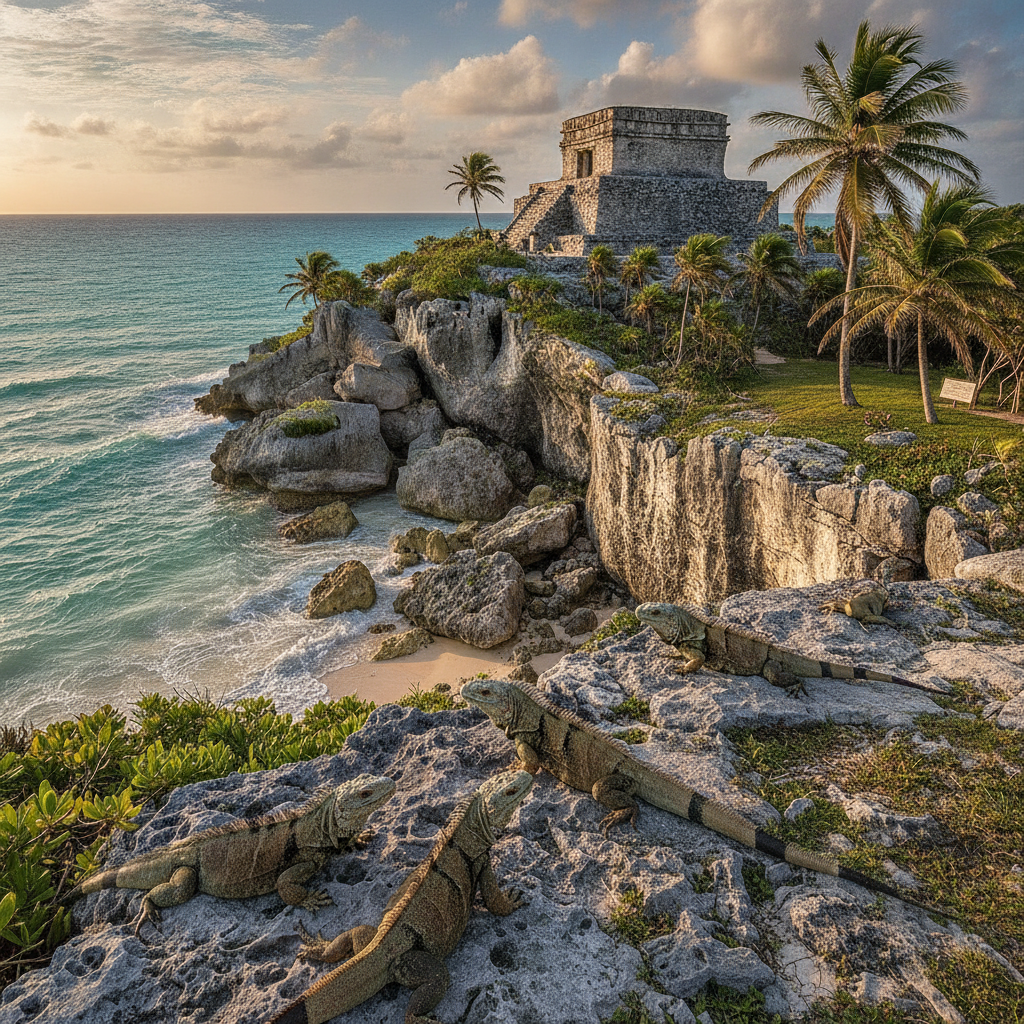
Tulum Maya Ruins on the Caribbean Cliff Gran Cenote Sian Kaan Biosphere and the Beach Town That Became the Worlds Most Instagrammed Destination and Its Own Ecological Crisis

Tulum Sea Turtles Coral Reef Manatees Jaguars and the Caribbean Marine Ecosystem That Surrounds the Worlds Most Photographed Beach Town