Tulum Cenote Circuit Hidden Gems Underwater Cave Systems and the Complete Guide to Swimming Snorkeling and Diving in the Worlds Largest Underground River System
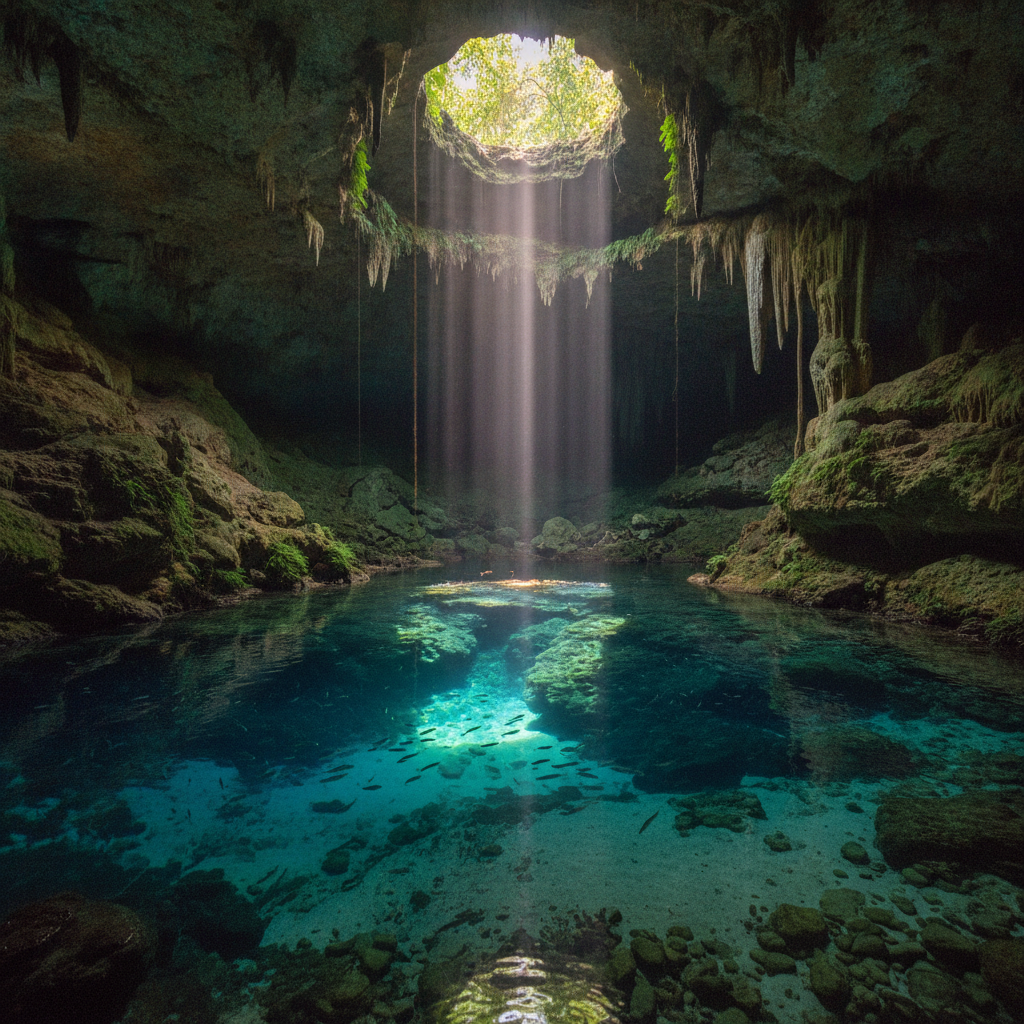
The cenote circuit of the Tulum area provides access to the most extraordinary freshwater swimming environment in the world, the underground river system of the Yucatan aquifer whose cenotes, the natural skylights into the limestone cave system, offer swimming in water of crystal clarity maintained by the natural limestone filtration at temperatures of 24 to 26 Celsius year round. The Sistema Sac Actun, the largest known underwater cave system in the world with over 347 kilometres of surveyed passages as of 2024, is accessible through multiple cenotes in the Tulum-Akumal corridor, with the Gran Cenote, the Dos Ojos cenotes, and the Cenote Calavera all providing entry points to different sections of the system. The diversity of cenote types available within 30 kilometres of Tulum town spans the full range of the Yucatan cenote typology: the open circular cenote with turquoise water under a collapsed limestone sky, the semi-collapsed cavern with stalactites above and the halocline boundary between fresh and salt water visible at depth, the dark cave system that requires torch equipment and orientation training, and the shallow jungle pool cenote that functions as a natural swimming hole. The cenote tourism infrastructure of the Tulum area includes the organized circuits operated by the major cenote sites, the smaller family-run cenotes accessible from the Tulum-Coba road, and the remote cenotes reached by jungle trail that maintain the wild experience that the organized circuit sacrifices for convenience. The underwater archaeology of the cenote system, which has produced discoveries of extinct Pleistocene megafauna bones, human skeletal remains dating to 13,000 years ago, and Maya ritual offerings deposited over millennia, continues to generate research discoveries that make the Tulum cenote system one of the most scientifically significant underwater archaeological zones in the Western Hemisphere.
- 1
Gran Cenote and Sistema Sac Actun
The Gran Cenote, located 4 kilometres west of Tulum town on the Coba road, is the most visited cenote in the Quintana Roo state, with a main open-air chamber of 60 metres diameter connected to underwater stalactite passages that penetrate hundreds of metres into the Sistema Sac Actun cave network, providing both the snorkeling experience in the open chamber and the cave diving access to one of the longest underwater cave systems in the world. The freshwater of Gran Cenote is maintained at 24 to 26 Celsius by the constant groundwater temperature of the aquifer, at visibility of 20 to 50 metres in the open sections and depending on the diver's ability to avoid disturbing the silt in the narrower passages, and in the crystal clarity that characterizes aquifer water protected from surface contamination by the limestone cave ceiling. The halocline at Gran Cenote, the visible boundary between the fresh aquifer water and the denser saltwater that intrudes from the Caribbean through the permeable limestone, appears at approximately 5 to 8 metres depth as a shimmering optical distortion that the diver passes through between two distinct water masses whose different refractive indices create the mirage-like visual effect. The Sistema Sac Actun connection from Gran Cenote extends northwest toward the Dos Ojos cenotes, with the intervening cave passages accessible to certified cave divers who follow the guidelines and safety protocols that the cave diving community has developed for a discipline with an unforgiving penalty for navigation error. The archaeological discoveries in the Sistema Sac Actun passages connected to Gran Cenote have included the skeletal remains of the individual known as Naia, a young woman who lived approximately 13,000 years ago and whose DNA analysis contributed to the understanding of the first human colonization of the Americas.
- 2
Cenote Dos Ojos and Cave Diving
The Cenote Dos Ojos, named for its two connected openings that resemble eyes from above, provides access to the Dos Ojos section of the Sistema Sac Actun through two main chambers connected by underwater passages, with the more visually dramatic of the two connected to a bat cave section where the stalactites and the passage of afternoon light create the theatrical lighting that photographs of the cenote most often feature. The Sistema Dos Ojos cave system has been measured at over 85 kilometres of surveyed passage, with the total connected to the Sistema Sac Actun network making the Dos Ojos/Sac Actun system the longest underwater cave system in the world as of its 2018 connection discovery by the Gran Cenote Dive Center. The cave diving infrastructure at Dos Ojos, with the equipment rental, guide service, and the certified cave diving instruction that the PADI and TDI affiliated dive shops of the Tulum area provide, serves both the full cave diving participant who has completed the full cave certification program and the snorkeler who follows the marked routes through the open-water chambers accessible without scuba equipment. The bat cave section of the Dos Ojos system, where the cave passage opens into a chamber with the aerial bat colony roosting in the stalactites above the water, provides the most atmospheric cenote experience in the Tulum circuit for the snorkeler who follows the guide into the cavern zone without requiring scuba equipment. The photographic challenge of the Dos Ojos bat cave section, where the combination of the dark ceiling, the stalactite formations, the bat colony, and the water clarity requires the underwater camera settings that simultaneously handle the high-contrast lighting of the natural skylight opening and the dark-adapted exposure that the cave interior demands, produces the most technically demanding and visually rewarding cenote photography in the Tulum circuit.
- 3
Cenote Calavera and the Minor Circuit
The Cenote Calavera, nicknamed the Temple of Doom by the dive community for the three ceiling openings through which swimmers can drop directly into the cenote pool below without using the staircase entry, is a semi-collapsed cavern cenote whose circular chamber is partially open to the sky and partially covered by the remaining limestone roof, creating the atmospheric combination of sunlit water and dark cave that makes it one of the most dramatically composed cenotes in the Tulum circuit. The minor cenotes of the Tulum-Coba road, including the Cenote Cristal and the Cenote Escondido that flank the highway approximately 5 kilometres south of Tulum town, provide the smaller-scale cenote experience with lower visitor density than the Gran Cenote and Dos Ojos sites, and with the jungle swimming hole atmosphere that the family-operated minor cenotes maintain. The cenote circuit planning for the Tulum area should account for the time and energy requirements of cenote swimming: the cold freshwater accelerates heat loss, the snorkeling exertion in the stalactite passages requires more effort than open-water swimming, and the multiple cenote visits in a single day typically require 30 minutes at a minor cenote and 2 to 3 hours at a major site with cave diving. The cenote admission prices, ranging from 200 to 400 pesos per person for the major organized sites and 50 to 100 pesos for the minor family cenotes, provide the revenue that funds the guard and guide services, the equipment rental facilities, the life jacket requirement enforcement, and in theory the water quality monitoring and conservation management that the ecological integrity of the cenote system requires. The optimal cenote visiting strategy is to arrive at the major sites at opening, before the 10 am tourist bus arrival, and to use the afternoon hours at the minor family cenotes when the peak traffic at the major sites makes the water clarity and the social atmosphere less enjoyable.
- 4
Underground Archaeology and the First Americans
The Yucatan cenote cave system contains the most significant concentration of early human archaeological material in the Americas, with the underwater excavations of the INAH underwater archaeology program and the international collaborations that have documented human skeletal remains, extinct megafauna bones, and cultural artifacts spanning from 13,000 years ago to the Maya post-Classic period in the passages of the Sistema Sac Actun and connected cave networks. The individual known to archaeologists as Naia, the young woman whose skeleton was discovered in the Hoyo Negro chamber of the Sistema Sac Actun in 2007 by cave divers, died approximately 13,000 years ago and fell or was deposited in a dry cave chamber that subsequently flooded as the sea level rose following the last glacial maximum, preserving her bones in the cold, still water of the aquifer until the cave divers discovered them. The DNA analysis of Naia's remains, published in Science in 2014, demonstrated the genetic relationship between this early Paleoamerican individual and contemporary Native American and Maya populations, contributing to the scientific understanding of the population history of the first human colonization of the Americas. The extinct megafauna of the Pleistocene Americas, including the remains of mastodons, giant ground sloths, Pleistocene horses, and extinct deer species, have been recovered from the Tulum cenote cave system in contexts that document the animals falling through cave ceiling openings during the period when the caves were dry land rather than flooded underwater passages. The living Maya ritual tradition of the cenotes, in which offerings of incense, food, and in the pre-Hispanic period human sacrifices were made to the water deity Chaac through the cenote opening, is documented by the deposits of ceramic vessels, jade beads, and in the Sacred Cenote of Chichen Itza human skeletal material that underwater excavation has recovered from the cave floor deposits.
- 5
Remote Cenotes and the Off-Circuit Experience
The cenotes accessible beyond the organized tourist circuit of the Gran Cenote and Dos Ojos provide the wild cenote experience that the visitor seeking solitude and ecological integrity over convenience and tourist infrastructure values. The cenotes of the biosphere reserve section of the Tulum-Coba corridor, accessible from the road with jungle trail walking of 30 minutes to 2 hours, maintain the natural shoreline vegetation, the wildlife activity, and the visitor density of zero to 10 that the organized circuit cenotes with their tourist buses cannot provide. The Cenote Multun-Ha, a deep pit cenote 15 kilometres south of Tulum in the Sian Kaan boundary zone, requires the walking access and the guide hired from the adjacent Maya community whose knowledge of the cenote location is the practical condition for finding a site that does not appear on the standard tourist maps. The lagoon cenotes of the coastal zone south of the Tulum hotel zone, accessible by kayak or stand-up paddleboard from the beach, connect the Caribbean surface environment to the underground freshwater system through the submarine spring outlets visible in the reef zone as freshwater plumes of different density than the surrounding saltwater. The cenote experience for the scuba diver interested in the Maya archaeological dimension is most completely accessed through the guided archaeological dive programs offered by the INAH-affiliated dive operations that work with the underwater archaeologists conducting systematic survey of the cave system inventory, providing access to areas of the cave system closed to standard dive tourism and to the archaeological interpretation that contextualizes the bones, ceramics, and other material evidence of prehistoric human use of the cave environment.
- 6
Tulum Cenote Practical Guide Timing Gear and Water Safety
The practical cenote visit for the first-time Tulum visitor begins with the reef-safe sunscreen requirement that every cenote operator enforces: standard sunscreens containing oxybenzone and octinoxate are prohibited, and the cenote visit should be planned to allow the 30-minute pre-entry waiting period after applying reef-safe sunscreen. The cenote circuit timing should prioritize the early morning window from 8 to 10 am for the major sites, using the period before the 10 am tour bus arrival that brings the Cancun and Riviera Maya day trip visitors in numbers that transform the crystal cenote chamber into a crowded swimming pool. The equipment requirement for the cenote snorkeling circuit is minimal: a snorkeling mask, fins, and a rash guard or wetsuit for the 24 Celsius water that creates the chill that surprises visitors accustomed to the 28 Celsius Caribbean surface temperature. The life jacket requirement enforced at all major cenotes for non-certified swimmers provides the safety margin in the open chamber, but should not be considered adequate for the cave zone passages that require the diver qualification and guide supervision that the cenote operators specify as the cave zone access conditions. The cenote visit budget for a full day of the three major sites from Gran Cenote to Dos Ojos to Calavera, including the bicycle rental for the road sections, the admission fees, the guide service where required, and the post-cenote lunch in Tulum town, totals approximately 800 to 1,200 pesos per person at the Mexican peso market prices, making the cenote circuit one of the most accessible activities in the Tulum area for the visitor willing to invest the physical effort of the bicycle transport and the early morning timing that the best cenote experience requires.
Walk this route with audio
Stories play automatically as you reach each stop — no tapping needed.
More in Tulum
Tulum Riviera Maya Circuit Akumal Xel-Ha Xcaret and the Full Caribbean Coast Experience From the Cancun Hotel Zone to the Sian Kaan Biosphere Reserve
Tulum Practical Guide Getting There Transport Budget Safety and How to Visit the Riviera Maya Without Paying New York Prices for Mexican Beach Sand
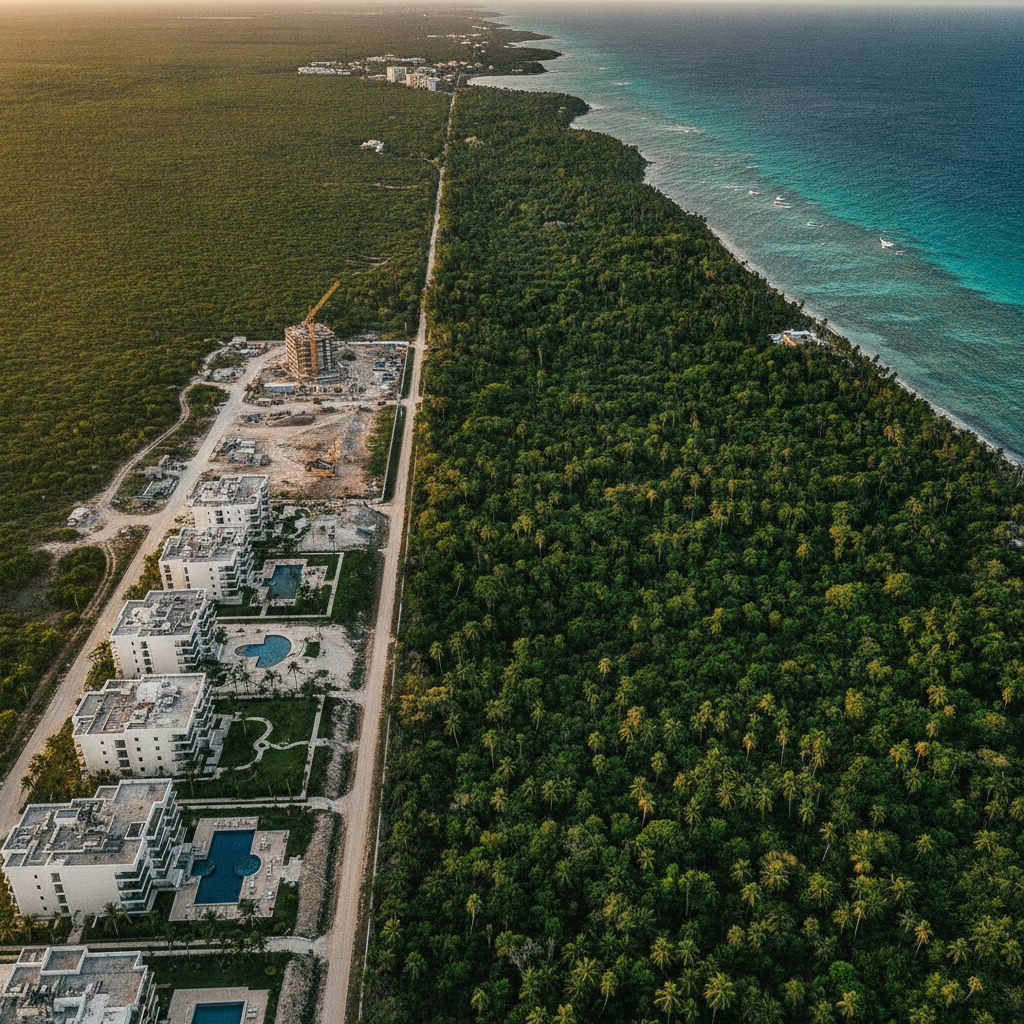
Tulum Real Estate Speculation Narco Investment Organized Crime and the Political Economy of How the Most Beautiful Beach in Mexico Was Sold to Money Launderers Hedge Funds and Instagram Influencers
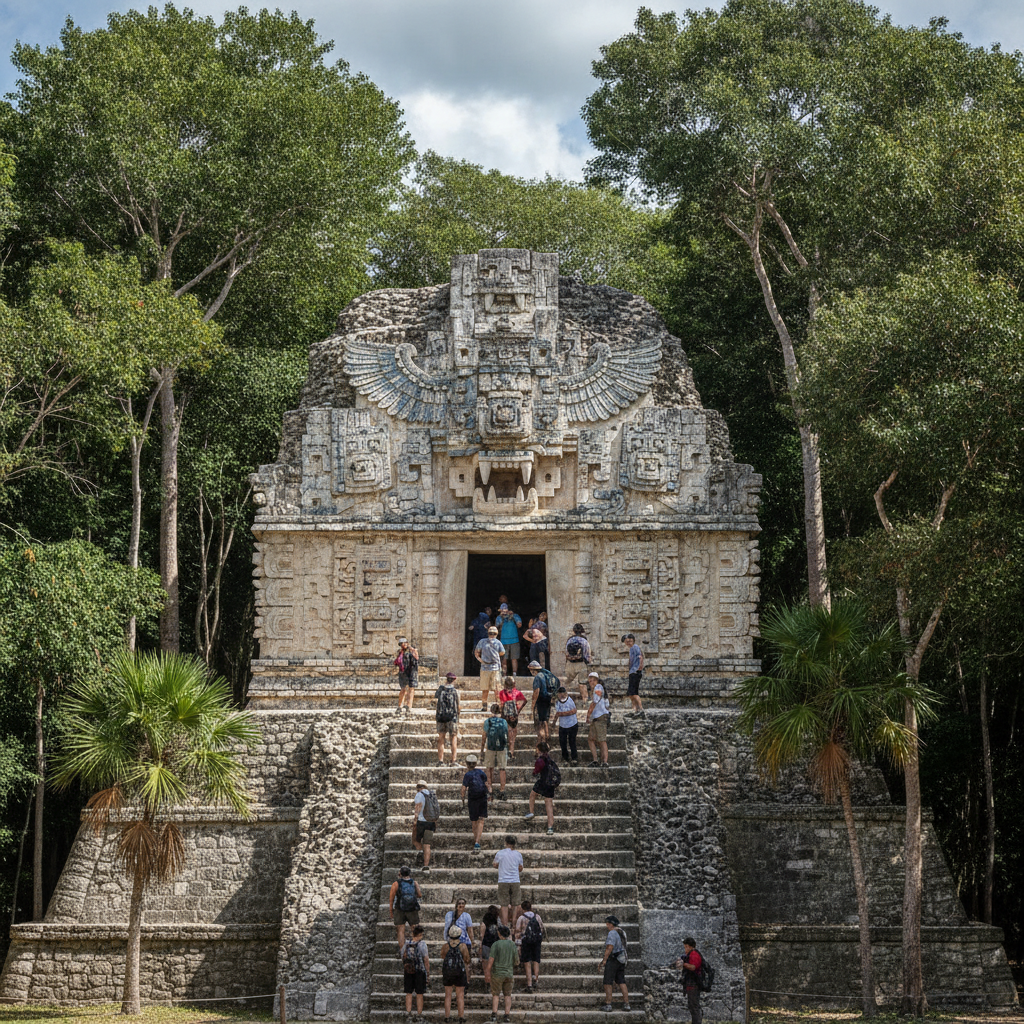
Tulum Maya Heritage Valladolid Chichen Itza Ek Balam and the Post-Classic Coastal Trade Network That Connected the Caribbean to the Heart of Mesoamerica
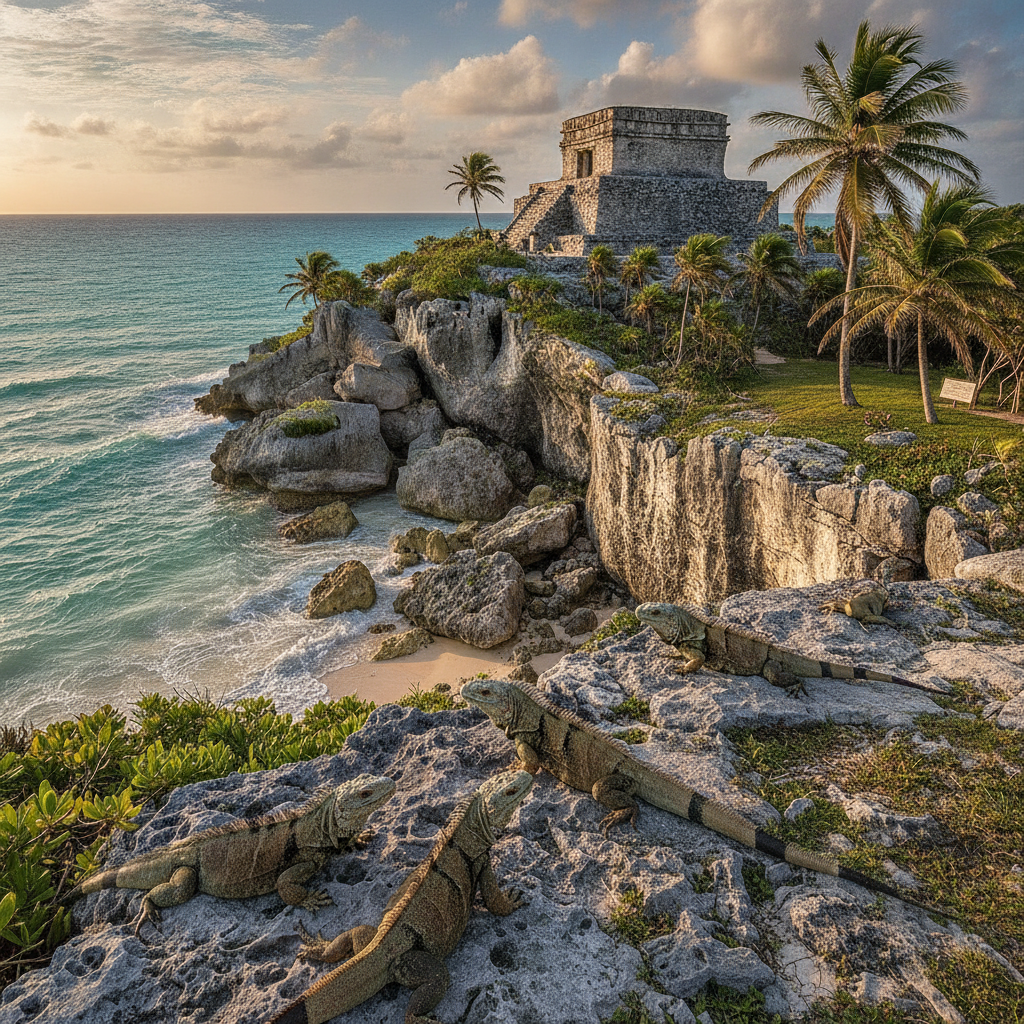
Tulum Maya Ruins on the Caribbean Cliff Gran Cenote Sian Kaan Biosphere and the Beach Town That Became the Worlds Most Instagrammed Destination and Its Own Ecological Crisis