Tripoli Old City Souks and Khans
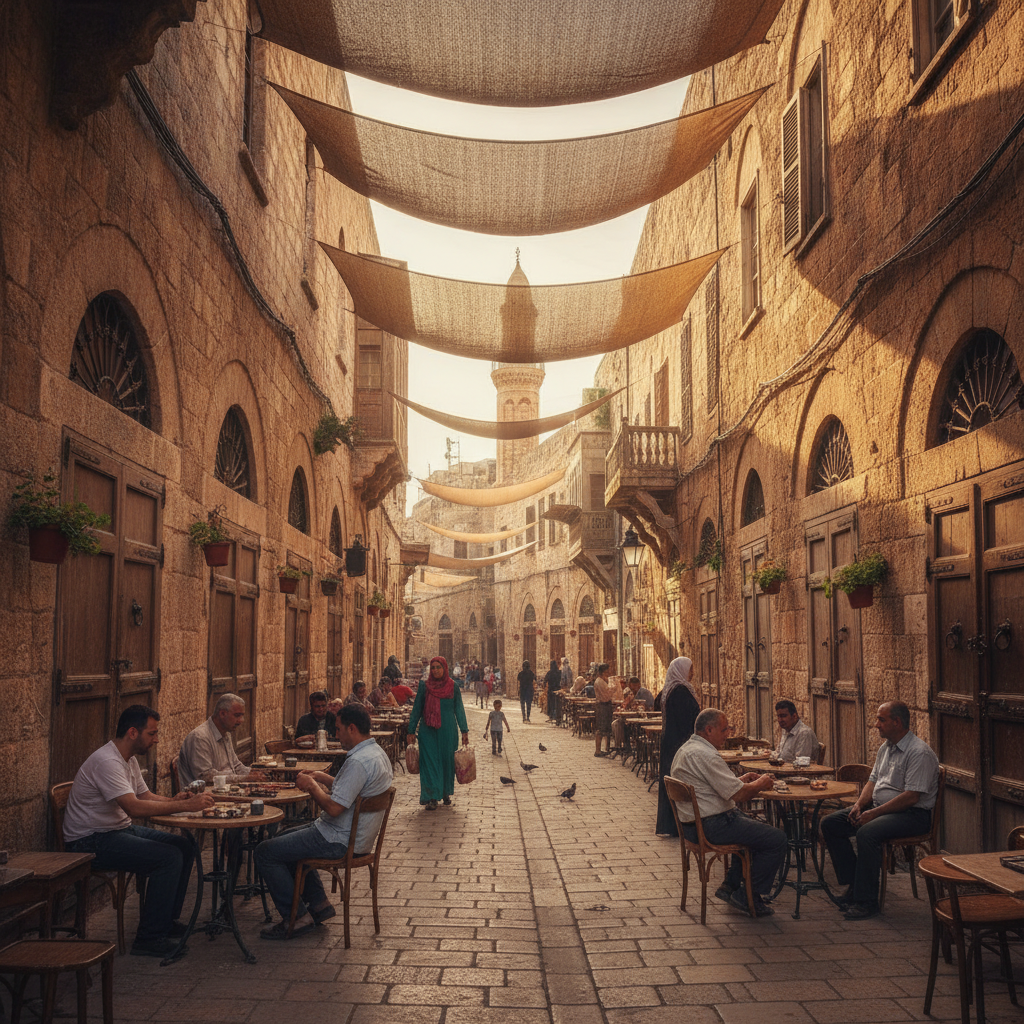
Explore the extraordinary medieval souks of Tripoli old city, one of the best-preserved Mamluk urban landscapes in the world, where specialized market lanes, soap khans, and covered bazaars have operated for 700 years.
- 1
Khan al-Saboun
Visit Khan al-Saboun, the Soap Khan, where the famous Tripoli olive oil soap has been produced and traded for centuries, the large caravanserai courtyard surrounded by storage rooms and workshops still trading in the distinctive local soap.
- 2
Goldsmith Souk
Browse the goldsmith souk where Lebanese jewelers display their elaborate traditional gold work, the concentrated commercial lane of jewelers continuing a trading specialization that dates from the Mamluk period.
- 3
Covered Textile Market
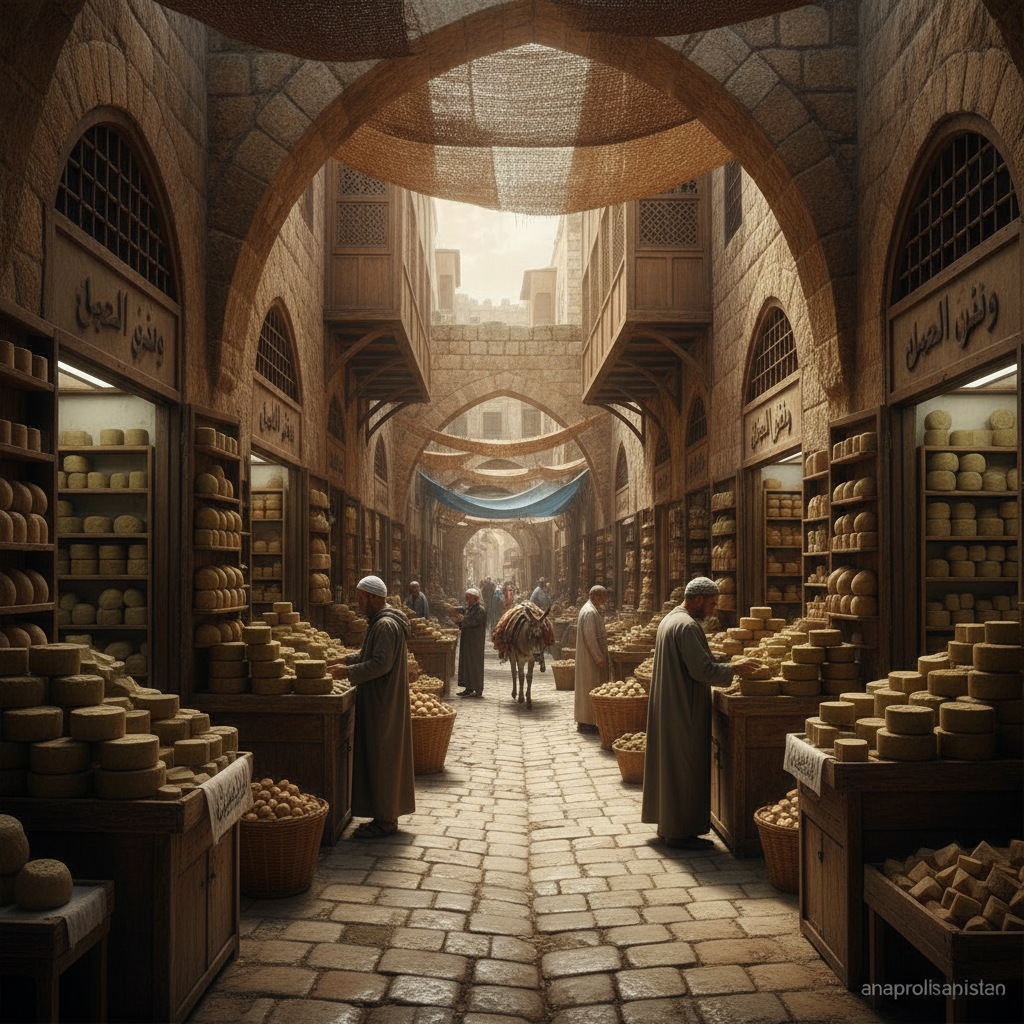
Walk the covered textile market where bolts of fabric, traditional garments, and imported goods fill the stalls under a vaulted stone roof, the market architecture and commercial character preserved from the 14th century.
- 4
Khan al-Masriyyin
Enter Khan al-Masriyyin, the Egyptian Khan, one of the finest caravanserais in Lebanon where Egyptian Mamluk merchants once warehoused their goods, the beautifully proportioned courtyard now housing a mix of artisan workshops.
- 5
Soap Workshop
Visit a traditional soap workshop where Tripoli olive oil soap is still made in the traditional manner, the green soap cut into distinctive bars and stamped with the makers mark before curing in the stone-vaulted storerooms.
- 6
Spice Market
Inhale the fragrance of the spice market where large sacks of cumin, coriander, cinnamon, and the distinctive Lebanese seven-spice blend fill the lane, the spice trade a continuous commercial presence in Tripoli for over a millennium.
Walk this route with audio
Stories play automatically as you reach each stop — no tapping needed.