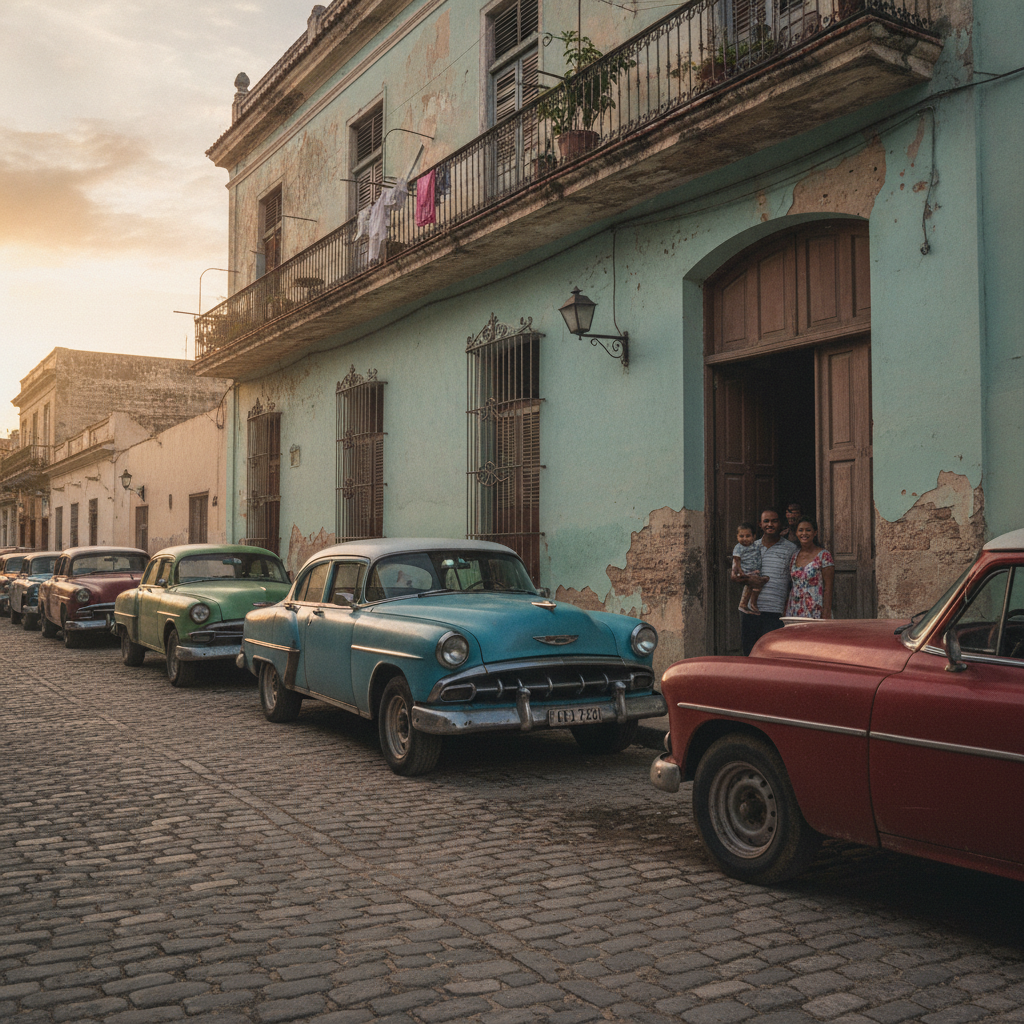
Trinidad Cuba Culture and Context: Son Music Origins, the Escambray Rebellion, Afro-Cuban Cabildos, and the Zapata Wetland
The deeper cultural and historical context of Trinidad Cuba encompasses the son music genealogy that became global salsa, the forgotten Escambray Rebellion in the mountains behind the city, the Afro-Cuban Cabildo tradition that preserved African culture, and the Bay of Pigs wetland that combines Cold War history with Caribbean birdwatching.
- 1
Cuban Economy and the Trinidad Tourism Bubble
Trinidad exists within the dual-currency Cuban economy that separates the tourist sector, which operates in hard currency, from the peso economy of the local population, creating a visible economic inequality between the tourist-facing businesses of Plaza Mayor and the daily life of the Trinidad community. The growth of the casa particular and private restaurant sectors following the economic reforms of the post-2010 period has created a local entrepreneurial class that navigates between the state economy and the tourist market.
- 2
Internet and Communication in Trinidad
Internet access in Cuba is controlled by the state telecommunications monopoly ETECSA, with the Wi-Fi hotspots in the parks and the ETECSA offices providing the primary connectivity for visitors and for the Cuban residents who purchase time-limited access cards. The social media use by the younger Trinidad population, particularly Instagram and WhatsApp, has created a dual information environment where the tourist experience of the colonial city and the local daily life are documented in parallel streams.
- 3
Cuban Music Revolution: How Son Became Salsa
The musical genealogy that connects the son cubano of the Trinidad countryside to the salsa of New York passes through the great Cuban dance bands of the 1940s and 1950s that brought the son to Havana and then through the Cuban diaspora that took the music to New York after the revolution. The son cubano heard in the Trinidad casa de la trova is the root form of the music that the Fania records popularized globally as salsa and that continues in the contemporary urban Latin music tradition.
- 4
Sierra del Escambray: The Forgotten Insurgency
The Sierra del Escambray behind Trinidad was the theater of the Escambray Rebellion of 1959 to 1965, in which anti-Castro insurgents supported by the CIA fought a guerrilla campaign against the revolutionary government in the same mountains where revolutionary forces had operated against Batista. The rebellion, suppressed by mass deportation of the peasant population of the mountains, is one of the least-discussed episodes of post-revolutionary Cuban history.
- 5
Afro-Cuban Identity in Trinidad: The Cabildo Tradition
The cabildos, the mutual aid societies organized by the enslaved African communities in Cuba by their African national identity, were the primary institutional form through which the Yoruba, Fon, and Bantu cultural traditions were preserved through the colonial period. In Trinidad, the Cabildo de los Congos Reales is one of the oldest surviving cabildo organizations in Cuba and maintains the ceremonial music and dance traditions of the Bantu peoples brought to the Sancti Spiritus sugar plantations.
- 6
Environmental Trinidad: The Bay of Pigs Connection
The Bay of Pigs, the site of the 1961 CIA-sponsored invasion on the south Cuba coast 100 kilometers west of Trinidad, is also the location of the Cienaga de Zapata national park and biosphere reserve, the largest wetland in the Caribbean and the finest birdwatching destination in Cuba, with the Cuban crocodile, the endemic bee hummingbird, and dozens of migratory bird species accessible from the Playa Giron visitor facilities.
Walk this route with audio
Stories play automatically as you reach each stop — no tapping needed.
More in Trinidad
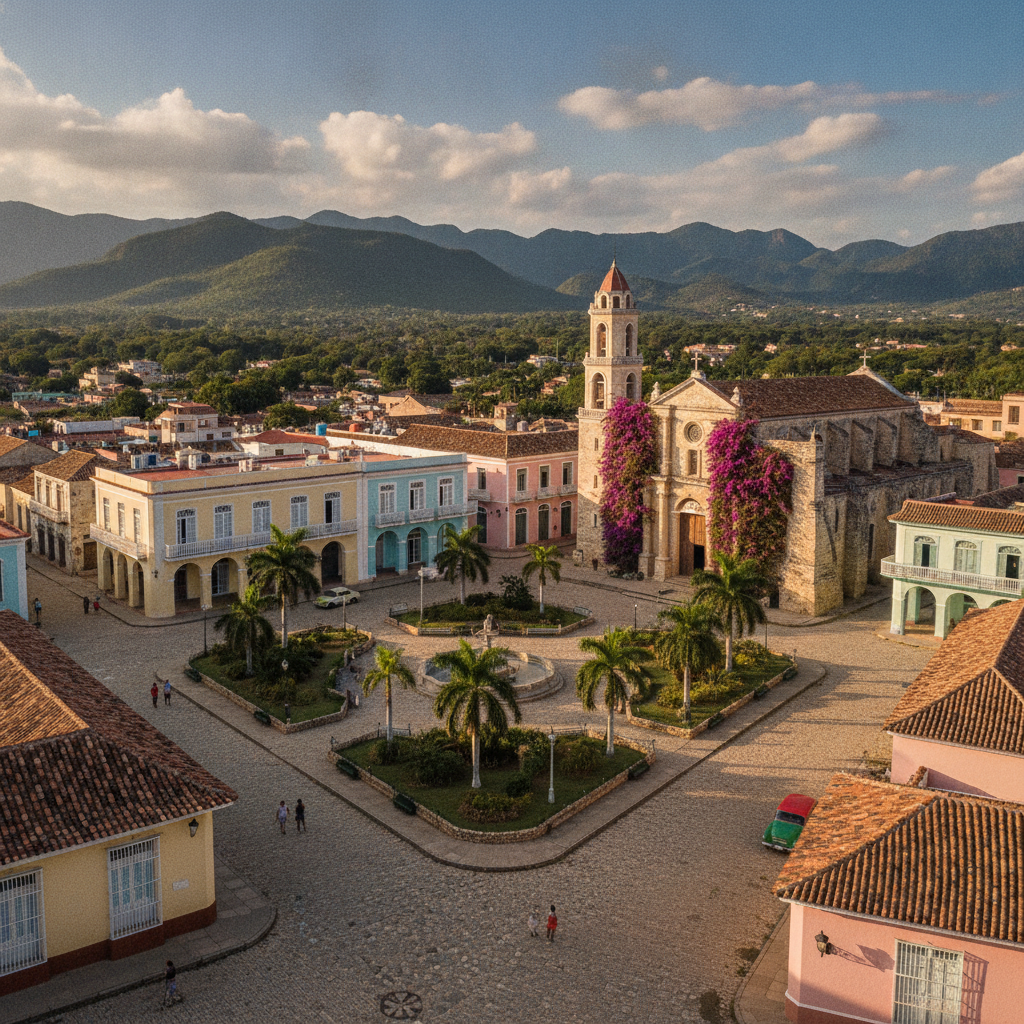
Trinidad Cuba: Plaza Mayor, the Valley of the Sugar Mills, Casa de la Musica, and Playa Ancon
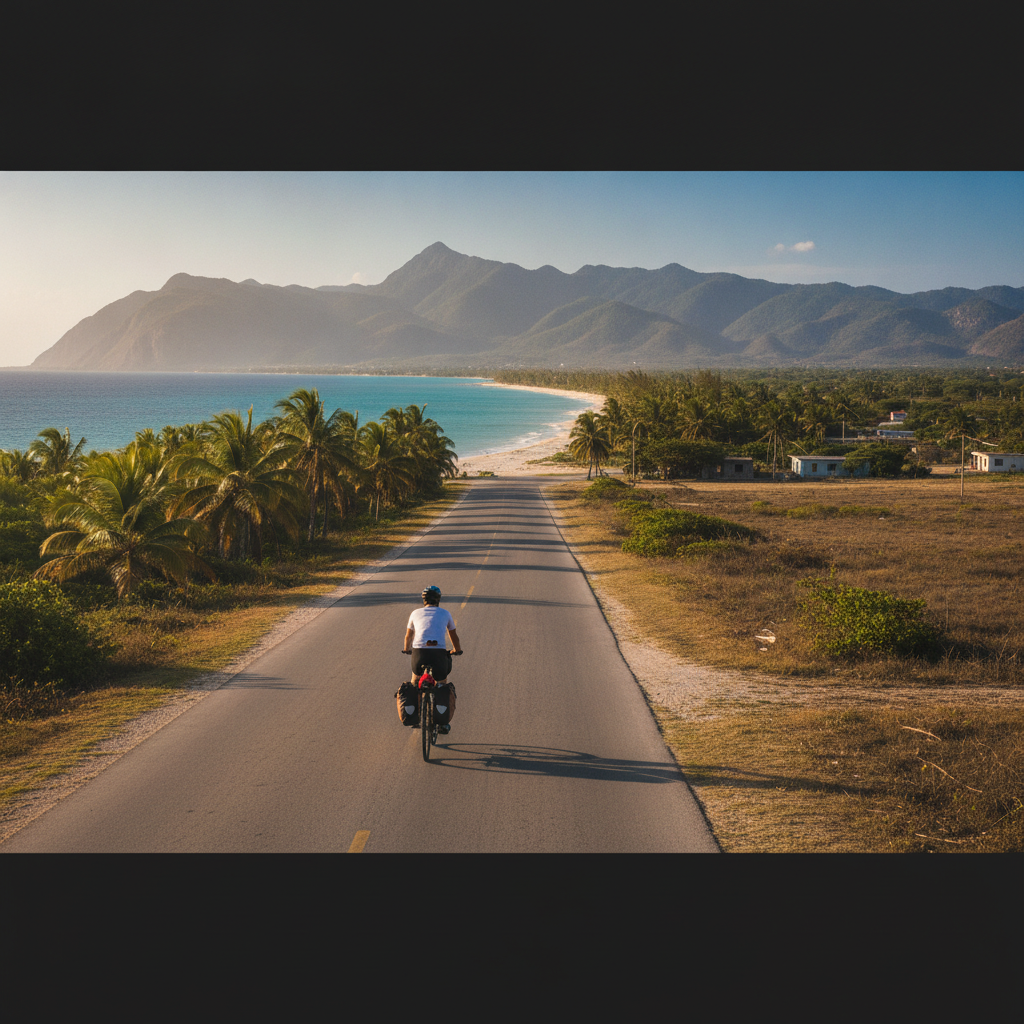
Trinidad Cuba Practical Guide: Casa Particulares, Son Cubano Music Roots, Cycling to Playa Ancon, and Cienfuegos
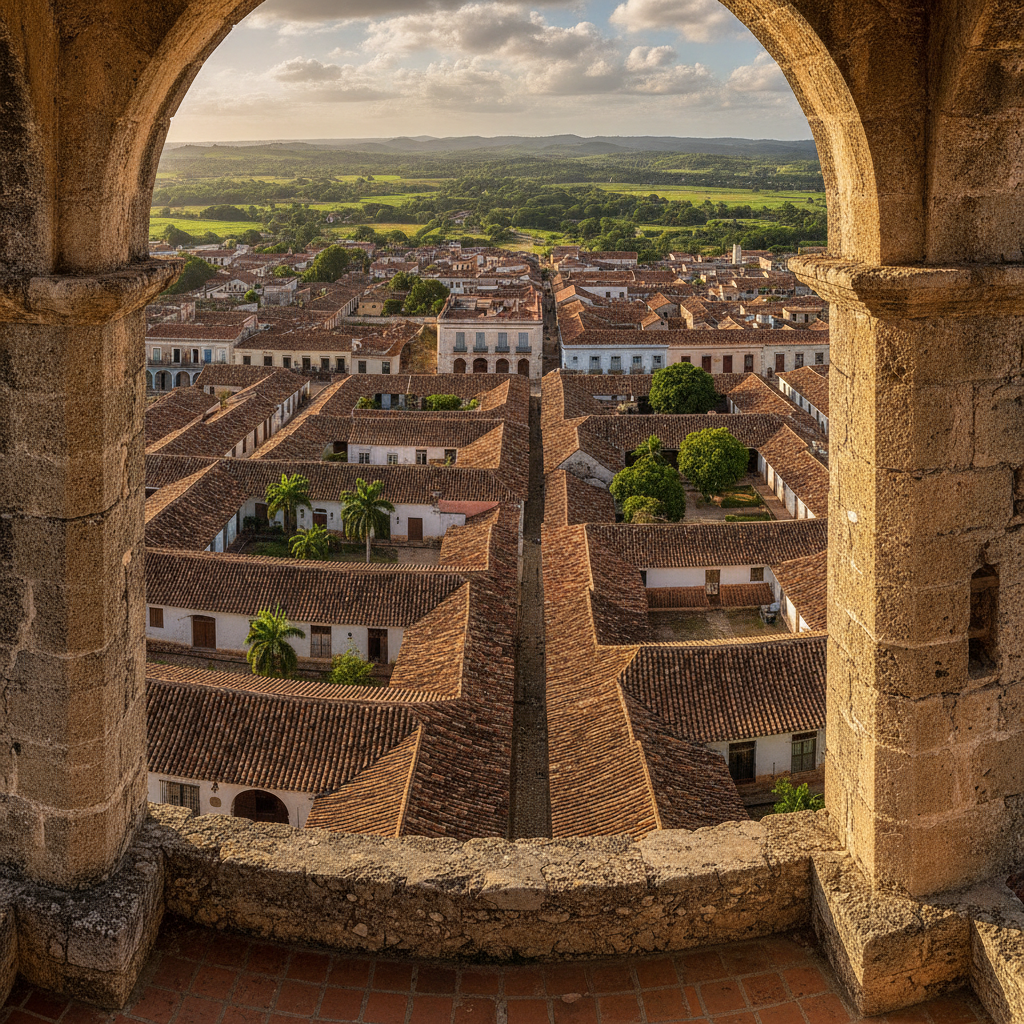
Trinidad Cuba Complete: Bell Tower View, the Cabildo Ceremony, La Boca Fishing Village, and the Sea Wall Sunset
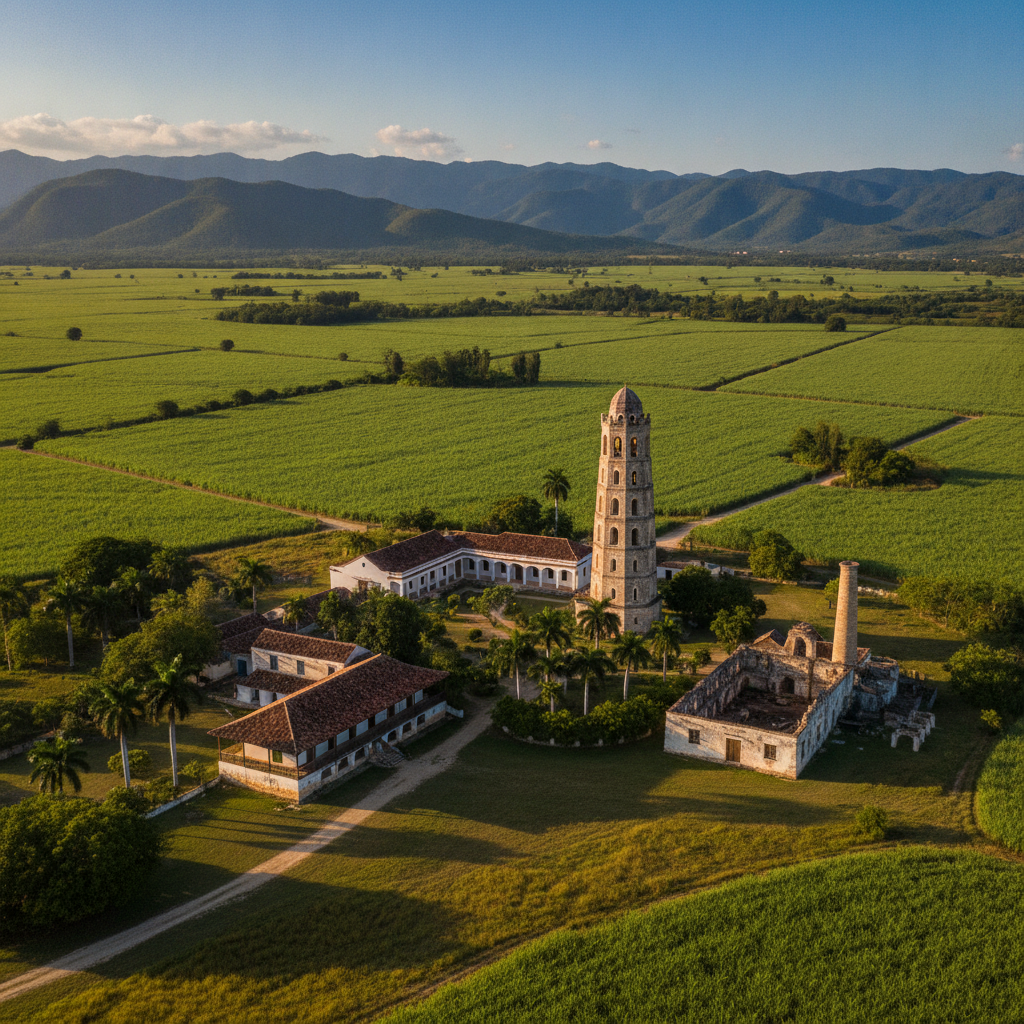
Trinidad Cuba History: The Canchanchara Cocktail, Plantation Houses, the Watchtower, and the Slavery Legacy
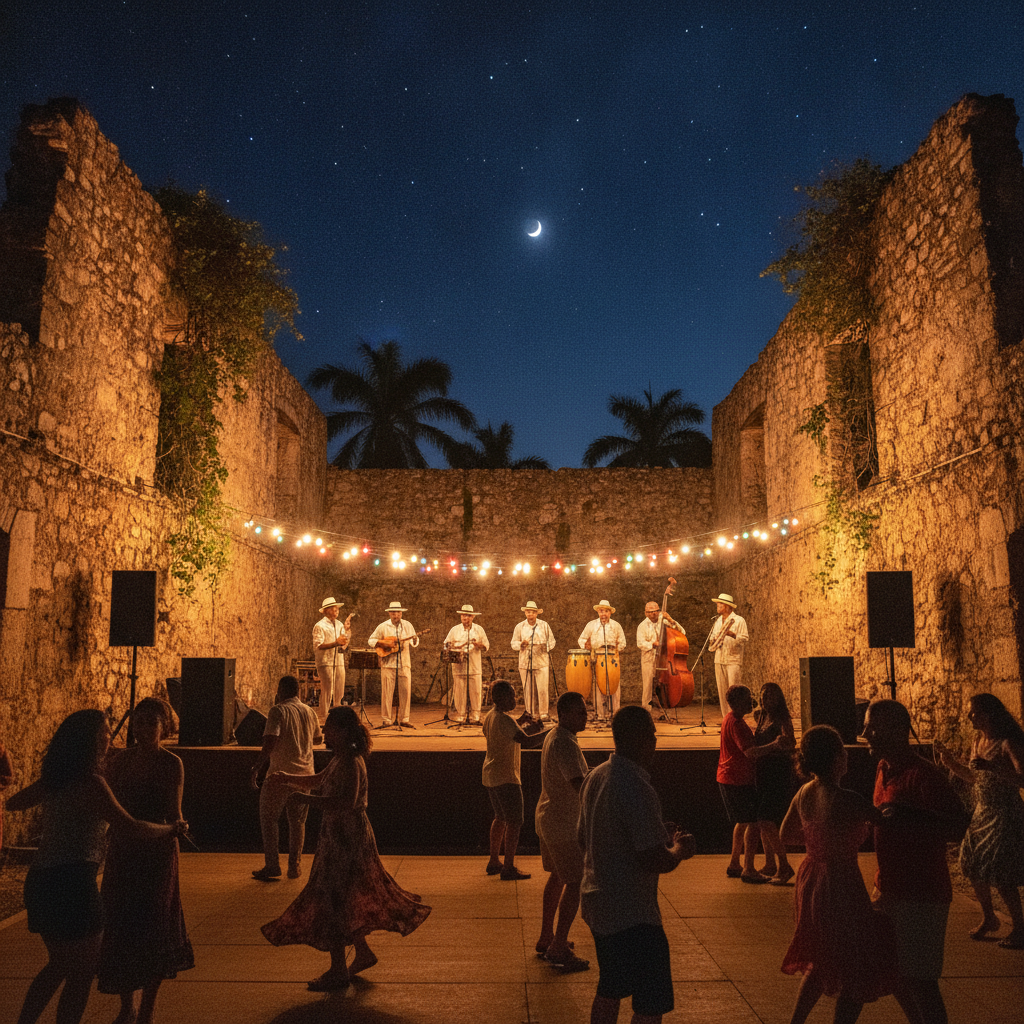
Trinidad Cuba Activities: Reef Diving, Night at the Ruins, Horseback Valley Tours, and the Eastern Cuba Route