Trabzon Identity: The Laz People and Black Sea Ethnic Identity, the Pontic Greek Diaspora Memory, Black Sea Migration to Germany and Russia, the Laz Language and Culture, and the Complex Identity of the Eastern Black Sea
The Trabzon identity route covers the Laz people and the Black Sea ethnic identity, the Pontic Greek diaspora memory and the refugee generation, the Black Sea migration to Germany and Russia, the Laz language and cultural tradition, and the complex contemporary identity of the eastern Black Sea region that combines the Turkic, the Laz, the Pontic Greek, and the Georgian cultural layers.
- 1
Laz People: The Black Sea Indigenous Identity
The Laz, the South Caucasian ethnic group that originally inhabited the southeastern Black Sea coast from the Rize to the Georgian border regions, are the indigenous population that the Byzantine and the Ottoman empires incorporated without eliminating their distinct language and cultural identity. The Laz language, a Kartvelian language closely related to Mingrelian and the most distant relative of Georgian in the Kartvelian family, is spoken by approximately 200,000 people in the Rize and Artvin provinces and is the only non-Turkic non-Greek indigenous language still spoken on the Turkish Black Sea coast.
- 2
Pontic Greek Diaspora: The 1923 Refugee Memory
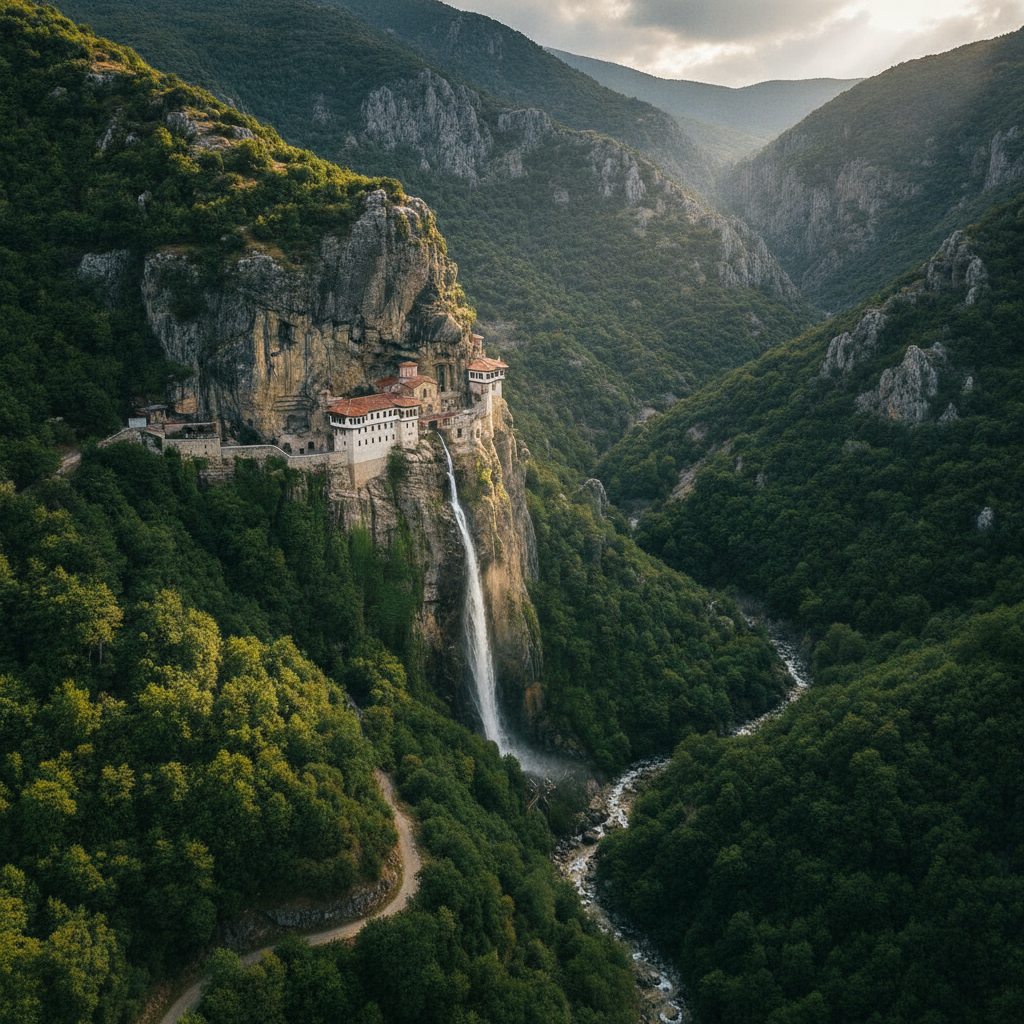
The Pontic Greek diaspora community, the descendants of the approximately 360,000 Greek Orthodox Christians expelled from the Trabzon, Samsun, and the Pontus region in the 1923 population exchange, maintains the most distinctive single diaspora culture in the Greek world with the Pontic Greek dialect, the Pontic music of the kemençe, the Pontic sword dance, and the Sumela icon that was carried to Veria in northern Greece in 1923 and that the diaspora venerates as the most important single portable heritage object of the Pontic Greek community. The Sumela icon returns to the Sumela Monastery for the annual August 15 liturgy.
- 3
Black Sea Migration: Germany and Russia
The Black Sea Turkish migration to Germany, which brought the largest single Turkish regional community in Germany from the Trabzon and the Rize provinces in the 1960s and 1970s labor migration, and the Black Sea migration to Russia in the 19th and early 20th centuries, have created the most geographically dispersed single regional diaspora in Turkey with the Trabzon communities in Frankfurt, Hamburg, and Dusseldorf maintaining the Black Sea identity in the most complete diaspora community outside Turkey. The Trabzon-Frankfurt connection is the most frequently cited single emigration link in the Turkish regional diaspora literature.
- 4
Laz Culture: Music, Dance, and the Kemençe
The Laz and the Black Sea Pontic cultural tradition shares the kemençe bowed fiddle, the three-stringed instrument played on the knee or the shoulder that provides the most distinctively Black Sea single musical sound in Turkey, and the horon sword dance as the most physically demanding collective dance in the Turkish folk tradition. The Trabzon Music Festival and the Rize cultural events preserve the most complete living performance of the Black Sea music and dance tradition and the venues where the kemençe is played by the last generation of the traditional musicians.
- 5
Black Sea Region: The Cultural Complexity
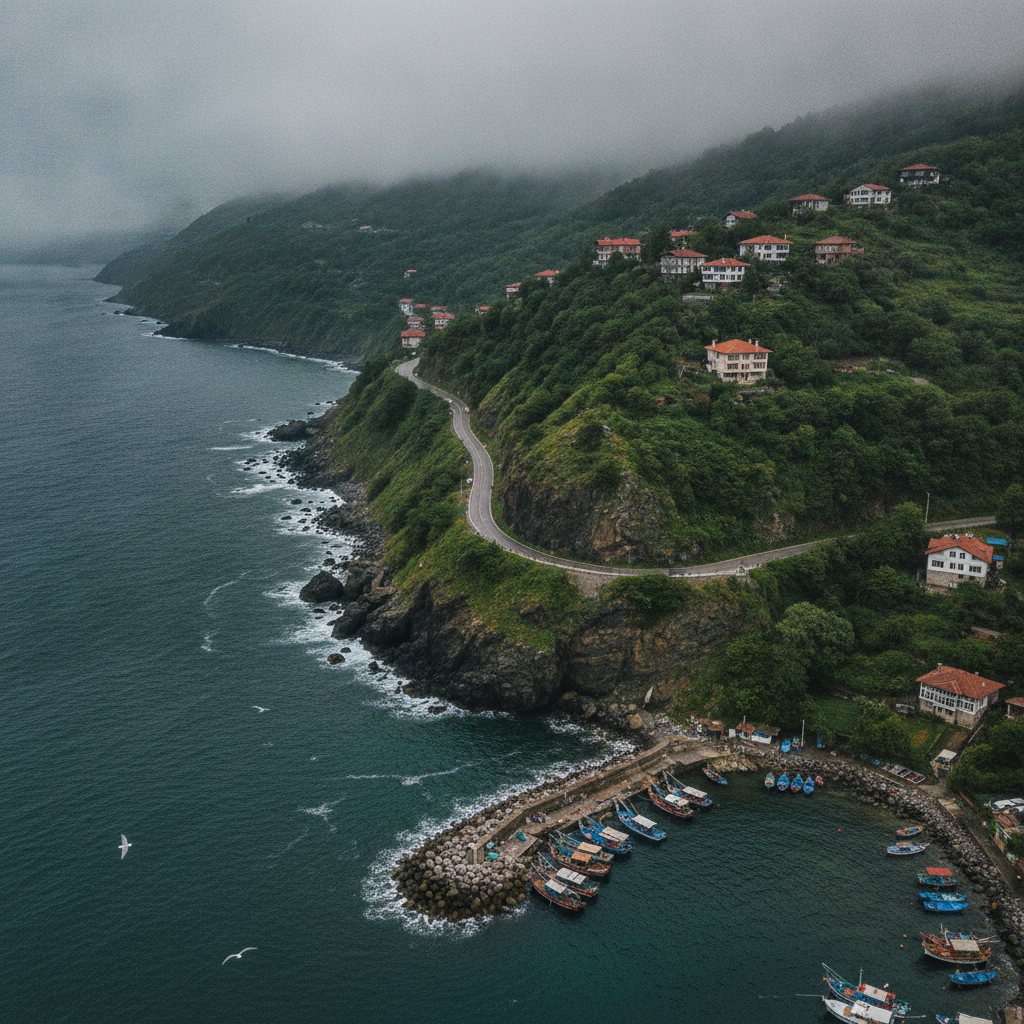
The eastern Black Sea region, where the Turkic-speaking Muslim communities that arrived in the Ottoman period, the Laz South Caucasian community, the Hemshinli Armenian Muslim community of the Rize highlands, and the memory of the Pontic Greek Orthodox community that the 1923 exchange removed, overlap in the most ethnically and culturally complex single region in Turkey, is the landscape that most completely challenges the simplified national identity narrative. The Hemshin people of the Rize highlands, who converted from Armenian Christianity to Sunni Islam in the 17th century and maintain Armenian surnames alongside Turkish first names, are the most historically layered single ethnic community in the Turkish Black Sea region.
- 6
Trabzon Summary: The End of Byzantium
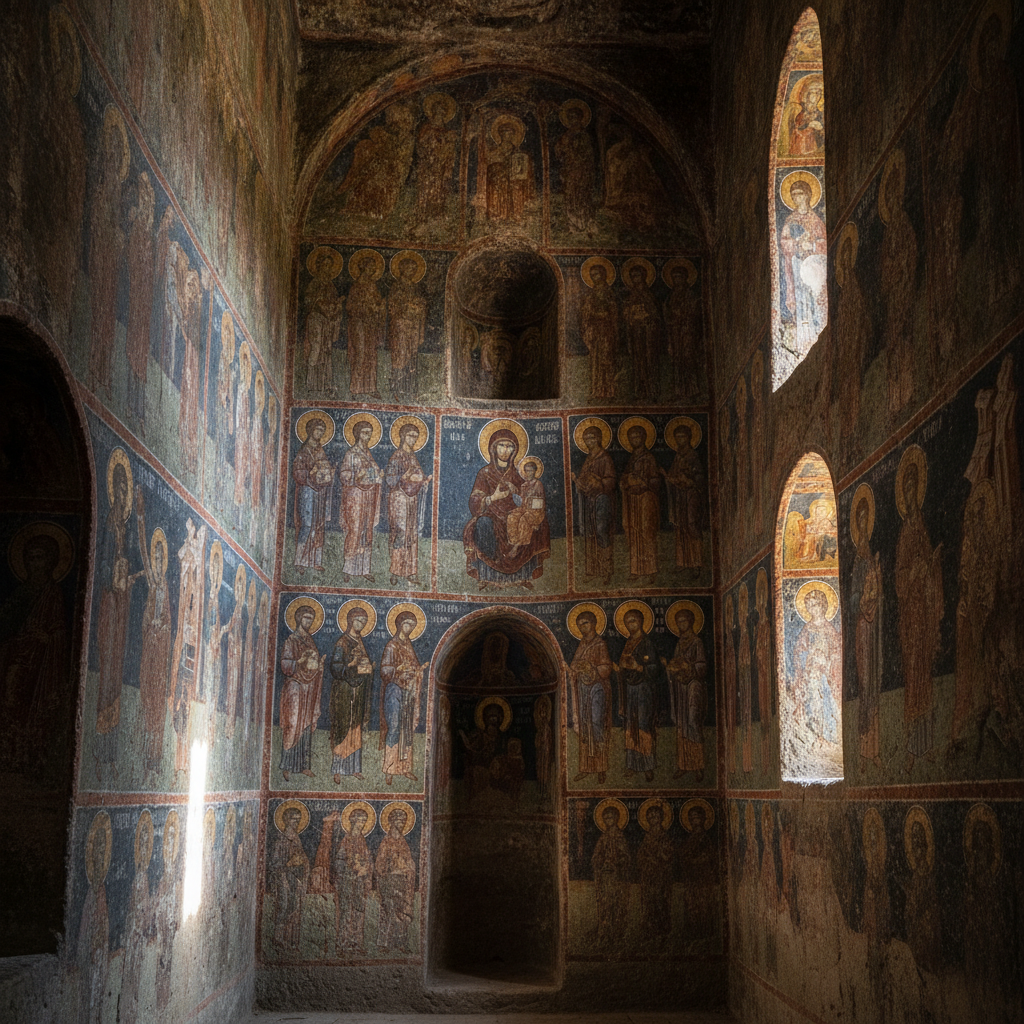
Trabzon, the city where the last Byzantine civilization ended with the Ottoman conquest of 1461 and where the Pontic Greek community maintained the Byzantine cultural heritage until the 1923 population exchange, is the city where the visitor most completely encounters the end of the Byzantine world and the beginning of the Turkish national identity in the same landscape. The Sumela Monastery in the cliff, the Hagia Sofia with the frescoes and the minaret, and the Ataturk Villa on the hill above are the three monuments that most completely tell the story of the Trabzon historical transition from the Byzantine to the Turkish, and together they constitute the most historically meaningful single city circuit on the Turkish Black Sea coast.
Walk this route with audio
Stories play automatically as you reach each stop — no tapping needed.
More in Trabzon
Trabzon Essential: Sumela Monastery in the Cliff, Hagia Sofia Byzantine Church, the Pontic Kingdom History, Ataturk Villa, Byzantine and Pontic Greek Heritage, and the Black Sea Character
Trabzon Food and Culture: Hamsi Anchovy Cuisine, the Black Sea Pide, Muhlama Cheese Fondue, the Horon Sword Dance, Black Sea Tea Culture, and the Rize Tea Plantation Day Trip
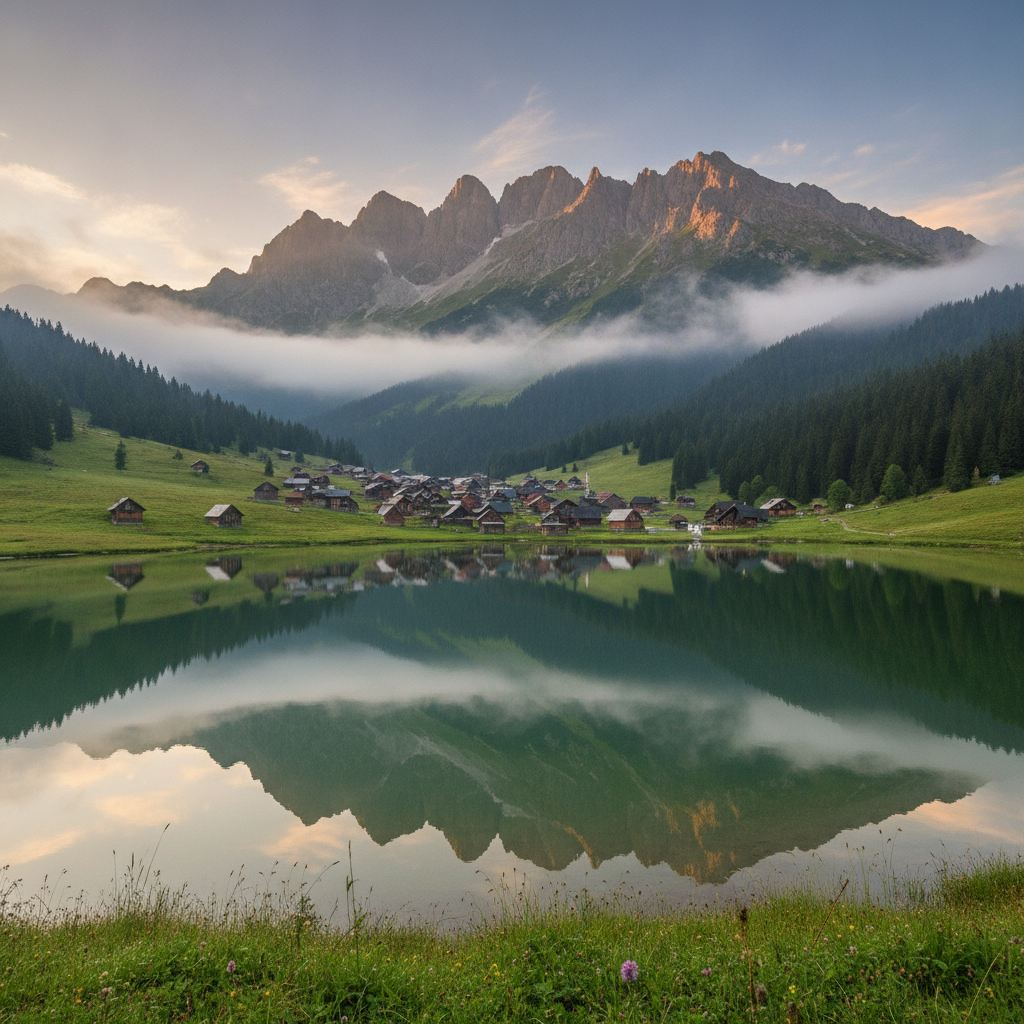
Trabzon Modern Life: Trabzonspor Football Fanaticism, the Black Sea Bazaar District, Uzungol Glacier Lake Tourism, the Trabzon Character in Contemporary Turkey, and the Gulf of Trabzon Landscape

Trabzon Mountain Heritage: Ayder Highland Plateau Hot Springs, Kackar Mountains Trekking, Pontic Mountain Climate, the Firtina Valley Humpback Bridges, and the Black Sea Mountain Ecology
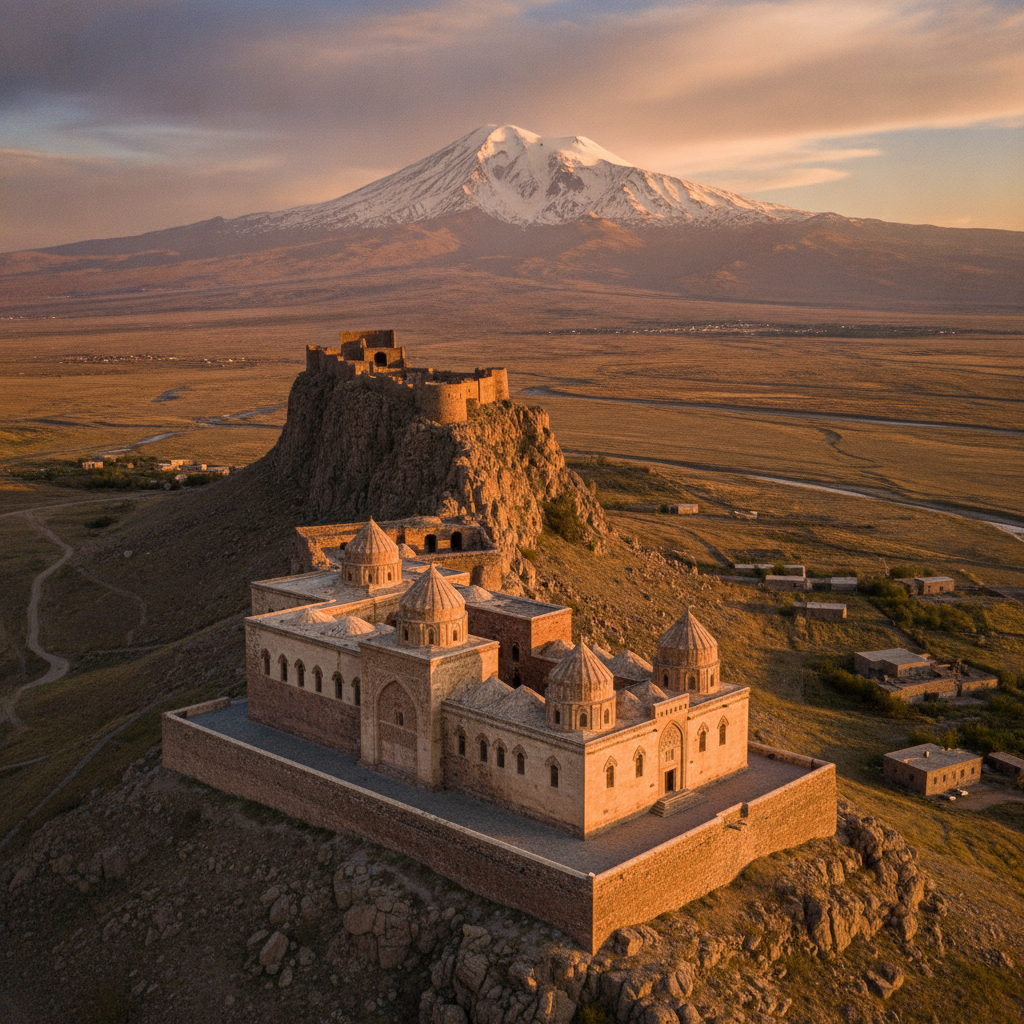
Trabzon Gateway East: The Silk Road Heritage, Georgia Batumi Border Crossing, Artvin and the Georgian Church Heritage, the Coruh Valley Whitewater, and the Eastern Black Sea to Caucasus Route