Shinjuku: Golden Gai, Kabukicho & the Garden at the Heart of the Neon City
Shinjuku handles more than 3.5 million passengers per day—more than any other train station on Earth—and the district around it is a compressed universe of contradictions: the world's largest red-light district (Kabukicho), a warren of 200 tiny bars that has survived 70 years of urban development (Golden Gai), the quietest and most beautiful garden in central Tokyo (Shinjuku Gyoen), the tallest skyscraper observation deck in the city (Tokyo Metropolitan Government Building, free of charge), and an underground warren of ramen shops so old they have no ventilation (Omoide Yokocho, 'Memory Lane').
- 1
Golden Gai — 200 Bars in Six Alleys
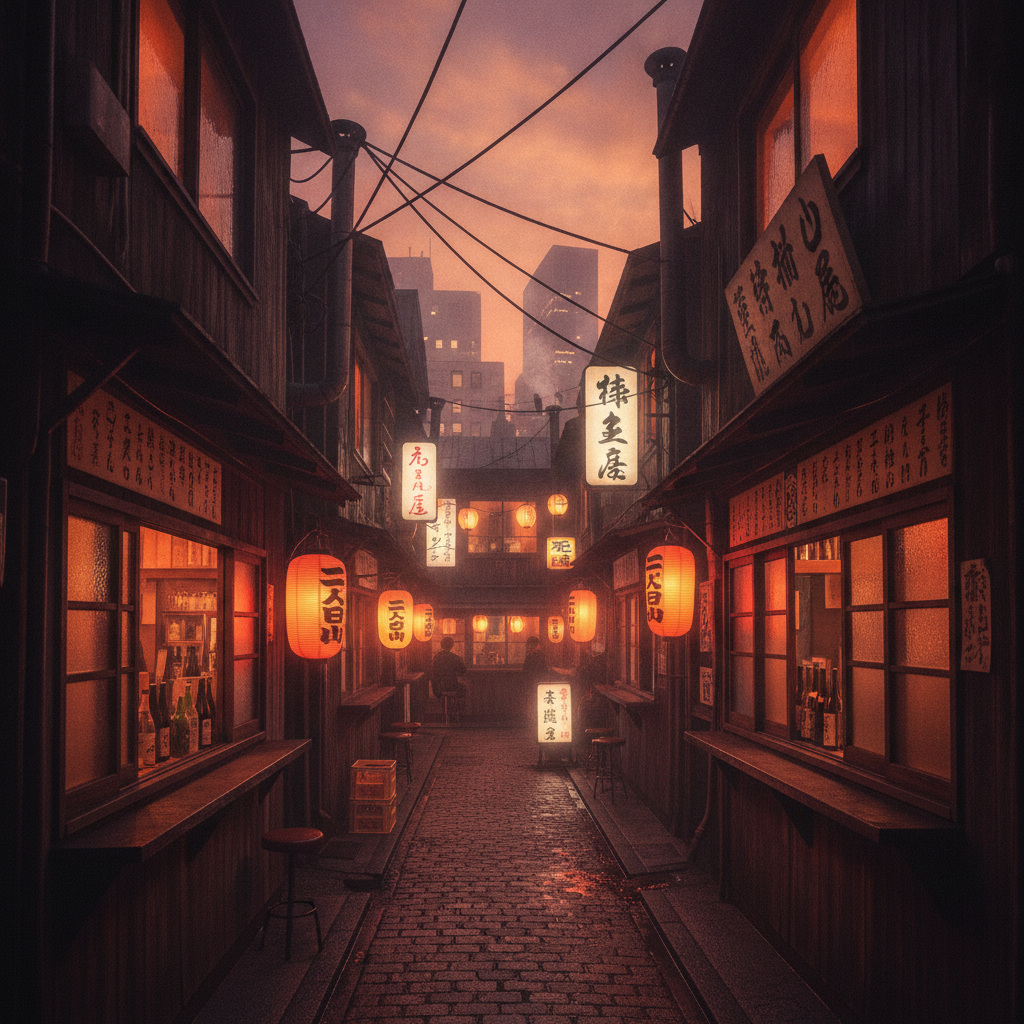
Golden Gai (ゴールデン街) is a cluster of six narrow alleys in Kabukicho, Shinjuku, containing approximately 200 tiny bars—most seating only 5–8 customers—occupying two-storey wooden buildings that have survived since the immediate postwar period (late 1940s). The area survived multiple redevelopment threats, including a Yakuza-linked attempt to burn it down in the 1980s, and is now legally protected as a historic district. Each bar has its own micro-personality: some specialize in jazz, some in film, some in particular authors (there is a Mishima bar and a Kafka bar); some serve only regulars and will turn away tourists (a sign on the door will say so—respect it); most welcome visitors, especially those who can navigate the lack of a menu or a cover charge (typically ¥500–¥1,000). Golden Gai is at its most atmospheric between 10 PM and 2 AM on weeknights; avoid weekend nights if possible as it gets overcrowded. The area is directly adjacent to Hanazono Shrine (a small Shinto shrine open 24 hours, used by hostesses and bar workers as a place of worship during their shift breaks).
- 2
Kabukicho — Tokyo's Entertainment District
Kabukicho (歌舞伎町), the district north of Shinjuku Station's east exit, is the largest and most famous entertainment and nightlife district in Japan: a dense grid of bars, clubs, host clubs, hostess clubs, love hotels, pachinko parlors, izakayas, and restaurants compressed into a few city blocks. The name derives from a plan in the immediate postwar period to build a Kabuki theatre on the site (the theatre was never built). The Kabukicho area has been substantially redeveloped in recent years, most notably with the construction of Tokyu Kabukicho Tower (2023), a 48-story mixed-use tower containing a hotel, entertainment facilities, and the largest cluster of live music venues in Asia. The area is safe for tourists in the sense that violent crime is rare, but be aware of 'tout' culture—men on the street offering free drinks or companionship are invariably steering you toward establishments that will charge very large bills for very little service. Godzilla head is visible from the street on the rooftop of Gracery Shinjuku Hotel.
- 3
Shinjuku Gyoen — The Imperial Garden
Shinjuku Gyoen (新宿御苑) is a 58-hectare park in the south of Shinjuku, originally an imperial household garden (opened to the public after World War II) and now managed by the Ministry of the Environment. It contains three distinct garden styles: a French formal garden (geometric, symmetrical, with grand central allées), an English landscape garden (rolling lawn, mature trees, a serpentine pond), and a Japanese traditional garden (teahouse, stone lanterns, koi pond). The greenhouses contain tropical plants including cycads and giant water lilies. The park is famous as one of the top cherry blossom viewing sites in Tokyo (late March–early April; 1,500 trees of 65 varieties); and in mid-November as a chrysanthemum viewing site. Paid entry (¥500); alcohol is prohibited inside (unusual for a Tokyo park); the park closes at 4:30 PM (early, so plan accordingly). There are two tea ceremony pavilions inside where you can drink matcha.
- 4
Tokyo Metropolitan Government Building — Free City Views
The Tokyo Metropolitan Government Building (東京都庁, Tochō), designed by Kenzo Tange and completed in 1991, is a 48-floor twin-tower complex in Nishi-Shinjuku (West Shinjuku) that houses the administrative offices of the Tokyo Metropolitan Government—and its two observation decks (one in each tower, at 202 meters) are free of charge, open until 11 PM (the North Tower is open every night; the South Tower closes occasionally for private events). The views are extensive and include Mount Fuji on clear winter mornings (west), the full Shinjuku skyscraper cluster at close range, and Tokyo Bay in the south. The building's façade—a grid of small square windows set into Gothic-cathedral-like vertical stone fins—is one of the most distinctive in Tokyo and famously polarizing; its critics call it 'postmodern kitsch', its admirers 'neo-Gothic futurism'. The surrounding Nishi-Shinjuku skyscraper district (Sumitomo, Mitsui, NS, Mode Gakuen Cocoon Tower) was built on the reclaimed land of the former Yodobashi water filtration plant and is the densest concentration of high-rise offices in Japan.
- 5
Omoide Yokocho — Memory Lane
Omoide Yokocho (思い出横丁, 'Memory Lane' or 'Piss Alley'—the nickname derives from the absence of toilet facilities in the original postwar market) is a narrow alley of tiny yakitori (grilled chicken skewer) and ramen restaurants running alongside the JR tracks on the west side of Shinjuku Station. The stalls are tiny (most seat 6–10 people at a counter), the ventilation is minimal (the smoke from the charcoal grills fills the alley), the prices are extremely low (a set of 5 yakitori skewers costs ¥500–¥800), and the atmosphere is completely unlike the shiny modern city nearby. The alley has been in continuous operation since the immediate postwar period and occupies land leased from JR Japan—the lease has been repeatedly renewed against the odds. Best visited after 6 PM when all stalls are open and the smoke and lantern light create their most atmospheric combination. Look for the local specialty: tan (beef tongue) and liver skewers alongside the standard chicken.
- 6
Shinjuku Station East Exit — The City's Living Room
The east exit plaza of Shinjuku Station—specifically the area around the Studio Alta building and the Takashimaya Times Square complex—is the social center of Shinjuku and one of the most peopled spaces in Tokyo at any hour between noon and midnight. The Alta Vision screen on the Studio Alta building (since 1980) is the oldest large-format outdoor screen in Japan and a designated meeting point so universally understood that people simply say 'meet me under Alta.' The surrounding blocks contain the entrance to Kabukicho, the Isetan department store (the most prestigious in Tokyo), Kinokuniya bookshop (the largest English-language bookshop in Japan, on the 6th floor), Loft (the most comprehensive design and stationery store in Japan), and the Mylord and Lumine shopping complexes. The east exit is also the entry point to the underground Shinjuku shopping city—several kilometers of underground passages connecting the station to the buildings of eastern Shinjuku without surfacing.
Walk this route with audio
Stories play automatically as you reach each stop — no tapping needed.
More in tokyo
Asakusa & Tokyo Skytree: Ancient Temple, Nakamise Street & the World's Tallest Tower
Akihabara & Ueno: Electric Town, Japan's Greatest Museum Mile & Ameyoko Market
Shibuya & Harajuku: Youth Culture, Sacred Forests & the World's Busiest Crossing
Roppongi Arts District & Tokyo Tower: World-Class Museums, Contemporary Architecture & the City's Most Iconic Silhouette
Tsukiji, Hamarikyu & Ginza: Dawn Seafood, the World's Most Expensive Shopping Street & a Garden by the Bay