Fuji's Cultural Detail: Yoshida Udon's 70 Private-House Restaurants Open Only at Lunch, the Yoshida Fire Festival's 72 Cedar Torches Burning Simultaneously on 26 August & the 80-Year Snowmelt Springs of Oshino Hakkai
Yoshida udon's raw cabbage topping in miso-soy broth as the most regionally specific noodle culture in Japan after Kagawa's Sanuki udon; the Kachi Kachi Yama ropeway's tanuki-and-rabbit folklore summit giving the Fuji photography location a distinctly Japanese whimsical character; Takabisha's 121.5-degree verified Guinness drop in the shadow of Fuji; the 8 Oshino Hakkai springs where 80-year-old Fuji snowmelt emerges with 2-metre-depth water clarity; the 72 cedar torches burning simultaneously at 18:00 on 26 August drawing 100,000 visitors as the most photographed Fuji festival moment of the year; and the restored pilgrimage trail through Fujiyoshida's 17th-century Tokugawa cedar forest to the 5th Station that was the original route before the road.
- 1
The Fuji Food Trail – Yoshida Udon & Hōtō Noodles
The Fuji Five Lakes food culture—concentrated in the Fujiyoshida city (the town at the base of the Yoshida Fuji trail, 5 minutes by Fujikyu Railway from Kawaguchiko Station) and the Kawaguchiko restaurant strip—is dominated by two noodle dishes that are specific to this region and unavailable in standard Japanese restaurants elsewhere. Yoshida udon (the Fujiyoshida-specific variety of udon—the thickest and firmest udon in Japan; the Yoshida udon noodle is made with a higher gluten flour (resulting in the firm, almost al-dente chew that is completely unlike the soft Kagawa udon of Shikoku) and served in a broth made from miso and soy sauce (rather than the dashi broth of other udon traditions); the cabbage topping (shredded raw cabbage mixed into the broth—the most distinctive characteristic of the Yoshida udon): the approximately 70 Yoshida udon shops in the Fujiyoshida area (many operating from private houses, open only at lunch, identified by the noren curtain in the doorway) are the most densely concentrated regional noodle culture in Japan after the Kagawa udon of Shikoku. Hōtō (the flat, wide wheat flour noodles cooked in miso soup with pumpkin—kabocha—mushrooms, and root vegetables; the traditional winter dish of Yamanashi prefecture; served in an earthenware pot that stays hot through the entire meal): the definitive Yamanashi comfort food, available at the Koshin restaurant chains in Kawaguchiko and at the traditional hōtō specialist restaurants in the Fujiyoshida area.
- 2
The Fuji Panoramic Ropeway & Kachi Kachi Yama
The Kachi Kachi Yama Ropeway (the Kawaguchiko Tenku no Yashiro (Heaven's Shrine) cable car—ascending from the Kawaguchiko lake shore to the Tenku-no-Yashiro Shrine on the ridge above the lake (the Mt. Fuji Panoramic Ropeway official name is Kachi Kachi Yama Ropeway—named for the Japanese folktale 'Kachi Kachi Yama' set on the mountain above the lake); 3 minutes ascent; panoramic views of the lake and Fuji from the ridge observation deck at 1,075 metres): the most accessible elevated Fuji view point in the Kawaguchiko area, providing the specific composition (Lake Kawaguchi in the foreground, Fuji behind) that the ground-level viewpoints cannot provide. The tanuki statue: the folklore associated with the Kachi Kachi Yama ropeway area (the raccoon dog/tanuki and the rabbit protagonists of the folktale depicted in the large tanuki bronze statue at the summit) gives the ropeway stop a distinctly Japanese whimsical character—the tanuki and the rabbit on the summit observation deck serve as the most photographed secondary subject to the Fuji backdrop. The Ubuyagasaki observatory: the observatory deck at the ropeway summit (the Tenku-no-Yashiro Shrine terrace—the highest publicly accessible viewing point above Lake Kawaguchi without a private vehicle) provides the most popular vertical Fuji view from the Five Lakes area—the same compositional angle that was used for the 1,000-yen note design, viewable from the public ropeway for JPY 900 return.
- 3
Fujikyu Highland – Japan's Most Thrilling Theme Park
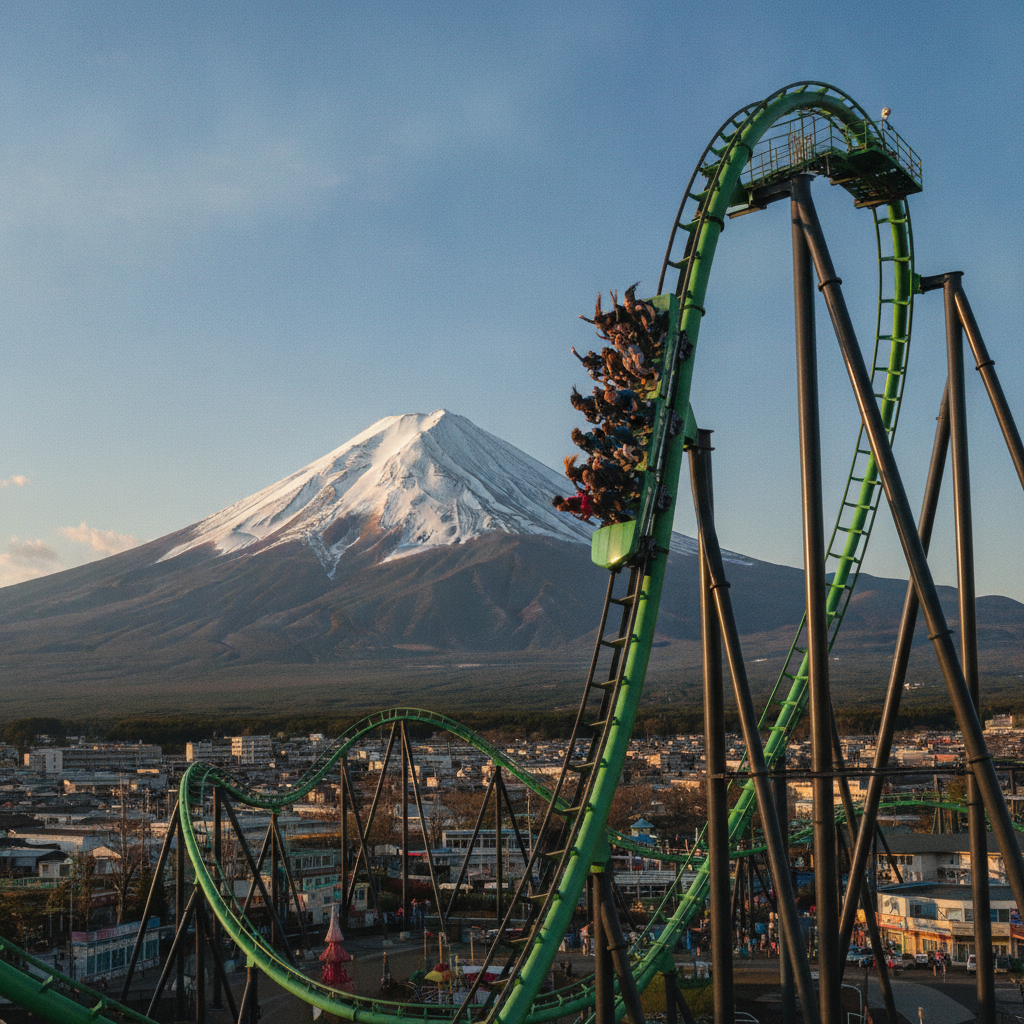
Fujikyu Highland (the theme park at the base of Mount Fuji in Fujiyoshida city, directly accessible by Fujikyu Railway from Kawaguchiko Station or from Ōtsuki on the JR Chuo Line): the most extreme roller coaster theme park in Japan and the home of several record-holding roller coasters that have drawn thrill-seekers from across Japan and from Korea for three decades. The coasters: the Takabisha (the world's steepest roller coaster when it opened in 2011—121.5-degree beyond-vertical drop; verified by the Guinness World Records; the only coaster in Japan with a section steeper than vertical; the descent takes 3.5 seconds); the Fujiyama (the tallest roller coaster in Japan at 79 metres—the most classic and most beloved coaster at the park, operating since 1996; 3.5-minute ride; maximum speed 130 km/h); the Eejanaika (the 4th Dimension roller coaster where the individual seats rotate independently while the train moves—the 360-degree rotation of the seat adds a dimension of experience unavailable on standard coasters). The Fuji backdrop: the Fujikyu Highland coasters operate against the background of Mount Fuji—the Fujiyama in particular provides the most dramatic rollercoaster-and-sacred-mountain visual combination in the world. The haunted house: the Haunted Hospital (Fuji-Q Highland's award-winning walk-through horror attraction—rated the world's scariest haunted house by multiple international horror entertainment publications from 2013 to 2018).
- 4
The Fuji Five Lakes Onsen Circuit – Hot Springs at the Mountain Base
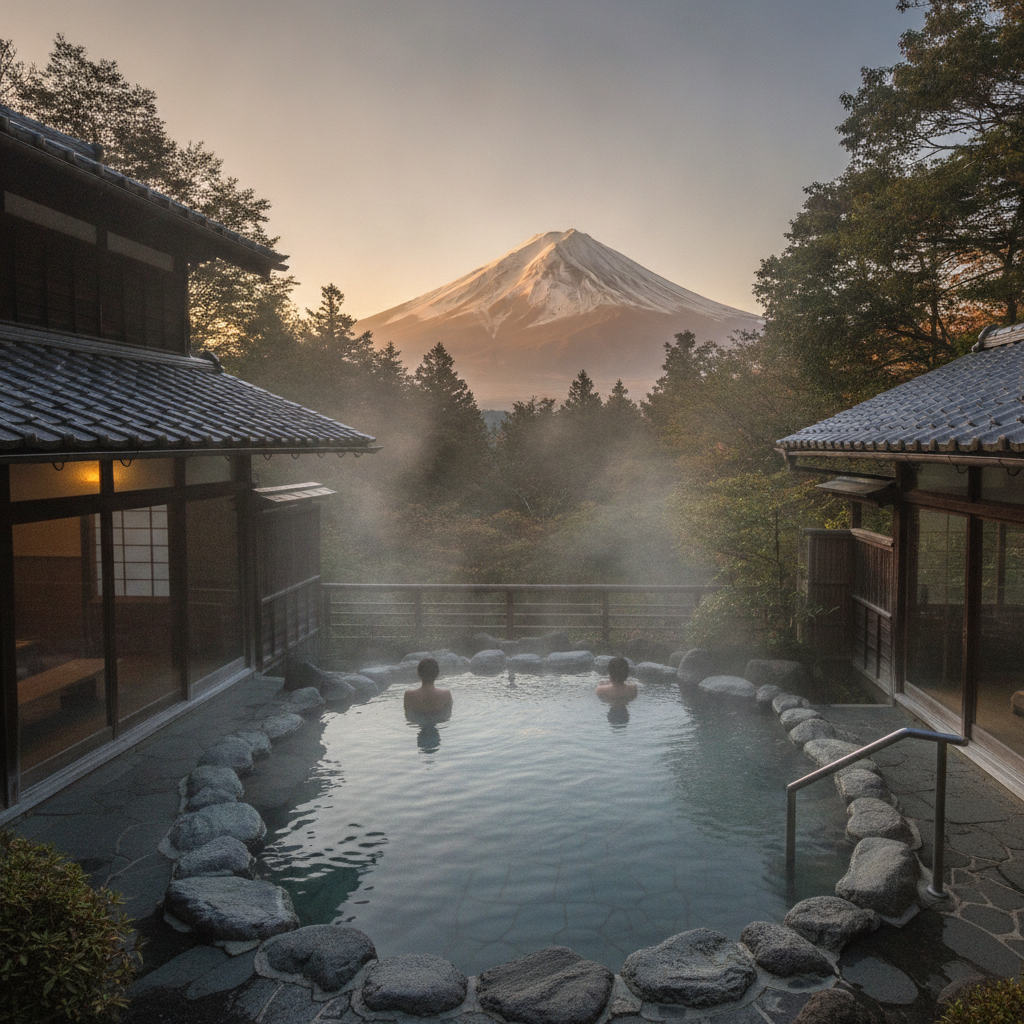
The onsen (hot spring) culture at the Fuji Five Lakes—the mineral spring bathing tradition that has been the primary reason for visits to the Fuji area by Japanese travellers since the Edo period (the hot springs at the Fuji base having been used by pilgrims before and after the mountain ascent)—provides the most complete single-area onsen experience available outside of Hakone or the major onsen destinations of northern Japan. The Fujiyama Onsen (the large day-use onsen facility at the base of Fujiyama roller coaster at Fujikyu Highland—accessible without purchasing the amusement park admission; the most geothermally significant onsen in the Kawaguchiko area, with the mineral composition closest to the volcanic source): the outdoor bathing section has Fuji views from the rotenburo. The Fujisan Onsen (the day-use facility at the Fujiyoshida 5th Station area—the most atmospherically located onsen, closest to the mountain summit): open year-round, providing the post-climb soak that is the traditional completion of the Fuji ascent (descending from the summit to the 5th Station, then by bus to the Fujisan Onsen for the recovery bath). The Oshino Hakkai (the 8 springs of Oshino village—between Kawaguchiko and Yamanakako; the 8 ponds fed by the snowmelt of Mount Fuji filtering through the volcanic rock for approximately 80 years before emerging at the spring level; the water clarity (2-metre visibility in the spring pools) and the Fuji backdrop (from the village, on clear days, the mountain is directly visible behind the ponds) create the most photographically complete Fuji and water composition available outside of the lakes).
- 5
Yoshida Fire Festival – The Most Important Fuji Festival
The Yoshida Hi-Matsuri (the Yoshida Fire Festival—held annually on 26–27 August at the Fujisan Hongu Sengen Taisha shrine in Fujiyoshida city; the most important festival in the Fuji area and one of the most visually dramatic festivals in Japan): the ceremony that marks the end of the Fuji climbing season and sends the mountain to winter rest. The ceremony: the procession (the portable shrine (mikoshi) carried through the Fujiyoshida town to the Sengen shrine on the evening of 26 August); the lighting of the cedar torches (the 72 large cedar torches (hitoku) placed at intervals along the 2-km main street of Fujiyoshida—each approximately 2 metres tall and 60 cm in diameter; lit at the same time at 18:00; the entire street burning simultaneously in the only photograph in which fire, crowd, and Fuji are combined); the mountain shrine ritual (the priests ascending to the Yoshida trail's Nakanosha Shrine to perform the sending-off ceremony). The logistics: the Yoshida Hi-Matsuri draws approximately 100,000 visitors over the 2-day festival (the largest single attendance event in the Fuji Five Lakes area); the torch-lighting moment at 18:00 on 26 August is the most photographed moment in the festival and the best single Fuji-area photography event of the year. The calendar significance: the festival marks the traditional end of the climbing season (the mountain 'closes' symbolically after the festival, though the official season now continues until 10 September); the transition from the climbing season to the autumn photography season.
- 6
The Fuji Long Walk – The Prefectural Border Trail
The Fuji-Tozan Road (the ancient foot trail that connected the Fuji Five Lakes area to the Yoshida 5th Station before the modern road was built—the historical pilgrimage route ascending through the Fujiyoshida town, past the Sengen shrine, and then along the mountain slope through the subalpine forest to the treeline): the most historically significant foot route on the mountain, almost completely disused since the 1960s but recently restored as a heritage trail. The trail character: the first 8 km (from Fujiyoshida Station to the Yoshida 5th Station, gaining approximately 1,300 metres) passes through the Fujiyoshida shrine town (the historical staging area for the pilgrimage), through the cedar forest of the Sengen shrine (the oldest trees in the Fuji area, planted by the Tokugawa shogunate in the 17th century), and through the subalpine zone to the 5th Station. The Hakone Old Tokaido (the alternative long walk from Hakone to the Fuji Five Lakes—the historical Tokaido highway section between the Hakone checkpoint and the Yoshida post town, passing through the Fuji-Hakone-Izu National Park): accessible as a 2-day walk from Hakone-Yumoto, following the original Edo-period road through the Hakone mountain pass (the Hakone checkpoint (Hakone Sekisho)—the most important checkpoint on the Tokaido highway, where all travellers entering and leaving Edo had to present papers).
Walk this route with audio
Stories play automatically as you reach each stop — no tapping needed.
More in Tokyo-Fuji
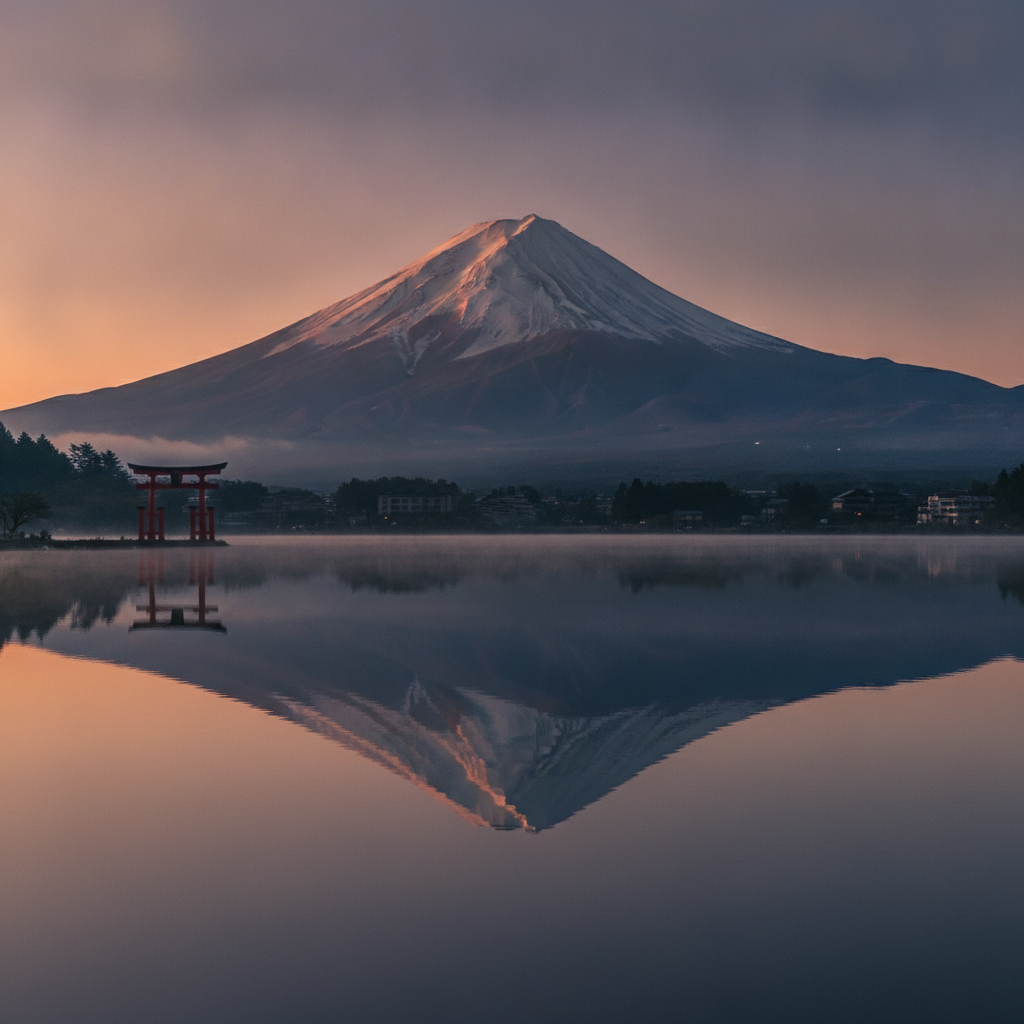
Fuji's Complete Picture: Bashō's Paradox That Fuji in the Mist is More Delightful Than Fuji Visible, the January Lake Ice That Lasts 10 Days Per Year & Fujisan-tsume the Plant That Grows Only Here Above 3,000 Metres
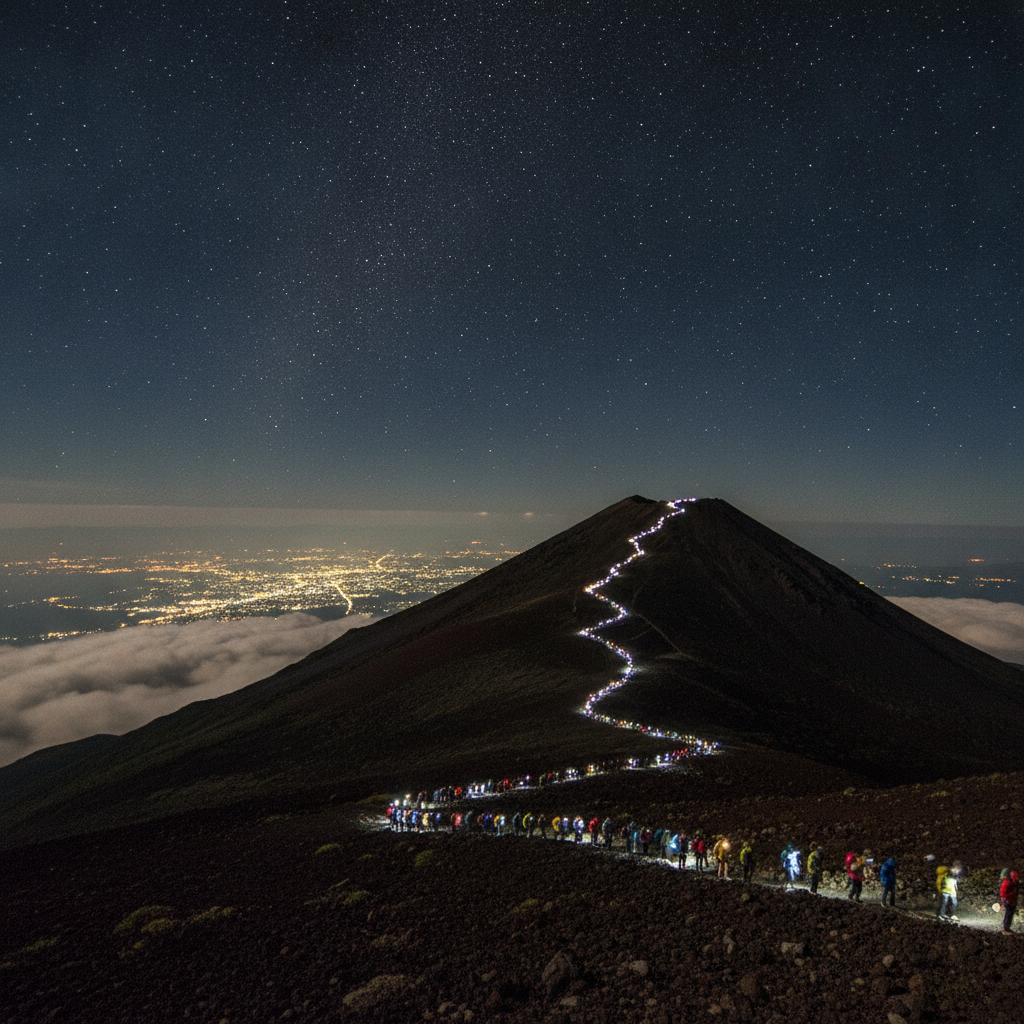
Fuji & Tokyo: The 3,776m Sacred Volcano Visible from Shinjuku on Clear Mornings, the 4,000 Climbers Per Day That Prompted a Physical Trail Barrier in 2024 & the Ryokan With Private Onsen Facing the Summit
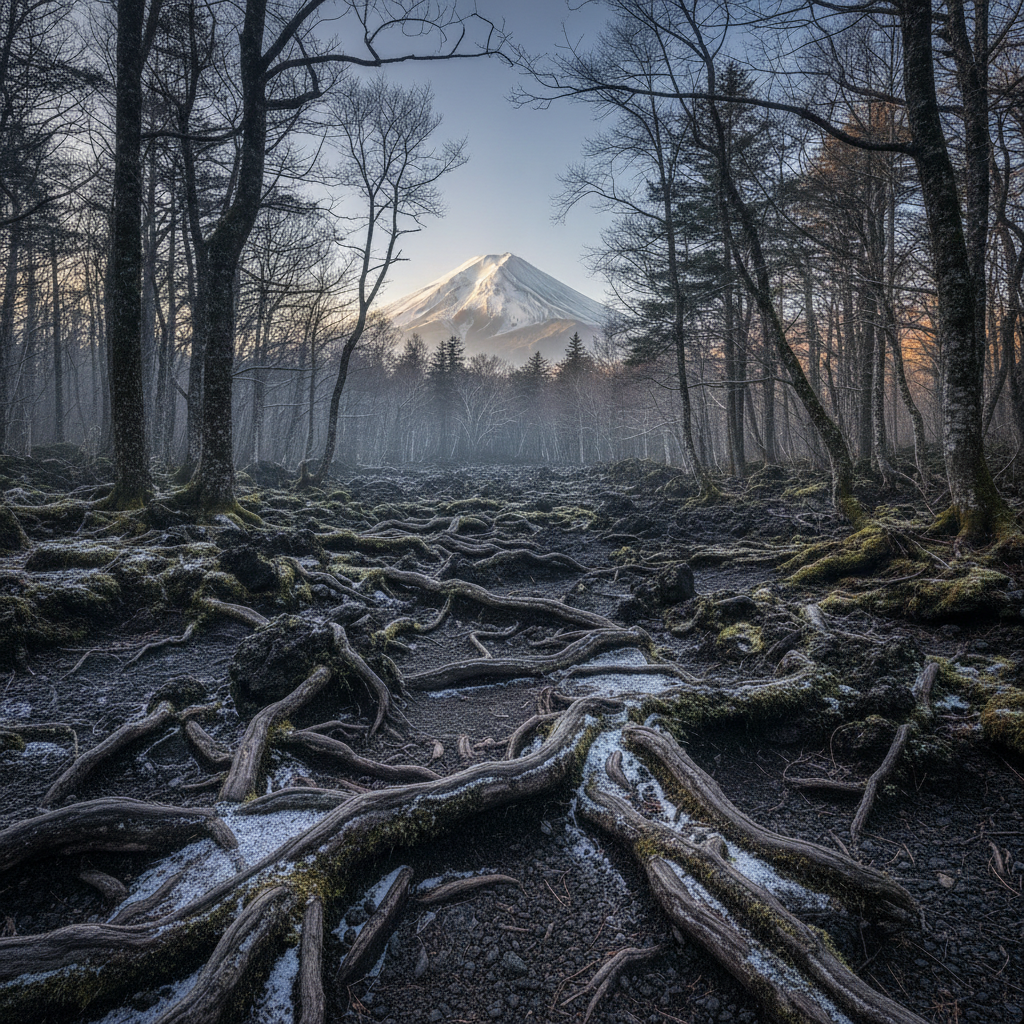
Bashō's Paradox, the 10-Day Ice Window & the Plant That Grows Only on Fuji Above 3,000 Metres
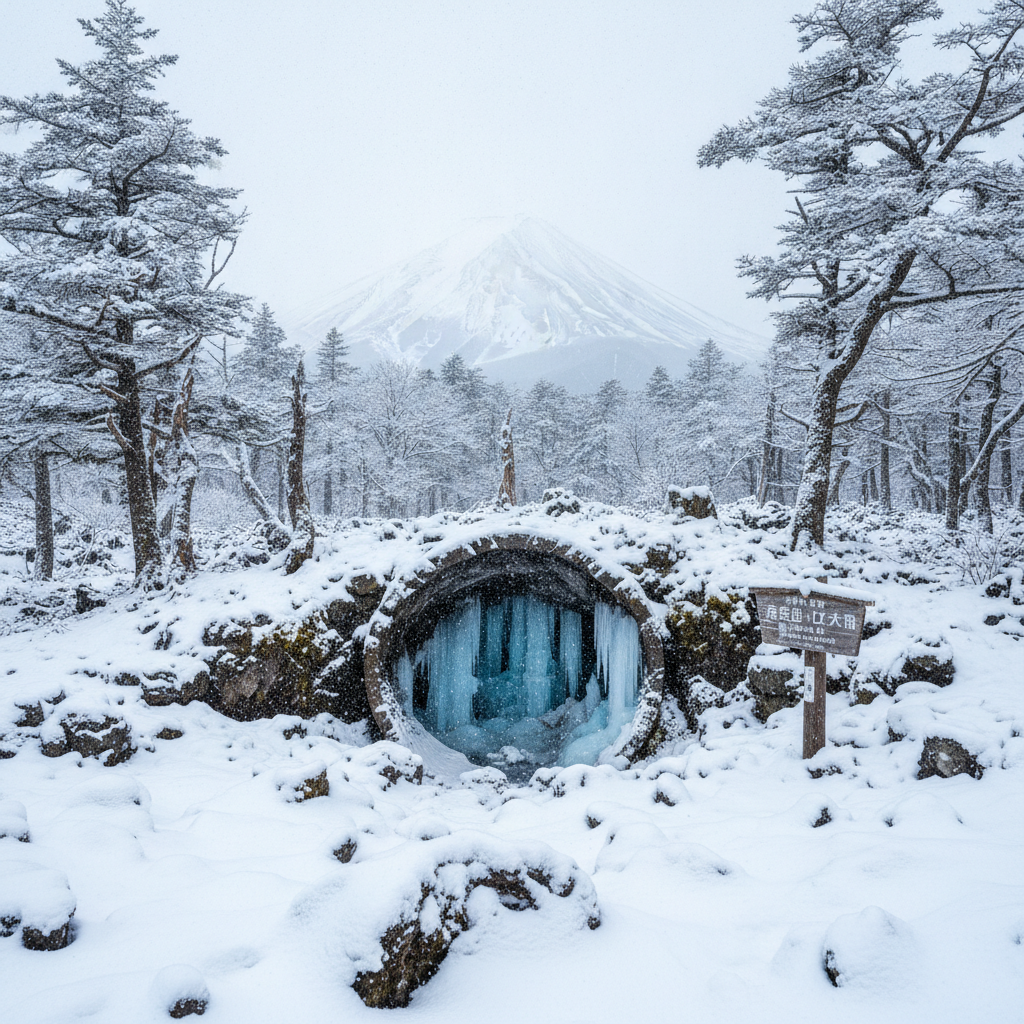
Mount Fuji's Layers: Hokusai's Great Wave Van Gogh Traced, Aokigahara's Compass-Distorting Iron Lava & the 800 Edo-Period Fujikō Confraternities That Created Modern Mountain Pilgrimage Culture