Thimphu Arts: Thanka Painting, the Traditional Weaving, the 13 Arts of Bhutan, and the Most Comprehensively Preserved Single Himalayan Traditional Craft Heritage
The Thimphu arts route covers Thanka painting as the most specifically Bhutanese sacred art, the traditional weaving, the 13 arts and crafts (zorig chusum), and the most comprehensively preserved single Himalayan traditional craft heritage.
- 1
Zorig Chusum: The 13 Traditional Bhutanese Arts
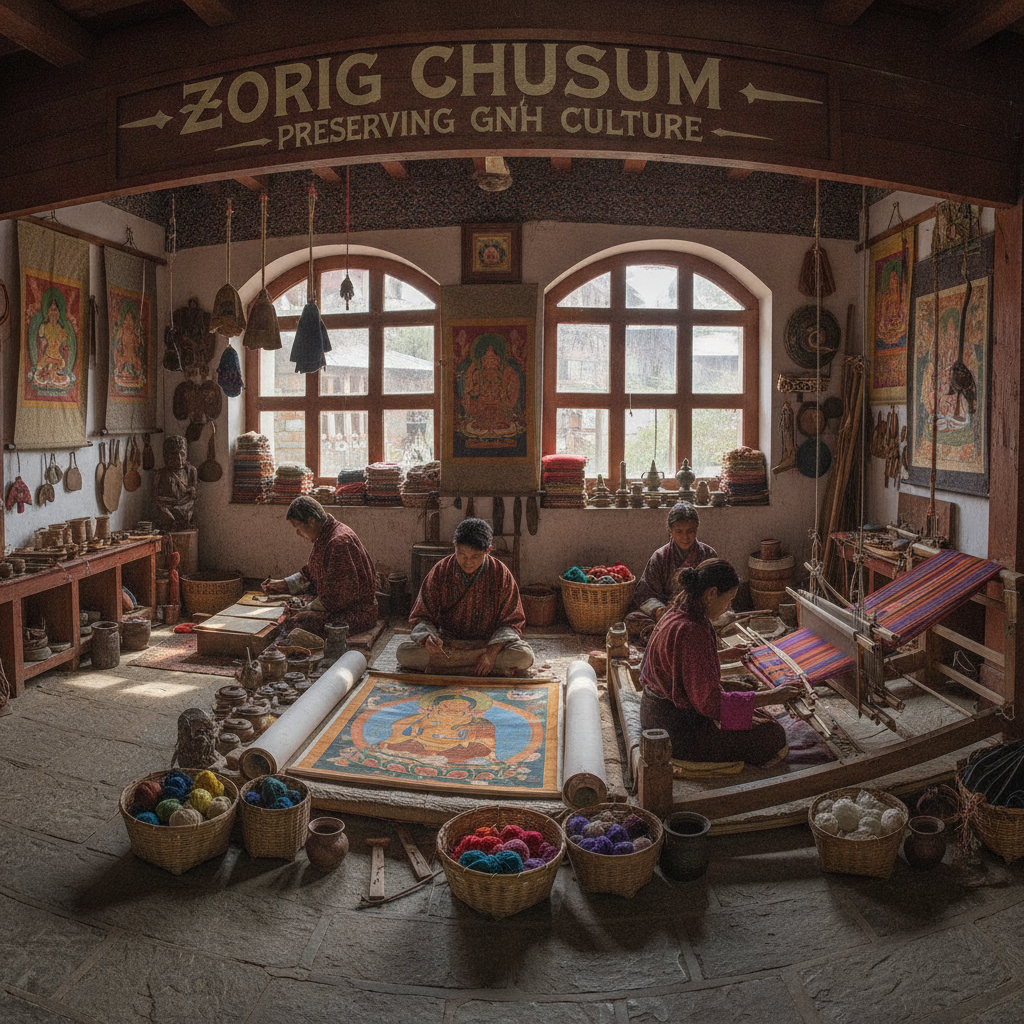
Zorig Chusum (the most comprehensively documented single traditional Bhutanese craft system with the most specifically 13 single classified single traditional arts including the most particularly painting (lhazho), wood carving (parzo), clay modeling (jinzo), casting (lugzo), weaving (thagzo), embroidery (tsemzo), and bamboo-work (tsharzo) in the most completely government-supported single National Institute for Zorig Chusum single Thimphu teaching institution), is the most systematically preserved single Himalayan traditional craft heritage and the artisan tradition most directly responsible for the most specifically visible single Bhutanese traditional building and religious object single craftsmanship quality.
- 2
Bhutanese Weaving: The Kira and Gho Textile Heritage
Bhutanese traditional weaving (the most specifically government-mandated single textile heritage with the most completely National Dress (kira for women and gho for men) single mandatory-in-government-buildings single Bhutanese traditional costume requirement creating the most practically living single textile tradition, the most particularly hand-woven single kishuthara and Kishuthara-silk single eastern Bhutan single Trashigang region single finest single silk weave), is the most specifically GNH-culturally-preserved single Bhutanese material culture and the textile most directly supported by the most comprehensively National Dress Regulation single Bhutan policy.
- 3
Thanka Painting in Bhutan: The Religious Art Tradition
Bhutanese Thanka painting (the most specifically rigorous single traditional Bhutanese sacred art with the most completely Namthang Karpo (White Beryl) single Bhutanese traditional painting manual requiring the most particularly strict-proportion single deity iconography in the most comprehensively National Institute for Zorig Chusum single 6-year single traditional painting curriculum creating the most specifically highest-quality single Bhutanese traditional Thanka in the most directly most-rigorous-iconographic-standard single contemporary Himalayan sacred art tradition), is the most rigorously traditional single Bhutanese sacred art.
- 4
Bhutanese Architecture: The Dzong and Traditional Building
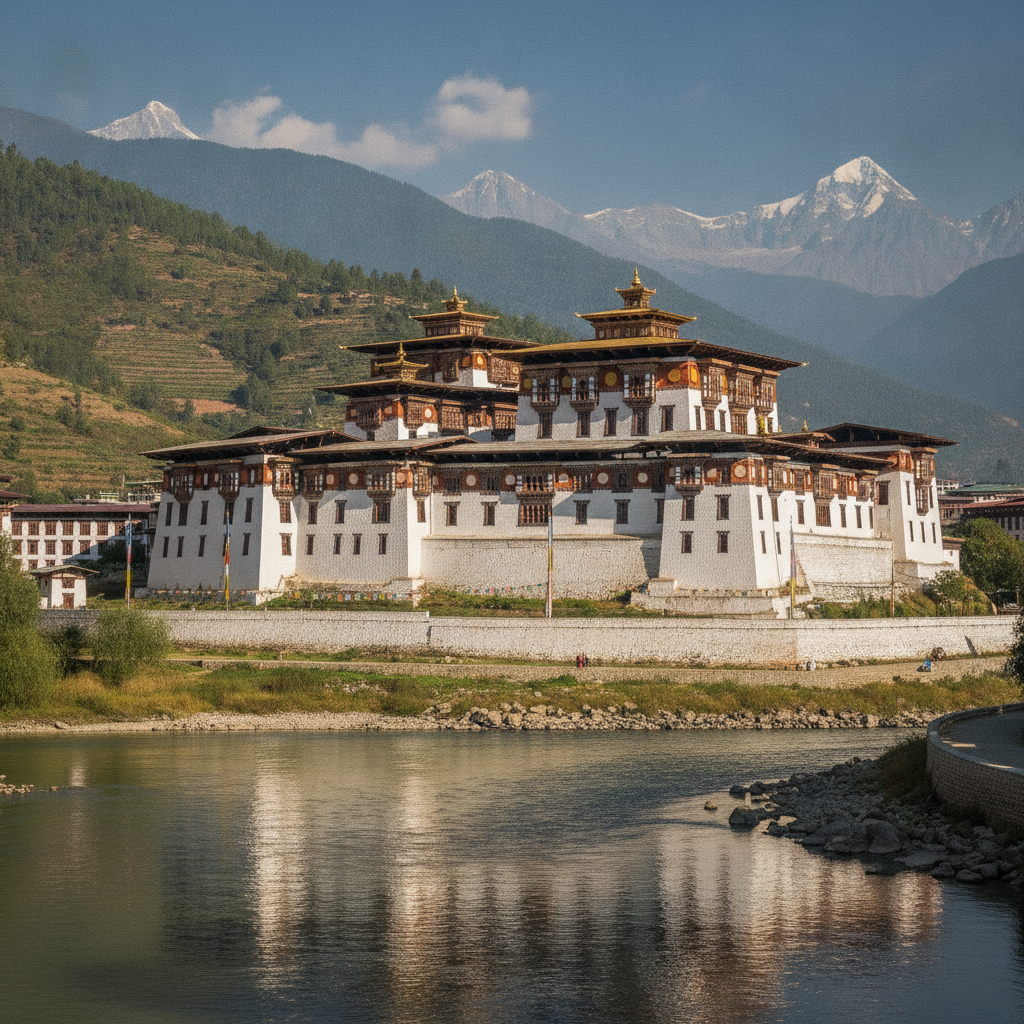
Bhutanese traditional architecture (the most specifically unique single Himalayan building tradition with the most completely no-written-plan single traditional dzong construction where the most particularly master-craftsman (Lopen) single design process relies on the most directly oral-tradition single traditional dzong building knowledge, creating the most dramatically massive-sloping-white-wall single traditional Bhutanese fortress in the most comprehensively entirely-timber-interior single traditional building with the most specifically no-nail single traditional timber joinery), is the most architecturally distinctive single Himalayan building tradition.
- 5
Royal Textile Academy: The Weaving Heritage Institution
The Royal Textile Academy of Bhutan (the most specifically most-important single Bhutanese textile institution with the most comprehensively documented single Bhutanese traditional weaving collection from the most particularly royal-costume and regional-weave single survey collection to the most directly accessible single contemporary-Bhutanese-weaving single exhibition and the most practically active single weaving-demonstration single academy workshop), is the most practically educational single Thimphu traditional craft institution and the academy most directly demonstrating the most specifically GNH-cultural-preservation single Bhutanese government investment in the most comprehensively traditional-craft single sustained education.
- 6
Folk Heritage Museum: The Bhutanese Domestic Life
The Folk Heritage Museum in Thimphu (the most specifically traditional-Bhutanese-domestic single life museum with the most completely 3-story single traditional Bhutanese farmhouse reconstruction with the most particularly ground-floor single animal-shelter, middle-floor single family-living, and top-floor single altar-and-storage single traditional Bhutanese vertical residential arrangement, demonstrating the most comprehensively traditional-Bhutanese-daily-life single material culture from the most directly pre-modern single Bhutanese agricultural household), is the most practically educational single Thimphu daily-life heritage museum.
Walk this route with audio
Stories play automatically as you reach each stop — no tapping needed.
More in Thimphu
Bhutan Philosophy: Gross National Happiness, the Buddhist Kingdom, the No-Advertising Policy, and the Most Thoughtfully Governed Single Nation on Earth
Thimphu Practical: The Visa and SDF, Paro International Airport, Accommodation, Optimal Timing, and the Bhutan Visitor Framework
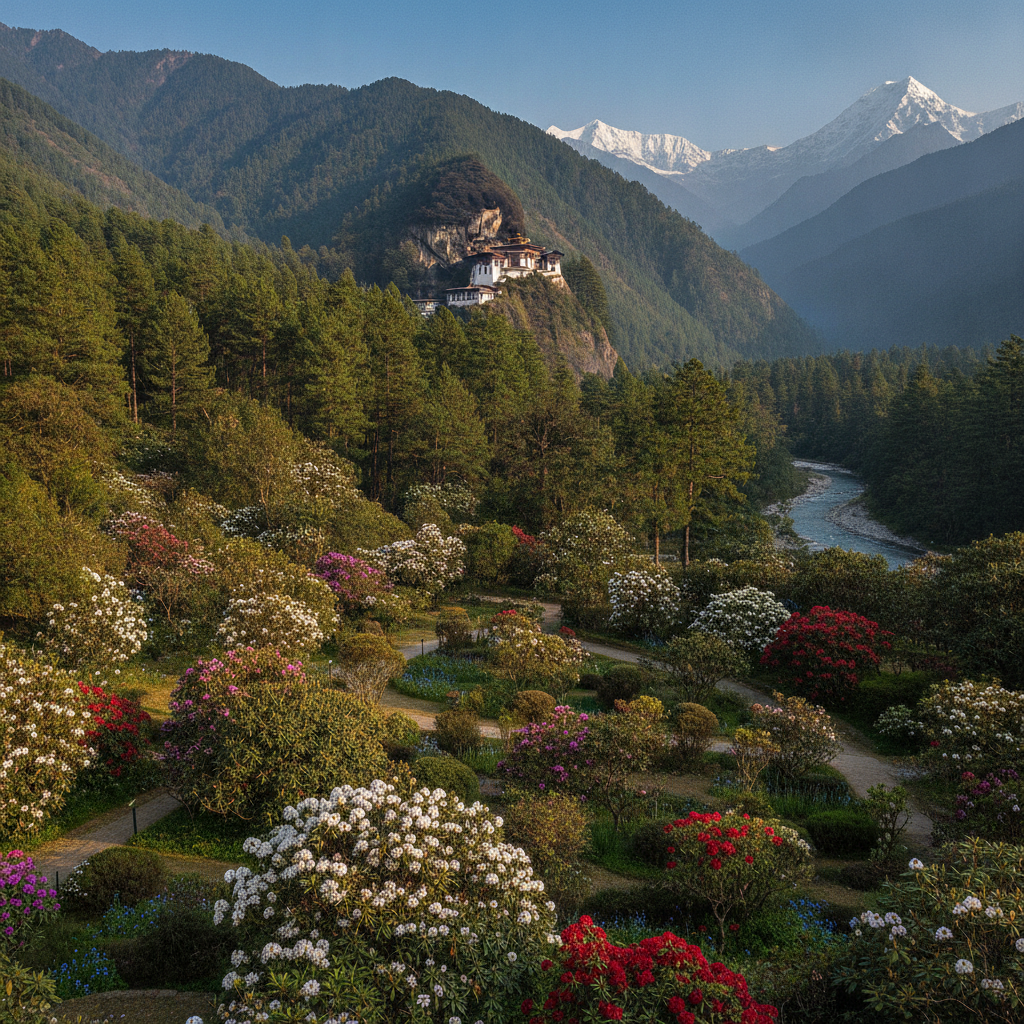
Thimphu Nature: The Royal Botanical Park, Cheri Monastery, Dochula Pass, and the Most Pristinely Forested Single Himalayan Capital Region
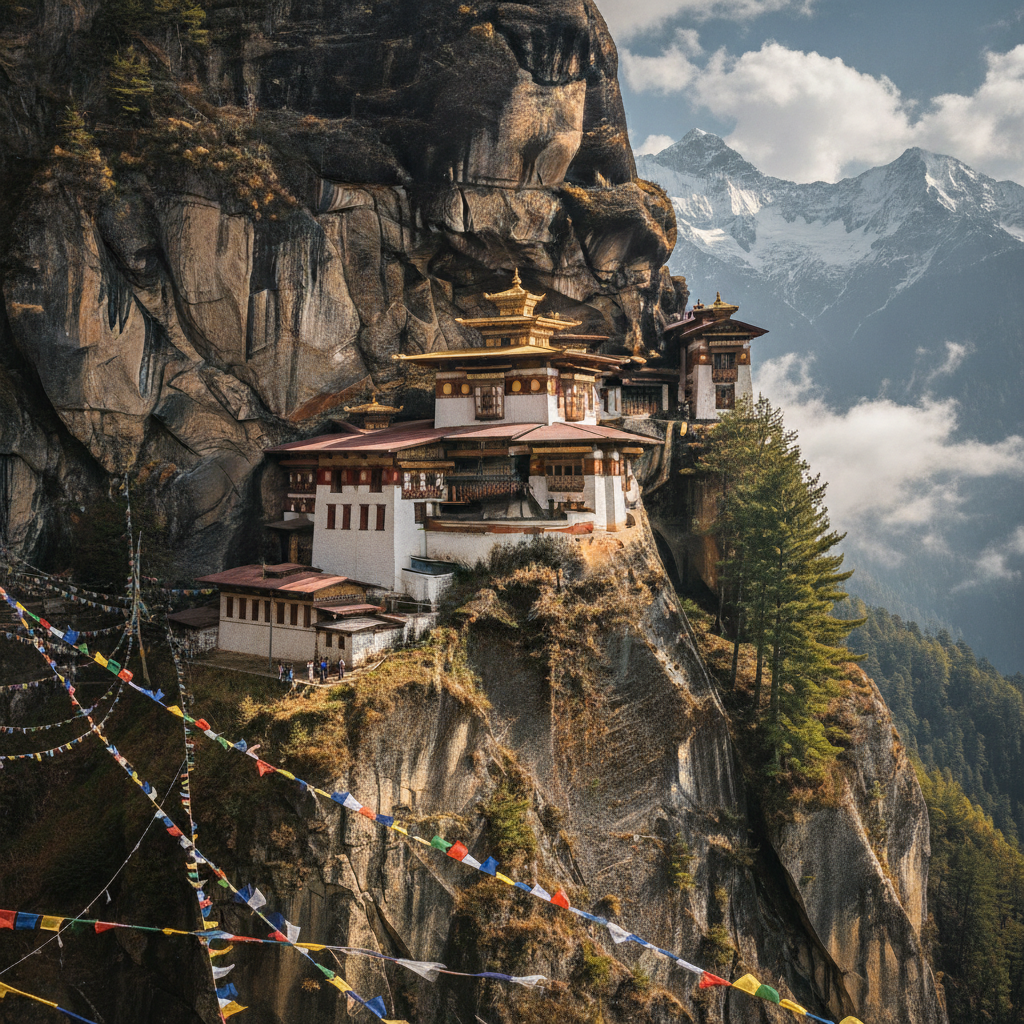
Bhutan Sacred Sites: Tigers Nest (Taktsang), Paro Rinpung Dzong, the Punakha Dzong, and the Most Dramatically Sacred Single Himalayan Buddhist Heritage
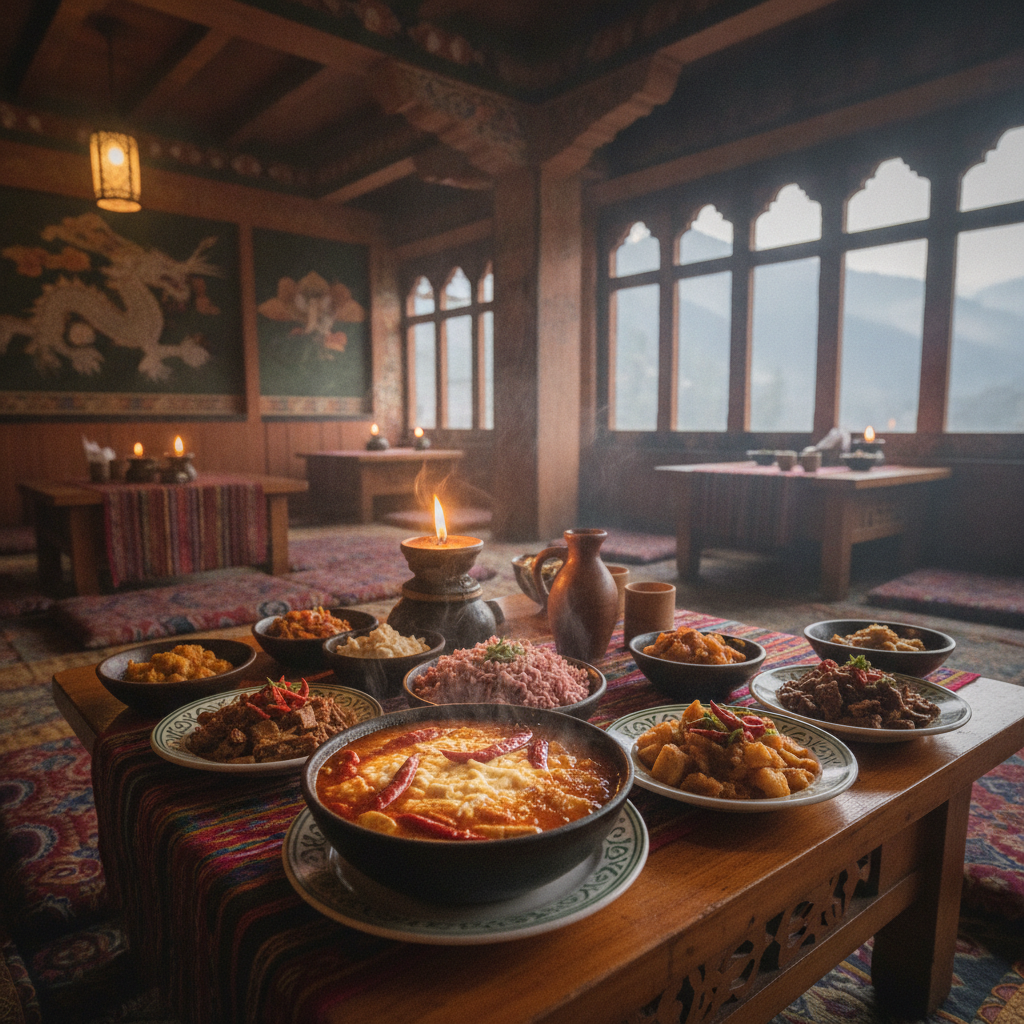
Thimphu Food: Ema Datshi, Bhutanese Red Rice, Ara Spirit, the Weekend Market Ingredients, and the Most Uniquely Spiced Single Himalayan Cuisine