Tel Aviv's Other Side: Start-Up Nation, Neve Tzedek's Ottoman Lanes & White Night
Explore Tel Aviv beyond the beach—the world's second-largest startup ecosystem in a city of 460,000, Neve Tzedek's 1887 Ottoman-era lanes and Batsheva contemporary dance, Florentin's street-art-covered creative quarter, the Museum of the Jewish People's 3,500-year diaspora story, and White Night when 350,000 people party in the streets from sunset to sunrise.
- 1
Start-Up Nation – Tel Aviv's Technology Scene
Tel Aviv is the second-largest technology startup ecosystem in the world after Silicon Valley—a remarkable achievement for a city of 460,000. Over 6,000 startups operate in Greater Tel Aviv; multinational R&D centres (Google, Apple, Microsoft, Intel, Mobileye, Waze) cluster in the Azrieli and northern office districts. The term 'Start-Up Nation' (from the 2009 book by Dan Senor and Saul Singer) has become Tel Aviv's unofficial brand. The technology ecosystem is closely tied to Israel's military technology and intelligence sectors.
- 2
Neve Tzedek – Tel Aviv's Oldest Neighbourhood
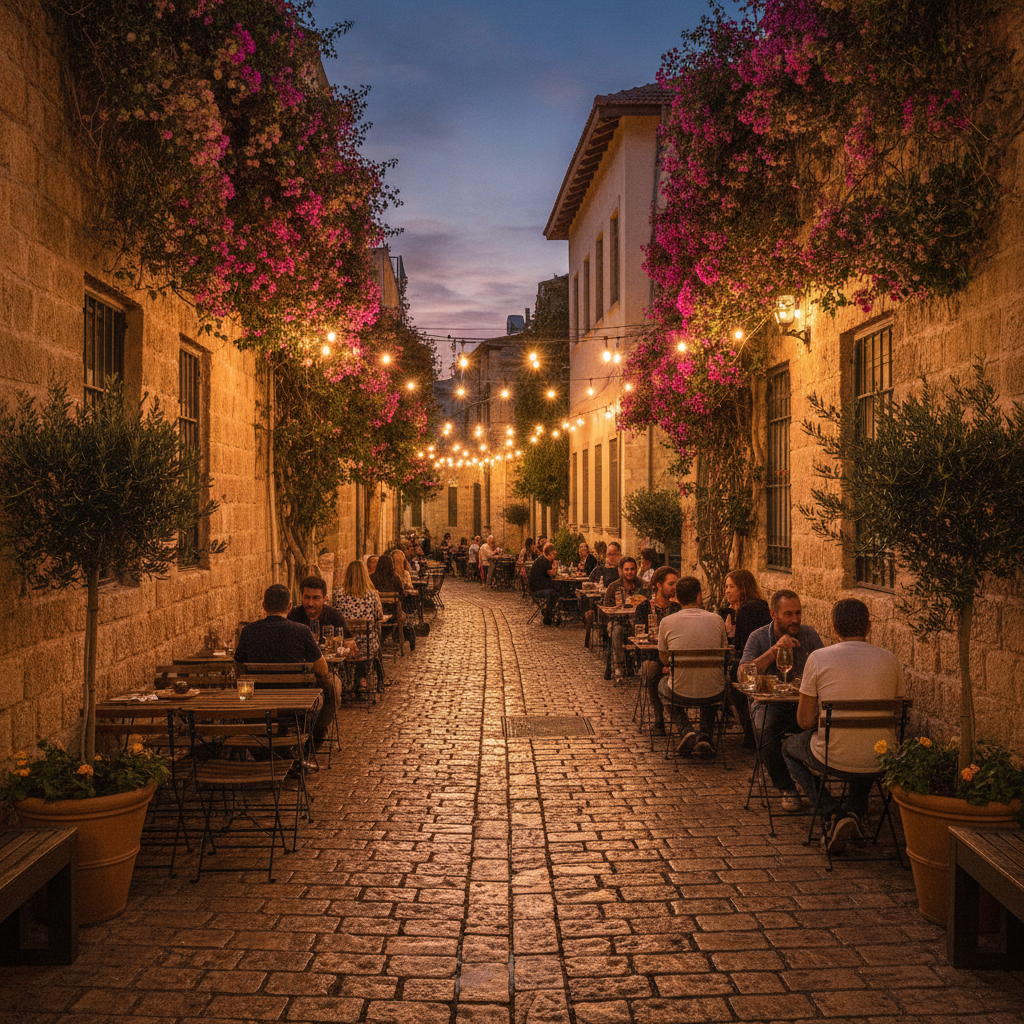
Neve Tzedek ('Oasis of Justice'), founded in 1887 as the first Jewish neighbourhood outside Jaffa, is Tel Aviv's most charming quarter—narrow lanes, renovated Ottoman-era houses, boutique shops, and the Suzanne Dellal Centre for Dance and Theatre. The neighbourhood was derelict by the 1980s; its restoration from the 1990s was a pioneering urban renewal project. The Suzanne Dellal Centre stages the Batsheva Dance Company (founded by Rebekah Harkness and Martha Graham, now one of the world's leading contemporary dance companies).
- 3
Florentin – The Creative Quarter
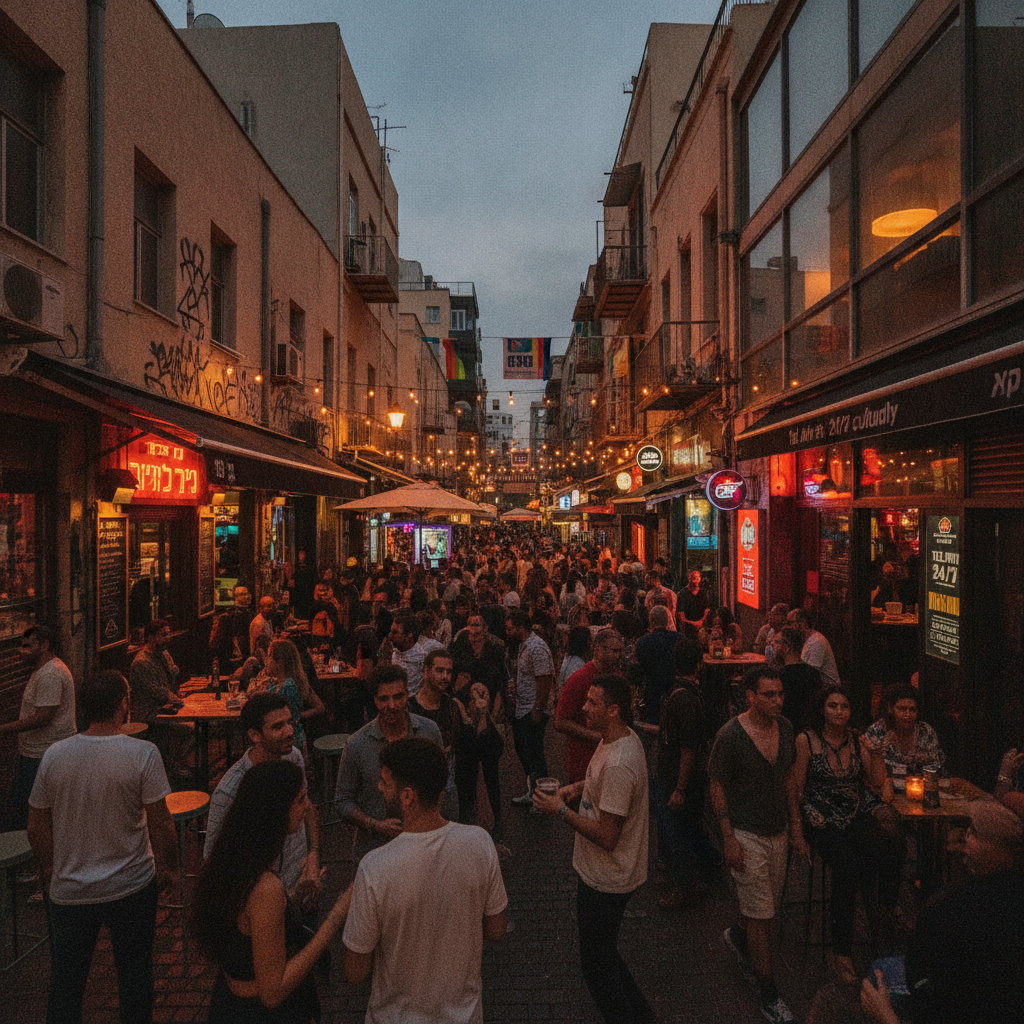
Florentin, the neighbourhood immediately north of Old Jaffa, is Tel Aviv's most creative district—street art covering almost every surface, independent galleries, vintage shops, and the highest concentration of vegan restaurants in the city. The neighbourhood was settled by Greek and Bulgarian Jews in the 1920s; the buildings are eclectic and low-rise; the rent is still (relatively) affordable. The Friday morning Florentin Market in HaTikva neighbourhood is more local and less touristy than the Carmel Market.
- 4
Beit Hatfutsot – Museum of the Jewish People
Beit Hatfutsot (ANU – Museum of the Jewish People), on the Tel Aviv University campus in Ramat Aviv, is the world's most comprehensive museum of the Jewish diaspora—documenting 3,500 years of Jewish history across every continent. The museum (reopened 2021 after a $100 million renovation) is structured thematically: family, community, faith, culture, and nationhood. The Hall of Torah Crowns (over 200 decorative Torah crown finials from communities worldwide) is the most visually spectacular single display.
- 5
Cycling Tel Aviv – The Bike City
Tel Aviv has one of the best urban cycling infrastructures in the Middle East—100 km of dedicated bike lanes and the Tel-O-Fun public bike share system (150 stations, affordable day pass). The seafront promenade cycling lane runs the full 14 km length of the city's beach; the Yarkon Park bike path circles the river park in the north. Cycling from Old Jaffa in the south to the Tel Aviv Port in the north takes 45 minutes on dedicated lanes. The flat terrain makes Tel Aviv genuinely cycling-accessible for all fitness levels.
- 6
Tel Aviv's Annual Events – White Night & Design Week
White Night (Layla Lavan)—Tel Aviv's annual all-night cultural festival (June)—transforms the city with free concerts, performances, and gallery openings from sunset to sunrise, drawing 350,000 participants to the streets. Tel Aviv Design Week (June) is the largest design event in the Middle East, staging exhibitions in galleries, public spaces, and unused urban infrastructure. The Tel Aviv International Film Festival (October) is Israel's major film festival. Gay Pride (June) coincides with White Night, creating one of the most intense weeks in Tel Aviv's calendar.
Walk this route with audio
Stories play automatically as you reach each stop — no tapping needed.
More in Tel Aviv
Tel Aviv's Story: 1909 Sand Dunes, 1948 Independence & Start-Up Nation's Uncertain Future
Tel Aviv Practical: Ben Gurion Airport, the City Transport, the White City Accommodation, the Optimal Timing, and the Israel Circuit Strategy
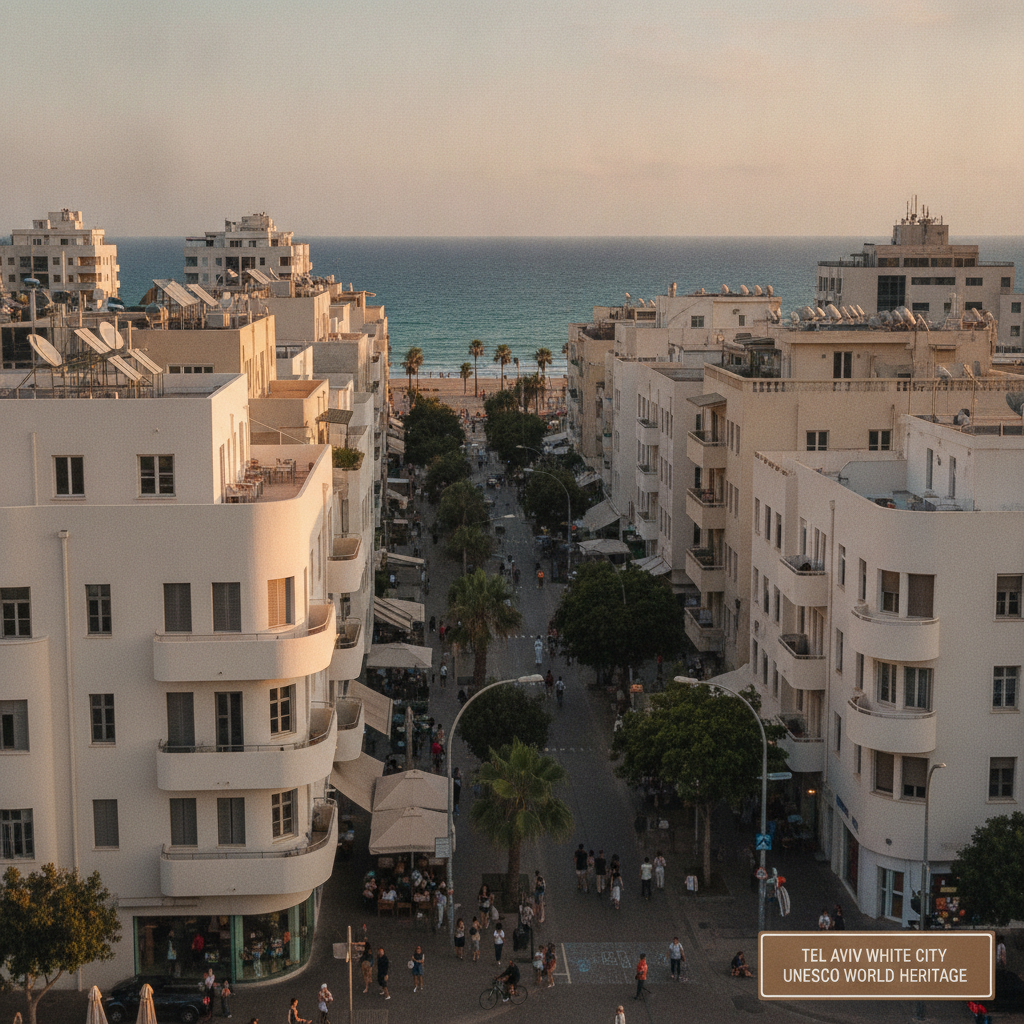
Tel Aviv Essential: The Bauhaus White City, the Mediterranean Beach, Neve Tzedek, the Jaffa Old Port, and the Most Vibrant Single Middle East City
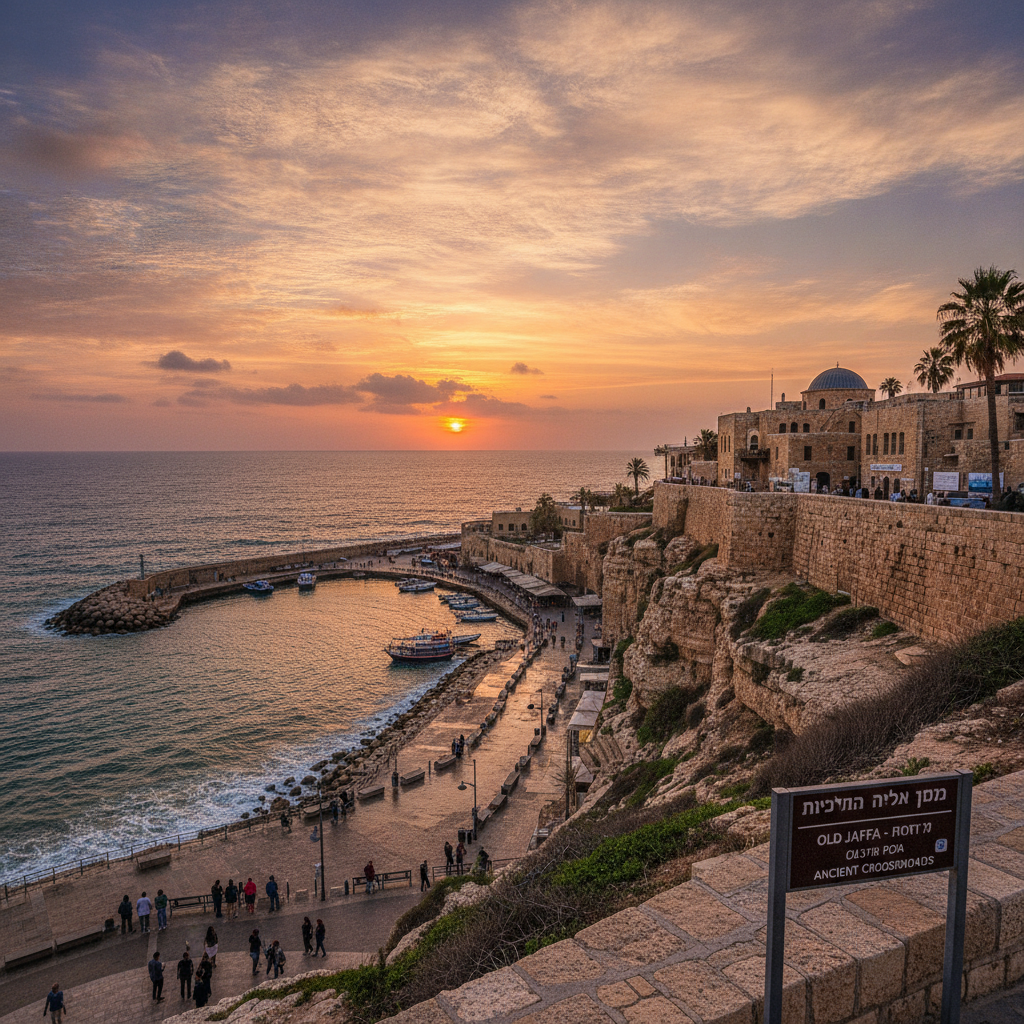
Tel Aviv-Jaffa: The Old City of Jaffa, the Flea Market, the Arab-Jewish Mixed Neighborhood, and the Most Historically Layered Single Tel Aviv Quarter
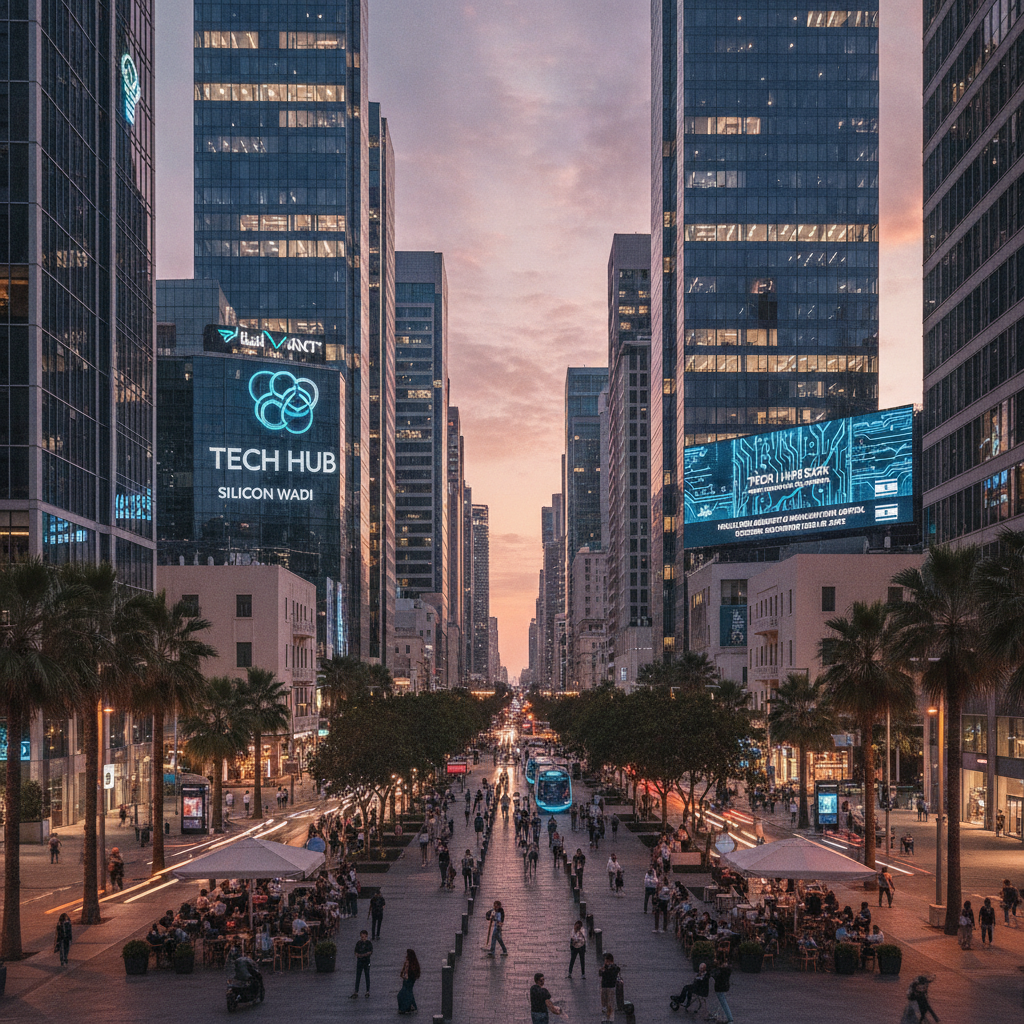
Tel Aviv Tech: The Start-Up Nation, the Silicon Wadi, the Innovation Ecosystem, and the Most Technologically Innovative Single Middle East City