Tel Aviv Day Trips: Crusader Akko, Baha'i Gardens in Haifa & the Negev's Giant Crater
Radiate from Tel Aviv across Israel in a day—Herod the Great's Roman port city at Caesarea (still staging concerts in the ancient theatre), the Baha'i World Centre's 19 terraced gardens cascading down Mount Carmel, Akko's underground Crusader halls preserved 6 metres below the Ottoman city, the world's largest erosion crater in the Negev, and the Red Sea's coral reefs at Eilat.
- 1
Caesarea – Roman City on the Mediterranean
Caesarea Maritima, 50 km north of Tel Aviv, was Herod the Great's most ambitious construction project—a complete Roman port city built 22–10 BC with a massive artificial harbour (one of the ancient world's largest), a Roman theatre, amphitheatre, hippodrome, and aqueduct. The site (Caesarea National Park) is now partly underwater but extensively excavated; the Roman theatre is still used for concerts and performances. The Crusader city built above the Roman ruins adds a second layer of Mediterranean empire history.
- 2
Haifa – Baha'i Gardens & Mount Carmel
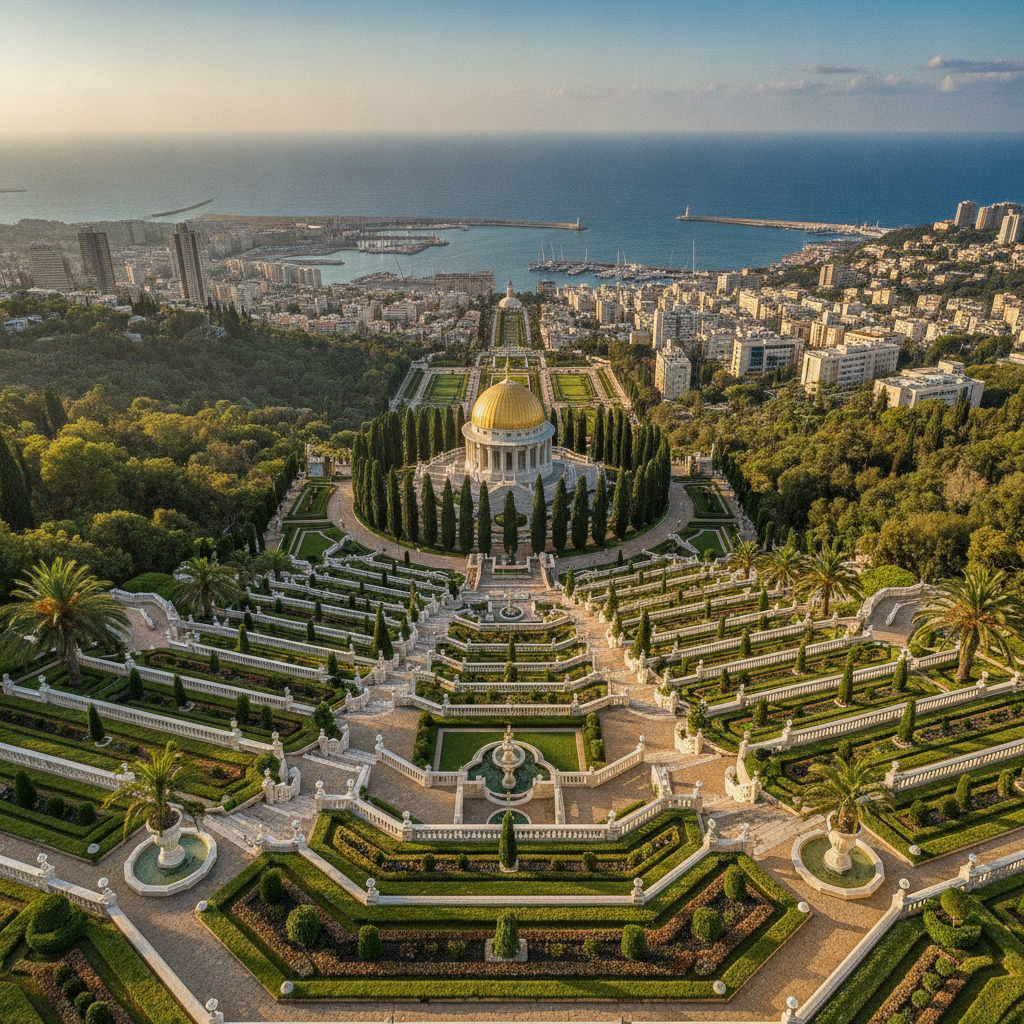
Haifa, 90 km north of Tel Aviv (1 hour by train), is Israel's third city and the centre of the Baha'i Faith—the Baha'i World Centre includes the Shrine of the Báb and 19 geometric terraces of formal gardens cascading down Mount Carmel to the port, UNESCO World Heritage since 2008. Haifa is the most religiously coexisting city in Israel—Jews, Arabs, Druze, and Baha'is live in genuinely mixed neighbourhoods. The German Colony at the foot of the Carmel is the most pleasant area for café culture.
- 3
Akko (Acre) – Crusader City UNESCO
Akko (Acre), 100 km north of Tel Aviv, is one of the world's best-preserved Crusader cities—its intact underground Crusader halls, fortifications, and harbour from the 12th–13th century are UNESCO World Heritage (2001). The Knights' Halls beneath the city are extraordinary—entire Crusader city blocks preserved 6 metres below the Ottoman city above. Akko also has a significant Arab market and the Al-Jazzar Mosque (1781), the third largest mosque in Israel. Napoleon besieged Akko in 1799 and failed—one of his few major military defeats.
- 4
Tel Aviv Day Trip to the Negev Desert
The Negev Desert—covering 60% of Israel's land area south of Beer-Sheva—is within reach of Tel Aviv for a long day trip (2.5 hours by car to Mitzpe Ramon). The Ramon Crater (Makhtesh Ramon) is the world's largest erosion crater—40 km long, 10 km wide, 500 metres deep—a geological formation unique to Israel. The crater floor contains extraordinary colour-banded sandstone, fossils, and a desert wildlife population including ibex, gazelles, and Nubian sandgrouse. The crater rim at Mitzpe Ramon is accessible and has a visitor centre.
- 5
The West Bank & Palestinian Territories
The Palestinian West Bank is accessible from Tel Aviv—Ramallah (Palestinian administrative capital) is 50 km away; Bethlehem is 70 km. Travel requires crossing Israeli military checkpoints (straightforward for foreign passport holders, slow during periods of tension). Ramallah has a genuine restaurant and café scene independent of Israeli tourism; the Banksy-painted West Bank Barrier sections near Bethlehem are a major artistic and political pilgrimage. Travel advisories should be checked before visiting specific areas.
- 6
Eilat & the Red Sea – Southern Israel
Eilat—Israel's southernmost city on the Red Sea (340 km from Tel Aviv)—has exceptional coral reef snorkelling and diving, year-round warm water, and direct flights from European airports. The Eilat Underwater Observatory Marine Park displays Red Sea marine life without diving. The Egyptian border crossing at Taba (3 km south of Eilat) connects to Sinai's diving resorts (Dahab, Sharm el-Sheikh). Eilat is also the gateway to the Jordan border crossing (Wadi Araba/Yitzhak Rabin) for visitors combining Israel with Petra and Jordan.
Walk this route with audio
Stories play automatically as you reach each stop — no tapping needed.
More in Tel Aviv
Tel Aviv's Story: 1909 Sand Dunes, 1948 Independence & Start-Up Nation's Uncertain Future
Tel Aviv Practical: Ben Gurion Airport, the City Transport, the White City Accommodation, the Optimal Timing, and the Israel Circuit Strategy
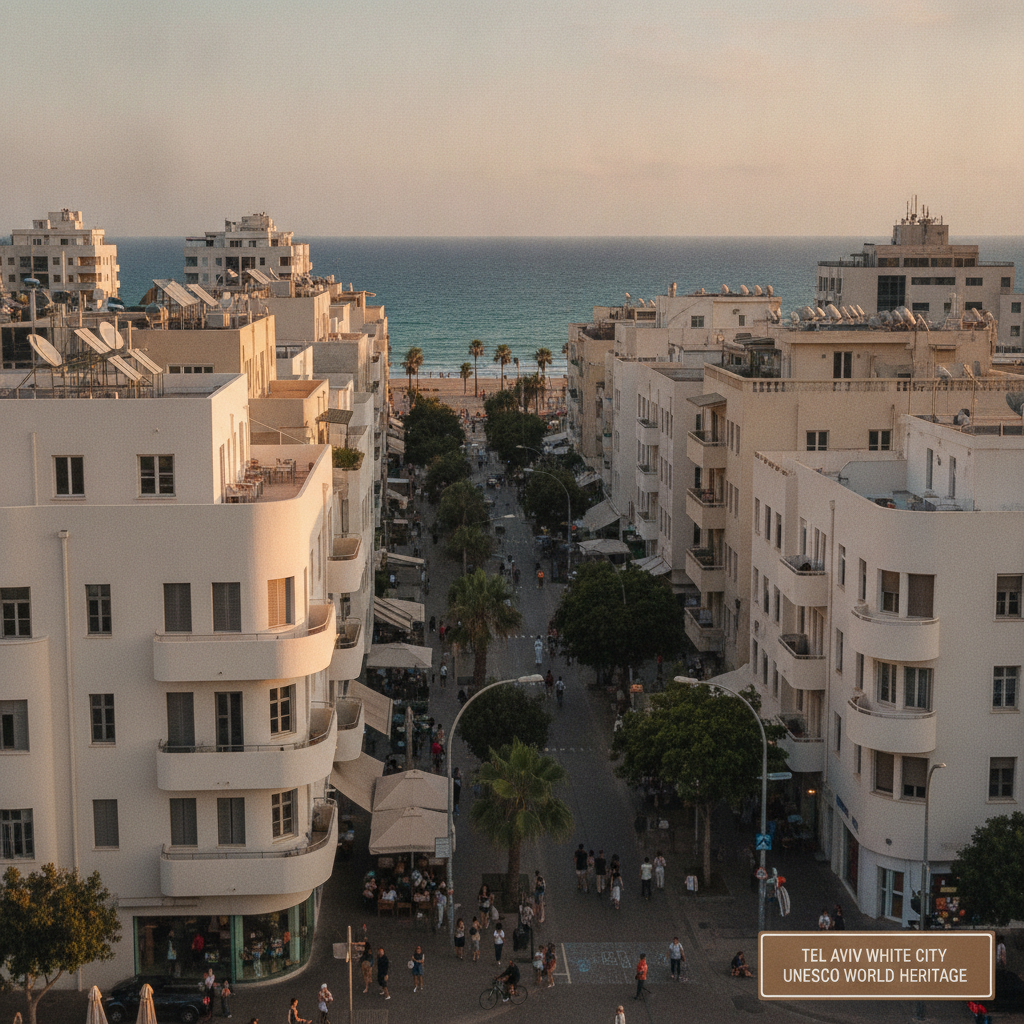
Tel Aviv Essential: The Bauhaus White City, the Mediterranean Beach, Neve Tzedek, the Jaffa Old Port, and the Most Vibrant Single Middle East City
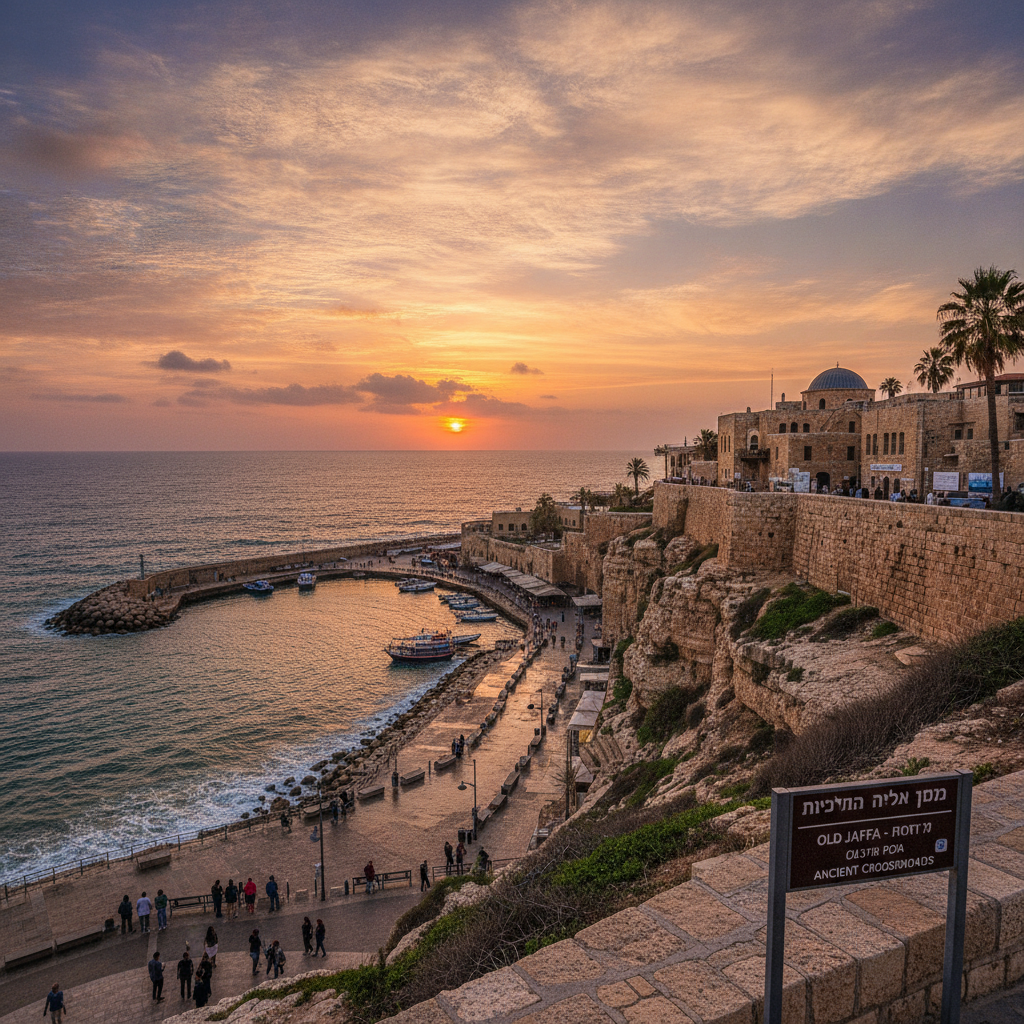
Tel Aviv-Jaffa: The Old City of Jaffa, the Flea Market, the Arab-Jewish Mixed Neighborhood, and the Most Historically Layered Single Tel Aviv Quarter
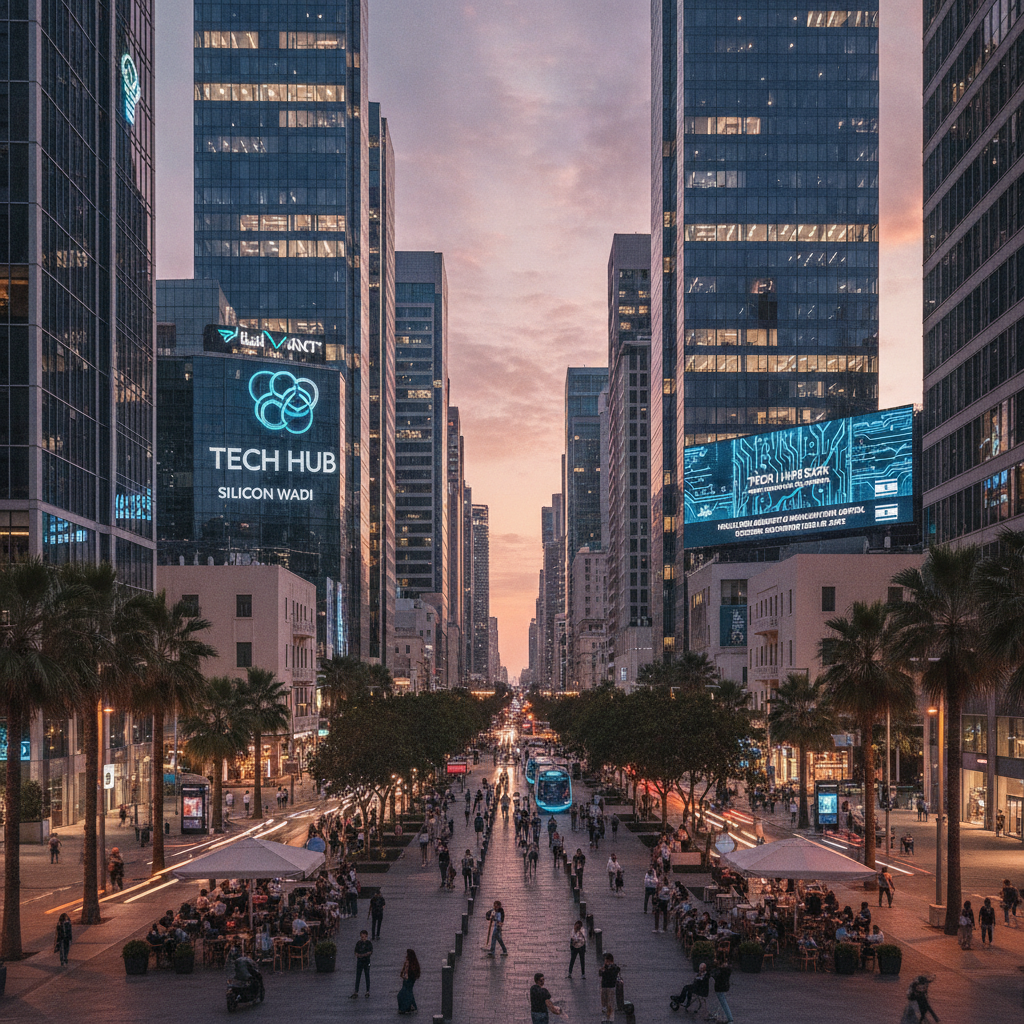
Tel Aviv Tech: The Start-Up Nation, the Silicon Wadi, the Innovation Ecosystem, and the Most Technologically Innovative Single Middle East City