Tel Aviv Food & Nightlife: Abu Hassan's Hummus, Marathon Clubs & the LGBTQ+ Capital
Taste and experience the Middle East's most open city—Carmel Market's pyramids of pomegranates and za'atar, Abu Hassan's hummus in Jaffa (queue at 8 am, closed by noon), Tel Aviv's 4,000 restaurants and world-class electronic music clubs closing Monday morning, and a Pride Parade drawing 250,000 participants in the Middle East's most LGBTQ+-inclusive city.
- 1
Carmel Market & Israeli Street Food
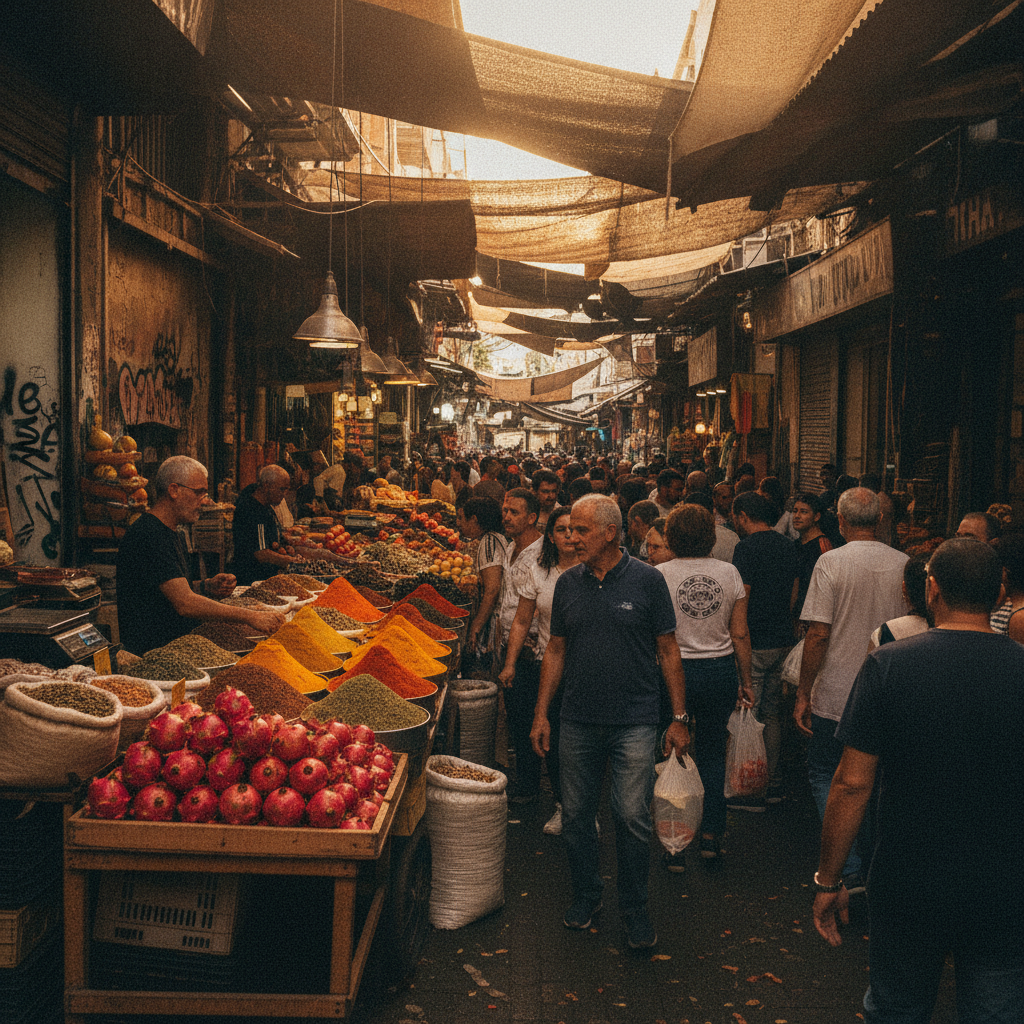
Carmel Market (Shuk HaCarmel)—Tel Aviv's main open-air market—is the best single introduction to Israeli food culture: fresh produce from the Jordan Valley and the Negev, spice stalls selling za'atar, sumac, and baharat, hummus and falafel vendors, fresh-squeezed pomegranate juice, and knafeh from Palestinian confectioners. The market runs daily (except Shabbat); Saturday morning is the most festive. Adjacent to the Carmel Market, the Levinsky Spice Market specialises in pickled vegetables, dried fruits, and Georgian Jewish imports.
- 2
Israeli Cuisine – A Confluence of Diasporas
Israeli cuisine is one of the world's most diverse—the synthesis of Ashkenazi (Eastern European), Sephardic (Mediterranean/Middle Eastern), Yemeni, Moroccan, Ethiopian, and Arab Palestinian food traditions. Hummus with tahini and fried egg; shakshuka (eggs poached in spiced tomato sauce); sabich (Iraqi Jewish fried eggplant sandwich); falafel in pita; shawarma; and malabi (rosewater milk pudding) are all daily staples. Yotam Ottolenghi—whose cookbooks introduced this cuisine to the world—grew up in Jerusalem and trained in London.
- 3
Tel Aviv's Restaurant Scene – From Hummus to Fusion
Tel Aviv is one of the world's top restaurant cities, with over 4,000 restaurants for a city of 460,000. Eyal Shani's restaurants (HaSalon, Miznon) pioneer the 'nouvelle Israeli' style; Abu Hassan in Jaffa serves what many consider the best hummus in the world (open until noon, cash only, perpetually queued). The Florentin neighbourhood is the city's most adventurous dining area. Tel Aviv is also one of the world's best destinations for vegan and plant-based food—an estimated 5% of the population is vegan.
- 4
Tel Aviv Nightlife – World-Class Electronic Music Scene
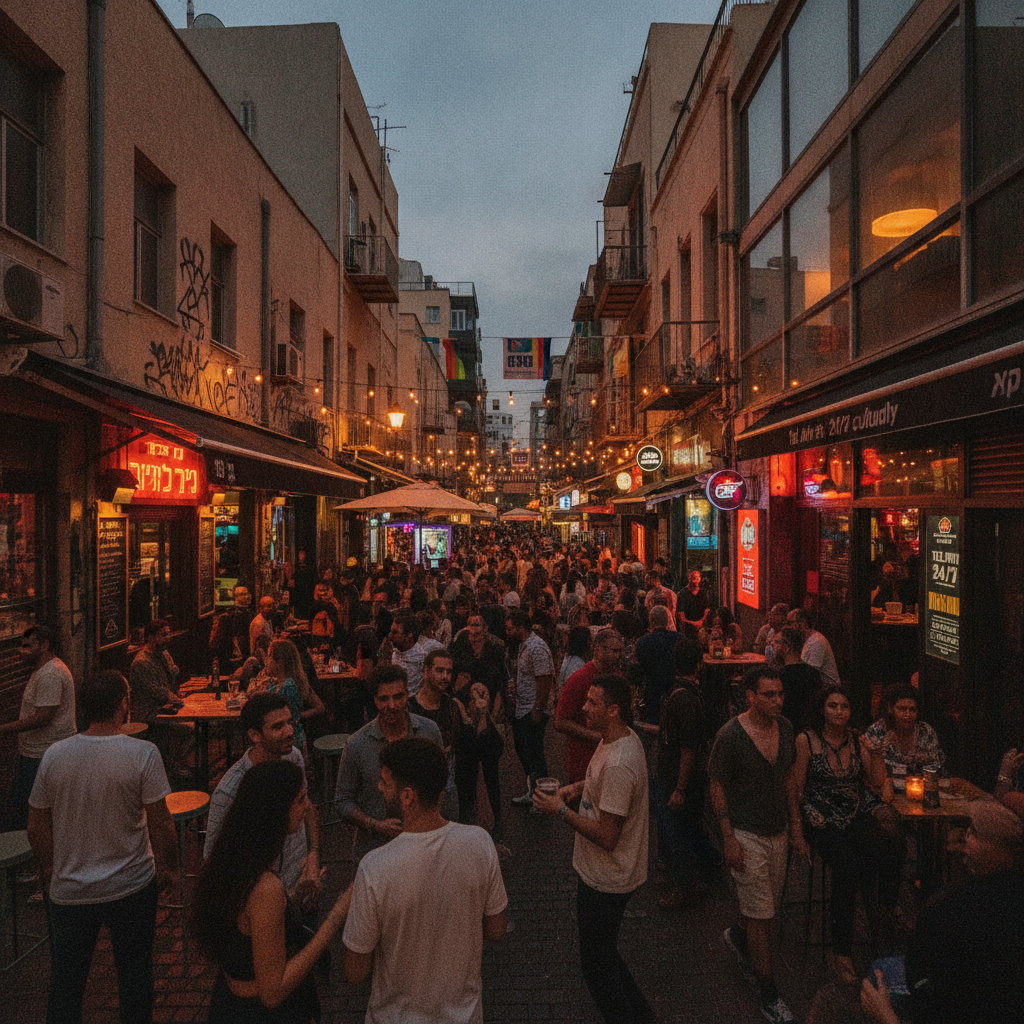
Tel Aviv's nightlife is among the world's best—a remarkable claim for a city of its size. The Haoman 17 club (closed 2016) established global credentials; its successor venues—The Block, Alphabet, and Culture Box—continue the tradition of marathon weekend sets (Thursday through Saturday, closing Monday morning). Tel Aviv's club culture is LGBTQ+-inclusive, physically expressive, and genuinely international—DJs from Berlin, Amsterdam, and London play regular Tel Aviv residencies. The city has a 24-hour café culture enabling the late start (clubs fill after 2 am).
- 5
The LGBTQ+ Capital of the Middle East
Tel Aviv is the most LGBTQ+-friendly city in the Middle East and one of the most inclusive in the world—ranked consistently in global LGBT+ city indices. The annual Pride Parade (June) draws 250,000 participants. The beachfront Independence Park and the Meir Park are traditional LGBTQ+ gathering spaces; the bars and clubs of the Florentin and the Old North are fully inclusive. Israeli law permits same-sex partnerships (not full marriage); the contrast with LGBTQ+ rights in surrounding Arab countries is stark and deliberately highlighted by Israeli tourism authorities.
- 6
Tel Aviv Port & the Northern Neighbourhoods
The Tel Aviv Port (Namal Tel Aviv), the city's former commercial port (decommissioned 1965), was redeveloped in the 2000s as a leisure destination—wooden boardwalks, weekend market stalls, restaurants, and bars in the former warehouses. The adjacent Yarkon River park provides the city's main green space. North of the port, the Neve Avivim and Ramat Aviv neighbourhoods (home to Tel Aviv University) are quieter and more residential; the Eretz Israel Museum (archaeology, ethnography, glass) is in Ramat Aviv.
Walk this route with audio
Stories play automatically as you reach each stop — no tapping needed.
More in Tel Aviv
Tel Aviv's Story: 1909 Sand Dunes, 1948 Independence & Start-Up Nation's Uncertain Future
Tel Aviv Practical: Ben Gurion Airport, the City Transport, the White City Accommodation, the Optimal Timing, and the Israel Circuit Strategy
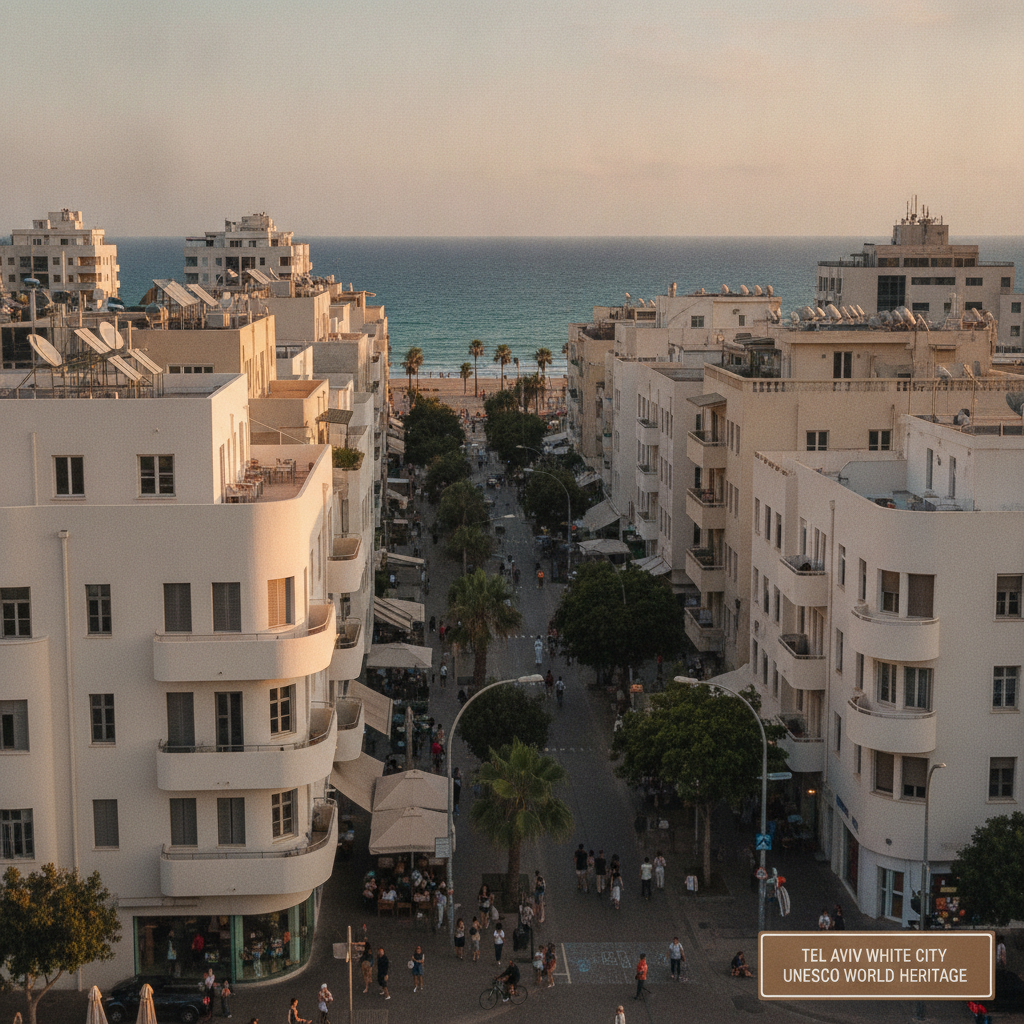
Tel Aviv Essential: The Bauhaus White City, the Mediterranean Beach, Neve Tzedek, the Jaffa Old Port, and the Most Vibrant Single Middle East City
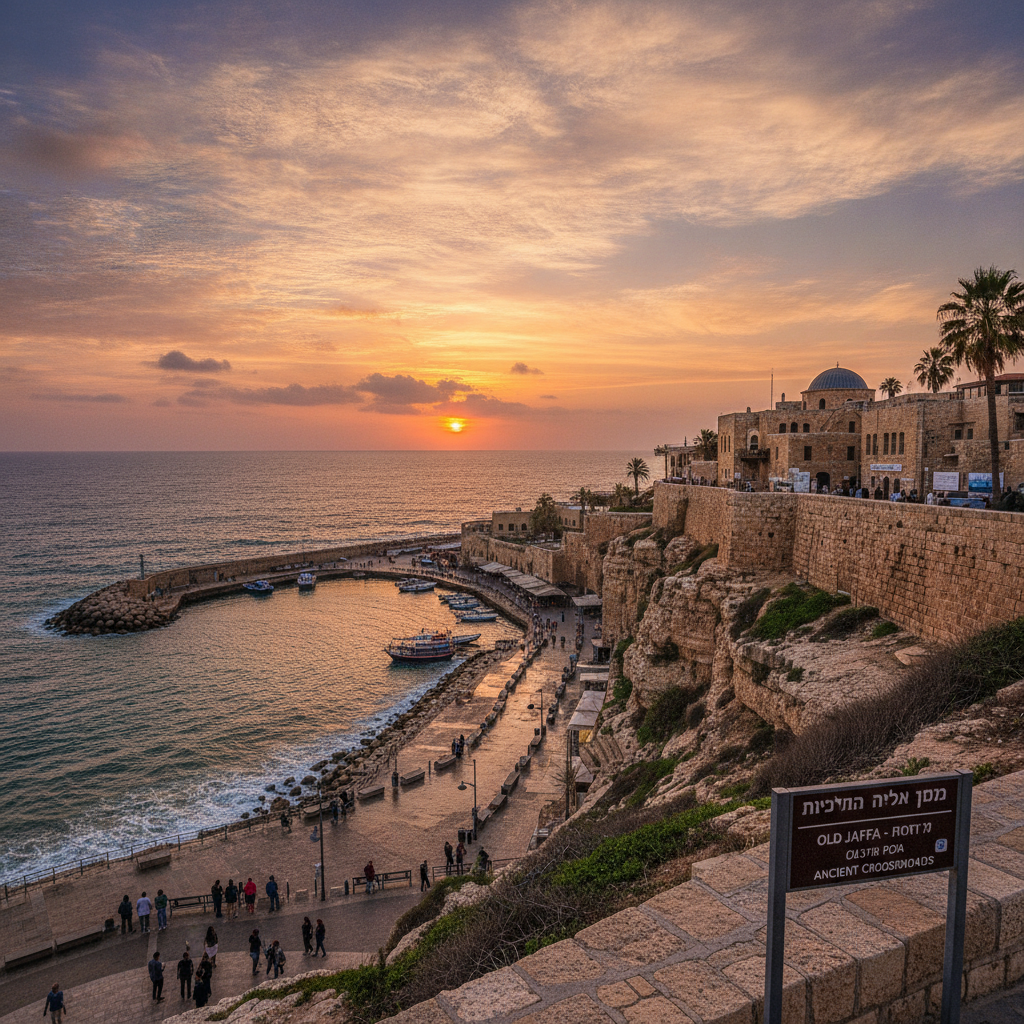
Tel Aviv-Jaffa: The Old City of Jaffa, the Flea Market, the Arab-Jewish Mixed Neighborhood, and the Most Historically Layered Single Tel Aviv Quarter
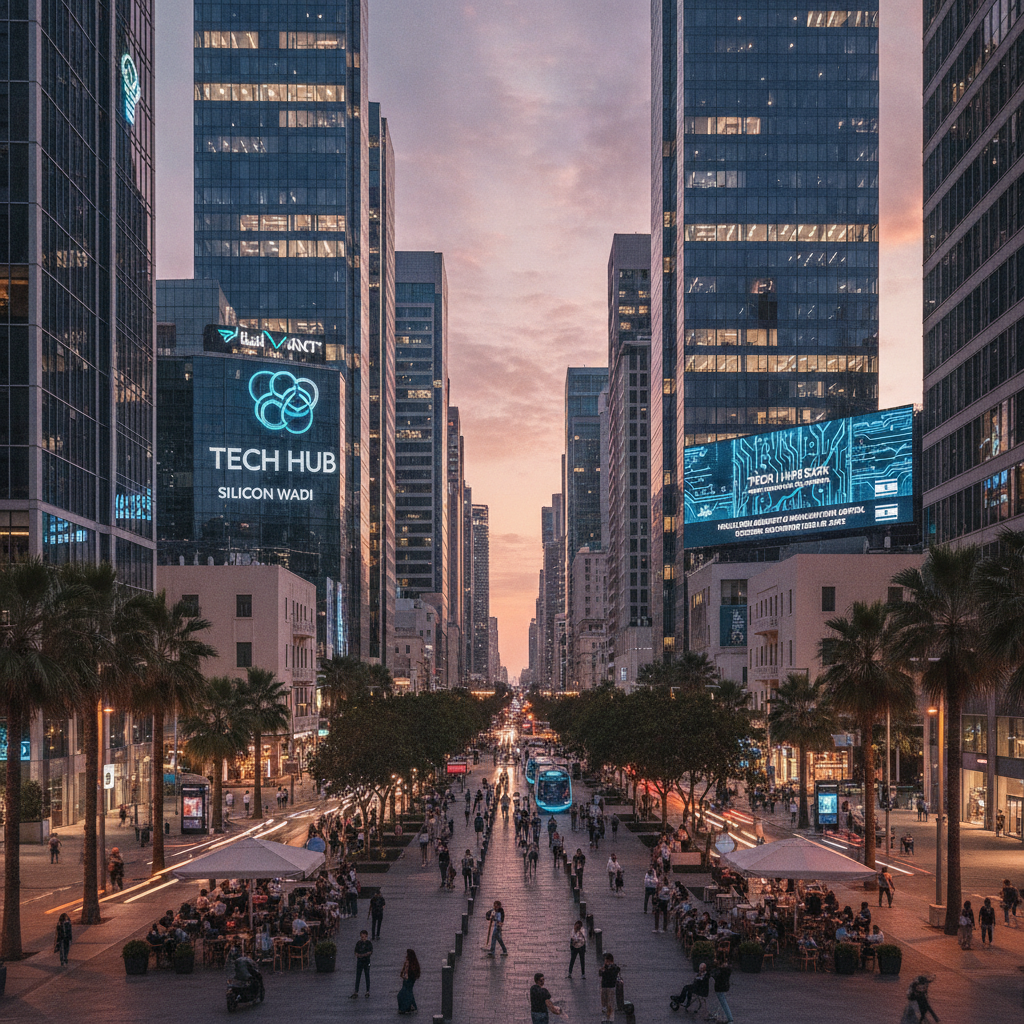
Tel Aviv Tech: The Start-Up Nation, the Silicon Wadi, the Innovation Ecosystem, and the Most Technologically Innovative Single Middle East City