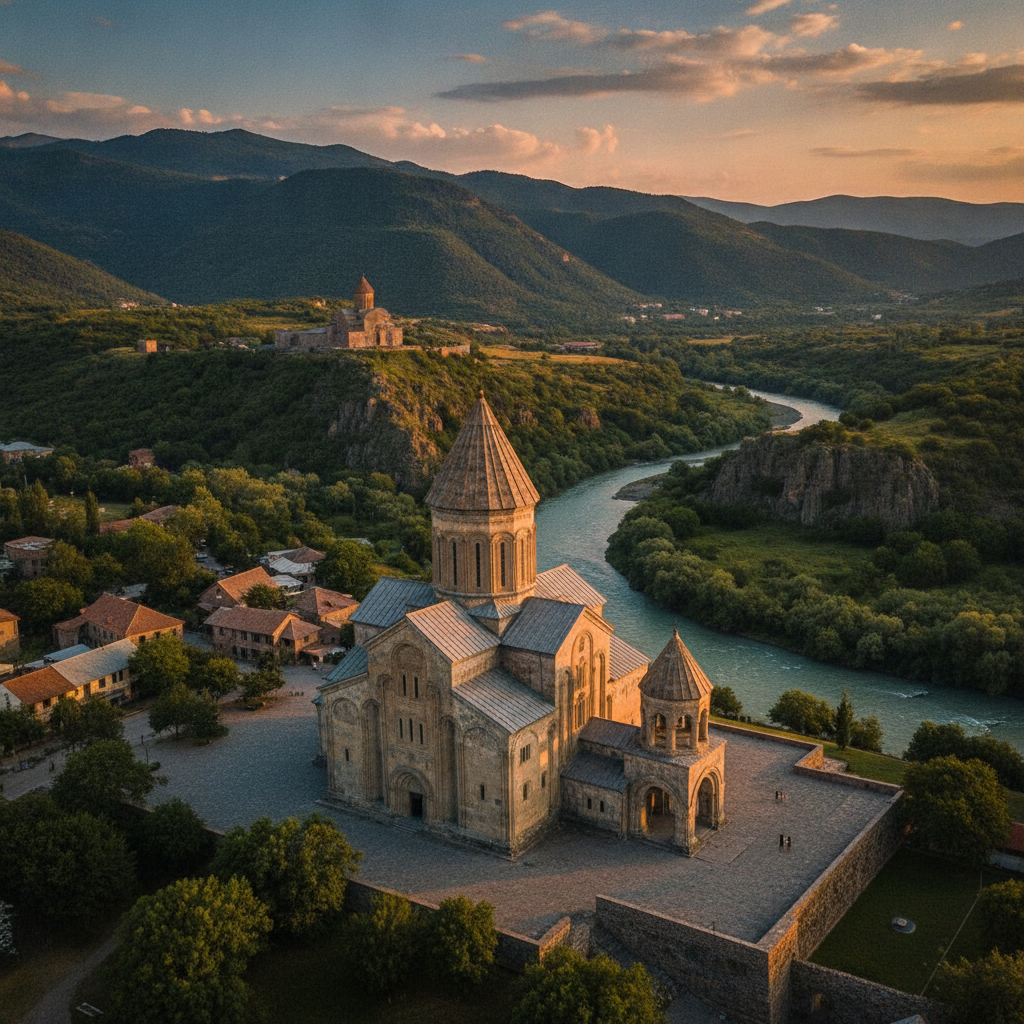
The Rose Revolution November 23 2003 When 100,000 Georgians With Roses Stormed Parliament and Shevardnadze Resigned Within Hours, Tengiz Abuladze's 1984 Film Repentance Suppressed Until 1987 & 100,000 Russians Arriving in Tbilisi in Weeks After the September 2022 Mobilization
The Rose Revolution of November 22-23, 2003 where 100,000 Georgians with roses stormed parliament and Shevardnadze resigned within 24 hours; Tengiz Abuladze's Repentance (1984) suppressed until 1987 Cannes where it won the Jury Prize as the first Soviet film to address Stalinist crimes directly; 100,000 Russians emigrating to Tbilisi within weeks of the September 2022 draft announcement; Georgia's territorial income taxation making remote workers' foreign income tax-free; the 1897 census recording Armenians as 38,071 of Tbilisi's 159,590 inhabitants; and Georgia's 7.1 million international visitors in 2023 generating 14% of GDP from tourism.
- 1
Tbilisi's Street Art & Creative Districts
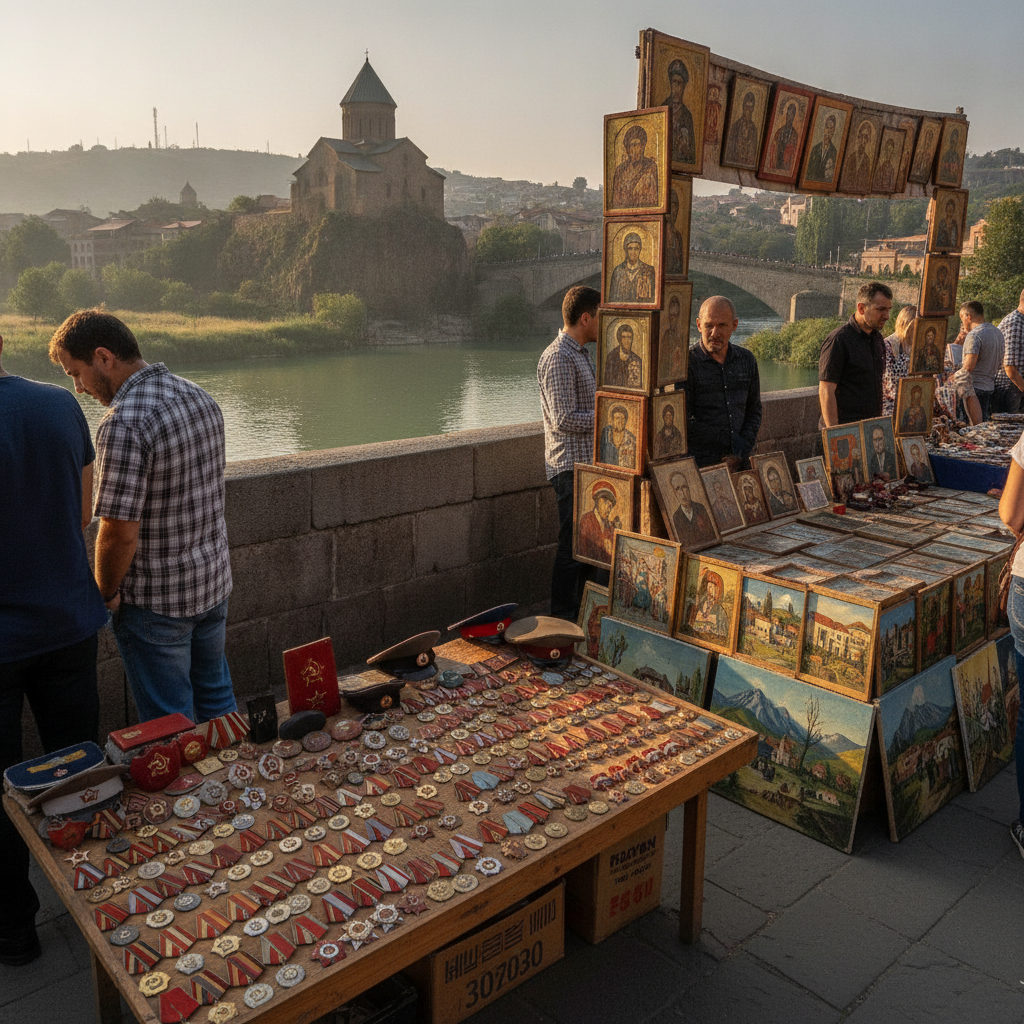
The Tbilisi street art and creative district guide (the visual art that has transformed the city's public spaces since the Rose Revolution): the street art guide. The Fabrika (the primary creative hub of Tbilisi: the former Soviet sewing factory (Tbilisi sewing factory number 8—the factory produced military uniforms during WWII) converted to a 5,000m² complex including: the hostel (the Fabrika Hostel—the largest and most socially active hostel in the city, with a 24-hour courtyard that doubles as an outdoor event space); the food court (12 restaurants and bars); the design studios (30 studios renting space to fashion designers, photographers, and graphic artists); the gallery (the rotating exhibition gallery in the former factory hall): the street art (the Marjanishvili Street and Aghmashenebeli Avenue corridor—the primary street art zone of Tbilisi: the most significant murals include the David the Builder mosaic mural on the Rustaveli Cinema facade (60m × 20m); the Georgian polyphony choir mural on the Aghmashenebeli Avenue building (the largest mural in Tbilisi, depicting the three-voice polyphony in geometric visual form): the Hobo Bar area (the cluster of bars and galleries on Hobo Street in the Marjanishvili district—the most concentrated creative-economy block in Tbilisi): the Dry Bridge Market (the open-air flea market on the Dry Bridge (Mkhari Khidi) over the Kura River—the primary antique and art market in Tbilisi, operating daily from 09:00; the sellers: the Soviet-era objects (Soviet medals, military uniforms, socialist realist art, Brezhnev-era consumer goods); the Georgian antiques (icons, khachapuri irons, silver jewelry)).
- 2
Tbilisi for Remote Workers – The Digital Nomad Capital
The Tbilisi digital nomad guide (the practical case for Tbilisi as the primary destination for remote workers in Europe and the Middle East—combining affordable living, Europe-standard infrastructure, and the 365-day visa-free policy): the remote work guide. The nomad infrastructure (the Tbilisi co-working scene: the Impact Hub Tbilisi (the primary co-working and startup hub, 300 desks, membership from USD 80/month); the Fabrika co-working (desks within the Fabrika creative hub, USD 10/day or USD 150/month); the Palitra Library co-working (the library-inspired co-working space): the internet (Georgia has the fastest internet in the Caucasus—the average Tbilisi fixed internet speed is 120 Mbps (2024)—sufficient for video calls and large file transfers without issue): the cost of living for remote workers (a comfortable Tbilisi monthly budget for a remote worker: rent (1-bedroom apartment in the Old Town or Vera district): USD 400–700/month; food (cooking + restaurants): USD 300–500/month; co-working: USD 80–150/month; transport + leisure: USD 100–200/month; total: USD 880–1,550/month—approximately 50% less than Berlin, Prague, or Lisbon at comparable lifestyle standard): the tax policy (the Georgian personal income tax flat rate is 20%—but Georgia has a territorial taxation system: income earned from foreign sources and not received in Georgia is not taxed in Georgia—making Georgia particularly attractive for remote workers whose income comes from clients outside Georgia): the community (the Tbilisi Digital Nomads Facebook group (30,000+ members) and the Nomad List ranking (Tbilisi consistently top-20 globally for remote work) indicate the maturity of the nomad community).
- 3
Tbilisi's Armenian Quarter – Avlabari Heritage
The Avlabari Armenian quarter of Tbilisi (the historic Armenian neighborhood on the left (east) bank of the Kura River—the area that was the most distinctively non-Georgian neighborhood of the city until the 20th century emigration): the Armenian heritage guide. The history (the Armenian presence in Tbilisi dates to the founding of the city—the Armenians were the primary commercial class in medieval Tbilisi (as in most Caucasian cities) and grew to constitute approximately 40% of the city's population by the mid-19th century: the 1897 Russian Imperial census recorded Tiflis (Tbilisi) as having 38,071 Armenians out of 159,590 total inhabitants): the Avlabari district (the Avlabari (from the Armenian avali bar—'upper quarter') district on the east bank: the primary surviving Armenian heritage sites: the Surb Gevorg (St. George) Cathedral (the main Armenian Apostolic cathedral in Tbilisi, built 1251 and rebuilt 1779—the largest Armenian church in Georgia); the Didube Armenian Church (1884—the secondary Armenian church, in the Didube district); the Armenian Pantheon in the Old Didube Cemetery (the cemetery where the most celebrated 19th-century Armenians of Tiflis are buried, including the painter Hovhannes Aivazovsky's Tbilisi connections)): the contemporary Armenian-Georgian relations (the Georgian-Armenian relationship is generally positive—the 50,000–100,000 Armenians currently in Georgia (primarily in Tbilisi and the southern Javakheti region) maintain Armenian-language schools, newspapers, and churches: the Javakheti region (the south Georgian region bordering Armenia, with an 80%+ Armenian-speaking majority) is a politically sensitive area due to language and identity politics).
- 4
The Rose Revolution – How Georgia Changed Overnight
The Rose Revolution (the most significant political event in post-Soviet Georgia—the peaceful mass uprising that ended the Shevardnadze government in November 2003): the political history guide. The background (Eduard Shevardnadze—the former Soviet Foreign Minister who became independent Georgia's first president in 1992—had governed Georgia through two civil wars (the Abkhaz and South Ossetian conflicts), economic collapse, and widespread corruption for 11 years: the parliamentary elections of November 2, 2003 were fraudulent—the exit polls showed Shevardnadze's coalition losing, but the official results claimed victory): the revolution (the November 22–23, 2003 events: opposition leaders Mikheil Saakashvili, Zurab Zhvania, and Nino Burjanadze led a march of 100,000 people to the Parliament building in Tbilisi; the parliament session was stormed by the opposition leaders and their supporters carrying roses (the symbol of the revolution—the non-violent gesture of a rose offered to security forces); Shevardnadze fled the parliament building and resigned on November 23; the transition of power was completed within 24 hours): the aftermath (Saakashvili won the presidential election in January 2004 with 96% of the vote; the rapid anti-corruption and economic reform program was widely successful in the first 4 years: the TI Corruption Perceptions Index score improved from 133rd place (2004) to 51st place (2012): the Georgian economic growth averaged 6.5% annually (2004–2013)): the Rose Revolution Museum (the small museum at the former Georgian parliament building on Rustaveli Avenue records the events of November 2003).
- 5
Tbilisi's Soviet Cinema Legacy – Films of the Georgian New Wave
The Georgian Soviet cinema heritage (the remarkable tradition of Georgian filmmakers who produced some of the most artistically important films in Soviet cinema—and the continuing Georgian film culture): the cinema guide. The Georgian new wave (the Georgian film new wave (1956–1990)—the group of filmmakers working at the Kartuli Pilmi studio in Tbilisi who produced films of unusual philosophical and visual complexity within the Soviet system: the primary directors and films: Tengiz Abuladze (1924–1994): Repentance (Monanieba, 1984)—the defining Georgian film, a parable of Stalinist terror set in a fictional Caucasian town; the film was made in 1984 but suppressed until 1987 when Gorbachev's glasnost permitted its release—the film was the first time Soviet cinema directly addressed Stalinist crimes; the film won the Jury Prize at Cannes 1987): Otar Iosseliani (born 1934—the internationally celebrated Georgian director who has lived and worked in France since 1982; his film Falling Leaves (1966) was the first Georgian film to win an international prize (the Venice Film Festival FIPRESCI Prize)): Lana Gogoberidze (born 1928—the first female Georgian film director (Some Interviews on Personal Matters, 1978)): the Tbilisi Film Festival (the Tbilisi International Film Festival (November/December)—the primary film event in the South Caucasus: the festival screens Georgian, Caucasian, and international films and is the primary platform for Georgian cinema's engagement with the international film community).
- 6
Tbilisi's Future – Tourism Boom & Identity Questions
The contemporary and future Tbilisi (the rapid growth of tourism and the identity questions this raises for Georgian society): the contemporary context guide. The tourism surge (Georgia received 7.1 million international visitors in 2023 (more than double the pre-COVID 2019 figure of 3.3 million)—the tourism revenue was USD 3.8 billion (2023), representing approximately 14% of GDP—one of the highest tourism-to-GDP ratios in the world for a country of this size): the Russian migration (the most controversial element of Georgia's recent growth: following the Russian military mobilization of September 2022 (the announcement of the draft for the Ukraine war), approximately 100,000 Russians emigrated to Georgia (primarily to Tbilisi) in a matter of weeks—bringing capital, skills, and a Russian-speaking customer base that boosted the restaurant and co-working economy while simultaneously raising property prices and generating social tension with local residents): the identity questions (the Georgian society's identity tensions: the pro-EU orientation (65–70% of Georgians support EU membership) vs. the Georgian Dream government's increasingly Russia-accommodating foreign policy; the Tbilisi Pride (the annual LGBTQ+ Pride march attempted since 2019 but disrupted by violent opposition groups); the foreign agents law (a Russian-modeled law restricting foreign-funded NGOs, passed by the Georgian parliament in May 2024 despite mass street protests): the EU candidate status (Georgia received EU candidate status in December 2023—the first step toward eventual EU membership, though the timeline is uncertain given the government's legislative direction).
Walk this route with audio
Stories play automatically as you reach each stop — no tapping needed.
More in Tbilisi
Tbilisi Soviet Heritage: The Soviet Architecture, the Stalin Era, the Rose Revolution, and the Most Complex Single Post-Soviet Caucasus Capital Transformation
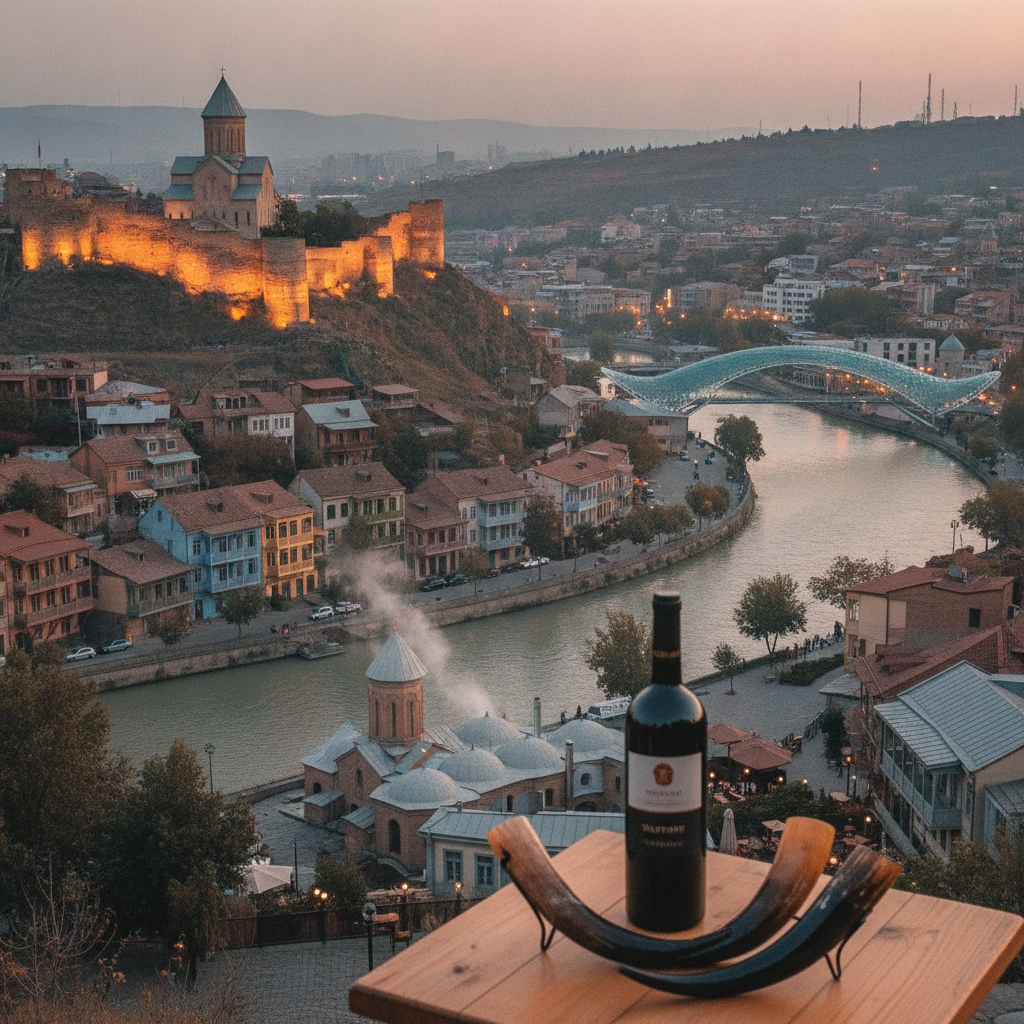
Tbilisi Essential: The Old Town, Narikala Fortress, the Sulfur Baths, Metekhi Church, the Georgian Wine, and the Most Romantically Atmospheric Single Caucasus Capital
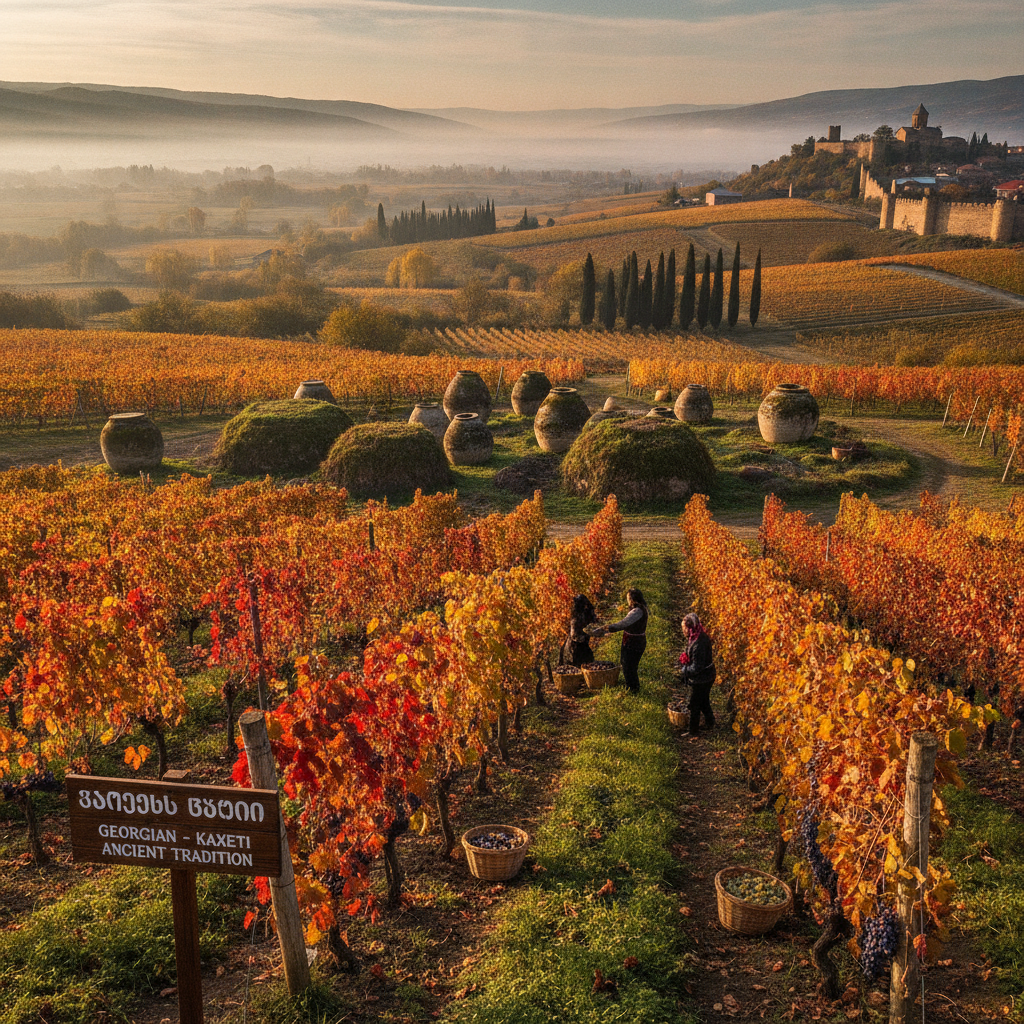
Georgia Wine Country: The Kakheti Region, Signagi, Telavi, the Wine Tasting, and the Most Ancient Single Wine Culture Day Trip from Tbilisi
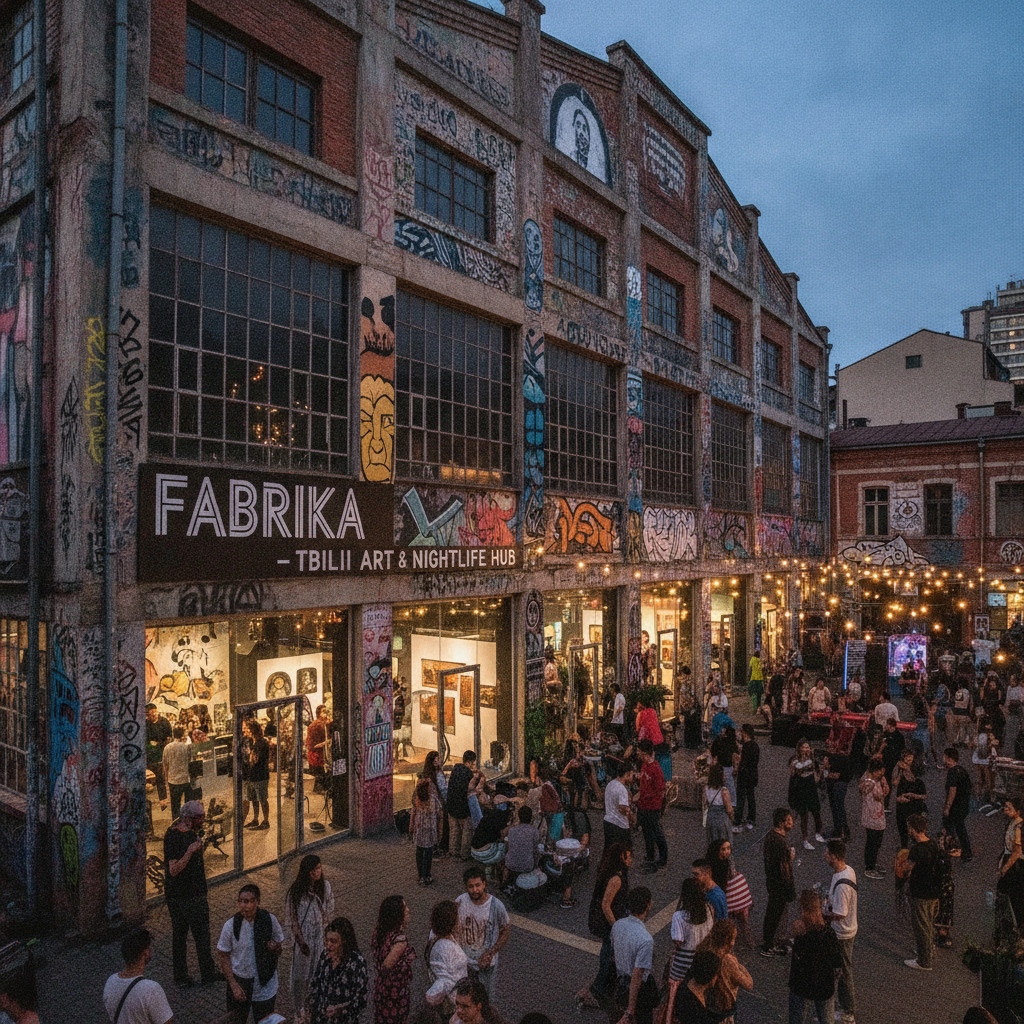
Tbilisi Arts: Fabrika, the Contemporary Gallery Scene, the Nightlife, the Creative Hub, and the Most Artistically Vibrant Single Caucasus Capital
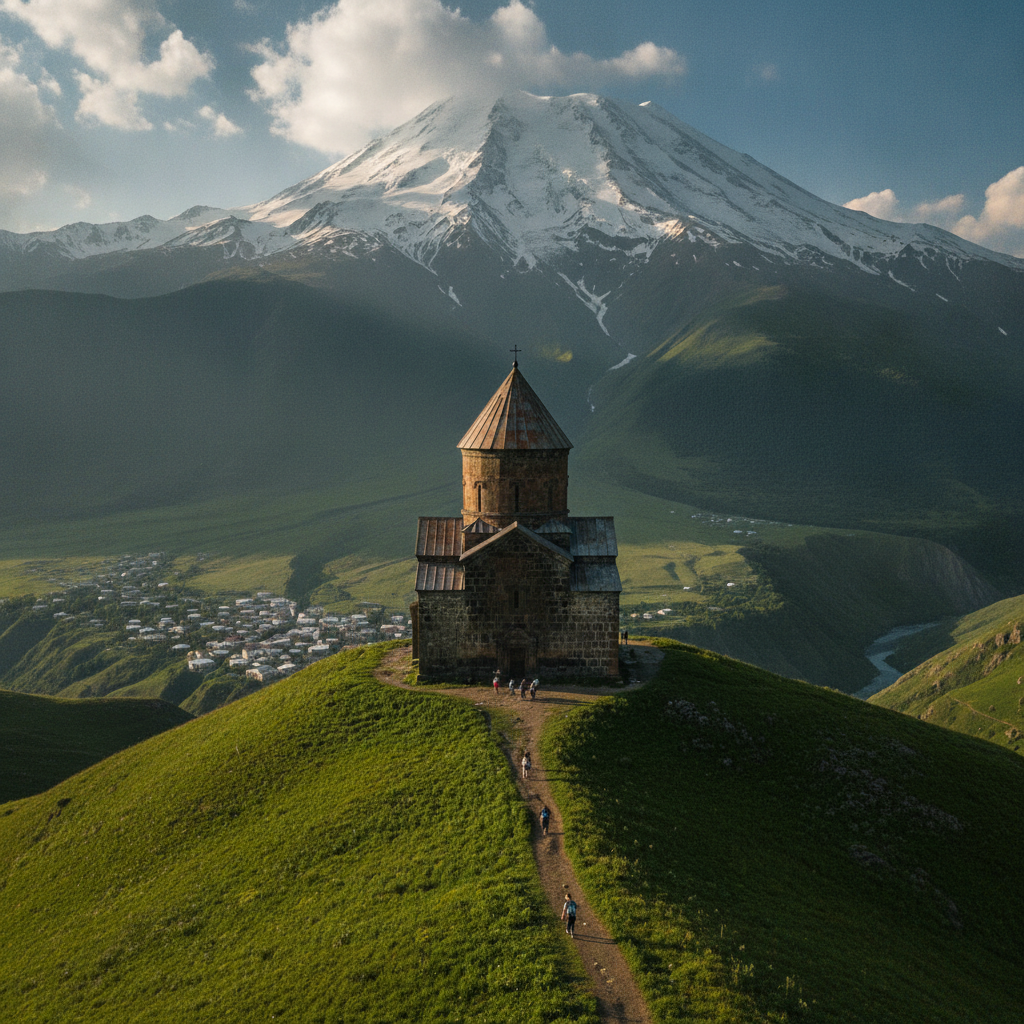
The 6,000 BCE Gadachrili Gora Wine Residue Making Georgia the World's Oldest Winemaking Civilization, the Khinkali Dumpling Broth Drunk Through a Bite Before Eating & the Gergeti Trinity Church at 2,170m With Kazbek at 5,047m Directly Behind