The 6,000 BCE Gadachrili Gora Wine Residue Making Georgia the World's Oldest Winemaking Civilization, the Khinkali Dumpling Broth Drunk Through a Bite Before Eating & the Gergeti Trinity Church at 2,170m With Kazbek at 5,047m Directly Behind
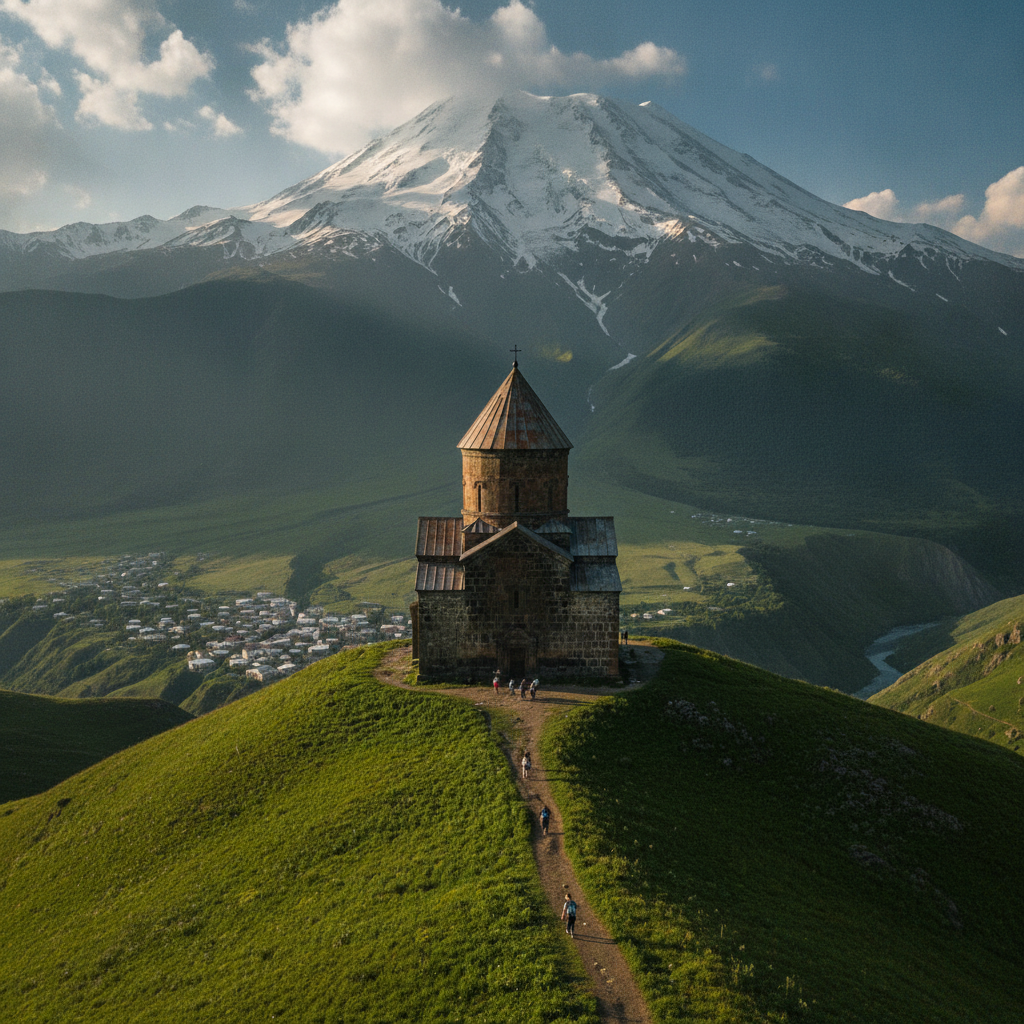
The Gadachrili Gora site (6,000-5,800 BCE) confirmed by PNAS 2017 as the world's oldest winemaking evidence, 8,000 years ago in the Kura Valley; the khinkali technique of drinking the hot broth through the first bite before eating the filling; the Gergeti Trinity Church at 2,170m with Mount Kazbek's 5,047m glaciated peak directly behind as Georgia's defining landscape image; the Adjarian khachapuri boat-shape with raw egg cracked on molten sulguni; St. Nino the Cappadocian missionary woman who converted Georgia to Christianity in 327 CE; and Georgia's 500 indigenous grape varieties more than any other country on earth.
- 1
Georgian Wine – The 8,000-Year Tradition
The Georgian wine heritage (the oldest continuous winemaking tradition in the world—the South Caucasus as the birthplace of viticulture): the wine heritage guide. The origin (the archaeological evidence for wine production in Georgia: the Gadachrili Gora site in the Marneuli Valley (60 km south of Tbilisi)—ceramic vessels with grape residue dating to 6,000–5,800 BCE (8,000 years ago) are the oldest known evidence of intentional wine production in the world (published in PNAS, 2017)): the qvevri (the defining vessel of Georgian winemaking: the qvevri (ქვევრი)—the large ceramic amphora (50–1,500 liters) buried in the earth to the neck for temperature stability, in which Georgian wine has been fermented and aged continuously for 8,000 years; the interior is coated with beeswax to prevent bacterial contamination): the amber wine (the Georgian orange wine (amber wine)—the result of fermenting white grape varieties with extended skin contact (4–6 months in qvevri) which extracts tannins and polyphenols from the grape skins and seeds, producing the distinctive orange/amber color and the tannic, textured character): the grape varietals (Georgia has approximately 500 indigenous grape varieties—more than any other country: the most important: Rkatsiteli (the white variety of the Kakheti region—the most widely planted native Georgian variety, capable of 200+ years of productive life on the vine); Saperavi (the red variety—the name means 'dye' in Georgian, referring to its deeply colored red-purple juice): the Kakheti wine region (the primary wine region 2 hours east of Tbilisi, containing the wine towns of Telavi, Sighnaghi, and Kvareli—the Alazani River valley, Tsinandali Estate, and Kindzmarauli Saperavi are the most celebrated appellations).
- 2
Georgian Cuisine – From Khachapuri to Churchkhela
The Georgian food guide (the most celebrated food culture in the former Soviet Union—the cuisine that has been described as the crossroads of the Mediterranean, Middle Eastern, and Slavic food traditions): the food heritage guide. The khachapuri (the primary Georgian bread-cheese dish—the most iconic food in Georgian cuisine: the khachapuri (ხაჭაპური—'curd bread' in Georgian) exists in five distinct regional forms: the Imeretian khachapuri (the round stuffed bread, closed)—the most widely available form, a round dough filled with Imereti sulguni cheese (the mild, slightly elastic Georgian cheese); the Adjarian khachapuri (the boat-shaped open-topped bread with molten sulguni, a raw egg cracked on top, and a lump of butter—the most visually spectacular form); the Megrelian (the double-cheese variant, cheese inside and outside); the Penovani (the flaky pastry variant): the khinkali (the Georgian dumpling: the khinkali (ხინკალი)—a large twisted dough parcel (8–10 cm diameter) filled with spiced meat (the classic filling: minced pork and beef with onion, black pepper, and fresh coriander—the filling is always moist, producing a hot broth inside the dough): the eating technique (the khinkali is held by the dough knot at the top, bitten at the base, the broth drunk from the hole, and the filling and dough eaten—the dough knot (kudi) is never eaten and left on the plate as a count of khinkali consumed): the satsivi (the walnut sauce—the most characteristic element of Georgian cuisine: the cold chicken in walnut sauce (chicken satsivi) uses a sauce of ground walnuts, garlic, onion, coriander, and saffron (Imereti saffron—Calendula officinalis, not the Crocus sativa saffron of Iran)—served at room temperature as a starter).
- 3
The Georgian Orthodox Church – Faith & Architecture
The Georgian Orthodox Church heritage (the Apostolic Orthodox church that has been the center of Georgian national identity for 1,700 years—the institution that preserved Georgian language, culture, and identity through Persian, Mongol, Ottoman, and Russian overlordship): the church heritage guide. The history (Georgia adopted Christianity as the state religion in 327 CE—one of the first states to do so (Armenia was first in 301 CE)—the conversion is attributed to St. Nino, a Cappadocian (modern Turkey) Christian missionary woman who came to the court of King Mirian III of Kartli): the Svetitskhoveli Cathedral (the Cathedral of the Living Pillar in Mtskheta—20 km west of Tbilisi—the primary cathedral of Georgian Orthodoxy and the burial place of the Georgian kings: built 1010–1029 CE by the master architect Arsukidze; the cathedral is the largest medieval church in the South Caucasus (72m × 33m internal dimensions): the legend (the name Living Pillar refers to the legend that the robe (chiton) of Christ was brought to Georgia by a Jew from Mtskheta who was present at the Crucifixion; the robe was buried under the first pillar of the cathedral, which grew branches and produced miraculous healing—the pillar became the Svetitskhoveli (Living Pillar) of the cathedral): the Jvari Monastery (the 6th-century monastery at the confluence of the Aragvi and Kura rivers visible from the Svetitskhoveli Cathedral—the view of the two rivers joining below the monastery cliff is the image used in Mikhail Lermontov's poem Mtsyri (1840), the most celebrated Russian literary work set in the Caucasus).
- 4
Tbilisi's Multicultural Heritage – Jews, Armenians & Persians
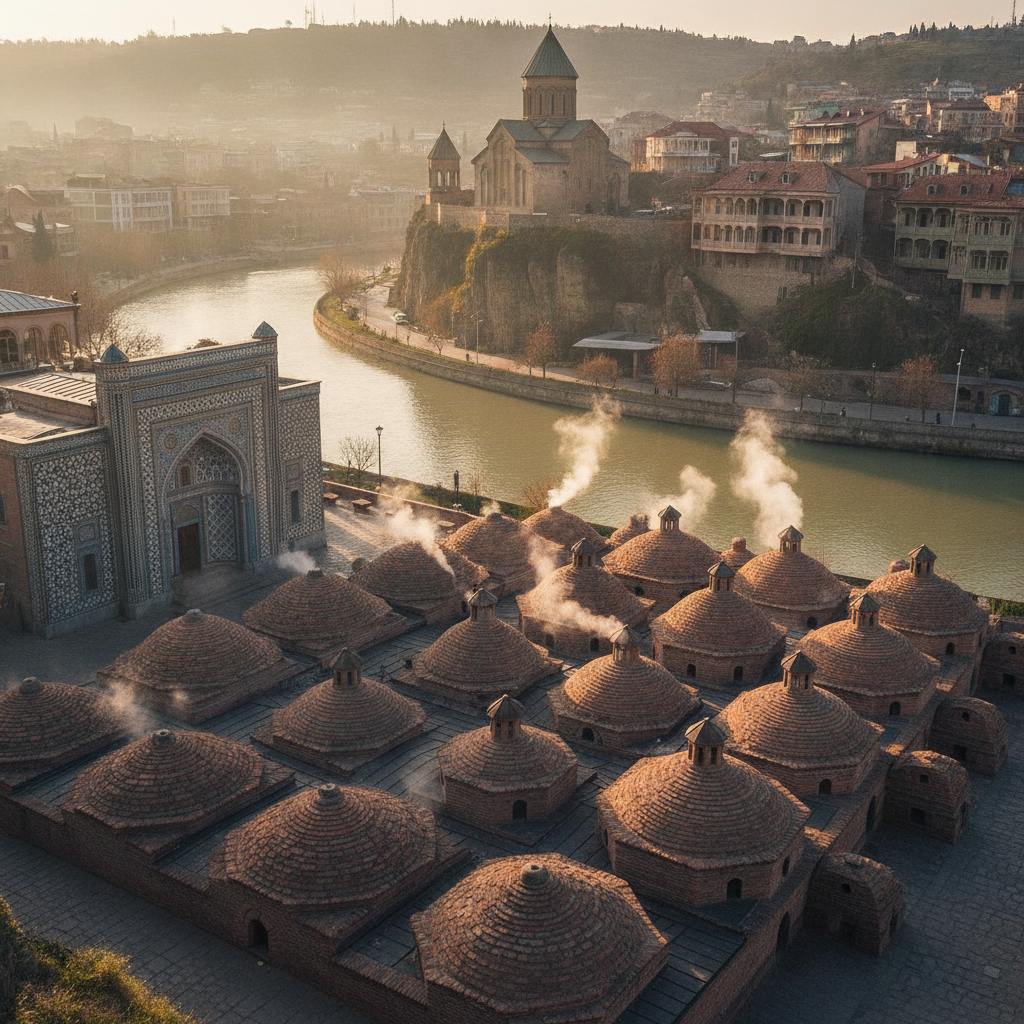
The multicultural heritage of Tbilisi (the city's long history as a center of religious tolerance and ethnic diversity—the characteristic that set it apart from monoethnic capitals): the cultural diversity guide. The Jewish community (the Georgian Jews (Kartvelian Jews)—one of the oldest Jewish communities in the world, with a claimed (though historically debated) 2,600-year continuous presence in Georgia: the community is distinct from the Ashkenazi and Sephardi traditions, speaking a distinct Jewish-Georgian dialect (Judeo-Georgian): the Tbilisi Great Synagogue (built 1904 on Kotetishvili Street in the Abanotubani district—one of the few Georgian synagogues with a full congregation; the current Jewish population of Georgia is approximately 4,000–8,000, down from 30,000 in 1970 (emigration to Israel)): the Armenian community (the Tbilisi Armenian community was historically the largest non-Georgian ethnic group in the city—in the 19th century Armenians constituted approximately 40% of Tbilisi's population: the Armenian Apostolic Cathedral of St. George (the Surb Gevorg Cathedral in the Avlabari district across the Kura River—the primary Armenian church in Tbilisi, built 1251 and rebuilt 1779): the Persian heritage (the Tbilisi old town shows significant Persian (Safavid) architectural influence from the long period of Safavid Persian control of eastern Georgia (1555–1747)—the Orbeliani bath facade is the clearest surviving example of Safavid architectural influence; the Caravanserai on Gomi Street (the former Persian merchant inn, built 17th century)): the Muslim minority (the Azeri-speaking Muslim community of southeastern Georgia (the Kvemo Kartli region) and the Adjarian Muslim Georgians (western Georgia) contribute to the religious diversity of the city).
- 5
Tbilisi's Contemporary Scene – Design, Art & Tech
The contemporary Tbilisi (the city's remarkable transformation since 2004—from post-Soviet decline to one of Europe's most dynamic creative and technology hubs): the contemporary culture guide. The Rose Revolution aftermath (the Rose Revolution (November 2003)—the peaceful uprising that brought Mikheil Saakashvili to power and initiated a rapid anti-corruption and modernization program: the Saakashvili government (2004–2013) built: the Rike Park and the Peace Bridge (the contemporary pedestrian bridge over the Kura, designed by Italian architect Michele De Lucchi, opened 2010—a glass-and-steel arch bridge that is the most discussed contemporary architecture in Tbilisi); the Justice House (the radical transparent glass administrative building); the Presidential Palace (the huge dome-and-colonnade building on the Avlabari hill): the contemporary art scene (the Fabrika (the former Soviet sewing factory converted to a hostel, restaurants, studios, galleries, and creative market—the primary gathering place for Tbilisi's creative community): the nightlife (Tbilisi's nightlife is the most internationally celebrated aspect of the contemporary city—the electronic music clubs (Bassiani, Café Gallery, and Khidi (the Bridge club, under the Kura River bridge)) have put Tbilisi on the global techno club map alongside Berlin and Amsterdam): the tech scene (Tbilisi is the primary tech hub of the South Caucasus—the Free Industrial Zone at Rustavi (30 km from Tbilisi) and the Technopark Tbilisi are the primary tech infrastructure; the Georgian tech companies (Betsson, Adjarabet) are the primary employers in the tech sector).
- 6
Day Trips from Tbilisi – Kazbegi, Kakheti & Mtskheta
The Tbilisi day trip guide (the three most spectacular day trips from the Georgian capital—each accessible within 2–3 hours and each representing a completely different Georgian landscape and heritage): the day trip guide. Mtskheta (20 km west of Tbilisi—the ancient capital of the Kartli kingdom and the spiritual capital of Georgia: the Svetitskhoveli Cathedral (the 1010 CE cathedral (see Route 3); the Jvari Monastery (the 6th-century monastery at the river confluence—the 30-minute drive from Tbilisi and 10-minute hike from the parking area); the Samtavro Convent (the nunnery adjacent to the Svetitskhoveli, containing the tomb of King Mirian III and Queen Nana—the king and queen who converted to Christianity in 327 CE)): Kazbegi (the Kazbegi mountain town (Stepantsminda) 150 km north of Tbilisi on the Georgian Military Highway: 2h30m by marshrutka (minibus) from Didube bus station; the Gergeti Trinity Church (the 14th-century church (2,170m) at the foot of Mount Kazbek (5,047m)—the most photographed single object in Georgia; the hike from Stepantsminda town to the church takes 2–3h uphill (6 km, 900m elevation gain); the stunning snow-capped peak backdrop behind the stone medieval church is the defining Georgian landscape image): the Kakheti wine region (2h east by car or marshrutka: the Alazani Valley wine estates: the Tsinandali Estate (the historic 19th-century estate of the Chavchavadze family—the primary wine museum and tasting center in Kakheti); the Sighnaghi (the most picturesque wine town, enclosed by a complete medieval town wall, 7 km of battlements): the Kindzmarauli wine cellars (the home of Georgia's most internationally recognized wine appellation).
Walk this route with audio
Stories play automatically as you reach each stop — no tapping needed.
More in Tbilisi
Tbilisi Soviet Heritage: The Soviet Architecture, the Stalin Era, the Rose Revolution, and the Most Complex Single Post-Soviet Caucasus Capital Transformation
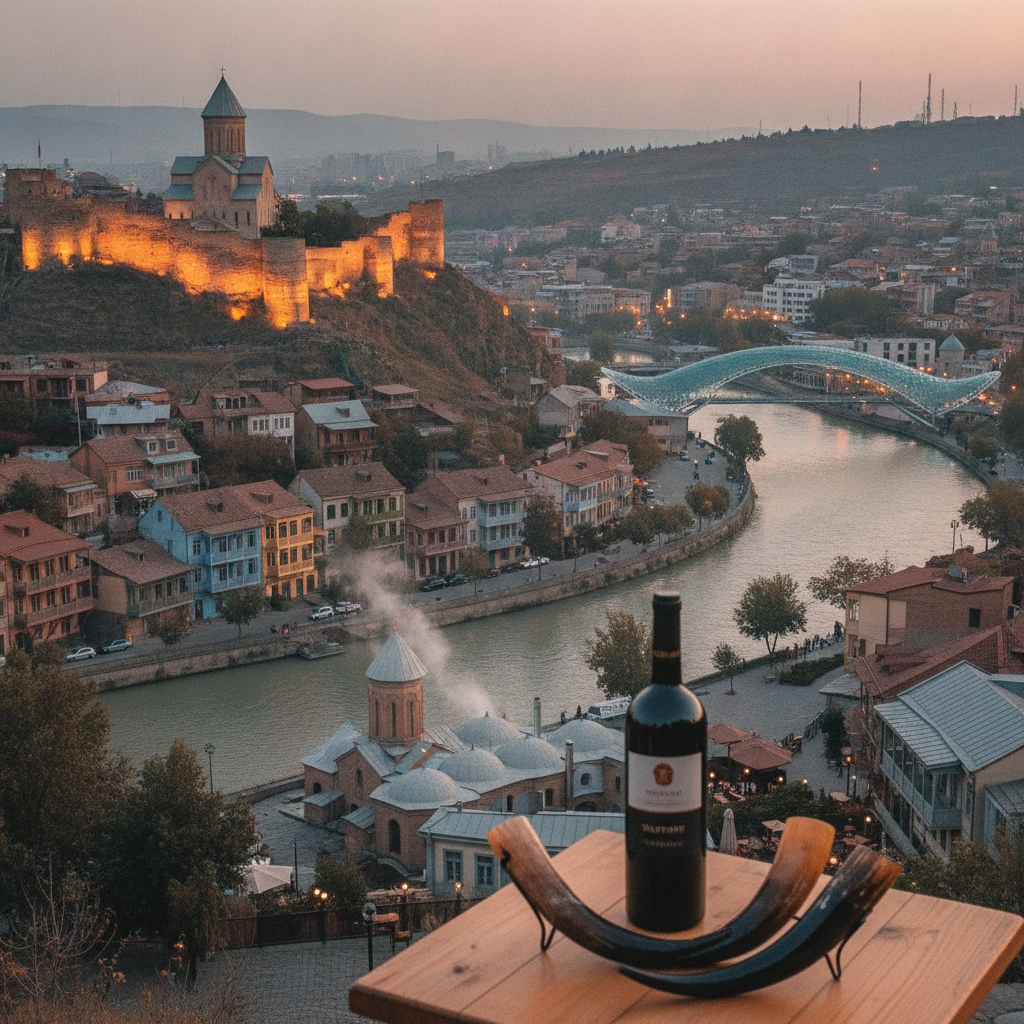
Tbilisi Essential: The Old Town, Narikala Fortress, the Sulfur Baths, Metekhi Church, the Georgian Wine, and the Most Romantically Atmospheric Single Caucasus Capital
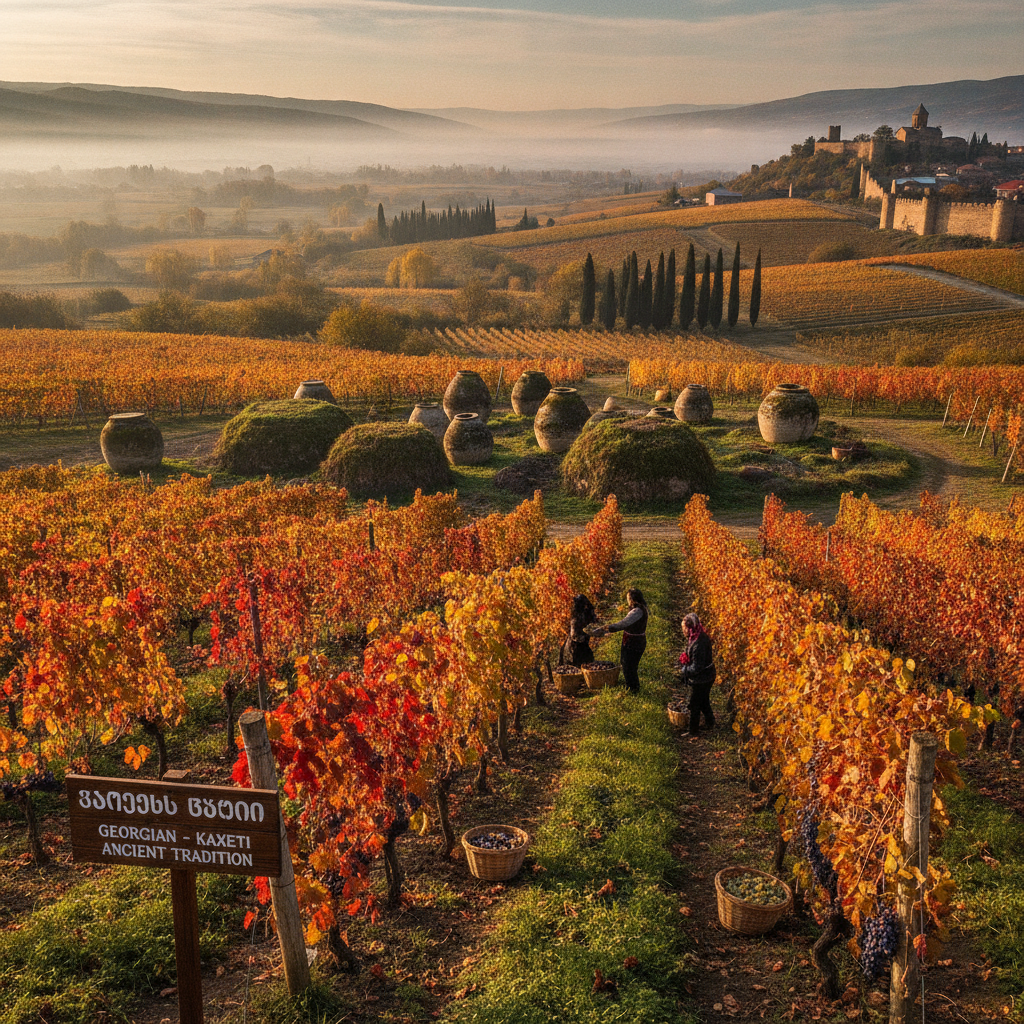
Georgia Wine Country: The Kakheti Region, Signagi, Telavi, the Wine Tasting, and the Most Ancient Single Wine Culture Day Trip from Tbilisi
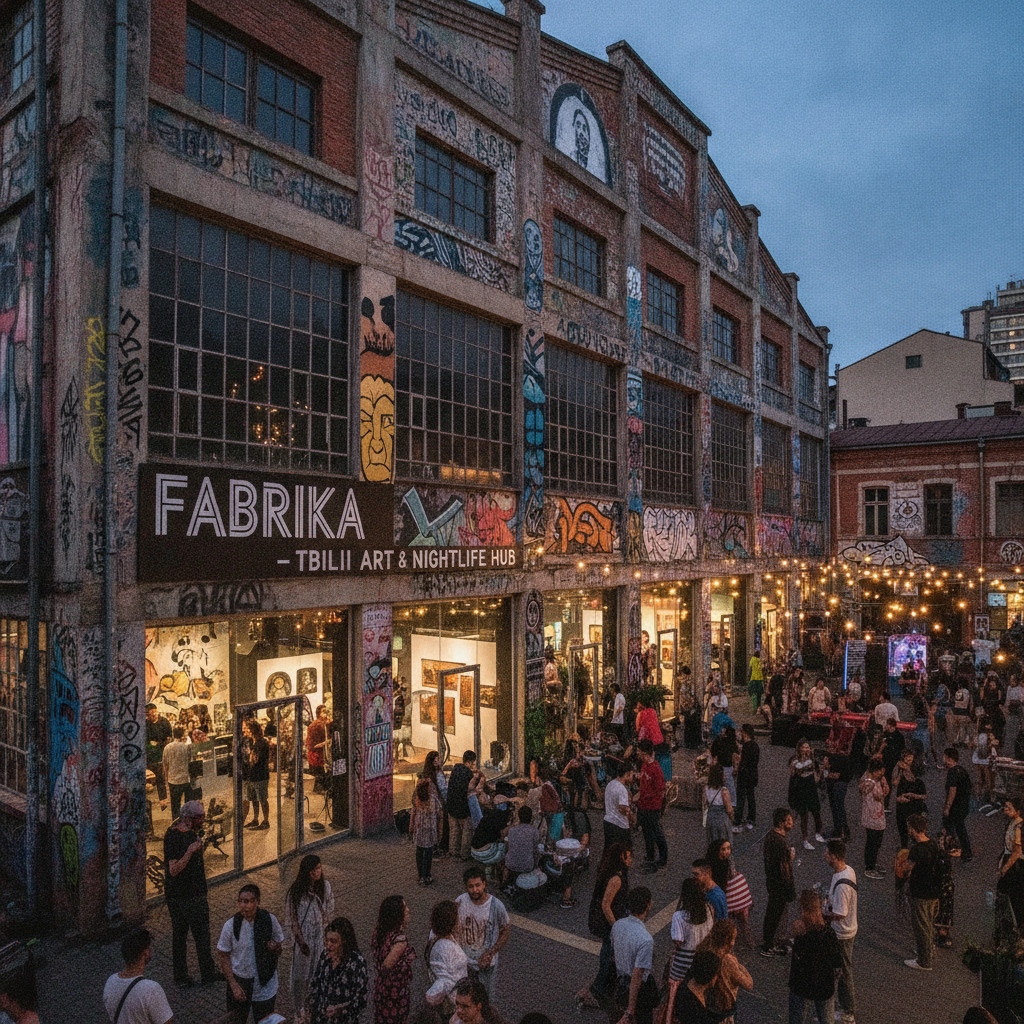
Tbilisi Arts: Fabrika, the Contemporary Gallery Scene, the Nightlife, the Creative Hub, and the Most Artistically Vibrant Single Caucasus Capital
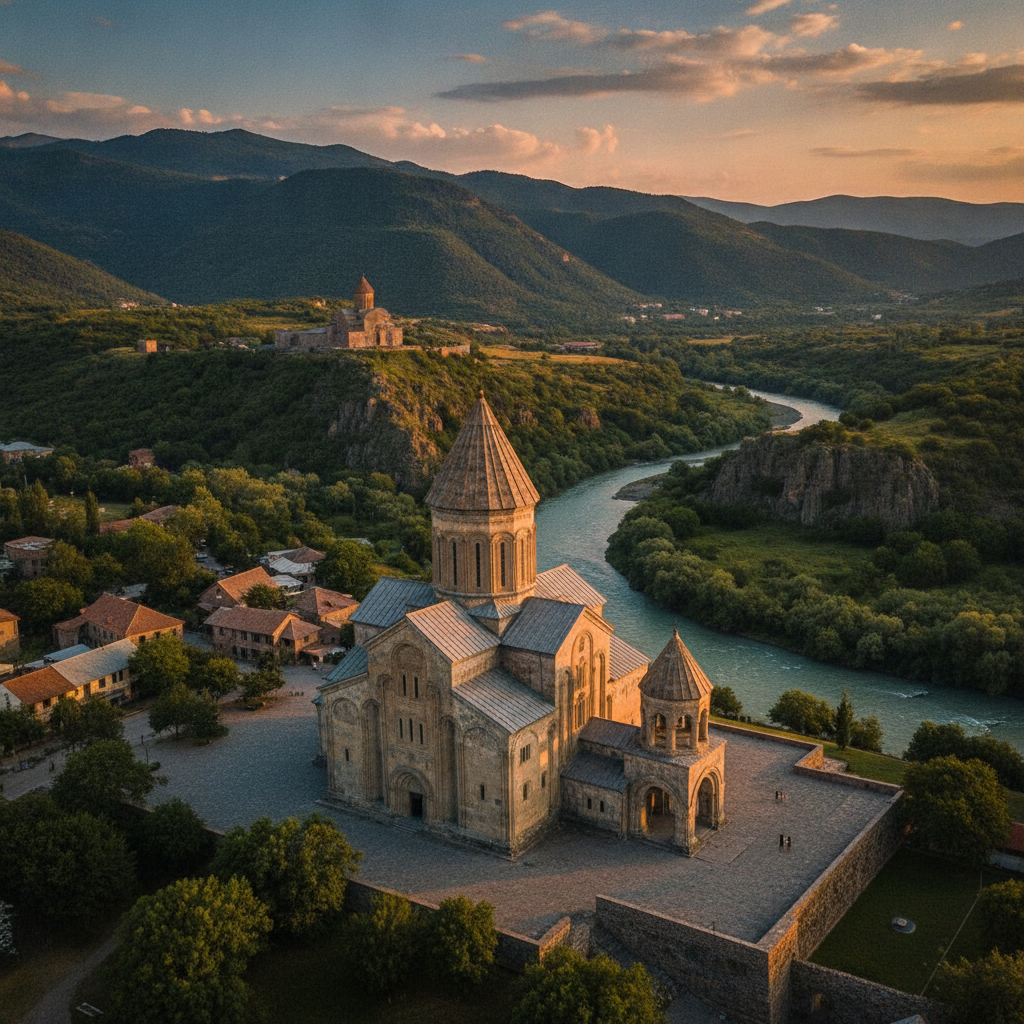
Tbilisi Sacred: Mtskheta, Svetitskhoveli Cathedral, Jvari Monastery, the Georgian Orthodox Tradition, and the Most Historically Sacred Single Caucasus Region