Arg of Tabriz Mud Brick Citadel Ruins
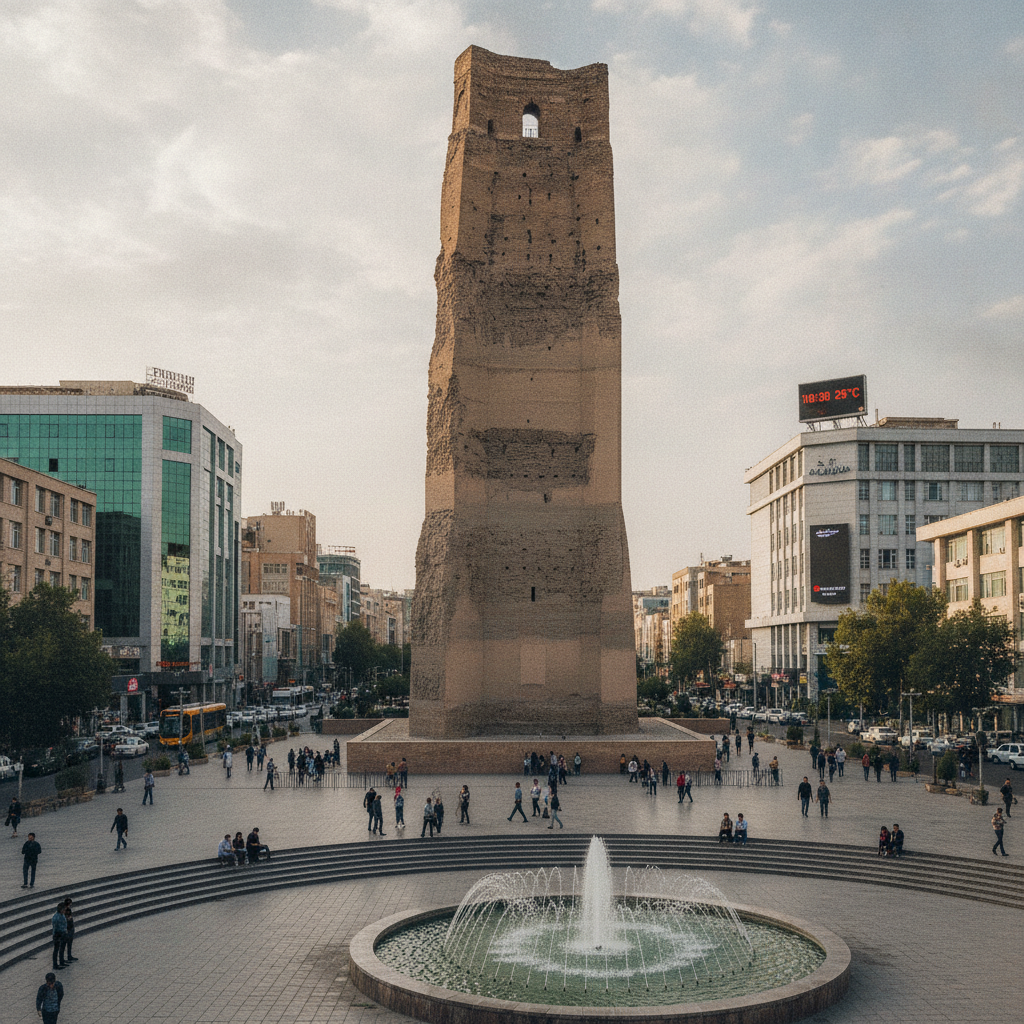
Visit the Arg of Tabriz, the massive mud-brick citadel that once dominated the city and served as its fortress and prison, now reduced to a single great tower that stands in the central square as a monument to the successive rulers who made Tabriz the capital of northwestern Persia.
- 1
Central Square View
View the Arg tower from the central square of Tabriz where the massive mud-brick structure rises incongruously among modern buildings, the single surviving tower representing what was once an extensive fortified palace complex that served as the seat of power in one of the most important cities of the medieval Islamic world.
- 2
Mud Brick Construction
Examine the mud brick construction of the Arg tower up close where the massive scale of the brickwork — some individual bricks measuring 40 centimeters square — demonstrates the engineering ambition of the Ilkhanate builders who constructed this citadel when Tabriz was the capital of the Mongol Persian empire.
- 3
Prison History
Learn about the Arg's history as a prison where political prisoners, rebels, and foreign captives were held by successive dynasties, the fortress's role as a place of incarceration making it a site of historical trauma alongside its architectural significance.
- 4
Earthquake Damage
Understand the earthquake damage that reduced the original extensive citadel to this single tower, the frequent seismic activity of the Tabriz region having destroyed most of the historical fabric of the city repeatedly over centuries, making the Arg's survival all the more remarkable.
- 5
Historical Reconstructions
Study the historical reconstructions showing the original extent of the Arg complex when it occupied a large area of central Tabriz, the models and drawings allowing visitors to imagine the fortified palace complex that impressed medieval travelers including Ibn Battuta who visited Tabriz in 1327.
- 6
Surrounding Square
Walk the surrounding square where Tabriz's urban life flows around the ancient monument, the contrast between the medieval brick tower and the modern commercial city around it making visible the layered history of a city that has been continuously occupied for over 2,000 years.
Walk this route with audio
Stories play automatically as you reach each stop — no tapping needed.
More in tabriz
Tabriz Azerbaijani Cuisine and Cultural Identity
Kandovan Rocky Village Volcanic Troglodyte Homes
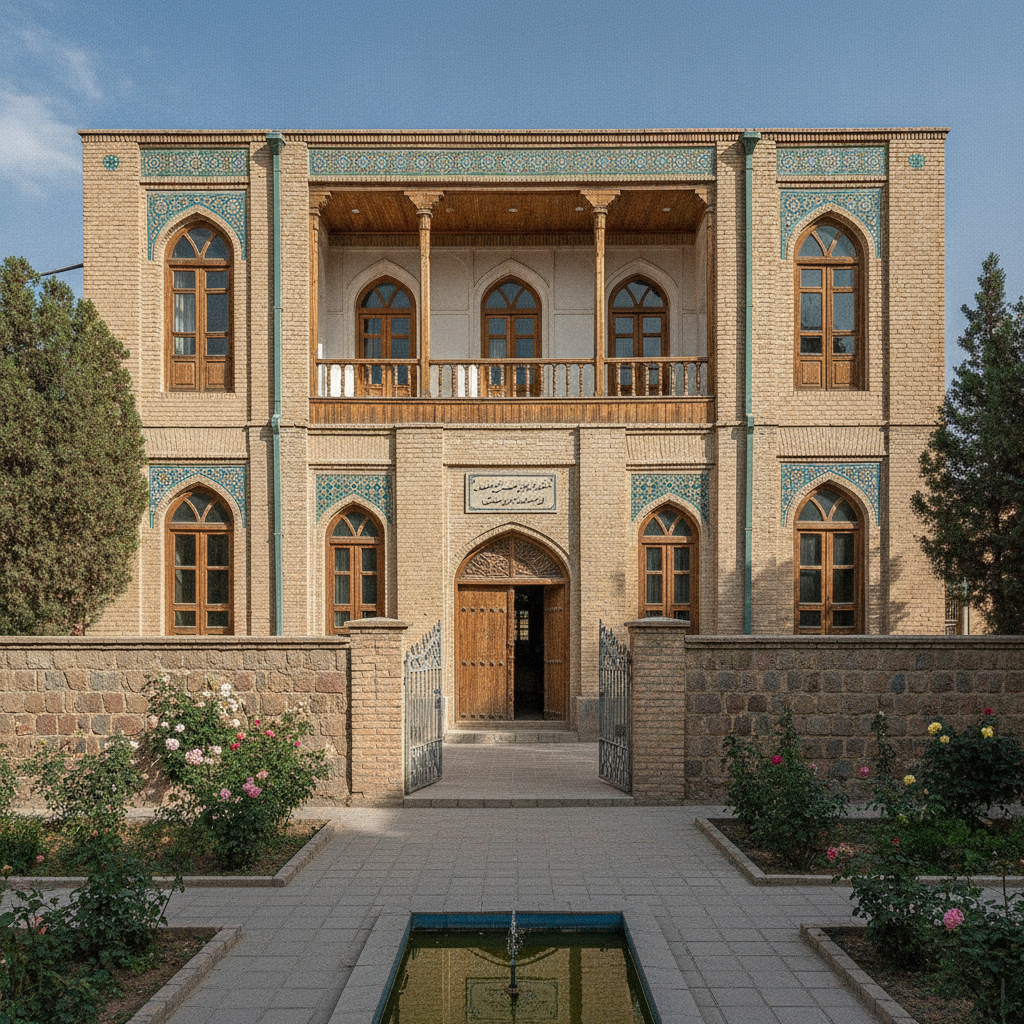
Constitution House Tabriz Iranian Democracy Heritage
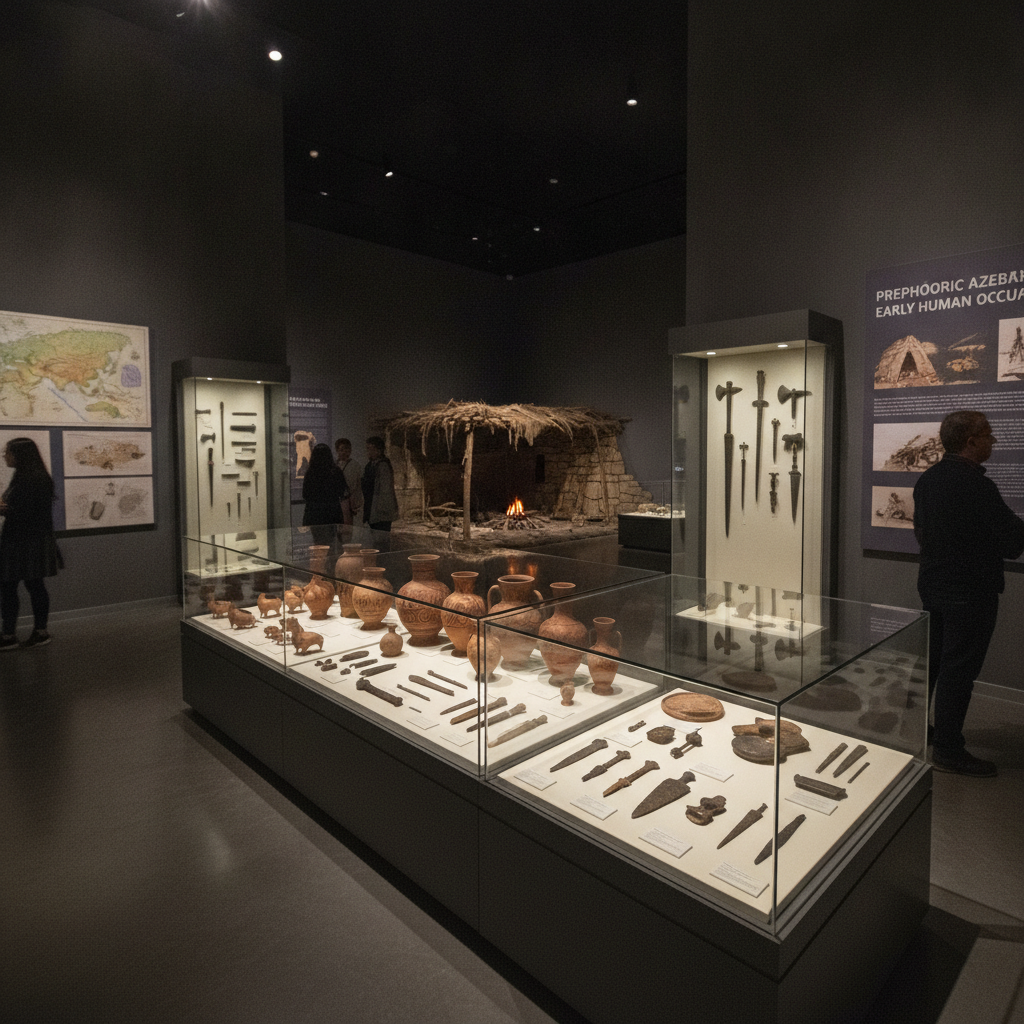
Azerbaijan Museum Ancient Artifacts and History
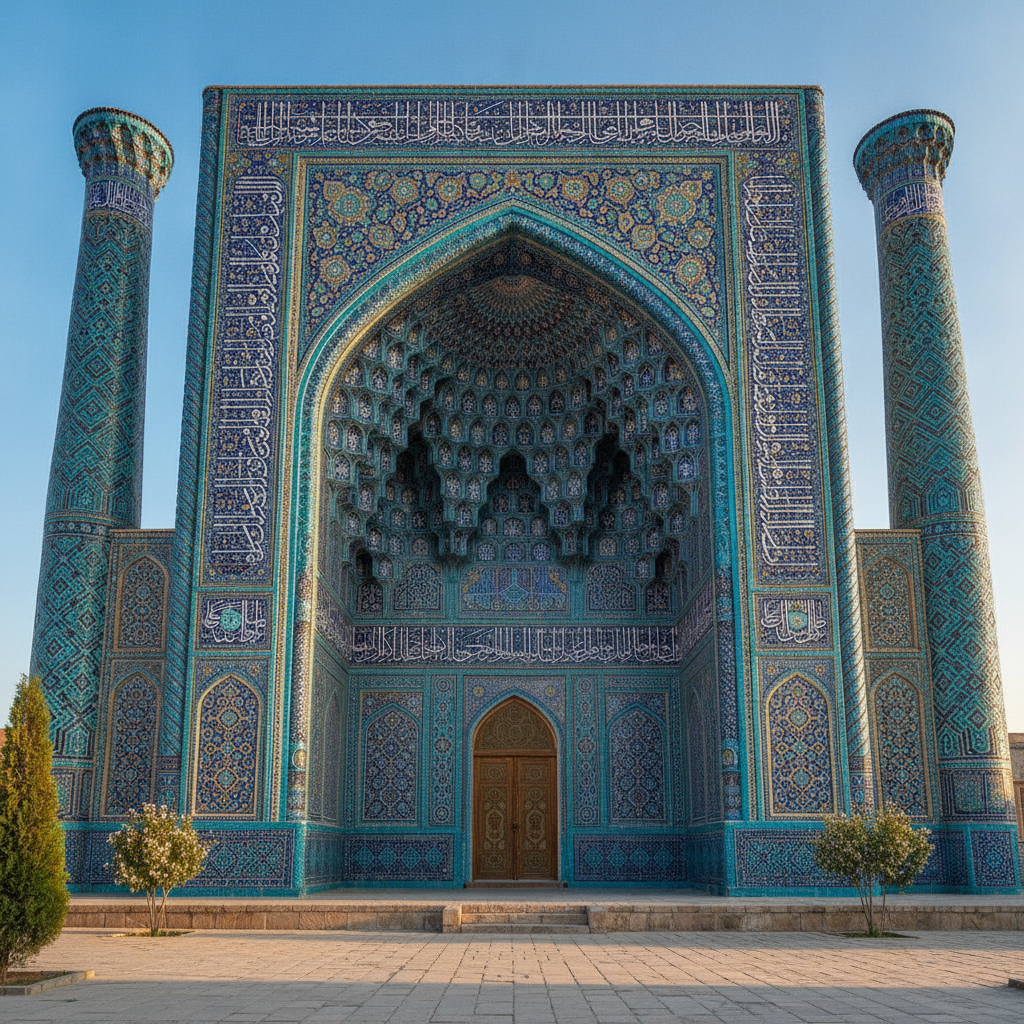
Blue Mosque Ilkhanid Timurid Tiled Masterpiece