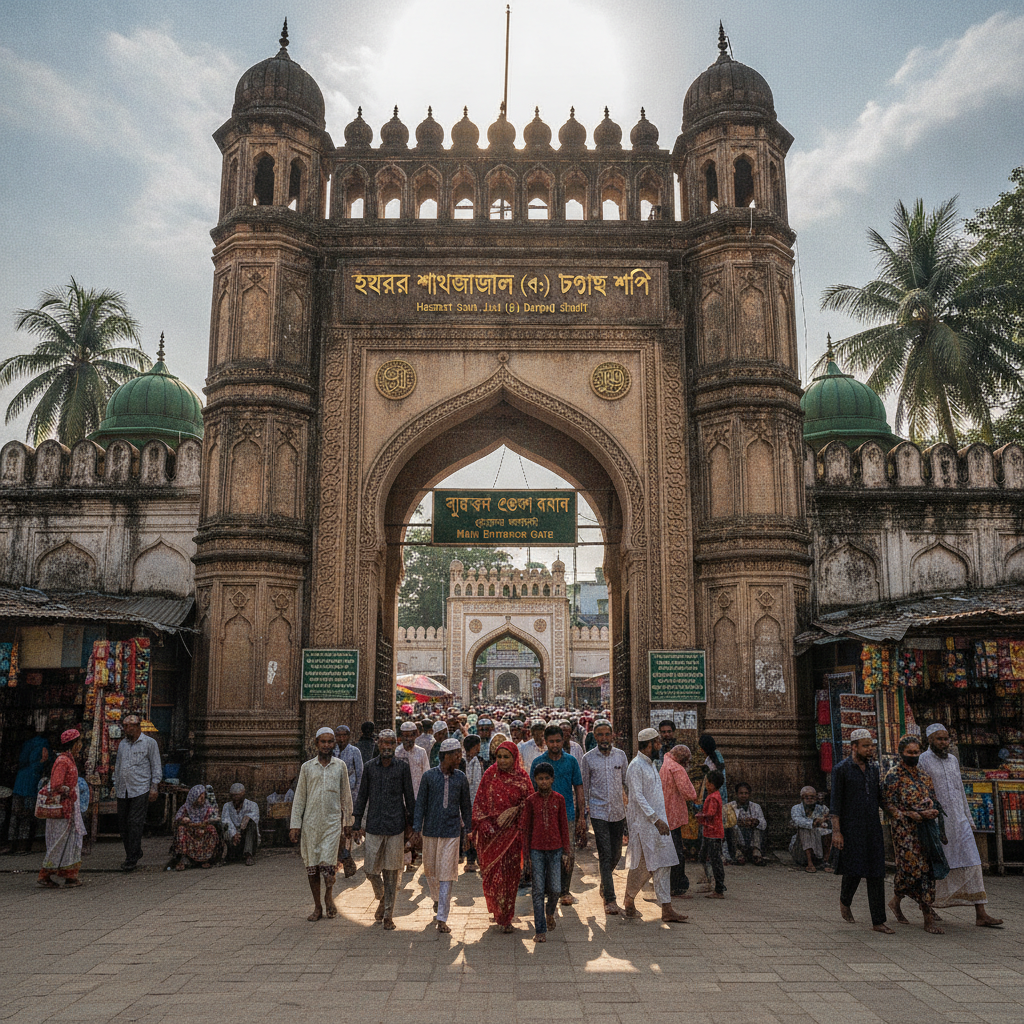
Sylhet Tea Garden Highlands Walk
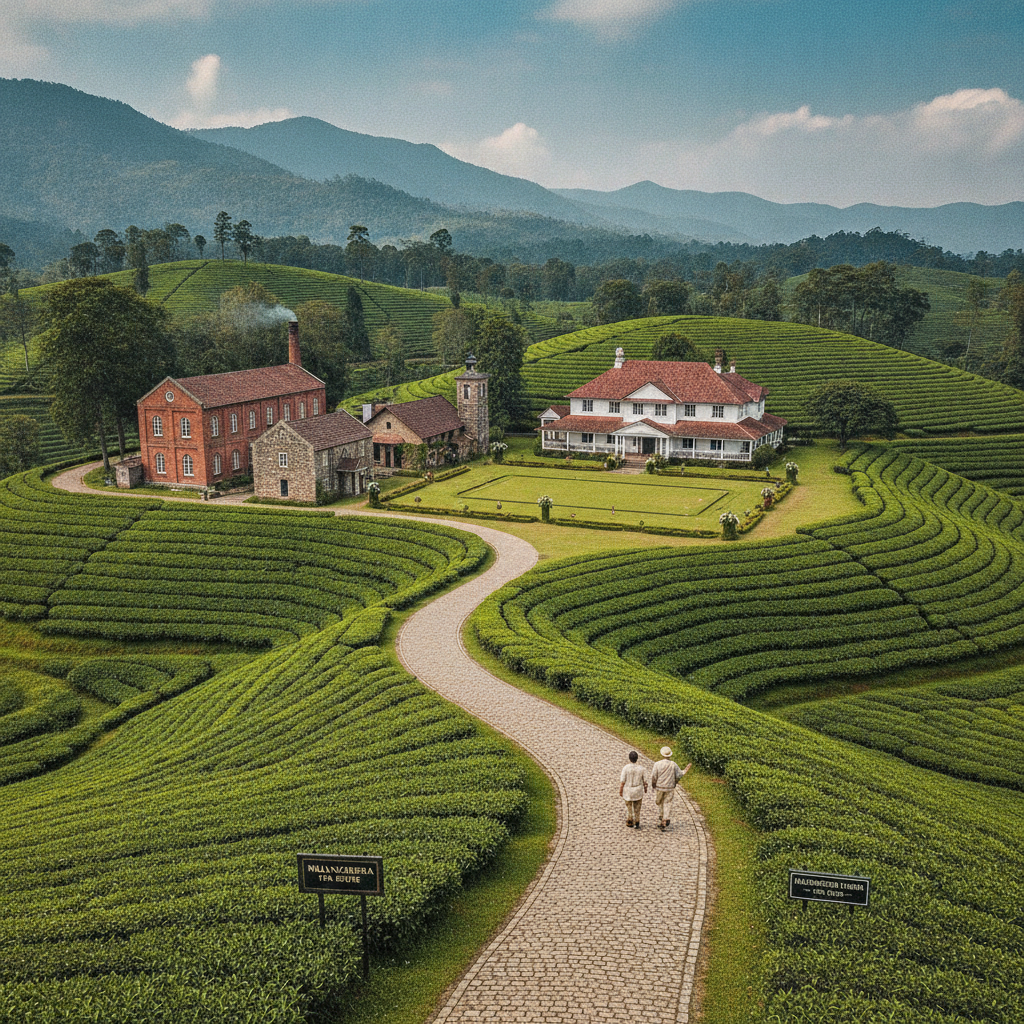
Walk through the rolling tea gardens of Sylhet — Bangladesh's tea-growing heartland in the northeastern hills bordering India's Assam and Meghalaya states, where manicured rows of tea bushes carpet the hillsides, women pluckers move through the rows with bamboo baskets, and the air carries the green scent of fresh-picked leaves.
- 1
Malnicherra Tea Estate
The oldest tea garden in Bangladesh, established in 1854, where the British colonial origins of the industry are visible in the estate bungalows, the factory buildings, and the formal layout of the tea garden that has been producing tea continuously for over 170 years.
- 2
Tea Plucking Rows
Walk between the rows of waist-high tea bushes where women pickers select only the top two leaves and a bud — the standard for quality tea — filling bamboo baskets that hold 20-25 kilograms of fresh leaves harvested in a full day's work.
- 3
Tea Factory Tour
Enter the processing factory where freshly picked leaves are withered, rolled, oxidized, and dried within hours of plucking — the industrial machinery and the intensely aromatic environment of a working tea factory transforming fresh green leaves into the black tea that makes Sylhet famous.
- 4
Estate Manager Bungalow
The colonial-era estate manager's bungalow with its broad verandah, manicured garden, and sweeping view over the tea garden — the residential architecture of the British tea industry transplanted to the Bangladesh hills and now occupied by modern estate managers.
- 5
Hilltop Viewpoint
Climb to the hilltop viewpoint above the tea garden where the full extent of the cultivated landscape is visible — row upon row of tea bushes extending across the hills, with the forested ridgelines of the Sylhet hills and the Indian border visible in the distance.
- 6
Workers' Village
Visit the tea garden workers' village at the estate edge — the permanent settlement of the tea pluckers, predominantly from indigenous communities whose ancestors were brought from central India by the British to work the gardens, maintaining their own language and cultural traditions within the Bengali-speaking region.
Walk this route with audio
Stories play automatically as you reach each stop — no tapping needed.
More in sylhet
Sylhet Bisnakandi Stone River Canyon Adventure
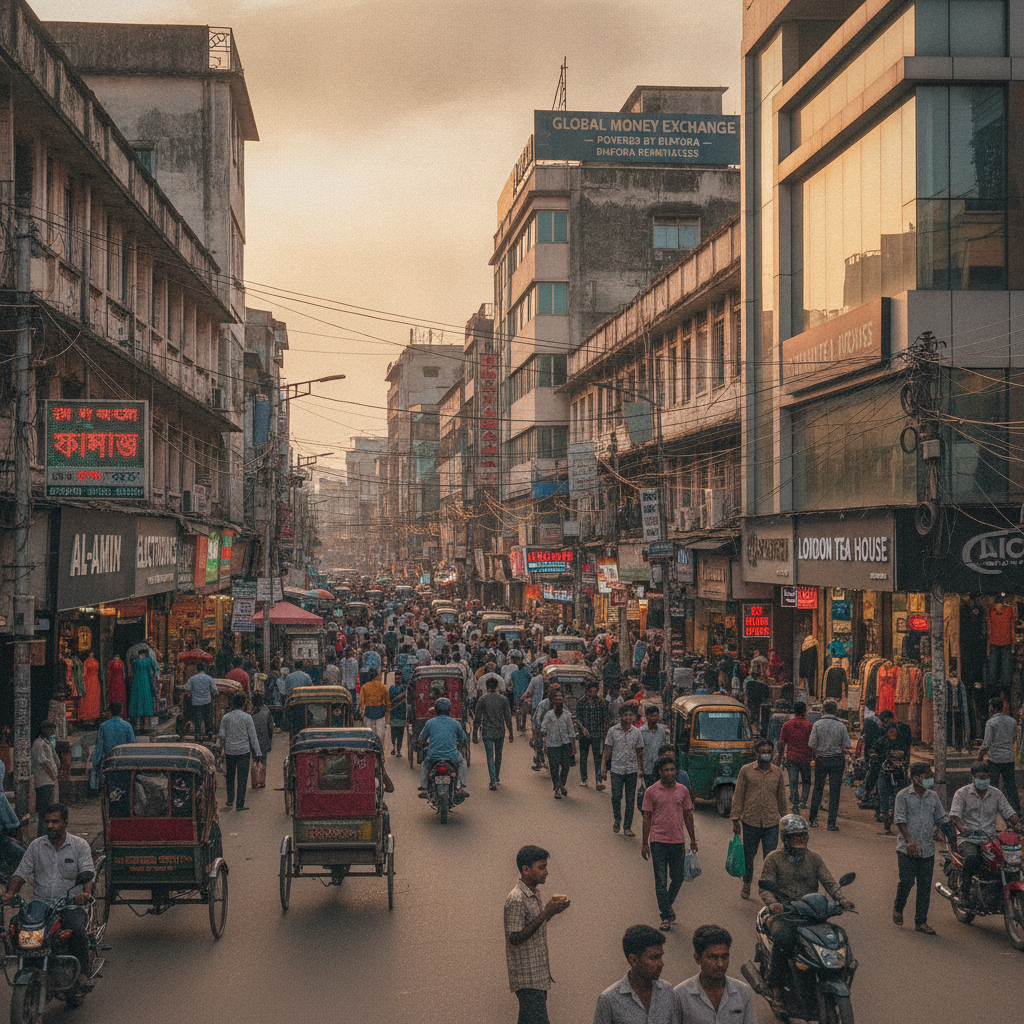
Sylhet City Life, Diaspora Culture and Modern Bangladesh
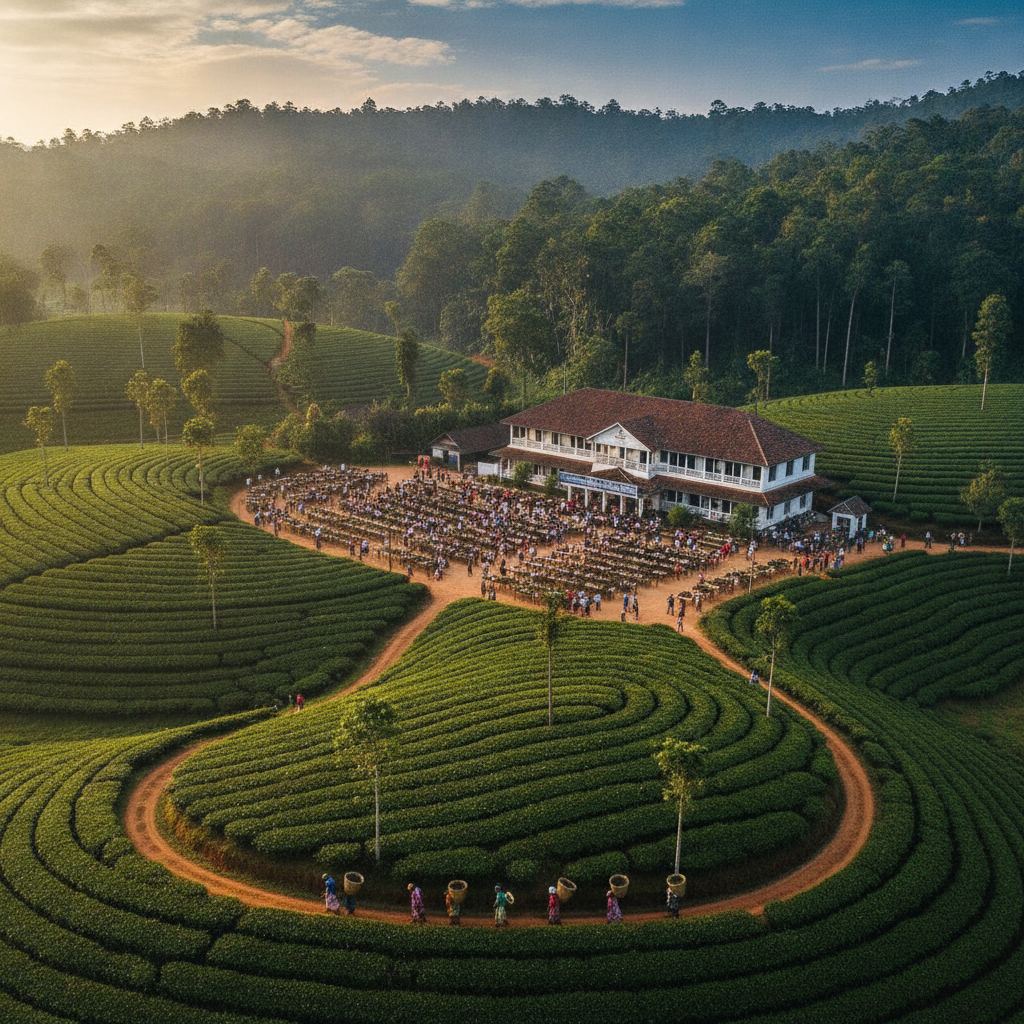
Sylhet Srimangal Tea, Rainforest and Lawachara
Sylhet Hakaluki Haor Wetland Ecosystem
Sylhet Jaflong Crystal River and Meghalaya Border