Strasbourg Practical Guide: TGV, Trams & Seasonal Tips
Everything you need for a smooth Strasbourg visit—arriving on the Paris TGV in under 2 hours, navigating the award-winning tram system, choosing between the UNESCO island and affordable Krutenau, timing your trip around the legendary Christmas market, and exploring for free.
- 1
Strasbourg Gare Centrale & Arriving by TGV
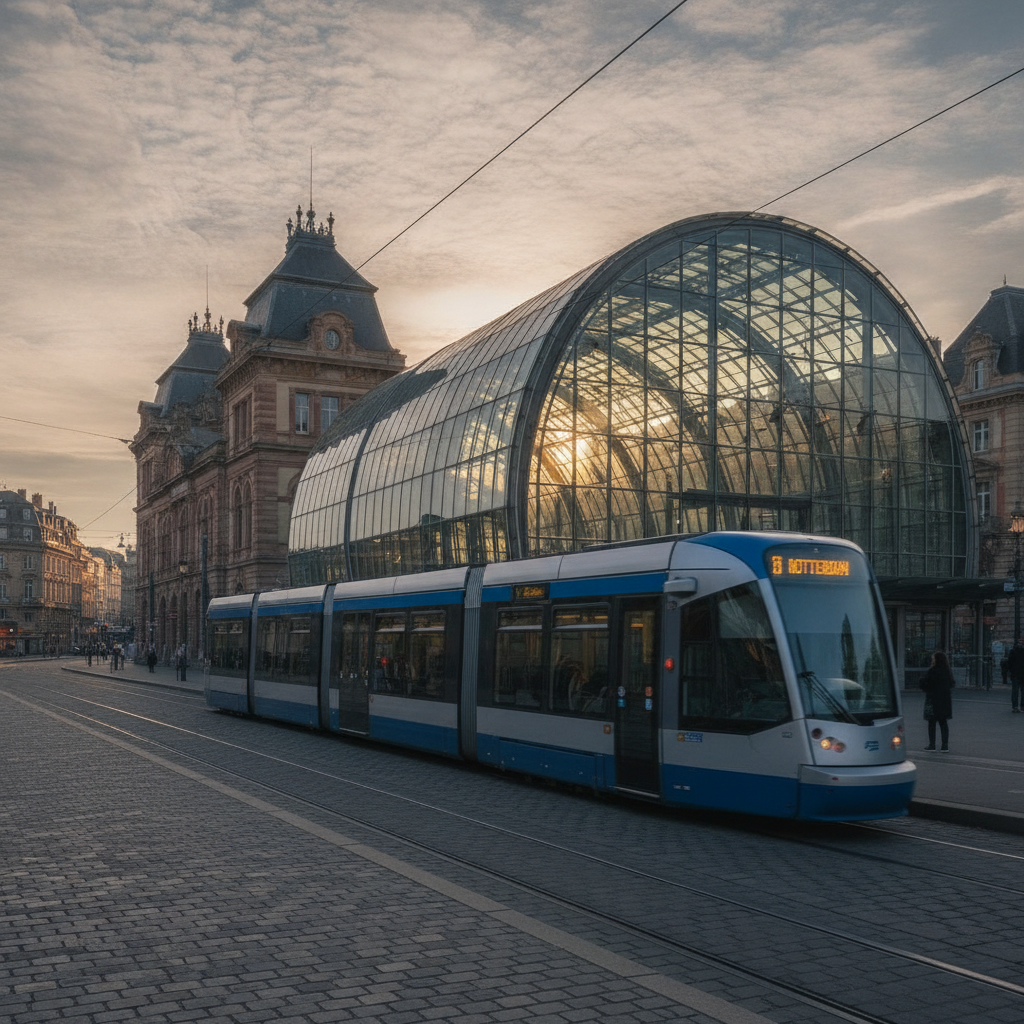
Strasbourg's beautifully restored 1883 railway station, given a spectacular glass dome extension in 2007, connects to Paris Est in 1h47m by TGV, to Frankfurt in 2h, Lyon in 3h30m, and Zurich in 2h30m. The station sits at the edge of the old city—the cathedral is a 15-minute walk through the old town centre.
- 2
Tram & Cycling Network
Strasbourg has one of Europe's most successful urban tram systems—rebuilt from scratch in 1994 after 30 years without trams. Six lines radiate from the central hub at Homme de Fer, covering the airport, universities, European quarter, and all key monuments. The city also has over 600 km of cycling infrastructure and a Véloparc bike-hire system at major tram stops.
- 3
Accommodation: Grande Île & Krutenau
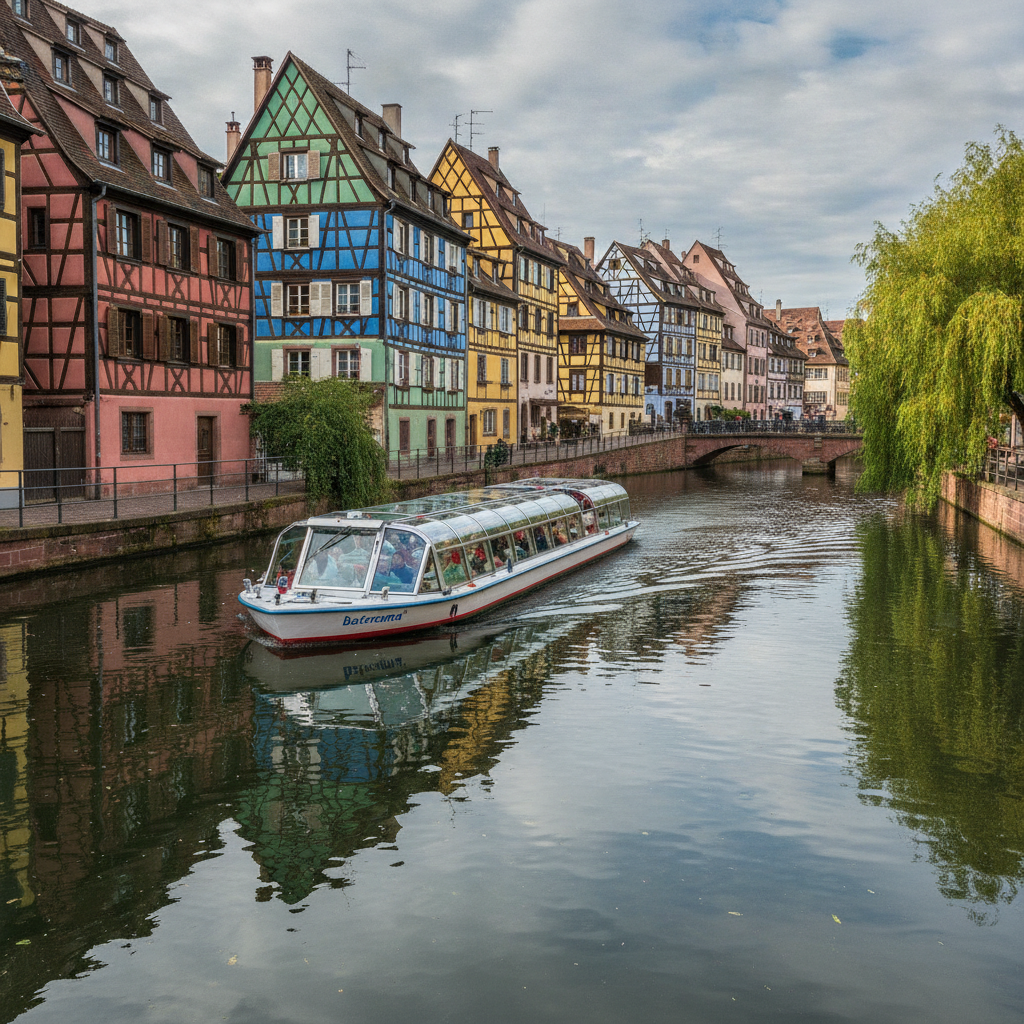
Staying within the Grande Île UNESCO zone gives walking access to everything. The Krutenau neighbourhood between the old town and the university offers more affordable hotels and B&Bs with an authentic local feel. The European quarter around the Parliament has larger business hotels useful for longer stays or conference visits.
- 4
Best Times to Visit Strasbourg
Spring (April–June) offers pleasant weather for exploring the old town without peak-season crowds. The Christmas market (late November–December 31) draws 2 million visitors—beautiful but busy and expensive. Summer is warm and festival-rich; autumn brings the vendanges (harvest) along the wine route and lower hotel rates. Winter outside the Christmas period is quiet and atmospheric.
- 5
Free Sights & Budget Tips
Strasbourg's most spectacular sights cost little: the cathedral exterior, La Petite France canal walks, Barrage Vauban terrace, Parc de l'Orangerie, Place Kléber, and the Neustadt architecture tour are all free. The Musée d'Art Moderne is free on the first Sunday of each month. The university area offers affordable student menus and the covered market at Marché Broglie sells cheap local produce.
- 6
Alsatian Language & Local Customs
Alsatian (Elsässisch) is a Germanic dialect spoken by around 40% of the local population—though it is declining among younger generations. Locals warmly appreciate any attempt at French, which is the language of daily life. Shops close on Sundays more strictly than in many French cities, reflecting lingering German-influenced customs. Tip: the local greeting is often 'Bonjour' even in the most Alsatian winstubs.
Walk this route with audio
Stories play automatically as you reach each stop — no tapping needed.
More in Strasbourg
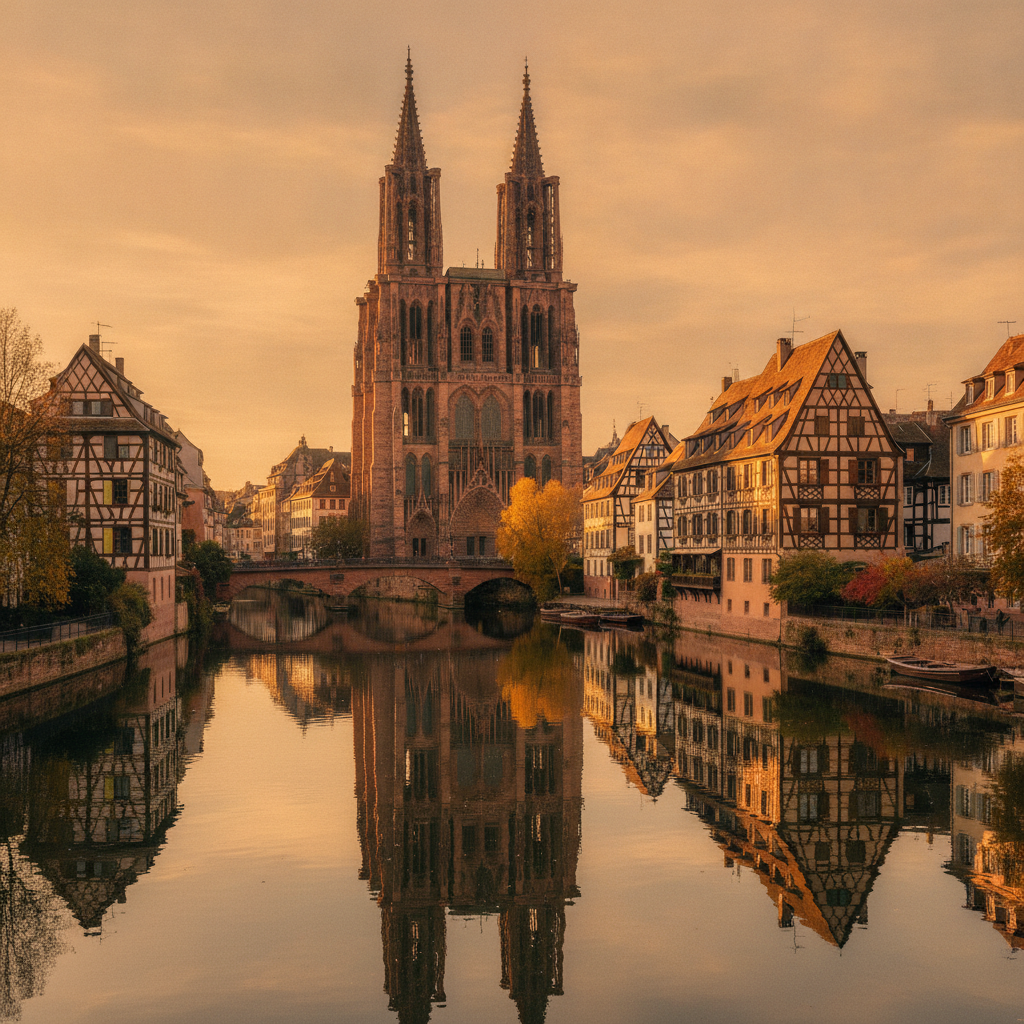
Strasbourg Classics: Cathedral, Petite France & Grande Île
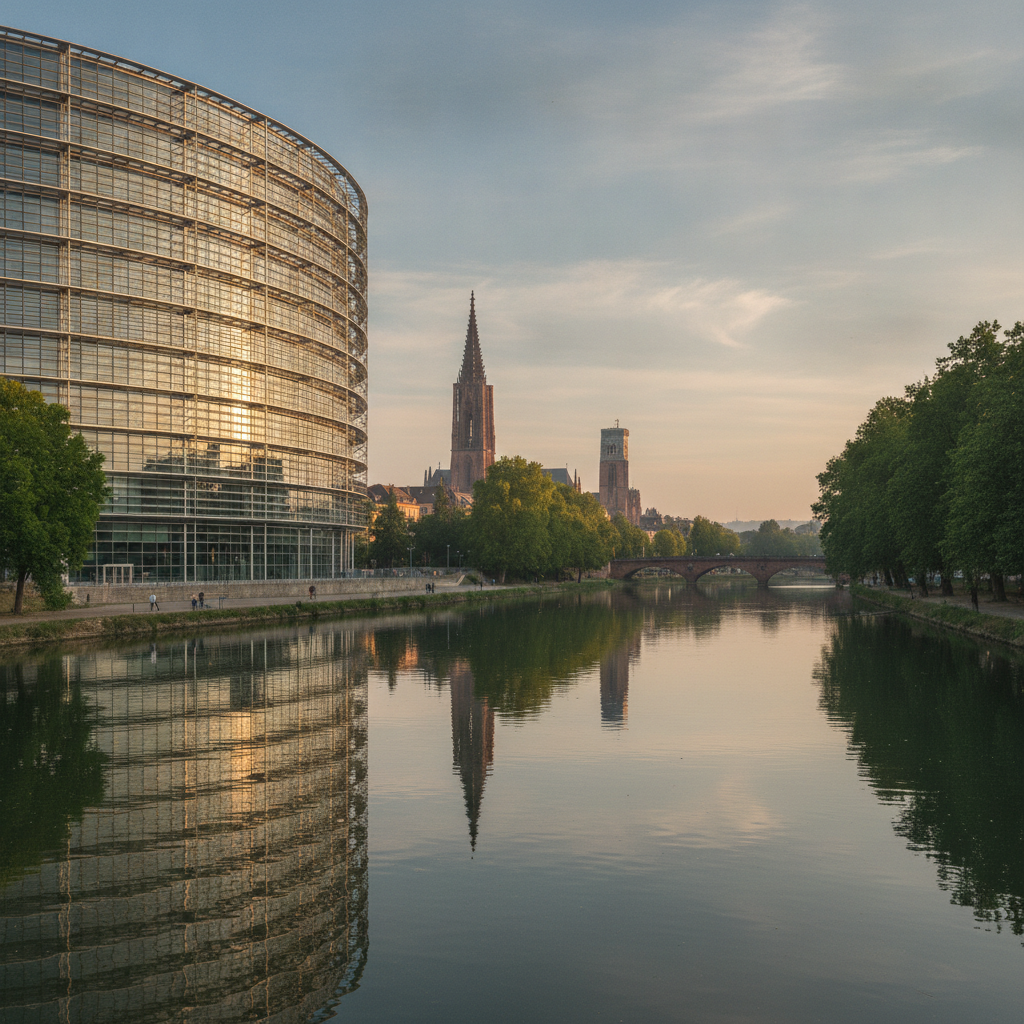
Strasbourg: European Capital, Alsatian Identity & the Rhine
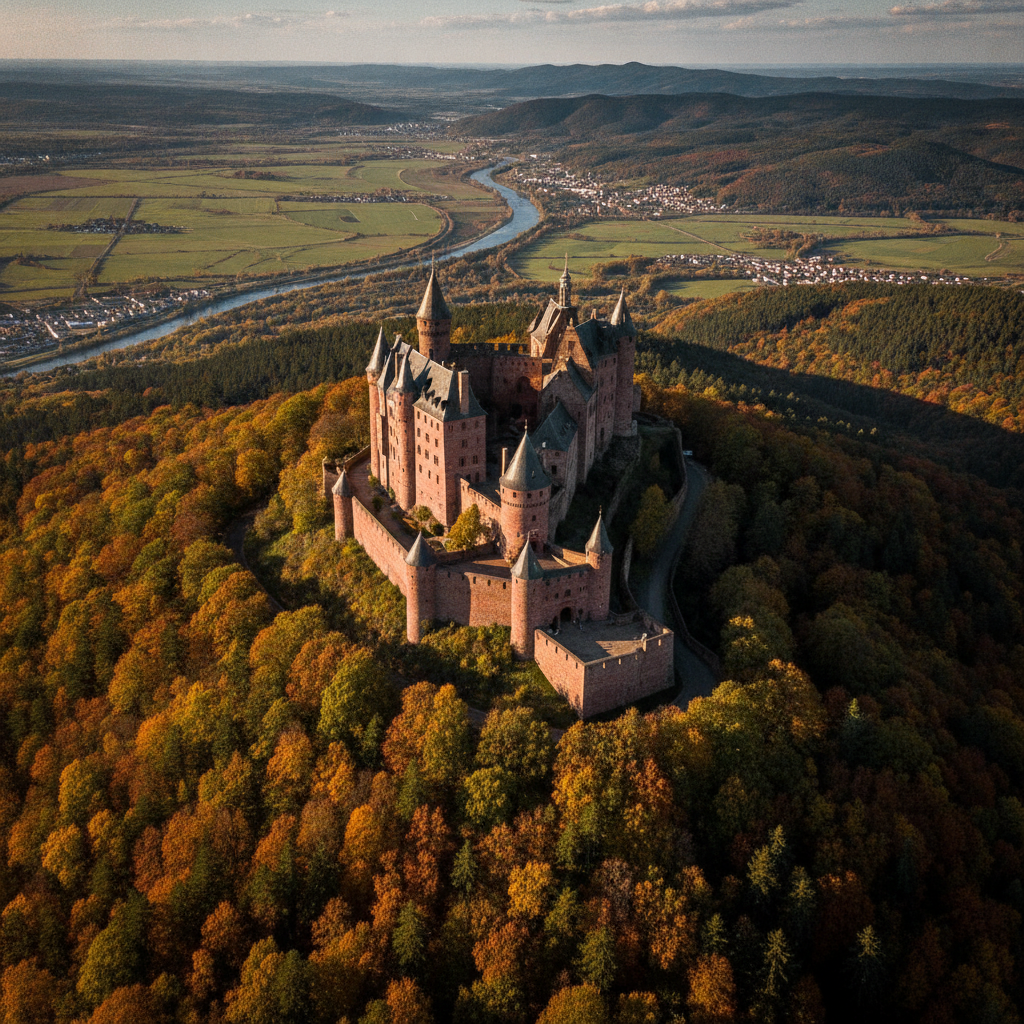
Strasbourg Day Trips: Colmar, Vosges & Black Forest
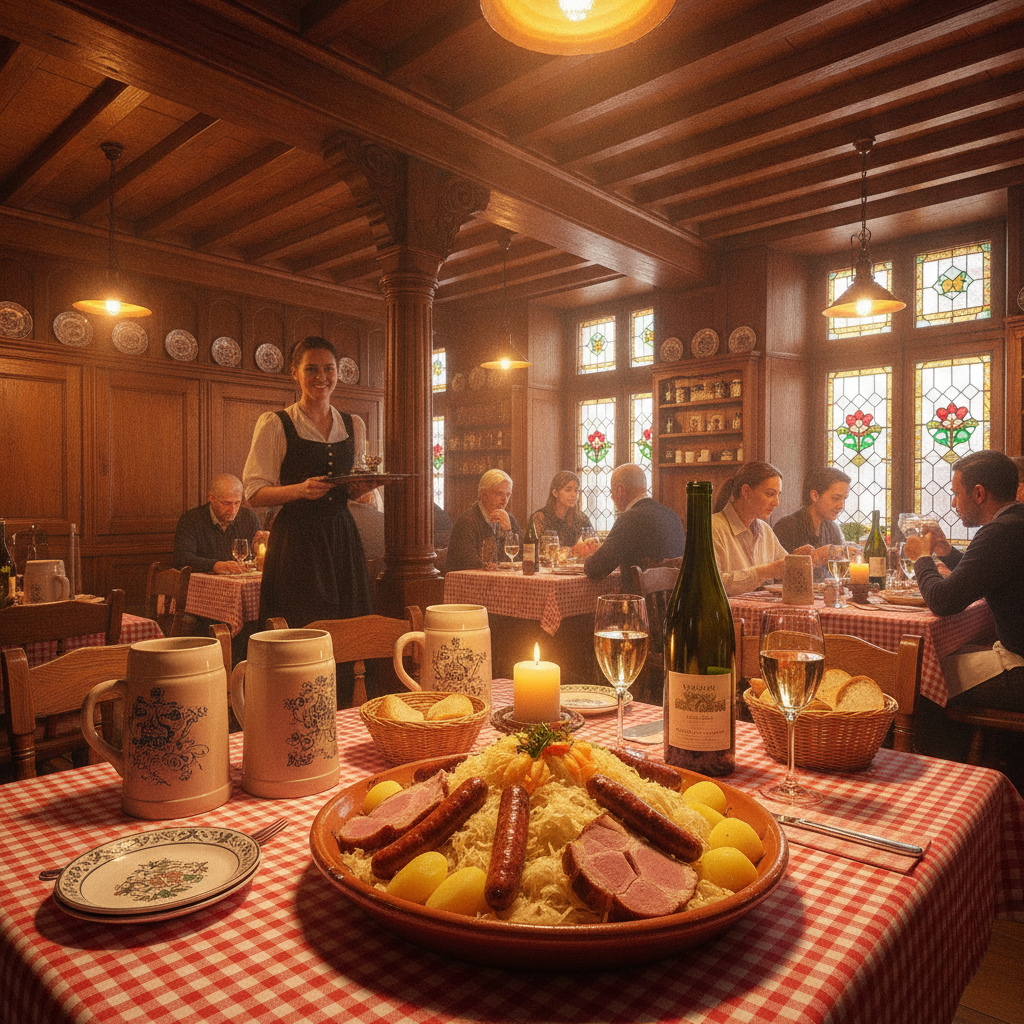
Strasbourg on a Plate: Choucroute, Tarte Flambée & Christmas Markets