Södermalm — Stockholm's Creative Quarter, Fotografiska & City Hall
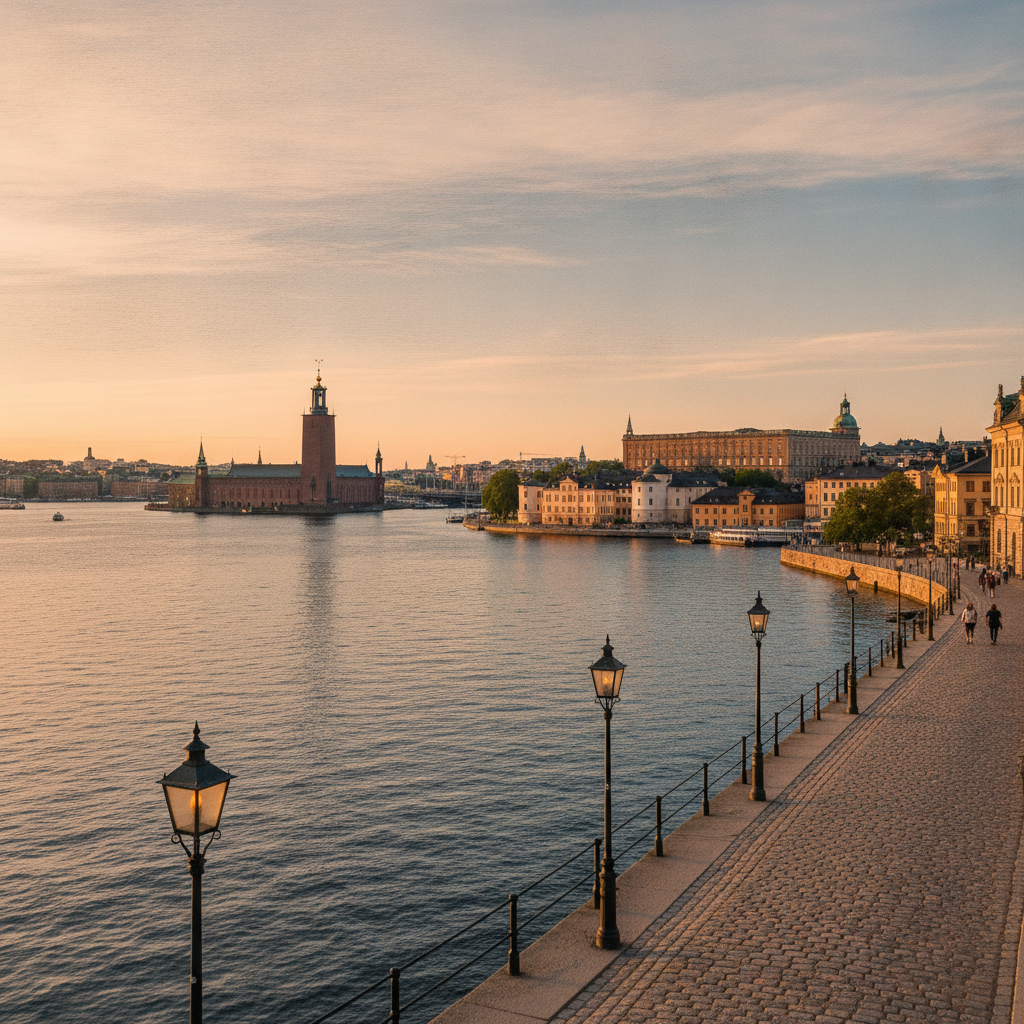
Södermalm ('Southern Island' — the large island south of Gamla Stan, the most creative and culturally vital neighbourhood in Stockholm, known for its vintage shops, independent cafes, design studios, and the Fotografiska (one of the world's most important photography museums), and for the Monteliusvägen cliff walk with its unbeatable panoramic view north over the water to the City Hall and Gamla Stan.
- 1
Fotografiska — World-Class Photography in a Waterfront Customs House
Fotografiska (Stadsgårdshamnen 22, on the Södermalm waterfront — the private photography museum opened in 2010 in the Art Nouveau customs house (Tullhuset, built 1906-1910), the largest and most internationally acclaimed photography museum in Scandinavia and one of the most respected photography exhibition venues in the world): Fotografiska hosts approximately 4-5 major international photography exhibitions per year (past exhibitors include Annie Leibovitz, Sebastião Salgado, Helmut Newton, Martin Parr, Cindy Sherman, and David LaChapelle), complemented by a permanent collection of Swedish and international photography; the museum building (the red-brick and granite customs warehouse directly on the Södermalm waterfront, with views across the harbour) is itself an attraction, with the rooftop restaurant providing the finest waterfront view in Stockholm; Fotografiska's global expansion (branches have opened in New York, London, and Tallinn) reflects its position as the most internationally ambitious Swedish cultural export in the visual arts.
- 2
Monteliusvägen — Stockholm's Most Famous View
Monteliusvägen (the pedestrian promenade along the northern edge of the Södermalm cliff, running approximately 500 metres from the Mariaberget neighbourhood to the Bellmansgatan area — named after the Swedish archaeologist Oscar Montelius (1843-1921)): the Monteliusvägen path (at approximately 30-40 metres above water level, at the top of the natural cliff of Södermalm) provides the most celebrated panoramic view in Stockholm, looking north across the Riddarfjärden (the western bay of Stockholm's central waterway) to the City Hall (Stadshuset), Gamla Stan (with the Royal Palace and Riddarholmen Church), and the Kungsholmen and Norrmalm districts; the path is lined with small 19th-century wooden garden cottages (the Mariaberget cottages — a remarkably preserved community of small wooden houses and garden plots clinging to the cliff face below the promenade, one of the few remaining examples of the 19th-century artisan housing that once characterized Södermalm before the district was largely rebuilt in the 20th century).
- 3
Stockholm City Hall — The Nobel Prize Banquet Building
Stockholms stadshus (Stockholm City Hall — Hantverkargatan 1, Kungsholmen — the red-brick building with the 106-metre tower topped by the golden Three Crowns (the symbol of Sweden), built 1911-1923, designed by Ragnar Östberg in the National Romantic style — consistently ranked among the finest examples of 20th-century architecture in Europe): the City Hall is the seat of the Stockholm City Council and the Stockholm County Council, but its primary international fame comes as the venue for the Nobel Prize banquet (held each December 10 in the Blue Hall (Blå hallen — the large indoor courtyard paved with 19 million red bricks, named for a planned blue ceramic tile lining that was never installed) and the Nobel Ball (in the Golden Hall (Gyllene salen — the mosaic hall with 18 million gold mosaic tesserae depicting Swedish historical themes)); the 365 rooms of the City Hall can be toured daily; the tower can be climbed June-August for panoramic views.
- 4
SoFo — Södermalm's Boutique Shopping District
SoFo (South of Folkungagatan — the neighbourhood in eastern Södermalm, defined by the streets of Bondegatan, Skånegatan, Nytorgsgatan, and the cross streets between them): SoFo is the primary destination for independent fashion, design, and vintage shopping in Stockholm, concentrated in a roughly 6-block area that has been the epicentre of Stockholm's creative and design community since the 1990s-2000s; the key addresses include: Grandpa (Södermannagatan 21 — the flagship store of Stockholm's most respected vintage and sustainable fashion brand), Nitty Gritty (Krukmakargatan 26 — sneakers and streetwear), Judits (Åsögatan 176 — Swedish ceramics and design), and the numerous independent cafes and lunch restaurants that make SoFo the most pleasant neighbourhood for an afternoon in Stockholm; the Nytorget (the small square at the heart of SoFo) is the social centre of the neighbourhood, with outdoor seating in summer.
- 5
Mariatorget & Hornstull — The Soul of Södermalm
Mariatorget (the square in western Södermalm — one of the most beloved public spaces in Stockholm, with its fountain (the 1893 statue of Thor) and the surrounding 19th-century apartment buildings, the social heart of Södermalm) and Hornstull (the neighbourhood at the western tip of Södermalm, below the Liljeholmsbron bridge — the second most important vintage and alternative shopping destination in Södermalm, particularly famous for the Hornstull Marknad (the Sunday street market, April-October), the most popular outdoor market in Stockholm, with vintage clothing, crafts, food, and the Sunday crowd of young Stockholmers): Södermalm is the neighbourhood most associated with the bohemian, creative, and alternative tradition in Swedish culture — the Stockholm of Pippi Longstocking (Astrid Lindgren (1907-2002), the most beloved Swedish author of the 20th century, lived in Södermalm for most of her adult life, and the neighbourhood of Vasastan/Södermalm was the inspiration for the world of Pippi Longstocking).
- 6
Mosebacke & Ersta — Södermalm's High Points
Mosebacke (the elevated plateau in central Södermalm, accessible by the Katarina Elevator (Katarinahissen — the public elevator/lift connecting Slussen at water level to the Mosebacke terrace at 36 metres above, originally opened 1935, rebuilt after a fire in 2011) or by stairs from Gamla Stan): Mosebacke Torg (the square on the plateau) offers one of the finest views in Stockholm across the rooftops of Södermalm and the water to the Old Town and the northern districts; the Södra Teatern (the South Theatre, at Mosebacke Torg — the primary alternative and rock music venue in Stockholm, with a roof terrace bar that is one of the most atmospheric outdoor summer bars in the city); the Katarina Church (Katarina kyrka — the 17th-century church rebuilt after a 1990 fire that gutted the interior, the primary church of Södermalm, with a neoclassical interior and the graves of notable Stockholmers including the playwright August Strindberg (1849-1912, Sweden's most important dramatist) in the churchyard).
Walk this route with audio
Stories play automatically as you reach each stop — no tapping needed.
More in stockholm
Midnight Sun, Midsommar & Stockholm's Seasons
Swedish Food in Stockholm — Meatballs, Husmanskost & New Nordic
Gamla Stan — Stockholm's Medieval Old Town & Royal Palace
Vasa Museum, ABBA Museum & Djurgården — Stockholm's Museum Island
Strandvägen, Östermalm & the Stockholm Waterfront