St. Louis: River Trade, Craft Breweries and an Honest Urban Reckoning
Explore Laclede Landing riverboat heritage, discover the craft brewery scene that grew up after InBev, walk the Citygarden free sculpture park, follow Lindbergh Spirit of St. Louis at the History Museum, and understand the rise and fall of a great American city that is slowly finding itself again.
- 1
Laclede Landing and Riverboat History
Laclede Landing, the nine-block historic district along the Mississippi River waterfront north of the Gateway Arch, preserves cast-iron-fronted warehouse buildings from the 1850s through 1880s that once handled the river trade of the Upper Mississippi Valley. The district is named for Pierre Laclede Liguest, the French fur trader who founded St. Louis as a trading post in February 1764 with his stepson Auguste Chouteau. The steamboat era from roughly 1830 to 1880 made St. Louis the commercial capital of the American interior, with hundreds of vessels loading and unloading at the levee simultaneously during peak years. The Gateway Riverboat Cruises operate from the Laclede Landing dock, offering narrated tours of the river and the Arch from water level.
- 2
St. Louis Craft Beer and Micro-distillery Scene
St. Louis craft brewing scene has grown dramatically since 2010, partly as a reaction to the InBev acquisition of Anheuser-Busch and partly reflecting national craft beer trends. The city now supports over 50 craft breweries, many concentrated in the Midtown and south St. Louis neighborhoods. Urban Chestnut Brewing Company, founded in 2011, won the Great American Beer Festival Large Brewpub award in 2017. Perennial Artisan Ales in south St. Louis is known nationally for experimental barrel-aged stouts. The Civil Life Brewing Company focuses on British-style ales in an 1800s building in Tower Grove South. Distilleries including Still 630 and Pinckney Bend have added spirits to the local craft beverage landscape, drawing on Missouri grain and the state strong whiskey-making heritage.
- 3
Citygarden Sculpture Park
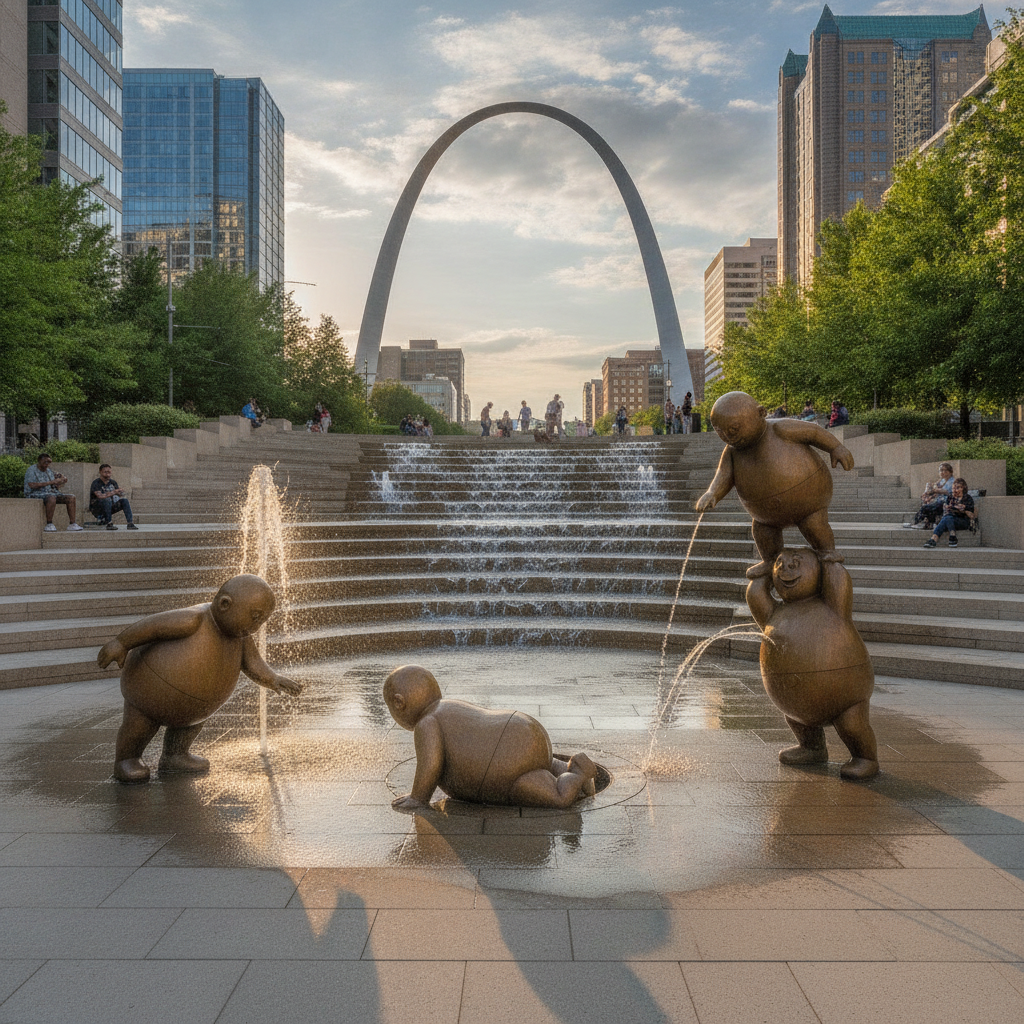
Citygarden, a two-block outdoor sculpture park stretching along Market Street between Eighth and Tenth Streets in downtown St. Louis, opened in 2009 and was funded by the Gateway Foundation at a cost of 26 million dollars. The park contains 24 works by internationally recognized sculptors including Tom Otterness, Mark di Suvero, Keith Haring, and Jim Dine, displayed on rotating loan from the foundation collection. A water feature stretching the full length of the park allows children to play in jets and shallow streams during warm months. Citygarden functions as a free public amenity in the downtown core and has been credited with revitalizing pedestrian activity on the Market Street corridor. The park remains open and free year-round.
- 4
St. Louis Arch Rivals and Roller Derby
St. Louis has a remarkably active roller derby community centered on the Arch Rival Roller Derby league, founded in 2004 and one of the founding members of the Women Flat Track Derby Association. The league operates two home teams and has competed at WFTDA championship tournaments. Beyond derby, St. Louis supports an unusually dense network of neighborhood-level community organizations including the expansive network of volunteer-run neighborhood associations that collectively govern hundreds of block-level decisions about parks, lighting, and local events. The city 79 distinct recognized neighborhoods each maintain their own identity and often their own festivals, creating a patchwork of community cultures that visitors can explore on foot across the compact grid of south St. Louis.
- 5
Missouri History Museum and Gateway Arch NPS
The Missouri History Museum in Forest Park, housed in a 1913 Beaux-Arts building with a 2000 expansion by Hellmuth, Obata and Kassabaum, holds 350,000 artifacts and 750,000 photographs interpreting the history of St. Louis and Missouri. The permanent Spirit of St. Louis gallery displays Charles Lindbergh memorabilia including flight logs, navigational charts, and personal items from the 1927 solo transatlantic crossing. Lindbergh named his Ryan monoplane Spirit of St. Louis in honor of his St. Louis backers who funded the aircraft. Gateway Arch National Park, redesignated from Jefferson National Expansion Memorial in 2018, encompasses the Arch, the Old Courthouse, and a renovated underground museum that opened in 2018 and traces the westward expansion history that the Arch symbolizes.
- 6
St. Louis in the Gilded Age and Decline
St. Louis reached its peak population of 857,000 in the 1950 census, making it the eighth largest city in the United States. A combination of white flight, suburbanization, deindustrialization, and highway construction that demolished dozens of neighborhoods caused the city population to fall to under 300,000 by 2020. The Pruitt-Igoe housing project, 33 high-rise towers completed in 1956 and demolished between 1972 and 1976 after becoming uninhabitable through neglect and underfunding, became a nationally studied symbol of failed urban renewal policy. The city has since demolished thousands of vacant buildings and is attempting reinvention through technology, healthcare, and higher education sectors. Several neighborhoods including the Grove, Midtown, and Cherokee Street have seen significant reinvestment and population return since 2010.
Walk this route with audio
Stories play automatically as you reach each stop — no tapping needed.
More in St. Louis
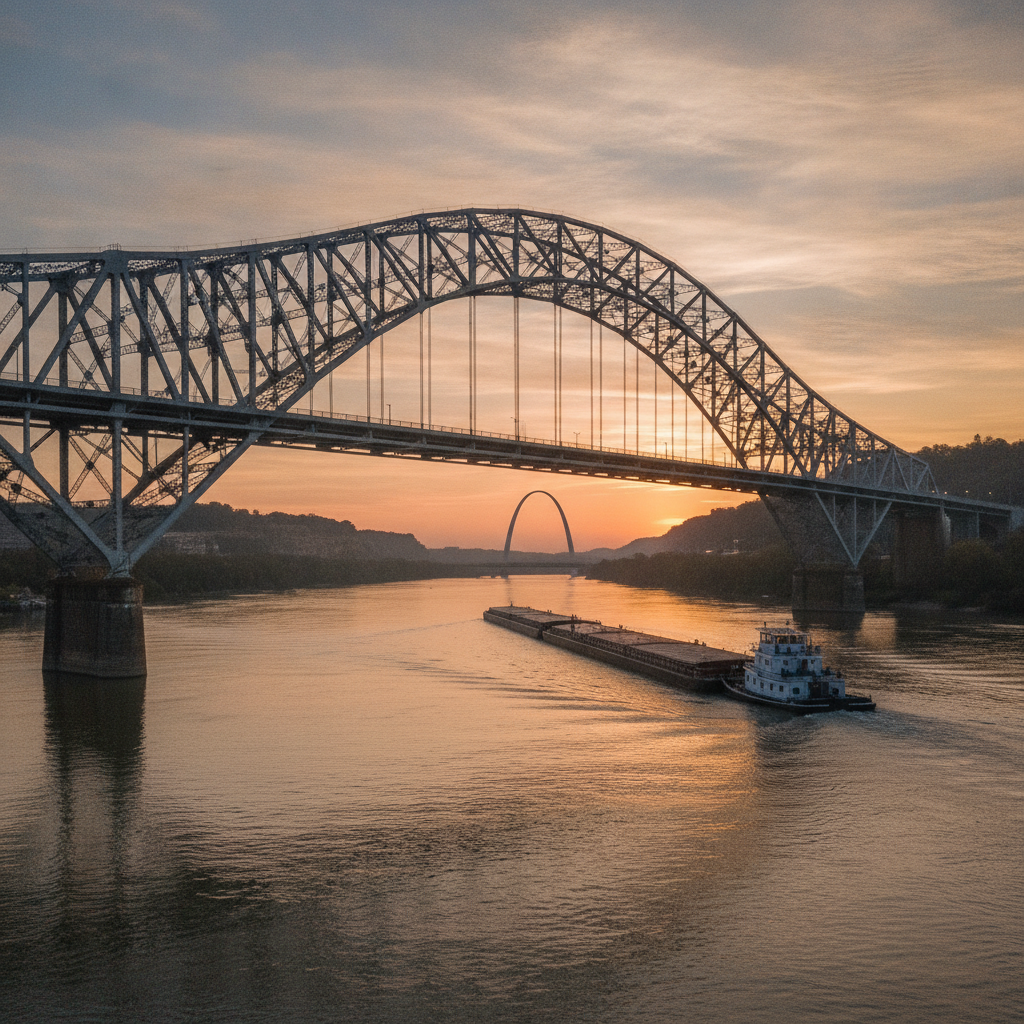
St. Louis R3: Scott Joplin (King of Ragtime born 1868 Texarkana, Maple Leaf Rag 1899 first sheet music 1M copies, Entertainer 1902 revived The Sting 1973 7 Oscars, Pulitzer 1976 posthumous, 2658 Delmar House State Historic Site), Josephine Baker (born 1906 St. Louis, Paris 1925 banana dance Folies Bergere most photographed woman 1920s, French Resistance Croix de Guerre Legion d'Honneur, March on Washington August 28 1963 only woman official speaker, French state funeral Notre-Dame April 15 1975 Rainbow Tribe 12 adopted children), Tennessee Williams (Glass Menagerie 1944 set St. Louis family 4633 Westminster Place 1918), Vincent Price (born 1911 St. Louis horror films), Eads Bridge (1874 first steel bridge in world, chromatic steel, pneumatic caissons 33m bedrock first US use, Grant ceremonial July 4 1874, Boeing 14,000 engineers Hazelwood), German food heritage (Forty-Eighters 1848 Missouri Rhineland vineyards, Hill neighborhood Italian toasted ravioli Charlie Gitto's, provel cheese St. Louis pizza Imos Pi Pizzeria Obama 2008, gooey butter cake 1930s mistake), St. Louis decline (856,000 1950 to 300,000 65% largest US city decline, city-county separation 1876, Cortex USD 2B Washington Avenue lofts 3000 units), day trips (Meramec Caverns Jesse James, Elephant Rocks 1.5B year granite, Missouri Wine Country Hermann Norton grape, Grant Hardscrabble farm 1850s).
St. Louis: Garden City, World Fair Parks and American Music Roots
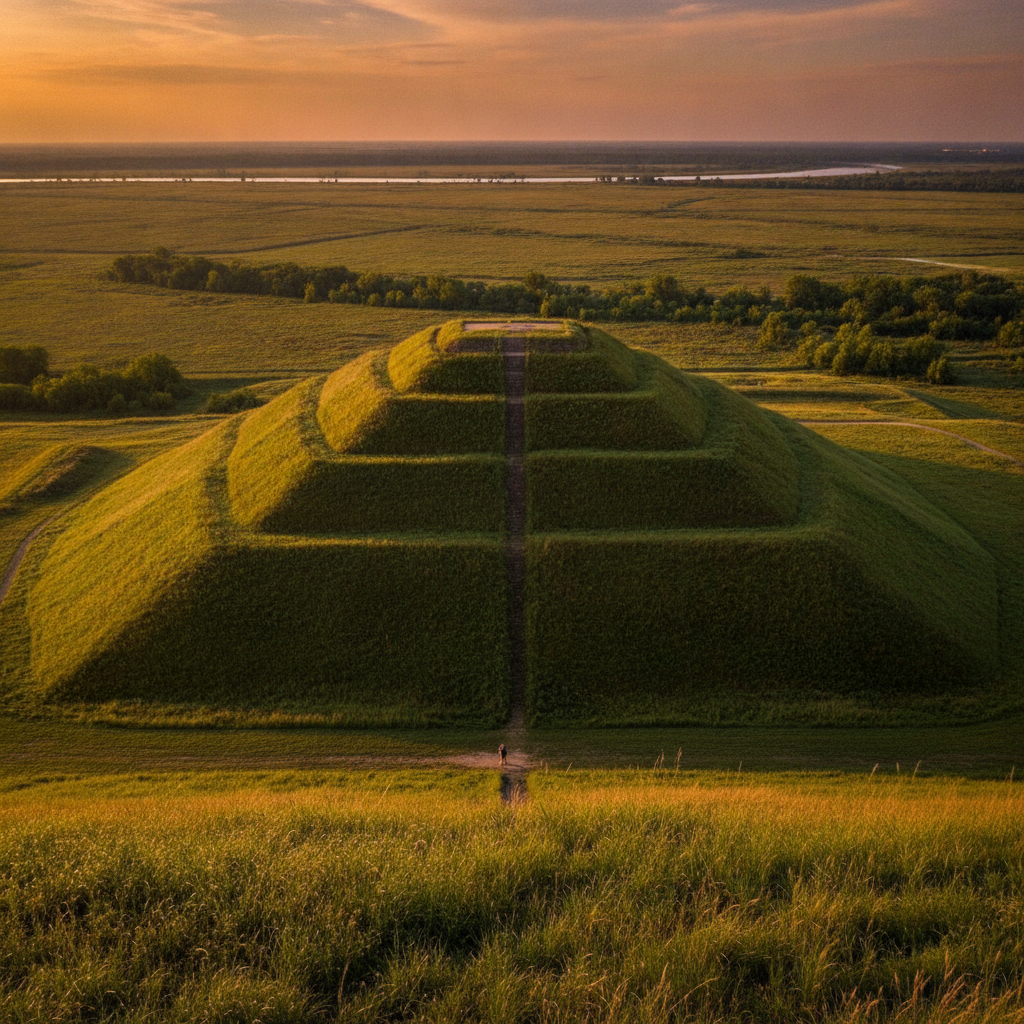
St. Louis: World-Class Art, Ancient Cities and Neighborhood Soul
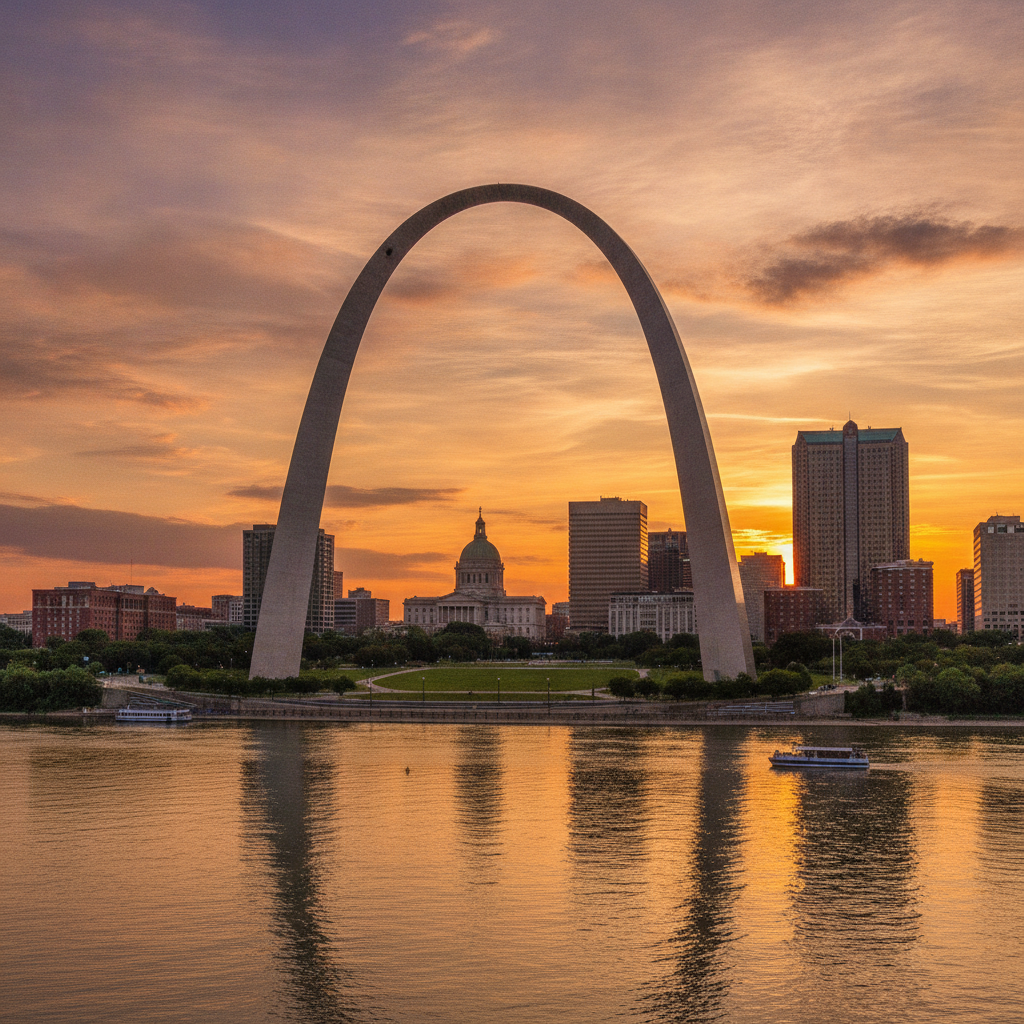
St. Louis: Gateway Arch, founding history, Forest Park, music, sports, and food
St. Louis: Victorian Parks, Rock and Roll Sidewalks and the Gateway West