St. Louis: Garden City, World Fair Parks and American Music Roots
Explore the world-class Missouri Botanical Garden, walk the 1904 World Fair grounds in Forest Park, celebrate with the Stanley Cup champion Blues, shop the oldest western market in Soulard, tour Washington University, and trace ragtime origins at the Scott Joplin House.
- 1
Missouri Botanical Garden
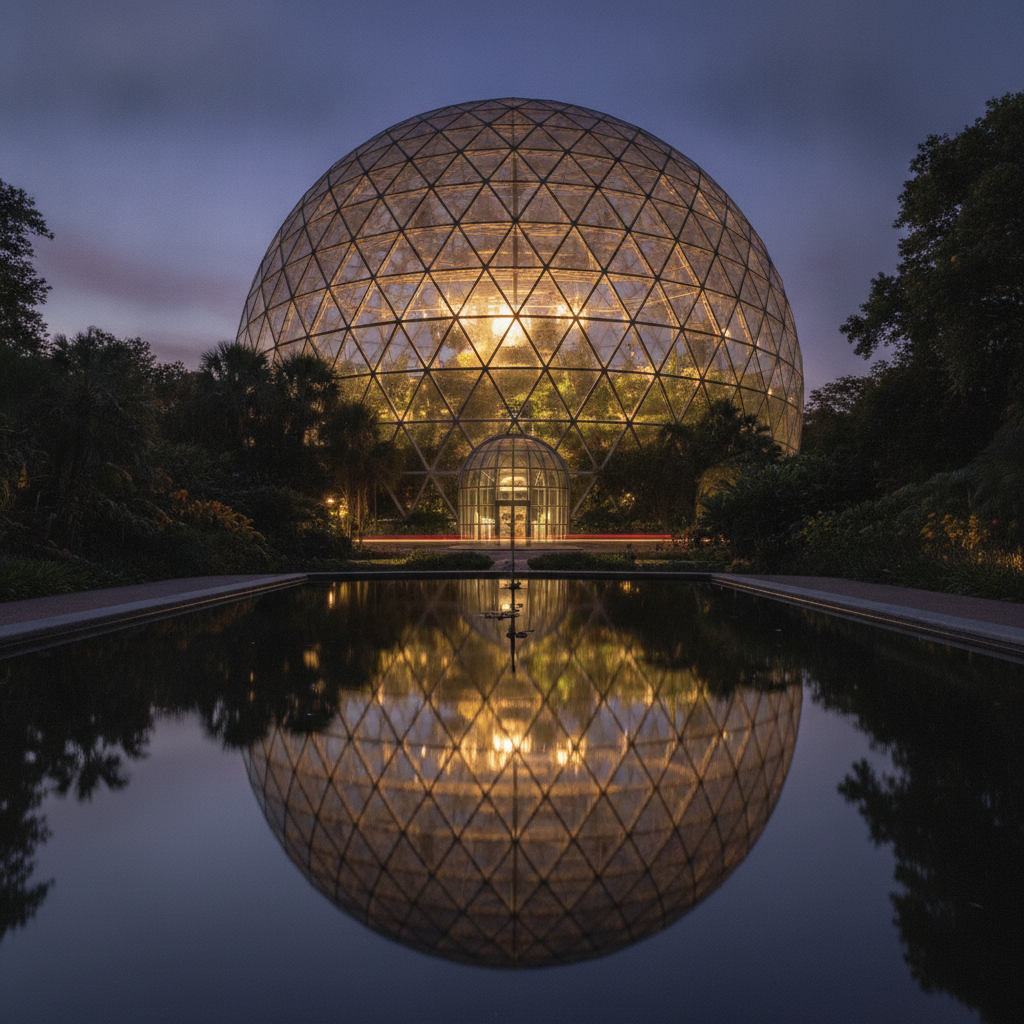
The Missouri Botanical Garden, established by Henry Shaw in 1859, is one of the oldest botanical institutions in the United States and a world center for plant science and conservation. The 79-acre garden in the Shaw neighborhood holds living collections of over 6,900 species. The Climatron, a geodesic dome greenhouse opened in 1960 and designed by Murphy and Mackey with engineering by Synergetics, was the first fully climate-controlled geodesic greenhouse in the world and is a National Historic Landmark. The Japanese Garden within the grounds, covering 14 acres, is one of the largest Japanese-style gardens in North America. The garden publishes a peer-reviewed botanical journal and maintains a herbarium of 6.6 million preserved plant specimens used by researchers worldwide.
- 2
Forest Park and 1904 World Fair Legacy
Forest Park, at 1,371 acres larger than New York City Central Park, was the site of the 1904 Louisiana Purchase Exposition, one of the largest world fairs in history with 20 million visitors over seven months. The fair introduced American audiences to the ice cream cone, the hot dog bun, and iced tea, though historians debate these origin stories. The park contains the St. Louis Art Museum in the former fair Palace of Fine Arts building, the Saint Louis Zoo which began with animals donated after the fair, the History Museum, the Science Center, and the Steinberg Memorial Skating Rink. All of these institutions are free to the public, an unusual arrangement made possible by a special taxing district established in 1971. The park hosts an estimated 12 million visits per year.
- 3
St. Louis Blues Hockey and Sports Culture
The St. Louis Blues NHL franchise, founded in 1967 as part of the NHL expansion, won its first Stanley Cup championship in 2019 after 52 years of near-misses including three consecutive Finals appearances in their inaugural years and three Conference Finals appearances after 1996. The victory sparked celebrations that drew an estimated 500,000 people to a downtown parade. The Enterprise Center, opened in 1994, replaced the Arena that had hosted Blues games since 1967. St. Louis also supported baseball through the Cardinals, winners of 11 World Series championships, and the football Cardinals who relocated to Phoenix in 1988. Busch Stadium, opened in 2006 on the site of the old Busch Stadium, seats 45,000 and is known for its view of the Gateway Arch from the upper decks.
- 4
Soulard Market and French Quarter Heritage
Soulard Market, established in 1779 and operating continuously since then, is the oldest public market west of the Mississippi River. The current market building dates to 1929 and covers an entire city block in the Soulard neighborhood, named for Antoine Soulard who surveyed the Louisiana Territory for Spain. The neighborhood retains one of the densest collections of 19th century French-Creole and German vernacular brick architecture in the Midwest. Soulard Mardi Gras, held annually since 1980, draws an estimated 400,000 people and claims to be the second largest Mardi Gras celebration in the United States after New Orleans. The neighborhood also hosts the Anheuser-Busch brewery, founded in 1852, which operates the largest single brewery complex in the United States by volume.
- 5
Washington University and Higher Education
Washington University in St. Louis, founded in 1853, is consistently ranked among the top 20 universities in the United States and is particularly strong in medicine, law, business, and engineering. The medical school, affiliated with Barnes-Jewish Hospital and St. Louis Children Hospital, is ranked among the top five in the country for research funding from the National Institutes of Health. The Danforth Campus is built on land donated for the 1904 World Fair and features Collegiate Gothic architecture around an oak-lined quadrangle. Saint Louis University, the oldest university west of the Mississippi founded in 1818 by Jesuit missionaries, and the University of Missouri-St. Louis add to a higher education ecosystem that supports substantial medical and biotechnology research activity.
- 6
Scott Joplin House and Ragtime Legacy
The Scott Joplin House State Historic Site at 2658 Delmar Boulevard preserves the apartment where ragtime composer Scott Joplin lived from 1900 to 1903, the period during which he composed The Entertainer and other iconic works. Joplin had published Maple Leaf Rag in 1899, the first piece of sheet music to sell over one million copies. Ragtime, with its syncopated rhythms and European formal structures, was the first distinctly American popular music to achieve international commercial success and directly influenced jazz, stride piano, and eventually rhythm and blues. Joplin died in 1917 in New York largely forgotten; his rehabilitation came in 1973 when his music was used in the film The Sting, leading to a Pulitzer Prize in 1976 and permanent recognition as a foundational American composer.
Walk this route with audio
Stories play automatically as you reach each stop — no tapping needed.
More in St. Louis
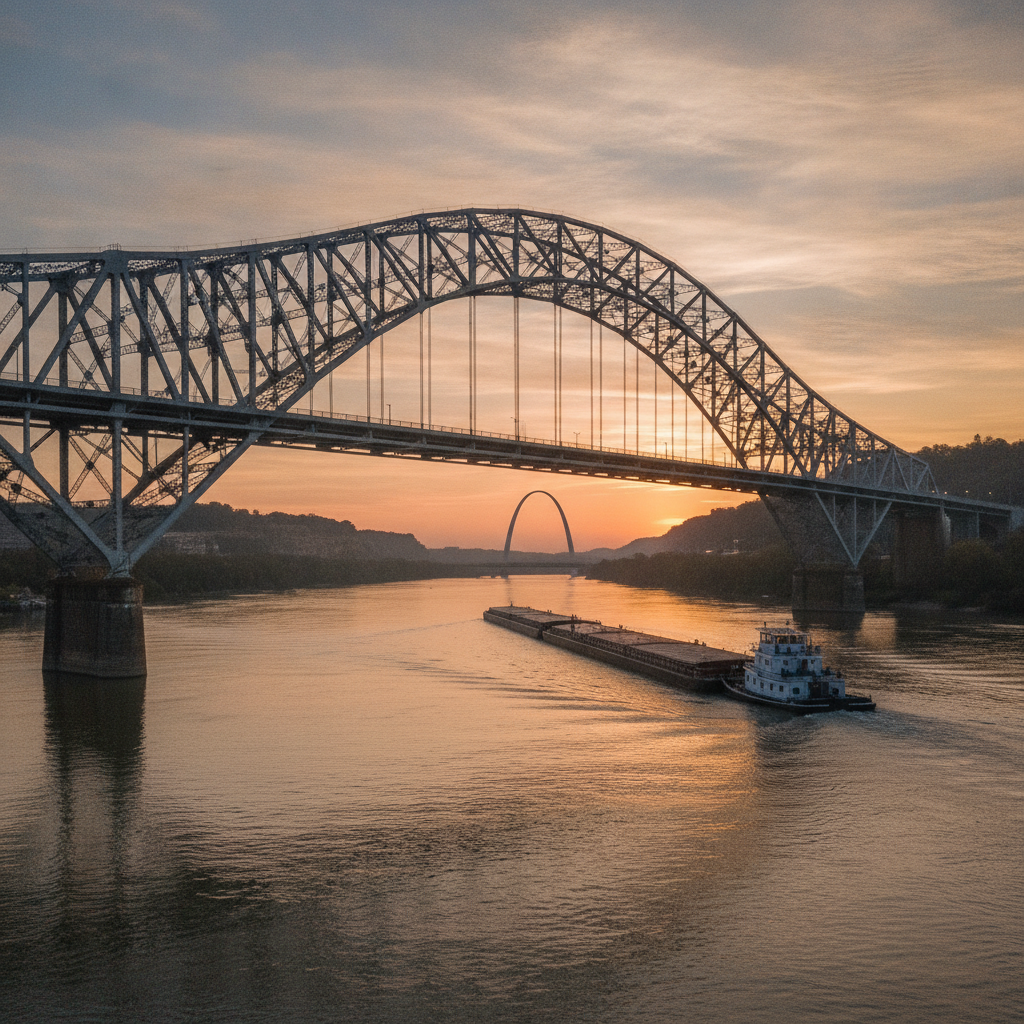
St. Louis R3: Scott Joplin (King of Ragtime born 1868 Texarkana, Maple Leaf Rag 1899 first sheet music 1M copies, Entertainer 1902 revived The Sting 1973 7 Oscars, Pulitzer 1976 posthumous, 2658 Delmar House State Historic Site), Josephine Baker (born 1906 St. Louis, Paris 1925 banana dance Folies Bergere most photographed woman 1920s, French Resistance Croix de Guerre Legion d'Honneur, March on Washington August 28 1963 only woman official speaker, French state funeral Notre-Dame April 15 1975 Rainbow Tribe 12 adopted children), Tennessee Williams (Glass Menagerie 1944 set St. Louis family 4633 Westminster Place 1918), Vincent Price (born 1911 St. Louis horror films), Eads Bridge (1874 first steel bridge in world, chromatic steel, pneumatic caissons 33m bedrock first US use, Grant ceremonial July 4 1874, Boeing 14,000 engineers Hazelwood), German food heritage (Forty-Eighters 1848 Missouri Rhineland vineyards, Hill neighborhood Italian toasted ravioli Charlie Gitto's, provel cheese St. Louis pizza Imos Pi Pizzeria Obama 2008, gooey butter cake 1930s mistake), St. Louis decline (856,000 1950 to 300,000 65% largest US city decline, city-county separation 1876, Cortex USD 2B Washington Avenue lofts 3000 units), day trips (Meramec Caverns Jesse James, Elephant Rocks 1.5B year granite, Missouri Wine Country Hermann Norton grape, Grant Hardscrabble farm 1850s).
St. Louis: World-Class Art, Ancient Cities and Neighborhood Soul
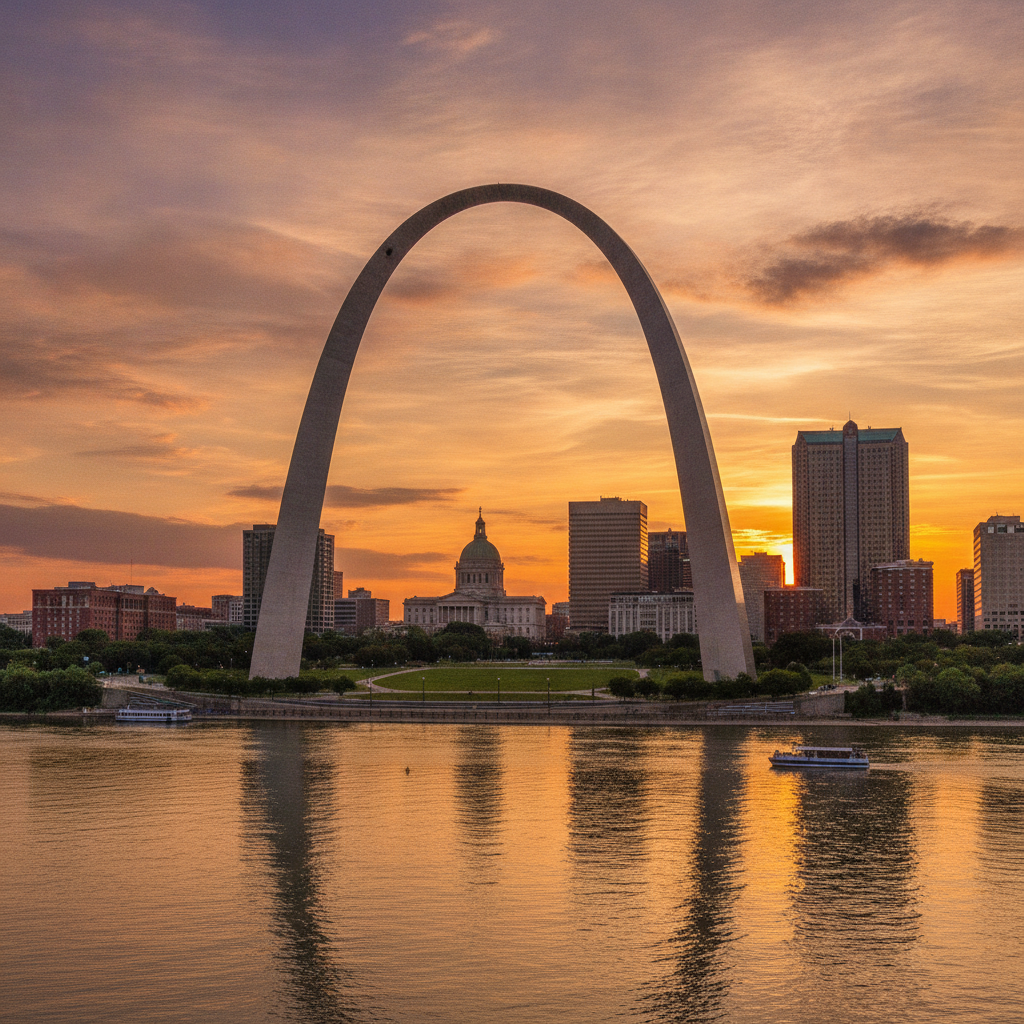
St. Louis: Gateway Arch, founding history, Forest Park, music, sports, and food
St. Louis: Victorian Parks, Rock and Roll Sidewalks and the Gateway West
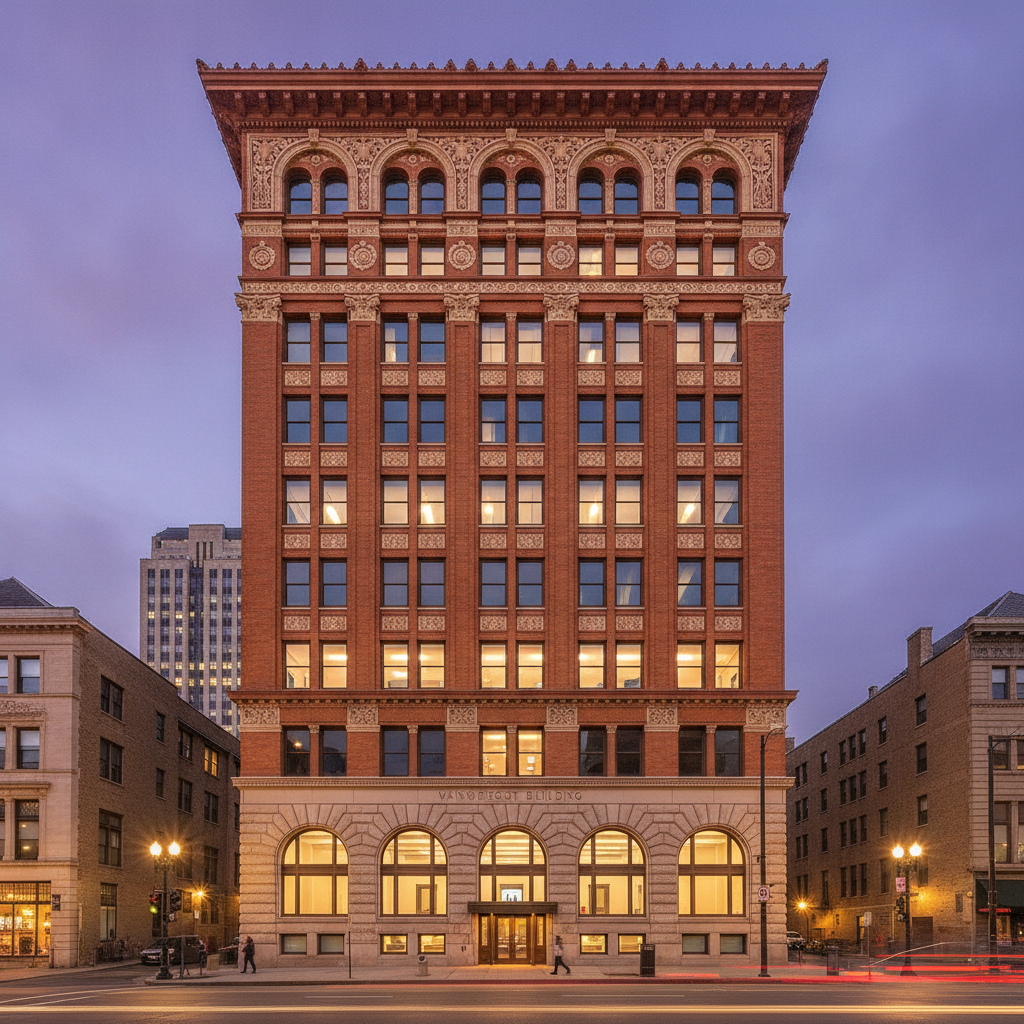
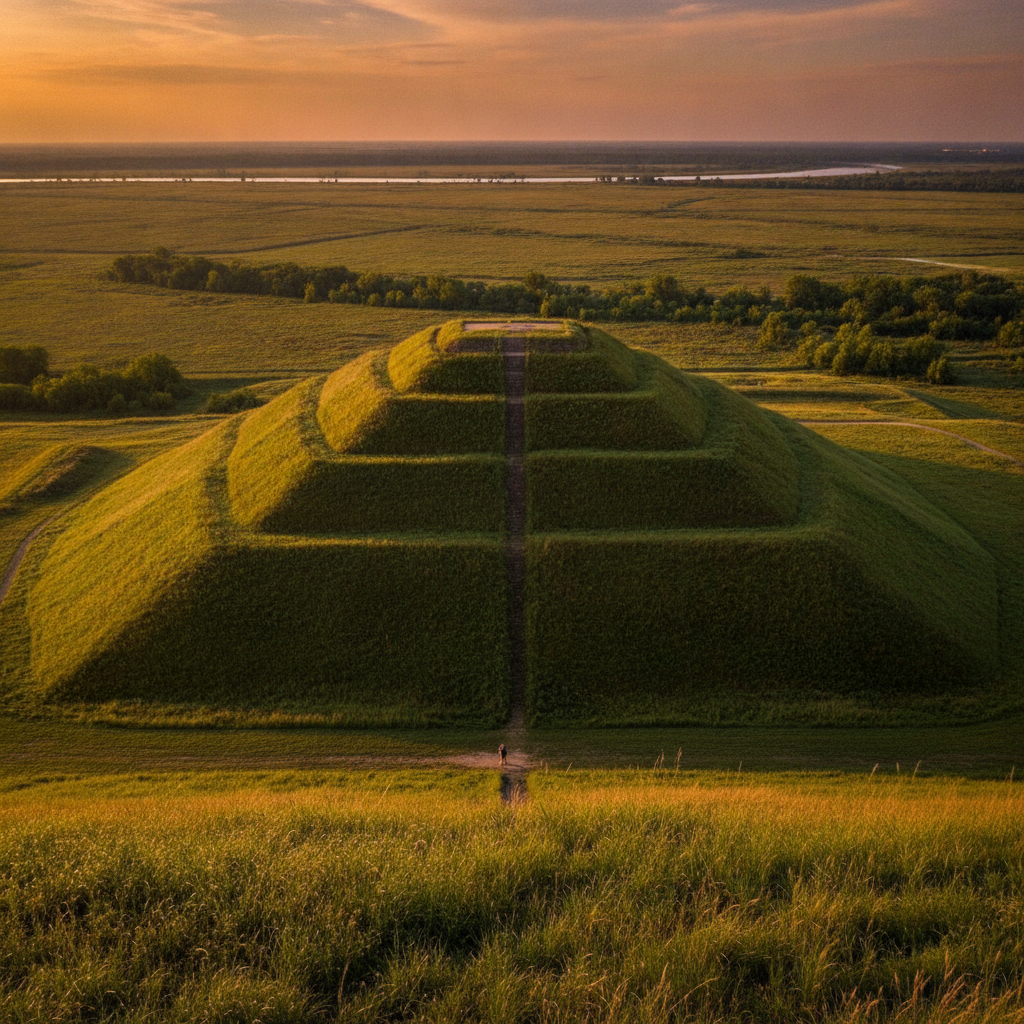
St. Louis R2-R4: Dred Scott (March 6 1857 worst Supreme Court decision, Taney ruling no Black citizenship no Congressional slavery limits precipitated Civil War, Scott freed May 1857, Old Courthouse trial 1846, Ferguson August 9 2014 Michael Brown BLM catalysis), Architecture (Wainwright Building 1891 Sullivan first coherent skyscraper, Old Courthouse cast-iron dome 1862, Union Station 1894 Theodore Link 100,000 daily peak 1940 now hotel aquarium Ferris wheel, Pruitt-Igoe 1956 Yamasaki demolished 1972-1976 symbol failed public housing), Universities (WashU top 20 US #14 25 Nobel laureates T.S. Eliot born St. Louis 1888 Nobel 1948, Saint Louis University 1818 oldest west Mississippi, Cortex USD 2B 450 companies Square Asana biotech), Anheuser-Busch (Budweiser 1876 pasteurization refrigerated rail cars, InBev 2008 USD 52B largest cash acquisition history, craft Perennial Urban Chestnut 4 Hands), 1993 Flood (75,000 sq km 50 dead USD 15B 79 days above flood stage, Cahokia Mounds UNESCO 1982 largest pre-Columbian city north Mexico 10,000-20,000 people, Monks Mound larger base than Giza pyramid abandoned 1300 CE), Neighborhoods (Delmar Divide racial segregation, Loop Walk of Fame Berry Baker Williams Eliot Grant Joplin, Soulard 1779 farmers market oldest west Mississippi Mardi Gras 200,000 second US largest).