Sousse History: The Aghlabid Founding, the Fatimid Rival, the Hafsid Renewal, and the Sousse Medieval Islamic City Heritage
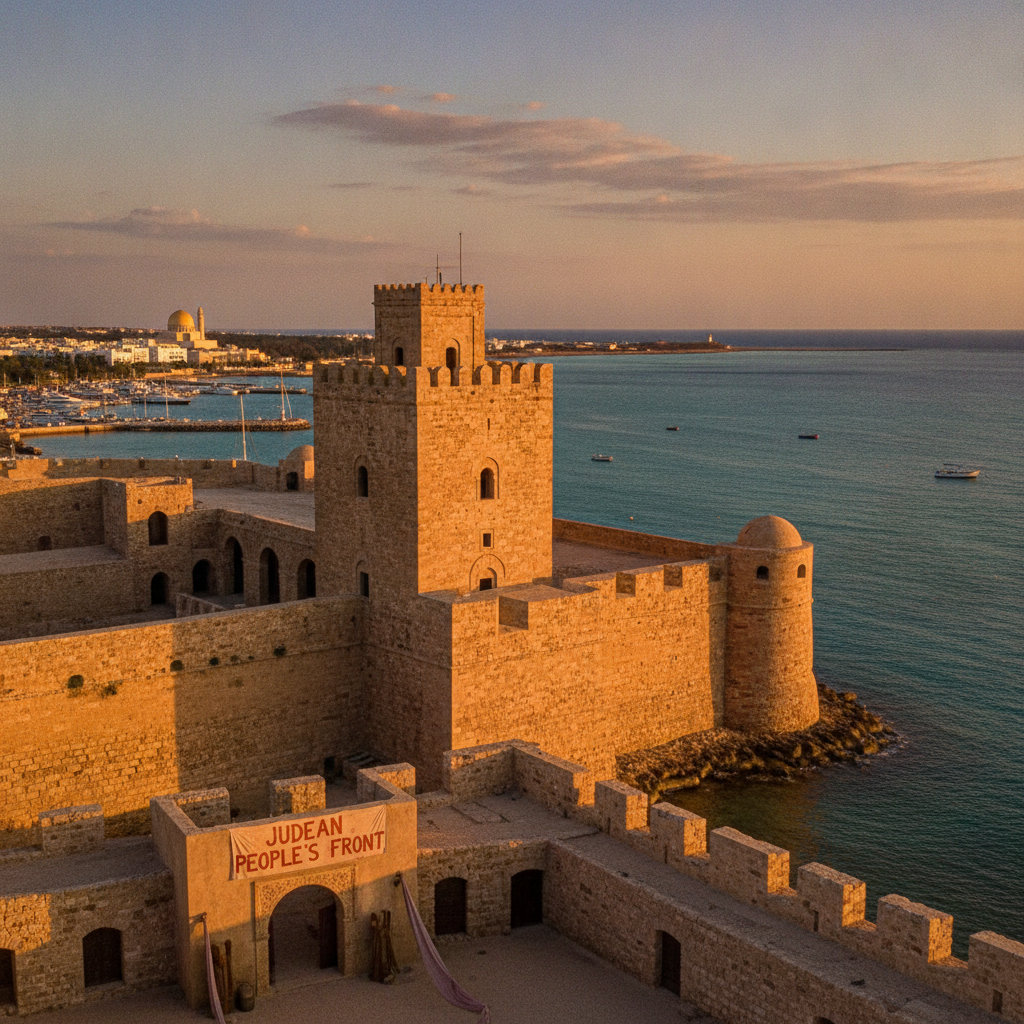
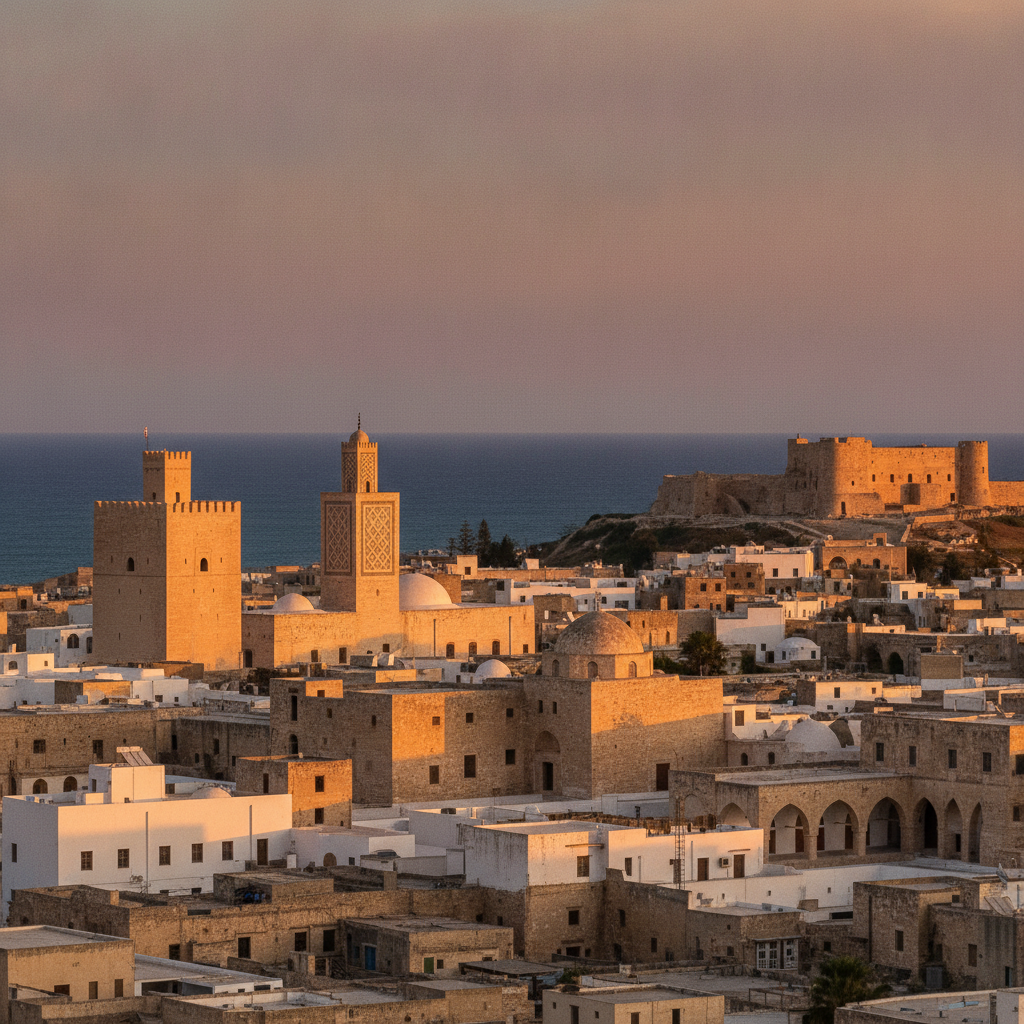
The Sousse history route covers the Aghlabid founding of Hadrumetum-to-Sousse, the Fatimid dynasty as rival to Sousse, the Hafsid cultural renewal, and the Sousse medieval Islamic city as the most completely 9th century single preserved Tunisian urban fabric.
- 1
Hadrumetum to Sousse: The Roman-Islamic Transition
Hadrumetum (the Roman city that became Sousse) was the most commercially important single Phoenician and Roman port in the central Tunisia coast, the city that Hannibal founded according to the most legendary single Tunisian city origin story, and the most strategically valuable single coastal position between Carthage and the Libyan coast. The Arab conquest renamed it Sousse (from the Punic Sus meaning south) and the Aghlabids made it the most defensively fortified single Tunisian coastal city.
- 2
Aghlabid Sousse: The 9th Century Building Program
The Aghlabid dynasty (800-909 AD) built the Sousse Ribat (821 AD), the Great Mosque (850 AD), and the most completely planned single Aghlabid medina layout with the radial street system centered on the Great Mosque that is the most archaeologically intact single early Islamic city plan in Tunisia. The Aghlabid Sousse building program is the most architecturally coherent single 9th century Islamic urban ensemble in North Africa.
- 3
Fatimid Mahdia: The Rival Capital
The Fatimid Ismaili dynasty (909-973 AD) that conquered the Aghlabids established their capital at Mahdia (60 kilometers south of Sousse) specifically to rival and diminish the most commercially important single Aghlabid city. The Fatimid-Sousse commercial rivalry is the most historically documented single Tunisian inter-city economic competition and the conflict that most directly shaped the Sousse commercial decline in the 10th century.
- 4
Hafsid Renewal: The Medieval Prosperity
The Hafsid dynasty (1229-1574) renewed the Sousse commercial importance as the most active single Sahel coast trading port with the Sahel olive oil, the Sahel textile, and the most commercially productive single Sahel agricultural region. The Hafsid architectural additions to the Sousse medina (the most extensive single post-Aghlabid building campaign in the medina) created the most commercially active single Tunisian coastal medina of the medieval period.
- 5
Ottoman and French Sousse: The Colonial Transformation
The Ottoman Regency and the subsequent French Protectorate (1881-1956) transformed Sousse into the most commercially modernized single Tunisian Sahel city with the port expansion, the railway connection to Tunis (1876, the first single Tunisian railway, the most economically transformative single 19th century Tunisian infrastructure investment), and the French new town built adjacent to the medina in the most completely dual-city single Tunisian Protectorate urban plan.
- 6
Contemporary Sousse: The Tourism Economy
Contemporary Sousse is the third most visited single Tunisian city after Tunis and Djerba with the most completely diversified single Tunisian city tourism economy combining the UNESCO medina cultural heritage, the Sahel Mediterranean beach resort, the Port el-Kantaoui marina, and the most accessible single Tunisian day trip circuit to El Djem, Monastir, and Kairouan from a single coastal city base.
Walk this route with audio
Stories play automatically as you reach each stop — no tapping needed.
More in Sousse
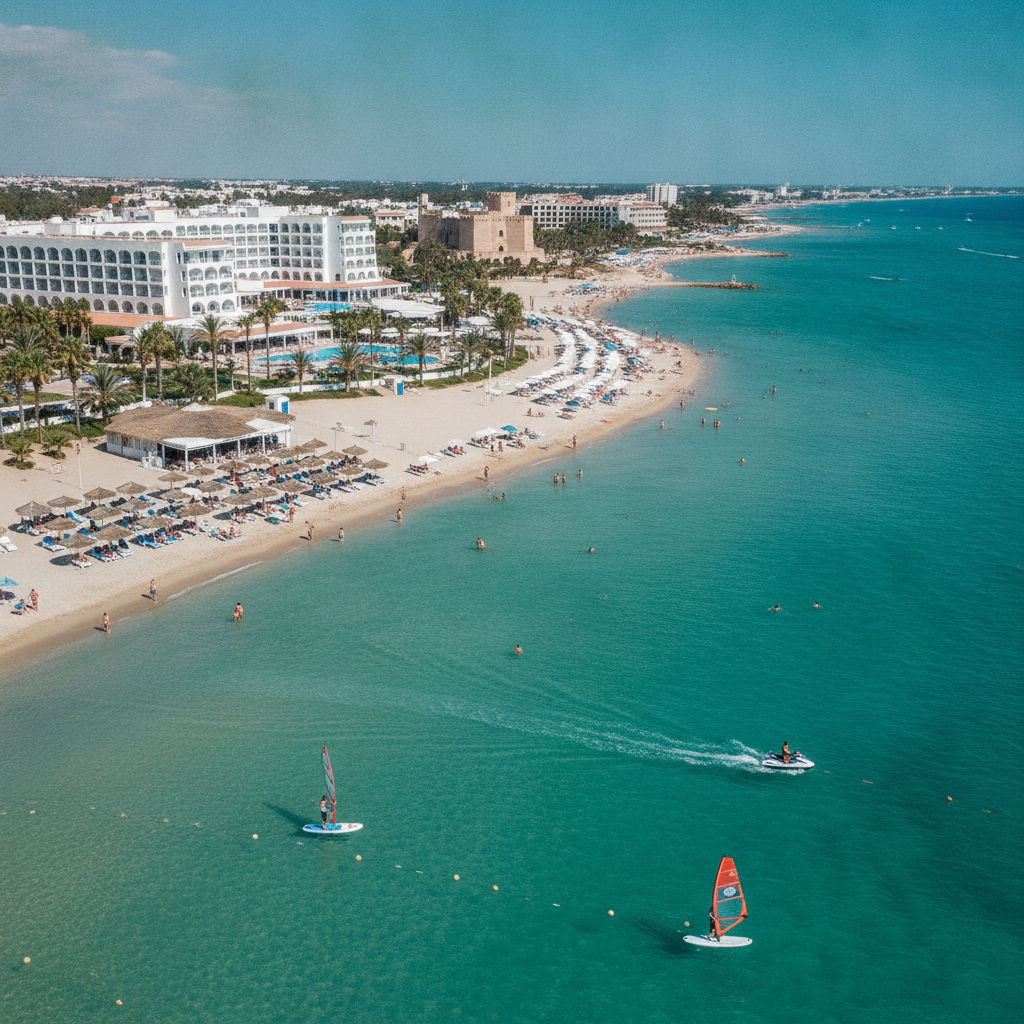
Sousse Beach: The Coral Beach Resorts, the Watersports, the Sousse Nightlife, and the Mediterranean Package Holiday Culture
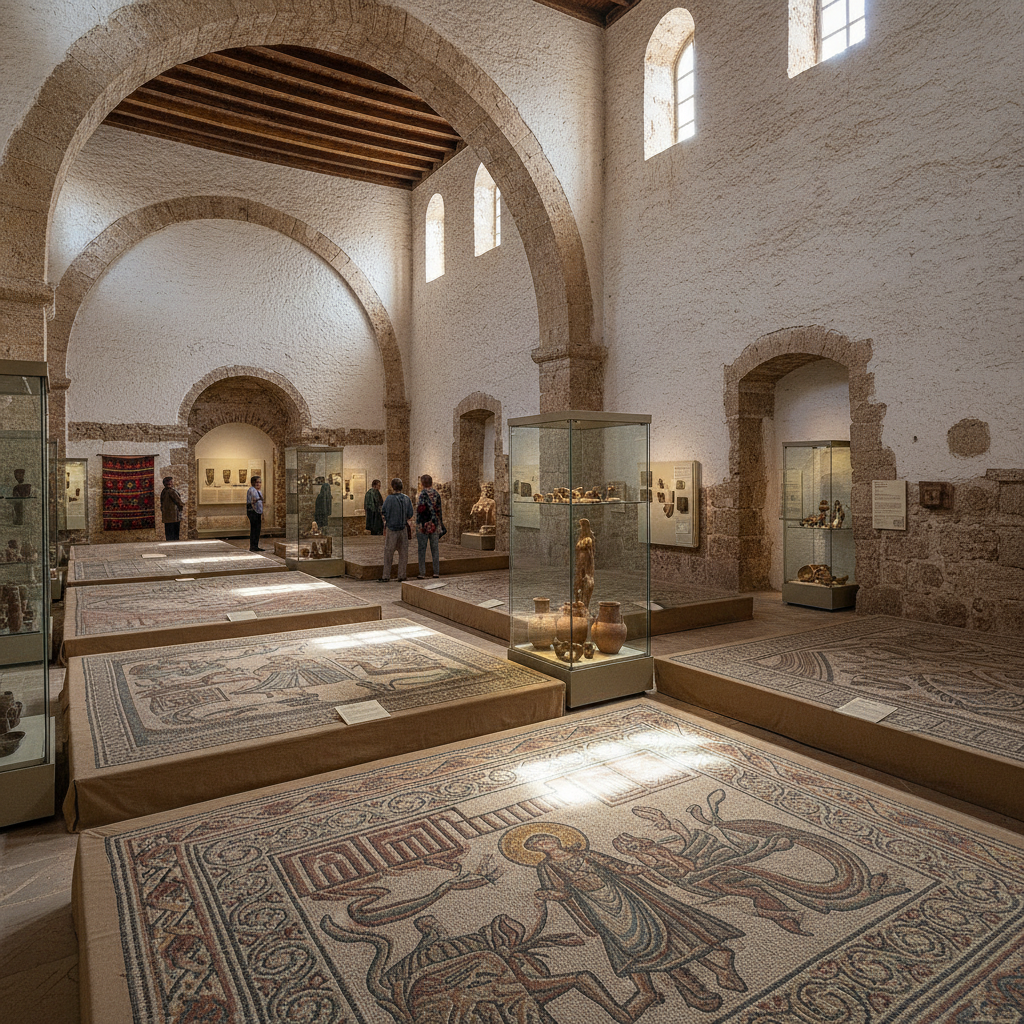
Sousse Culture: The Kasbah Museum, the Byzantine Mosaic Collection, the Dar Essid Museum, the Medina Crafts, and the Sousse Heritage Circuit

Sousse Essential: The Ribat Fortress, the Great Mosque, the UNESCO Medina, the Catacombs, Port el-Kantaoui, and the Sahel Coast
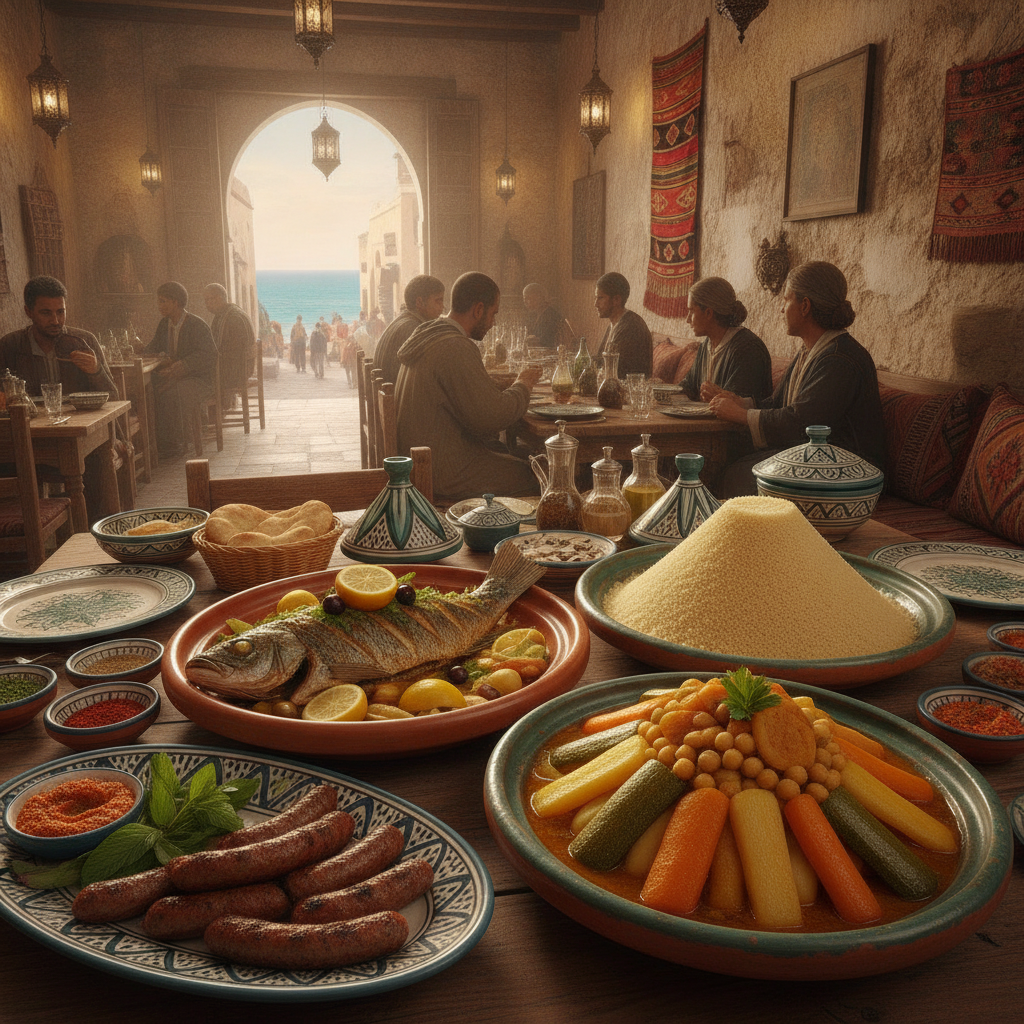
Sousse Food: The Sahel Couscous, the Sea Bass Tagine, the Merguez Grill, the Brick Oven Bread, and the Traditional Sousse Restaurant Scene
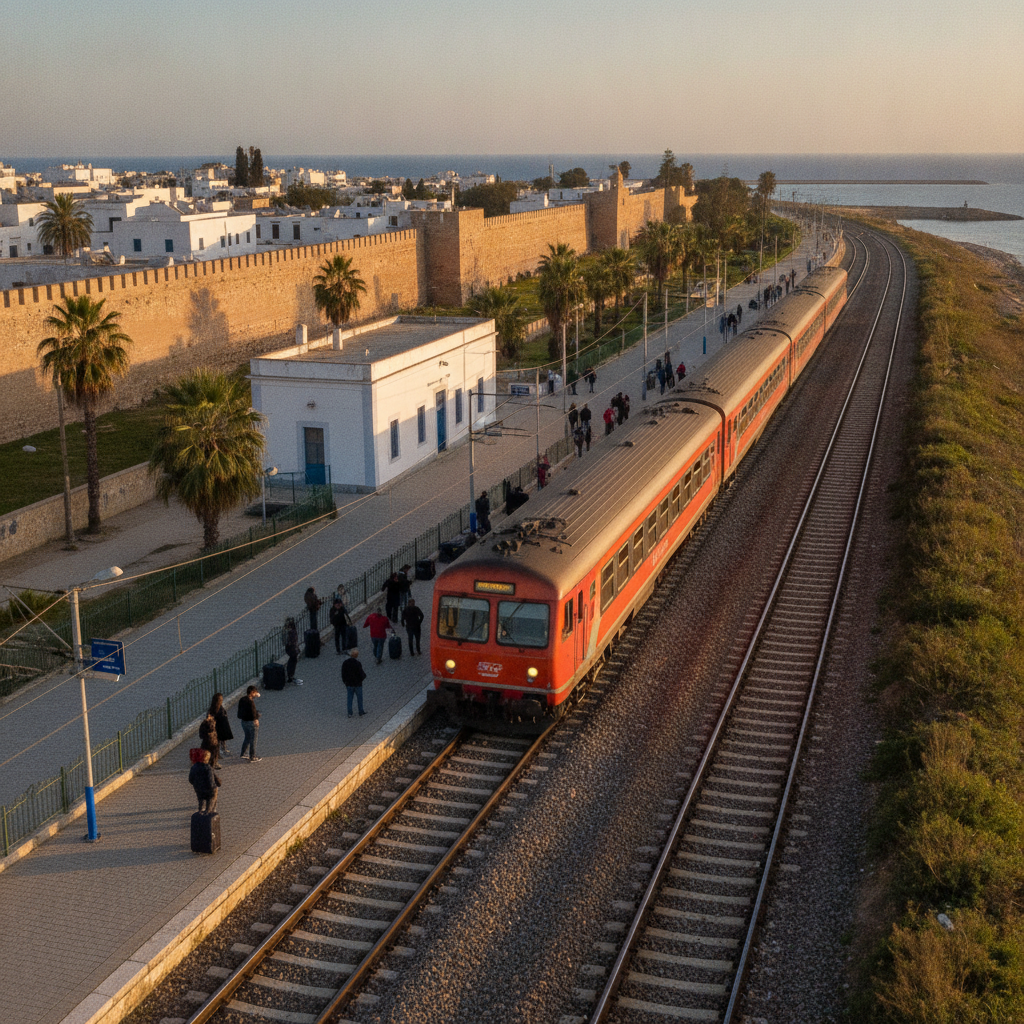
Sousse Practical: The Train from Tunis, the Enfidha Airport, the Medina vs Resort Accommodation, the Optimal Visit Timing, and the Tunisia Sahel Circuit