Sofia History: Thracian Gold, Communism & Cyrillic Alphabet
Understand Bulgaria's deep historical identity—world's oldest gold jewellery from Thracian princes, the 19th-century National Revival that created modern Bulgaria, the communist architectural legacy and 1989 revolution, and the 9th-century invention of the Cyrillic alphabet that today is used by 250 million people worldwide.
- 1
Thracian Gold & Ancient Bulgaria
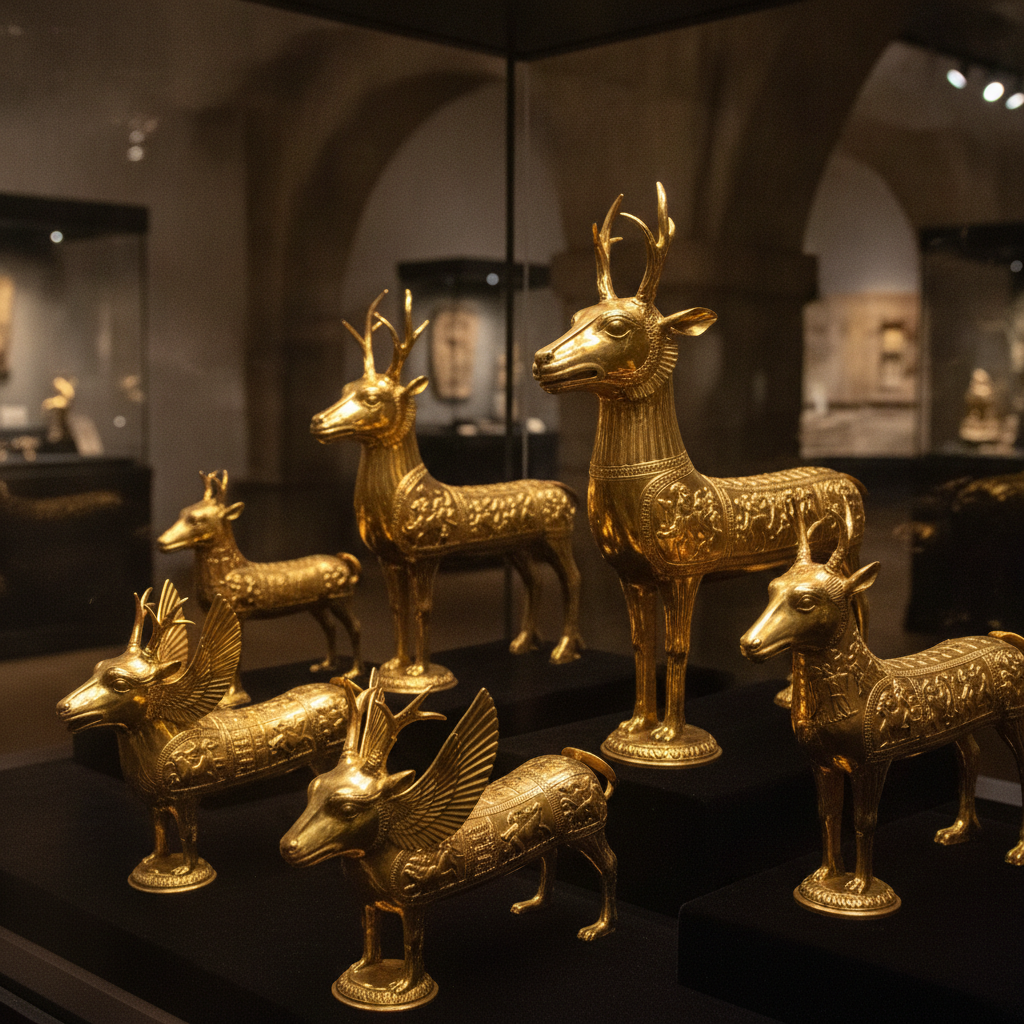
Bulgaria's territory was home to the Thracians—a rich, sophisticated culture that produced some of antiquity's most spectacular goldwork. The Panagyurishte treasure (3rd century BC) in the Archaeological Museum features nine golden rhytons and an amphora decorated with mythological scenes; the Varna Gold (4500 BC) in the Black Sea city's museum is even older—the world's oldest gold jewellery.
- 2
Bulgarian National Revival – 18th & 19th Century
The Bulgarian National Revival (Vazrazhdane) of the 18th–19th centuries produced an explosion of colourful architecture, folk art, and literature as Bulgarian identity reasserted itself under Ottoman rule. Koprivshtitsa, Tryavna, Arbanasi, and the ethnographic museum in Sofia all document this extraordinary cultural flowering that culminated in the liberation of 1878.
- 3
Communist Sofia – Monuments & Memories
Sofia's communist period (1944–1989) left a complex architectural legacy. The Party House—an enormous Stalinist palazzo—dominates Ploshtad Alexander Batenberg; the NDK congress centre and the Soviet Army Monument are other landmarks. The Red Bus Sofia tour covers communist-era sites; the Museum of Socialist Art in the suburbs houses removed Soviet-era statues in an open-air park.
- 4
1989 Revolution & Post-Communist Transition
The fall of communism in Bulgaria (November 1989) was relatively peaceful compared to Romania. The transition to democracy and market economy has been turbulent—Bulgaria joined the EU in 2007 and NATO in 2004. Anti-corruption protests in 2013 and 2020 drew hundreds of thousands to the streets of Sofia. Eagle's Bridge (Orlov Most) and Ploshtad Alexander Nevsky have been the traditional gathering points.
- 5
Cyrillic Alphabet & Bulgarian Language
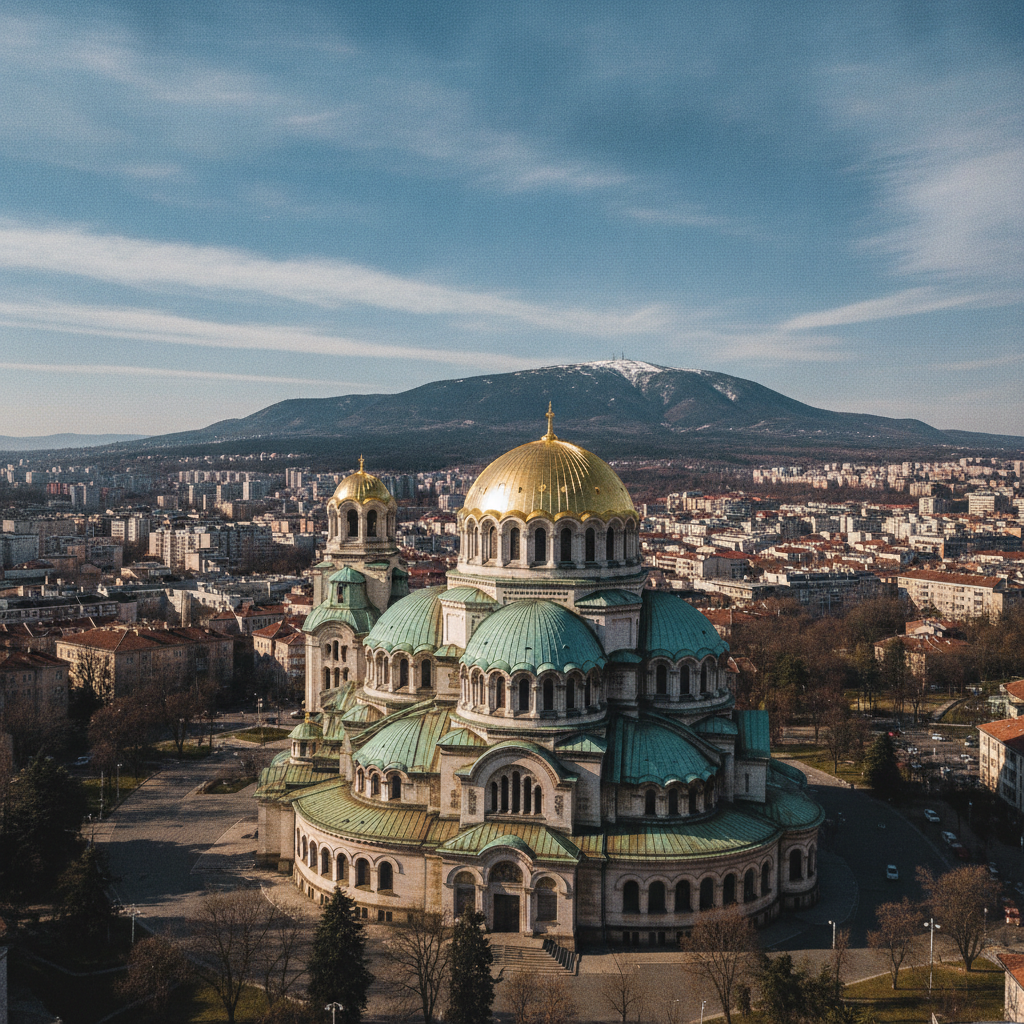
The Cyrillic alphabet was developed in the 9th century by Saints Cyril and Methodius—born in Thessaloniki but working primarily in the Bulgarian Empire—and their disciples in the Preslav and Ohrid literary schools. Bulgaria celebrates the Day of Bulgarian Education and Culture (May 24) with parades and the laying of wreaths at the Alexander Nevsky Cathedral, honouring the alphabet's creators.
- 6
Plovdiv as Bulgaria's Cultural Counterpart
While Sofia is Bulgaria's political and economic capital, Plovdiv is its cultural soul—and the country's most visited city for arts tourism since its European Capital of Culture 2019 year. The Roman amphitheatre hosting summer concerts, the Old Town mansions of the National Revival, the Kapana craft district, and the Alyosha Soviet soldier monument overlooking the city make it an essential pairing with Sofia.
Walk this route with audio
Stories play automatically as you reach each stop — no tapping needed.
More in Sofia
Sofia Practical Guide: Metro, Budget Tips & Getting Around
Sofia on a Plate: Banitsa, Mehanas & Bulgarian Wine
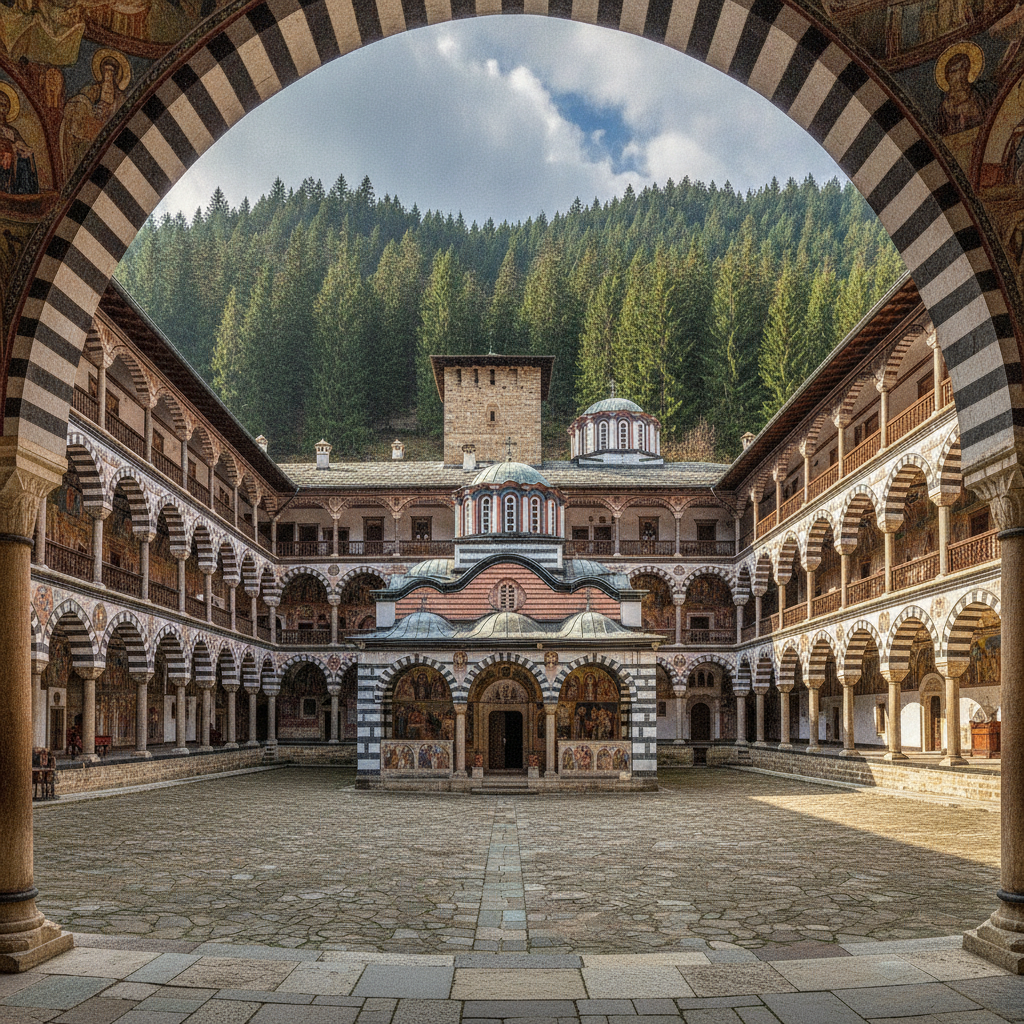
Sofia Escapes: Rila Monastery, Vitosha Mountain & Plovdiv
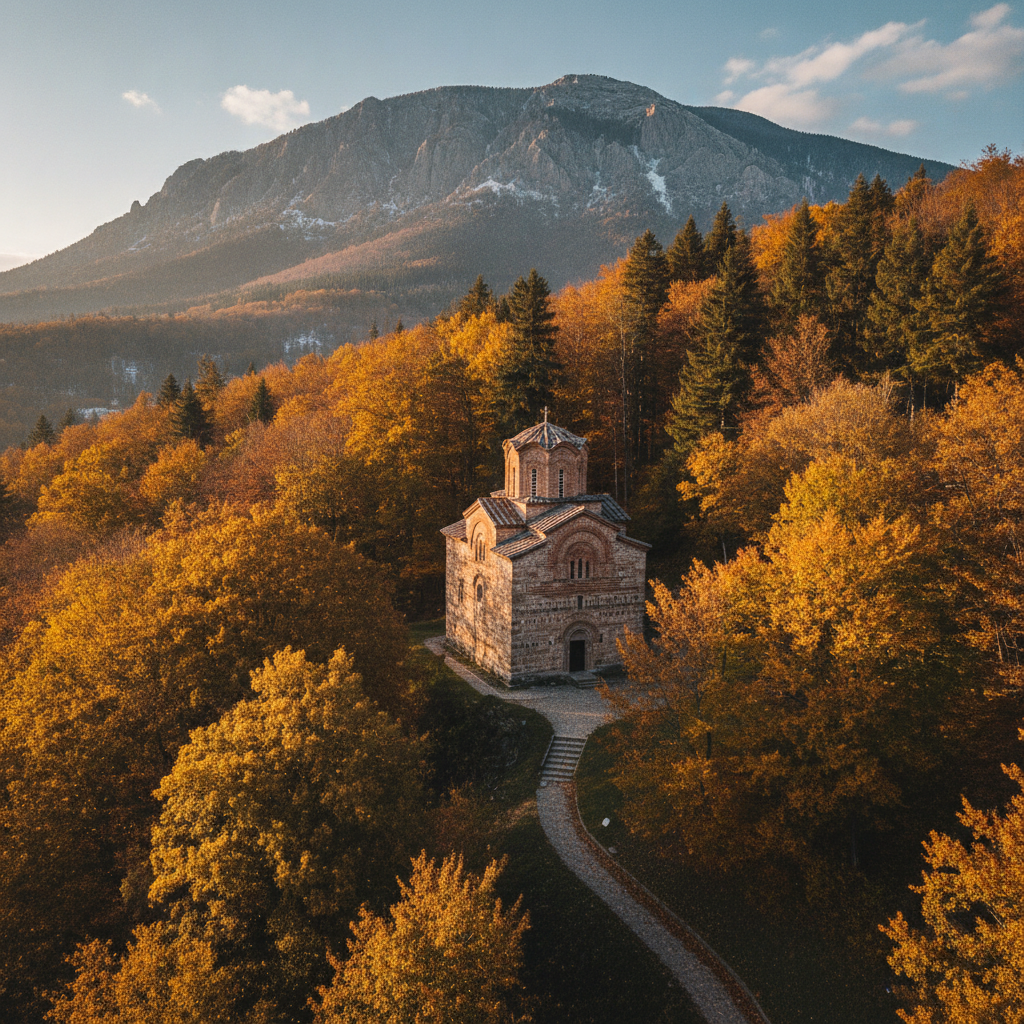
Sofia Culture & History: Boyana Church, National Gallery & Mineral Spas