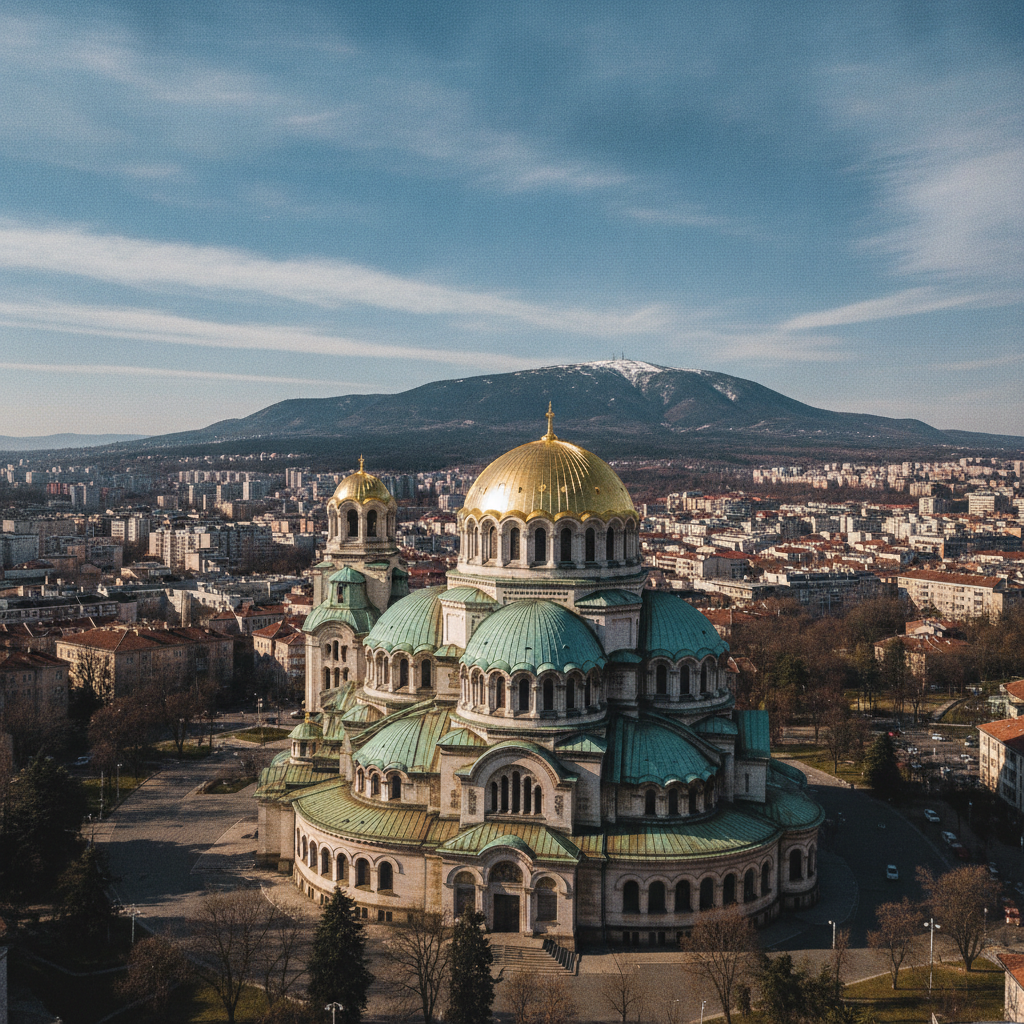
Sofia Culture & History: Boyana Church, National Gallery & Mineral Spas
Explore Sofia's cultural riches—the UNESCO Boyana Church frescoes that anticipated the Renaissance, the National Gallery in the former Royal Palace, the Art Nouveau history museum in the old mineral baths, Bulgaria's remarkable story of saving its Jewish community, and healing mineral spa waters at Roman-era Bankya.
- 1
Sofia Synagogue & Jewish Heritage
The Sofia Synagogue—built in 1909 and the largest in southeastern Europe—stands in the former Jewish quarter near the Central Market. Bulgaria's Jewish community (50,000 strong before WWII) was almost entirely saved from deportation through the combined resistance of the Bulgarian Orthodox Church, parliament, and citizens; the synagogue and its museum honour this remarkable story.
- 2
National Gallery – Quadrat 500
The National Gallery's main building in the former Royal Palace on Ploshtad Alexander Nevsky houses Bulgaria's premier collection of Bulgarian art from the 18th century to the present—icons, National Revival-era paintings, and 20th-century avant-garde works. The adjacent Kvadrat 500 annex opened in 2015 with international collections and temporary exhibitions in a striking contemporary building.
- 3
Sofia History Museum & Ottoman Sofia
The former Central Mineral Baths building—a 1913 Art Nouveau confection of coloured tiles and domes—was converted into the Sofia History Museum in 2015. The collection traces 7,000 years of settlement from prehistoric through Thracian, Roman, Byzantine, Bulgarian medieval, and Ottoman periods. The Ottoman period (1382–1878) lasted nearly 500 years and shaped the city's street network and food culture.
- 4
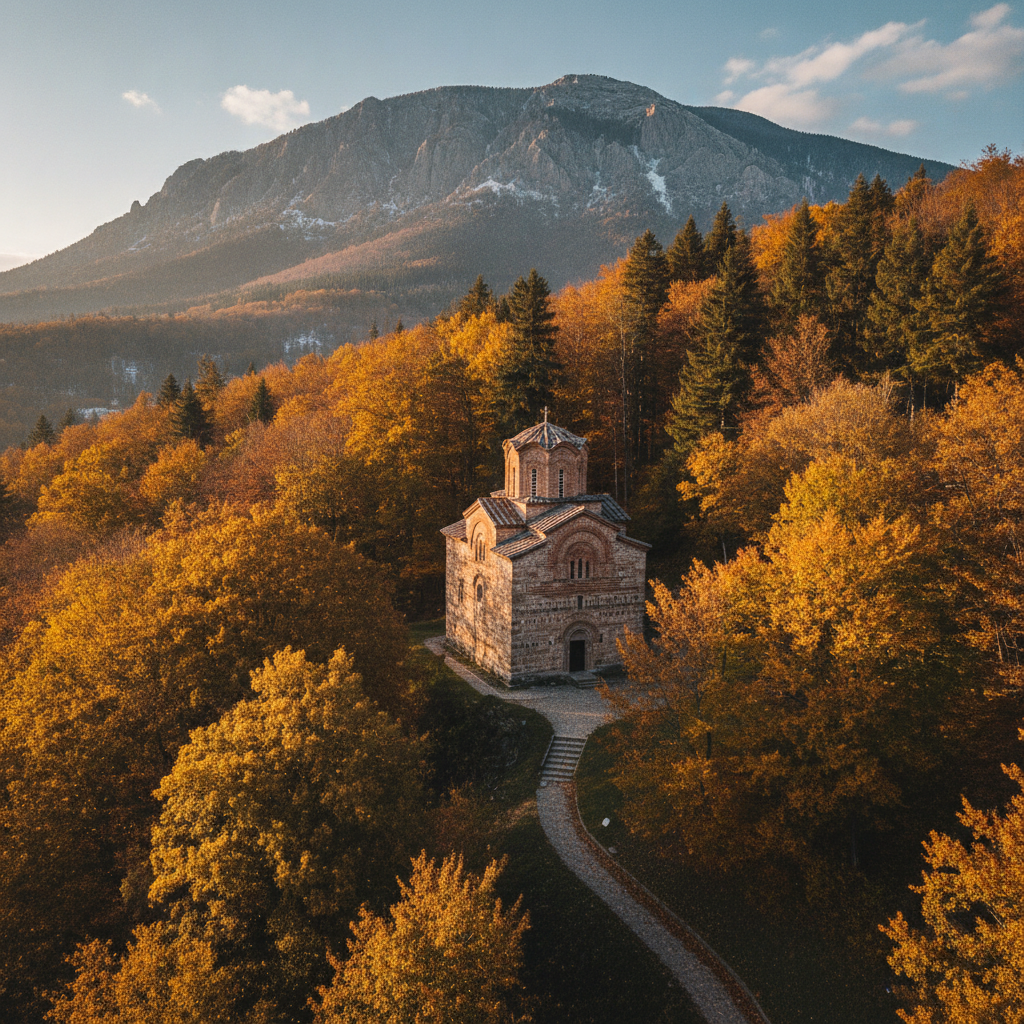
Boyana Church – UNESCO Medieval Frescoes
The 13th-century Boyana Church on the slopes of Mount Vitosha is one of Bulgaria's greatest medieval treasures and a UNESCO World Heritage Site. Its 1259 frescoes—the most complete and artistically important of their era in Bulgaria—depict biblical scenes with a naturalism that anticipates Giotto by half a century. Visitor numbers are strictly limited to protect the fragile murals; book ahead.
- 5
Ivan Vazov National Theatre & Arts Scene
Bulgaria's national theatre—an elegant neo-Baroque building from 1907—offers opera, drama, and ballet at extraordinarily low prices by western European standards (€3–15 per ticket). The surrounding theatre district includes the Sofia Philharmonic, the National Opera, and several smaller venues. Sofia's cultural life is rich and underpriced—one of the city's greatest advantages for the budget-conscious visitor.
- 6
Bankya Mineral Spa & Hot Springs
Sofia sits above one of Europe's largest concentrations of mineral springs—the city's free public mineral spring fountains at Ovcha Kupel and the spa resort of Bankya (20 minutes by commuter train) have served visitors since Roman times. The Bankya balneological complex offers mineral water pools, mud treatments, and thermal baths at very affordable prices year-round.
Walk this route with audio
Stories play automatically as you reach each stop — no tapping needed.
More in Sofia
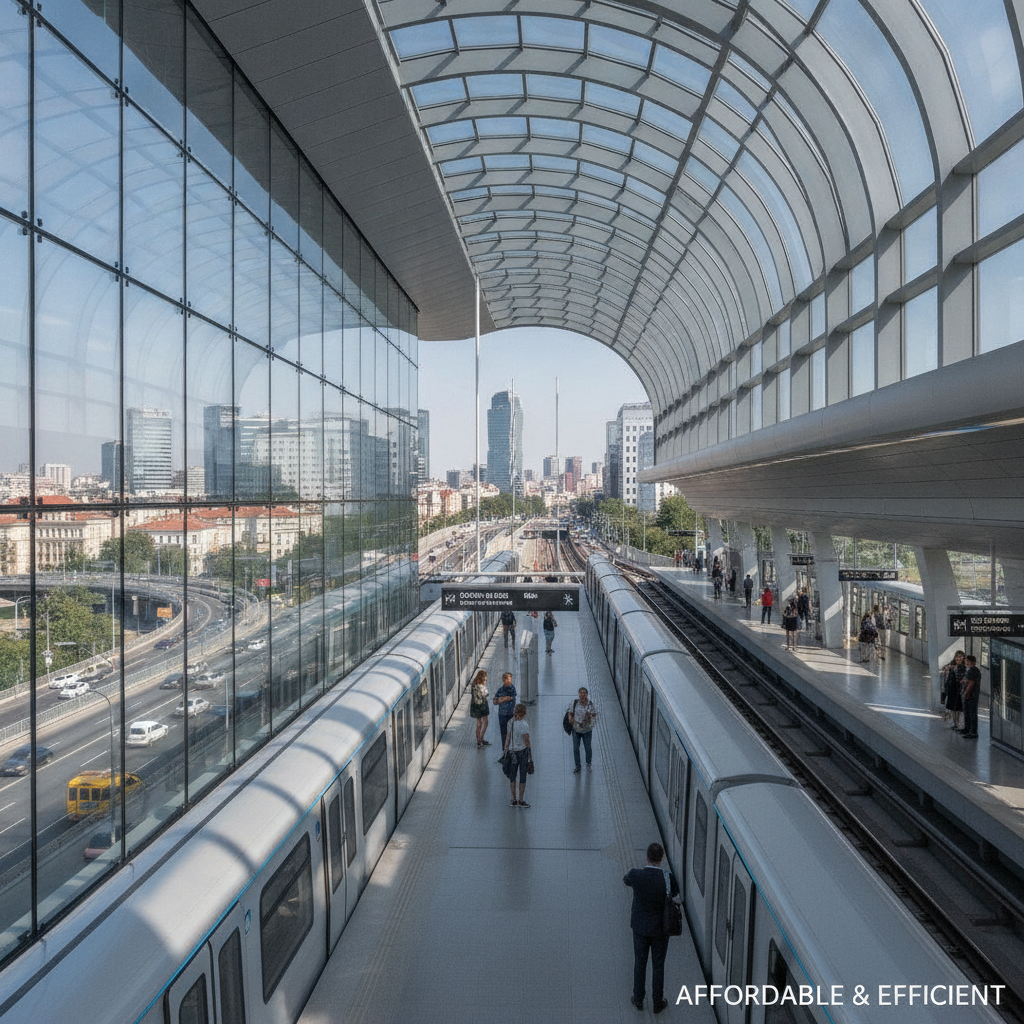
Sofia Practical Guide: Metro, Budget Tips & Getting Around
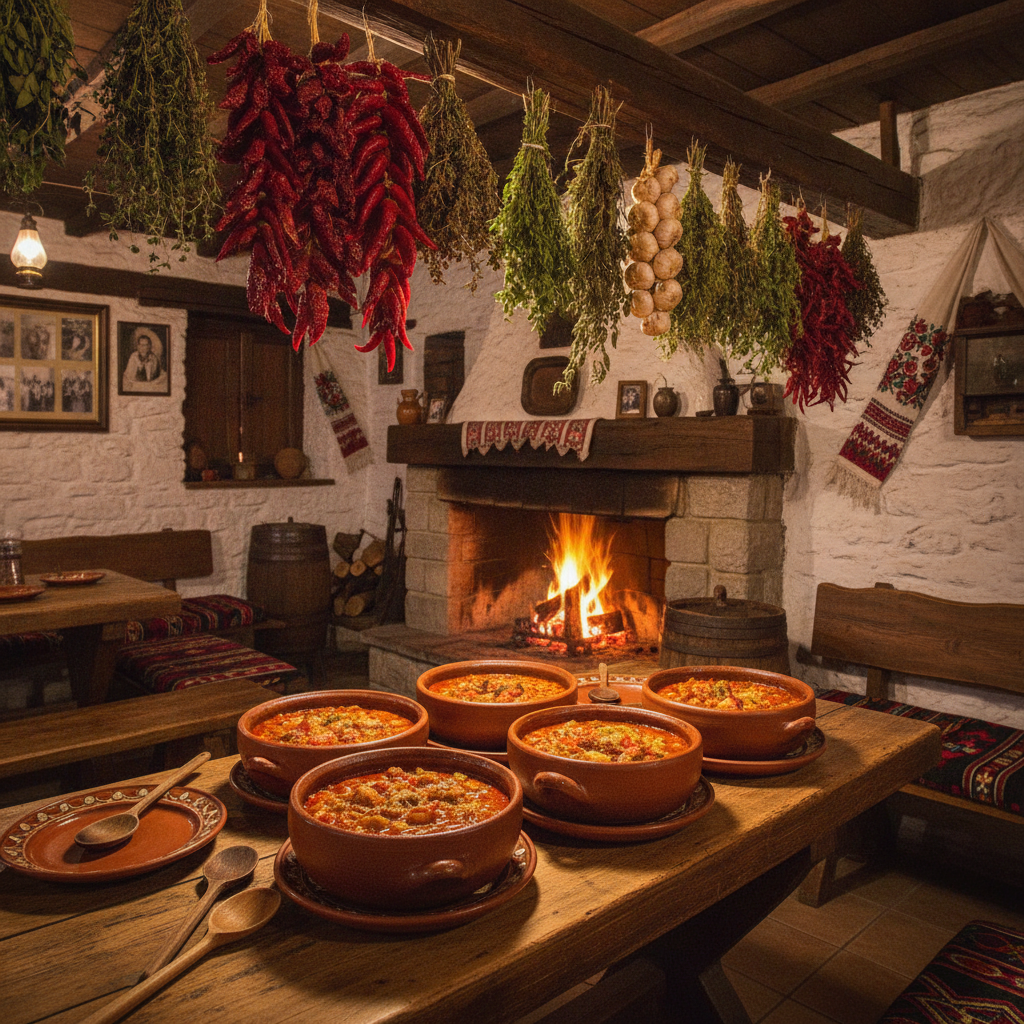
Sofia on a Plate: Banitsa, Mehanas & Bulgarian Wine
Sofia History: Thracian Gold, Communism & Cyrillic Alphabet
Sofia Escapes: Rila Monastery, Vitosha Mountain & Plovdiv