Sofia on a Plate: Banitsa, Mehanas & Bulgarian Wine
Taste Bulgaria through Sofia's food culture—Shopska salad and hot banitsa pastry for breakfast, the atmospheric Women's Market for local produce, hearty mehana clay-pot cooking with Mavrud wine, the world's rose oil capital in the Kazanlak valley, and the yoghurt drink that put Bulgaria on the global map.
- 1
Bulgarian Cuisine – Shopska Salad & Banitsa
Bulgaria's national salad—Shopska—is the simplest and most satisfying: tomatoes, cucumbers, roasted peppers, and onions covered in a blizzard of grated white sirene cheese (similar to feta). Banitsa—flaky pastry filled with sirene cheese, eggs, and butter—is the national breakfast pastry, eaten piping hot from bakeries. The combination of Bulgaria's sunny climate and fertile land produces exceptional vegetables.
- 2
Central Market Hall (Zhenski Pazar)
The Women's Market near Sofia Synagogue is the city's most vibrant and authentic food market—a sprawling open-air and covered complex where farmers from across the Sofia region sell seasonal produce, dried mushrooms, homemade pickles, sunflower seeds, and wildflower honey. The surrounding streets contain the best value restaurants and traditional mehanas (taverns) in the city.
- 3
Mehana Culture & Bulgarian Wine
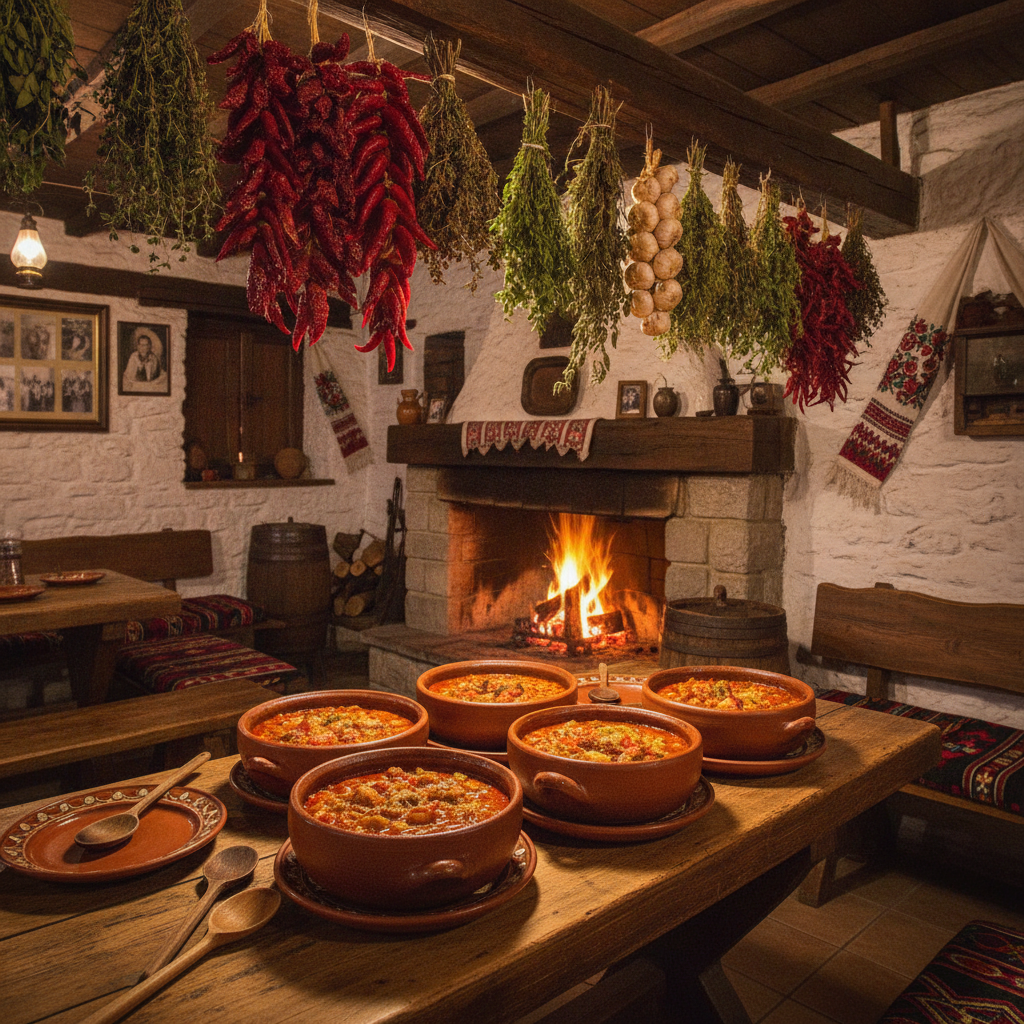
Sofia's mehanas—traditional Bulgarian taverns—serve hearty cuisine under wooden beams hung with dried peppers and garlic: kavarma (slow-baked clay pot meat stew), kebapche (spiced minced meat rolls), sarmi (vine leaves stuffed with rice and pork), and moussaka Bulgarian-style (with potatoes rather than aubergine). Bulgarian wine—particularly Mavrud red from the Plovdiv region—is excellent and very affordable.
- 4
Craft Beer & Sofia's New Food Scene
Sofia's food and drink scene has transformed dramatically in the 2010s. The Strelbishte and Lozenets neighbourhoods south of centre host excellent craft beer bars, natural wine shops, and innovative restaurants. The Kempinski hotel's Sense restaurant and Manastirska Magernitsa (an old monastery refectory converted into a restaurant) represent different ends of the gastronomy spectrum.
- 5
Bulgarian Rose Oil & Kazanlak
The Rose Valley around Kazanlak (200 km east of Sofia) produces around 85% of the world's rose oil—the most expensive perfume ingredient by weight. The annual Rose Festival each June celebrates the harvest with folk music, parades, and rose-picking demonstrations. Bulgarian rose oil scents everything from Chanel No. 5 to most of the world's premium perfumes.
- 6
Tarator, Ayran & Traditional Drinks
Bulgaria's food culture features distinctive cold dishes suited to its hot summers: tarator is a chilled soup of yoghurt, cucumber, garlic, and walnuts—one of the world's great cold soups. Ayran (chilled yoghurt drink) is ubiquitous; Bulgaria claims to have developed yoghurt from the Lactobacillus bulgaricus bacterium first identified here in 1905. Mastika (anise spirit) and rakia (fruit brandy) are the traditional aperitifs.
Walk this route with audio
Stories play automatically as you reach each stop — no tapping needed.
More in Sofia

Sofia Practical Guide: Metro, Budget Tips & Getting Around
Sofia History: Thracian Gold, Communism & Cyrillic Alphabet
Sofia Escapes: Rila Monastery, Vitosha Mountain & Plovdiv
Sofia Culture & History: Boyana Church, National Gallery & Mineral Spas