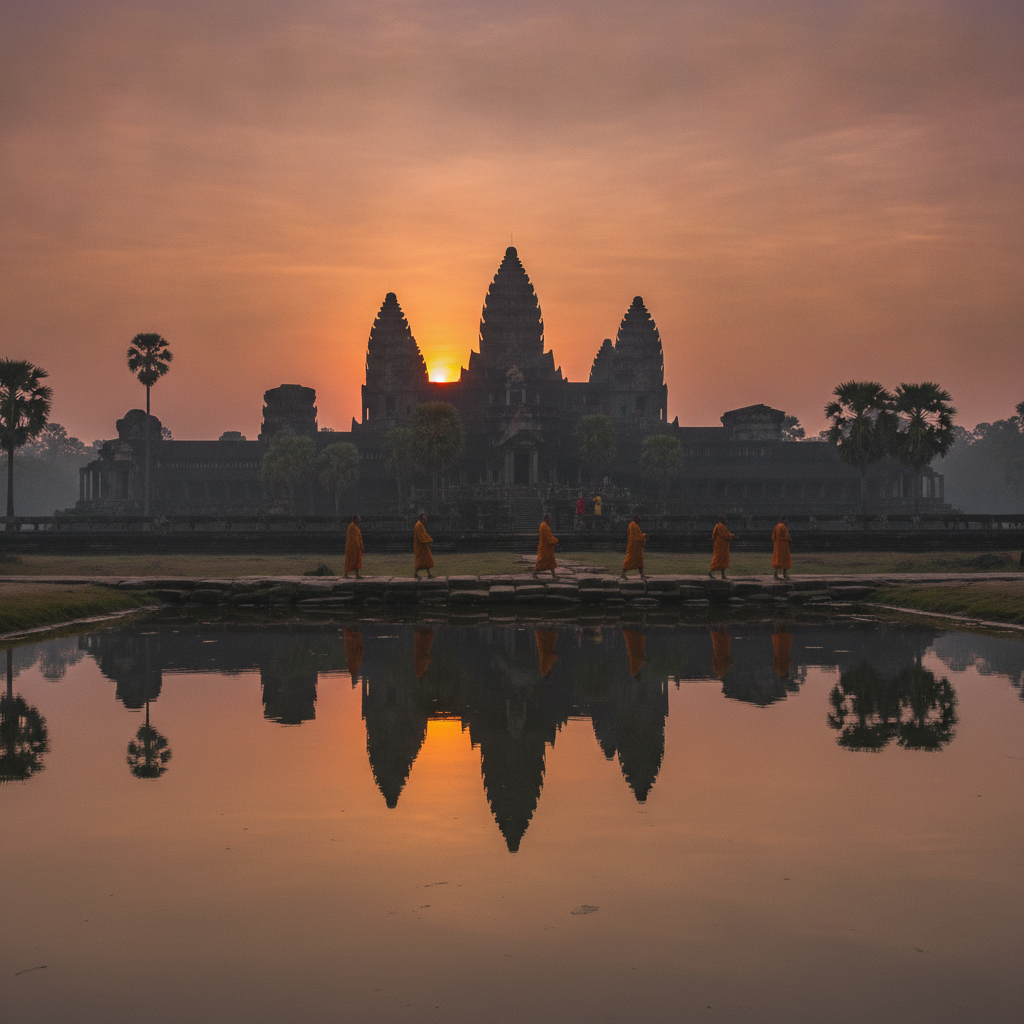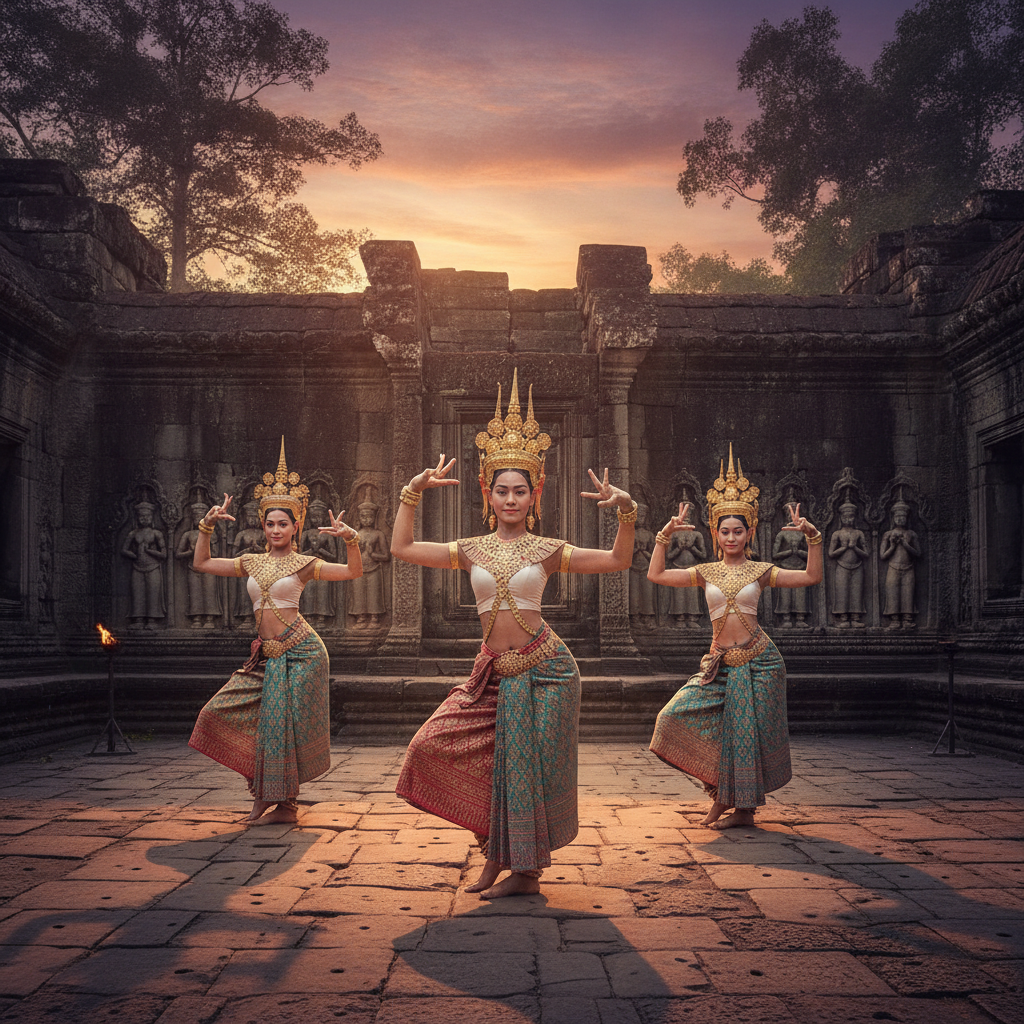
Siem Reap's Foundations: The 1,000 km² Hydraulic Empire, Apsara Dance Surviving Genocide & Henri Mouhot's Useful Myth
Angkor's infrastructure and future—the lidar survey revealing Angkor's 1,000 km² dispersed urban footprint potentially making it the largest pre-industrial settlement in history (the West Baray reservoir still full and still used as a swimming lake), Apsara dance's 90% practitioner loss under the Khmer Rouge and the Cambodian Living Arts revival training the next generation of bent-wrist mudra specialists, Kampot's peppercorn terroir cited by Michelin chefs and the crab at Kep market, Henri Mouhot's 1860 account misnamed 'discovery' (Portuguese missionaries described Angkor in 1586; Cambodian pilgrims never stopped visiting), and Siem Reap's new 10 million-passenger airport that bets on growth for a destination whose central challenge is already too many visitors.
- 1
Angkor's Hydraulic System – The Engineering That Built an Empire
The hydraulic engineering system of Angkor—built and expanded over 500 years from the 9th to 14th centuries—is arguably the most ambitious pre-industrial water management infrastructure in history: a network of reservoirs (barays), channels, and moats covering an area of approximately 1,000 km² that managed the water of the Siem Reap River and its tributaries to support intensive rice cultivation across the Angkor plain. The West Baray (8 km × 2.2 km, constructed 11th century—still water-filled, used today as a swimming lake and reservoir)—one of the largest man-made reservoirs in the ancient world—held enough water to irrigate the entire Angkor plain through the dry season. Archaeological research using airborne laser scanning (lidar) completed in 2012–2015 by the Greater Angkor Project (an international archaeological consortium) revealed that the Angkor urban complex was far larger than previously understood: the low-density, dispersed urban area surrounding the monumental temples covered approximately 1,000 km²—making Angkor potentially the world's largest pre-industrial settlement by area.
- 2
The Apsara Dance – Cambodia's Living Classical Art
Apsara dance (robam apsara)—the classical court dance of Cambodia, derived from the bas-relief depictions of apsaras (celestial dancers) carved on the walls of Angkor's temples—is the defining performance art of Khmer culture and was declared a UNESCO Intangible Cultural Heritage in 2003. The form: highly formalised hand gestures (mudras—45 distinct positions), slow controlled movements emphasising the flexibility of the bent-back wrist and fingers, elaborate gilded headdresses and costumes, accompanied by the pin peat orchestra (xylophones, gong circles, and drums). The survival of the art form after the Khmer Rouge: the genocide killed approximately 90% of Cambodia's classical performing artists; the revival was led by surviving masters (primarily in refugee camps in Thailand) and their students after 1979. The current infrastructure: the Cambodian Living Arts organisation, the Royal University of Fine Arts in Phnom Penh, and the Apsara Arts Association in Siem Reap train a new generation. Evening Apsara dinner shows at Angkor restaurants are the most accessible format; the Apsara Theatre show is the most respectful presentation.
- 3
Kampot & the South Coast – Siem Reap's Coastal Counterpart
Kampot—a small riverside town in southern Cambodia, 5 hours from Phnom Penh and 6–8 hours from Siem Reap—has emerged as Cambodia's most appealing secondary destination: a place that offers the river, the mountain (Bokor Hill Station—a French colonial highland resort at 1,079 metres, with a Romanesque church and casino ruins in the mist), the sea (Kep, 25 km east—a former French colonial beach resort with fresh-from-the-ocean crab served with Kampot pepper, Cambodia's most celebrated agricultural product), and a characterful town of colonial-era buildings along the Kampot River. Kampot pepper (grown in the Kampot and Kep provinces—the most internationally famous Cambodian agricultural product, cited by Michelin-starred chefs globally): white, black, and red peppercorns, with a complex floral aroma unique to this terroir. The town's infrastructure: a relaxed expat and backpacker economy of riverside bars and guesthouses, a growing number of high-quality restaurants, and access to kayaking and boat trips on the Praek Tuek Chhu River.
- 4
Siem Reap's Wellness Scene & Retreat Economy
Siem Reap has developed, alongside its archaeological tourism, a wellness and retreat economy that combines the Buddhist heritage of the region (meditation, mindfulness, and yoga retreats drawing on the Khmer Buddhist tradition), the abundance of cheap skilled labour (Khmer massage and traditional healing practitioners), and the long-stay visitor demographic that the temples attract. The traditional Khmer massage (khmer boran)—distinct from the Thai massage tradition, using pressing, stretching, and herbal compress techniques specific to the Cambodian healing tradition—is offered across price points from $3 street-level to $80 luxury resort treatments. The yoga and meditation retreat scene: Navutu Dreams Resort (north of Siem Reap, yoga retreat specialisation), The Secret Garden (smaller retreat centre), and several temple complex morning yoga programmes. The 'slow travel' phenomenon at Angkor: visitors who originally planned 2–3 days for the temples frequently extend to a week or longer, creating a resident-travel hybrid lifestyle that the wellness economy serves.
- 5
The French Discovery of Angkor – Henri Mouhot's 1860 Account
The French 'discovery' of Angkor—typically attributed to the naturalist Henri Mouhot, who described the temples in his published journal following his 1860 visit—is a myth in the technical sense: Angkor was never 'lost'; it was known to and visited by thousands of Cambodian pilgrims throughout the centuries of its 'abandonment' as a royal capital, and Portuguese and Spanish missionaries had described the temples in writing as early as 1586. Mouhot's significance is different: his 1863 posthumous publication (Travels in the Central Parts of Indo-China—he died of fever in Laos in 1861) with its illustrations of the temples reached a European public during the height of colonial expansion enthusiasm and created the romanticised narrative of 'discovery' that drove French colonial interest in Cambodia. The École Française d'Extrême-Orient (EFEO—founded Hanoi 1900) was the institution that systematically mapped and conserved Angkor beginning in 1907; the political framework was the French Protectorate; the intellectual genealogy runs from Mouhot's romanticised prose through colonial scholarship to the UNESCO World Heritage designation of 1992.
- 6
Siem Reap's Future – After the Temples, Who Comes?
Siem Reap's strategic challenge—which its urban planners, NGO community, and business leaders have debated for two decades—is its extreme dependence on a single asset: the Angkor temples. Unlike Bangkok (which has cultural, commercial, and transport hub functions), Chiang Mai (which has cultural diversity and a liveable city character that attracts long-term residents independently of temples), or Luang Prabang (which has a full UNESCO heritage town), Siem Reap's visitor proposition is almost entirely Angkor-dependent. The consequences: visitor length of stay is short (average 2.5 nights for international visitors before 2019); spending concentrates in the temple economy (entry fees, transport, hotels near temples) rather than distributing through the wider economy; and the town itself has limited attractions independent of the temples. The post-COVID recovery has prompted investment in new attractions (cultural parks, eco-tourism around Tonlé Sap, adventure sports), but the structural temple-dependence remains. The new international airport (Siem Reap-Angkor International Airport—opened 2023, 50 km south of the city, designed to handle 10 million passengers/year) represents a bet on continued growth; whether that growth is manageable for the temples themselves is the central question.
Walk this route with audio
Stories play automatically as you reach each stop — no tapping needed.
More in Siem Reap
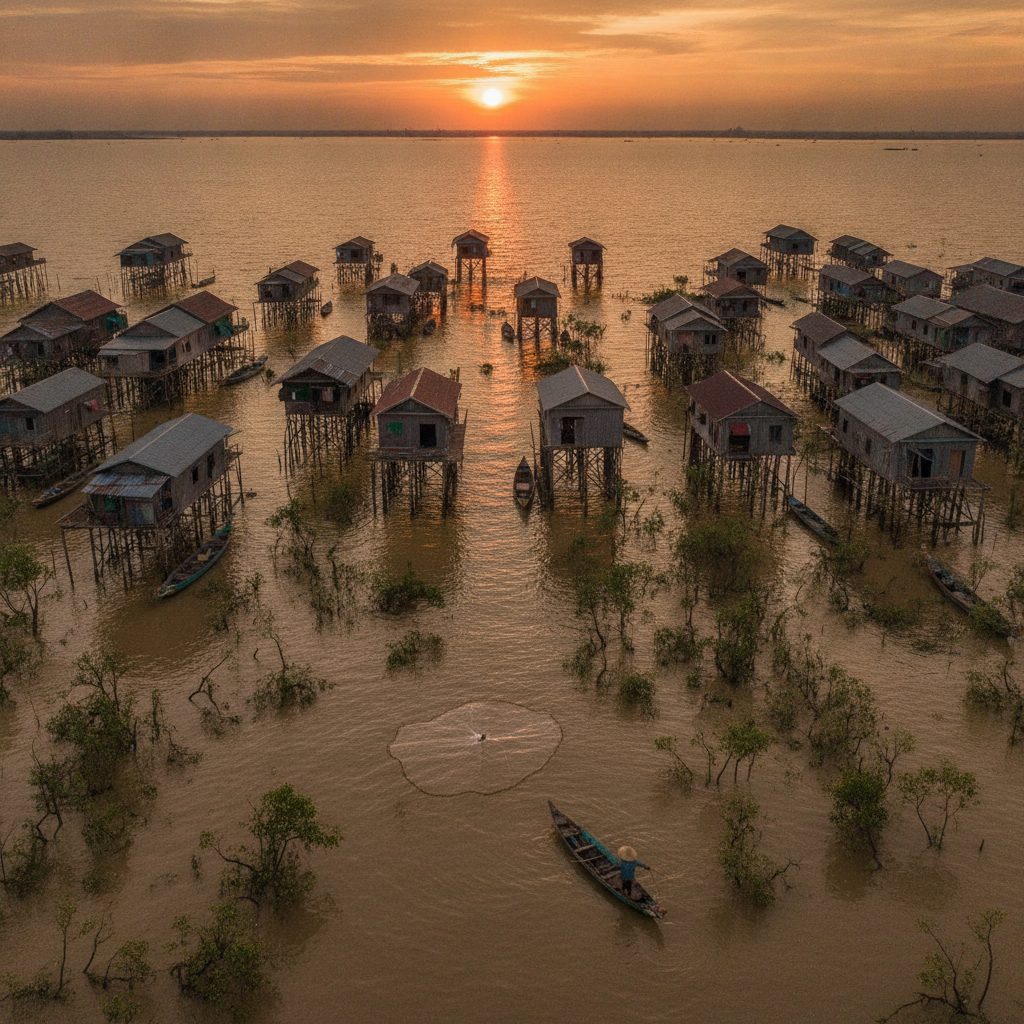
Siem Reap's Other Story: Khmer Rouge's 2 Million Deaths, Tonlé Sap's Reversing River & Apsara Dance's Revival
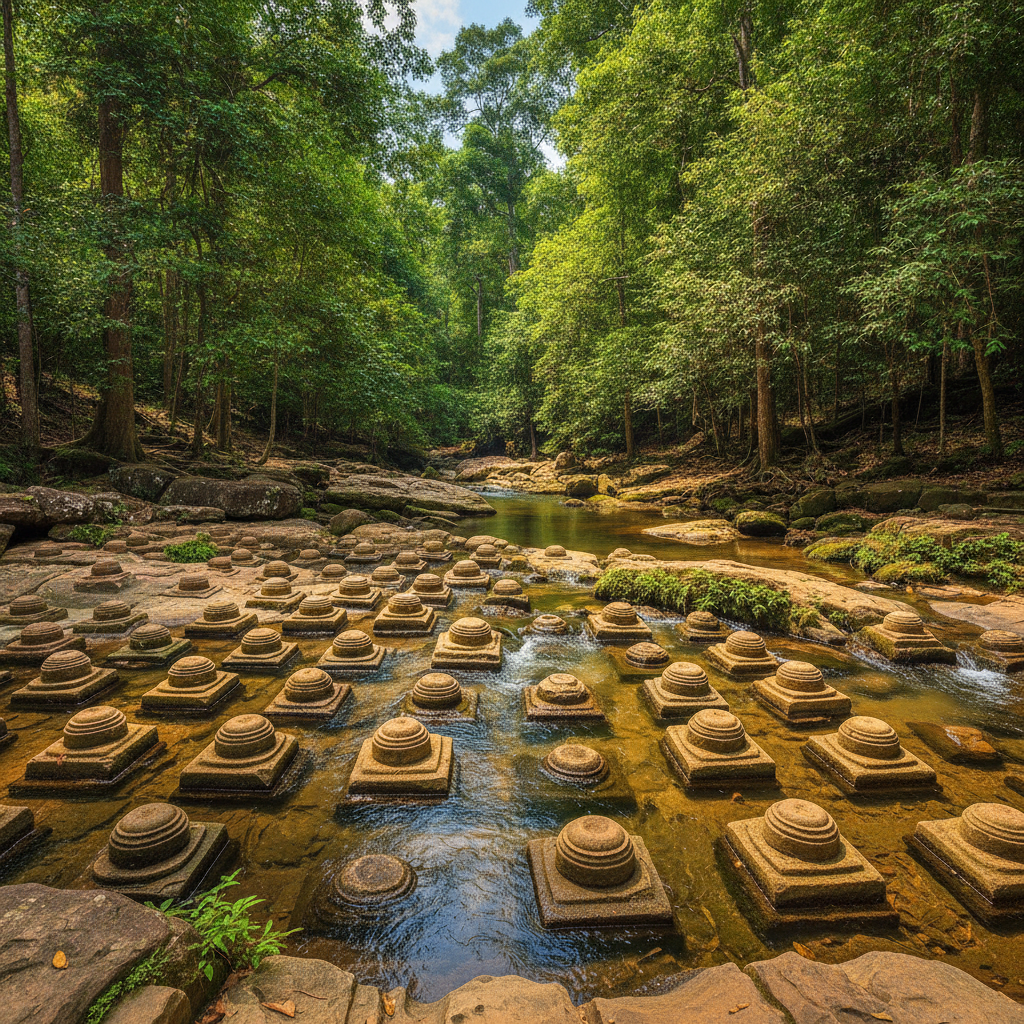
Angkor Deeper: 1,000 Lingas in Phnom Kulen's Sacred River, Preah Khan's Dancer Colonnade & the Sunrise Photo Circuit
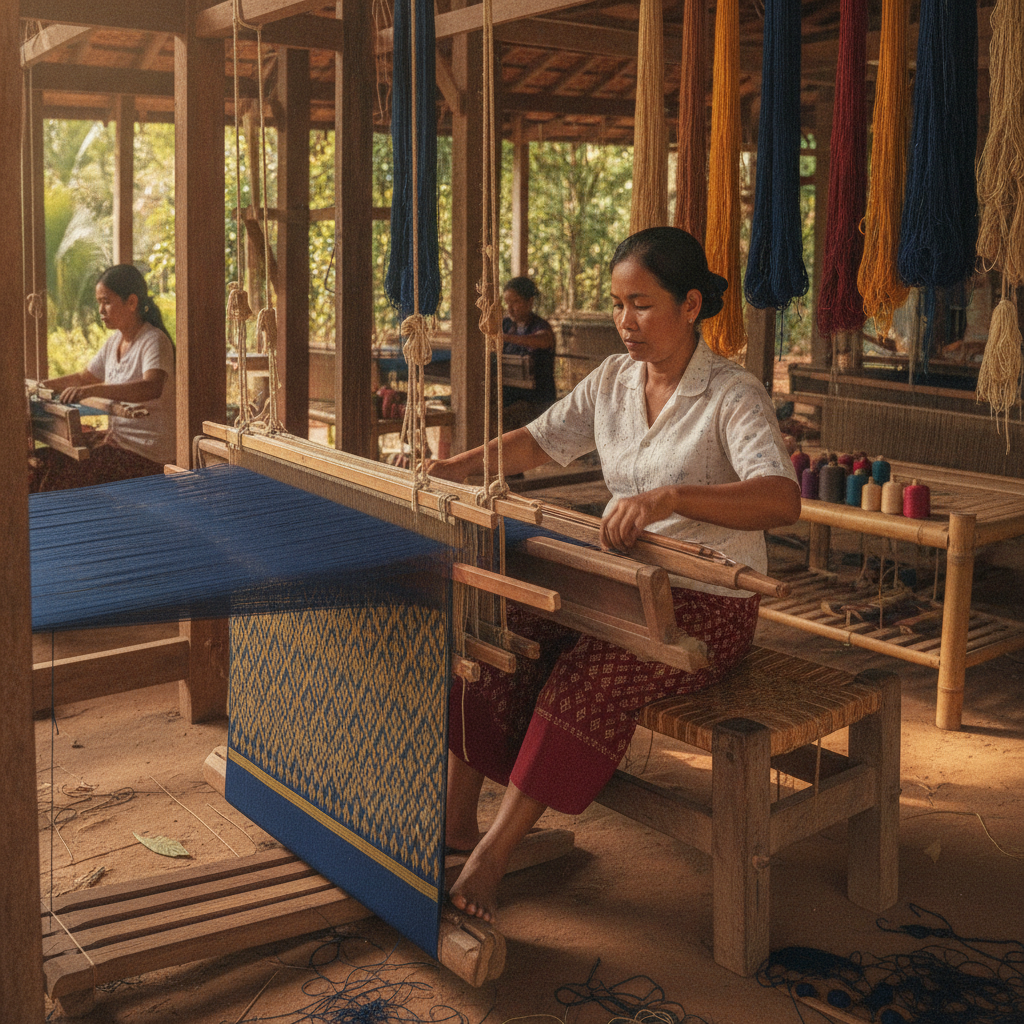
Leaving Siem Reap: Artisans Angkor's Ikat Silk Revival, Buddhist Monks at Dawn & Angkor's Civilisational Weight
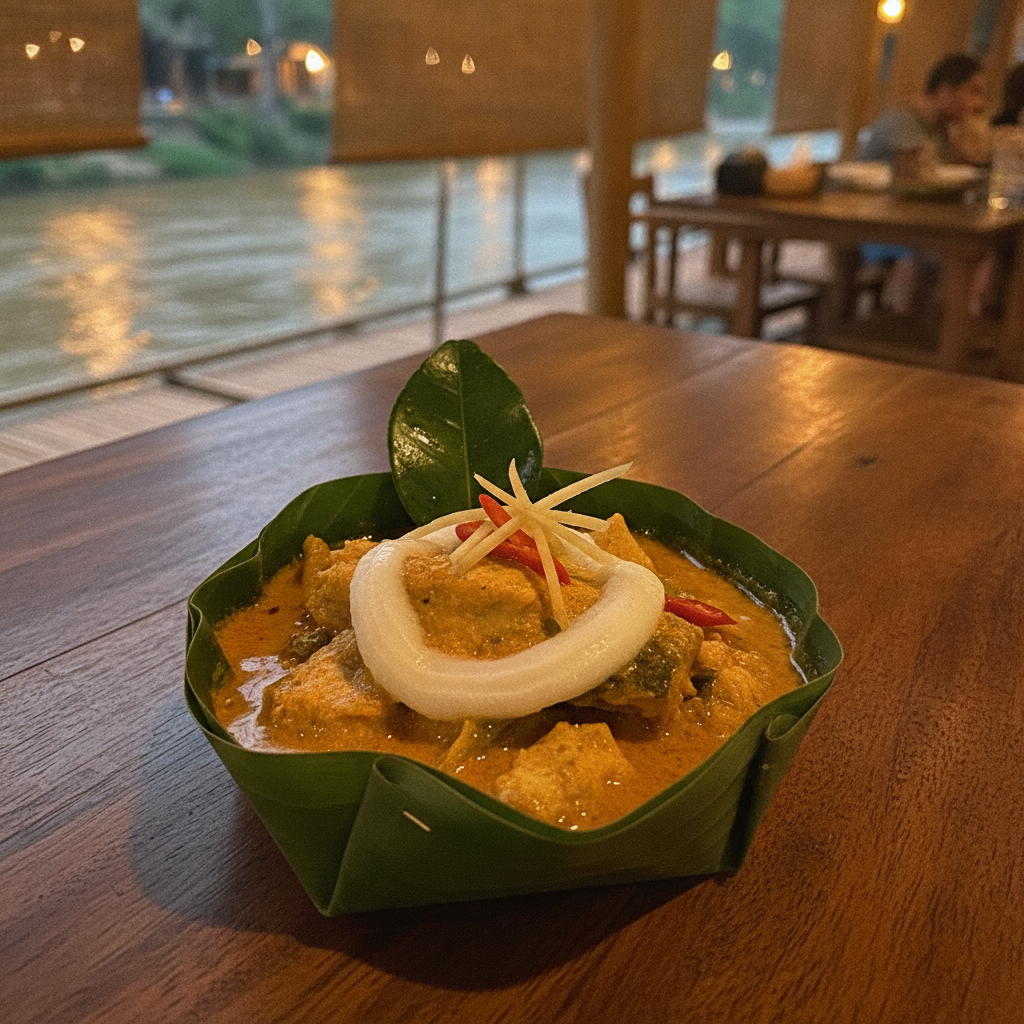
Siem Reap Grounded: Fish Amok and Prahok Fermented Fish, Tuk-Tuk Drivers' COVID Crisis & Bamboo Train to Battambang