Sarajevo Identity: WWI, Bosniak Culture & Film Festival Resilience
Understand why Sarajevo is one of the world's most historically significant cities—the corner where WWI began, the Ottoman and Habsburg layers visible in every street, the Bosniak Muslim identity forged over five centuries, a film festival founded under sniper fire as an act of cultural defiance, and a city actively building interreligious coexistence from the ruins of ethnic war.
- 1
Franz Ferdinand Assassination & WWI Origins
On June 28, 1914, Gavrilo Princip—a 19-year-old Bosnian Serb student and member of the Black Hand secret society—fired two shots at the corner of the Latin Bridge. The assassination of the heir to the Austro-Hungarian throne triggered a chain of ultimatums, mobilisations, and declarations that produced World War I within six weeks. The Museum of Sarajevo 1878–1918 traces the city's Austro-Hungarian period and the events leading to that moment in granular detail.
- 2
Austro-Hungarian Sarajevo – The Imperial City
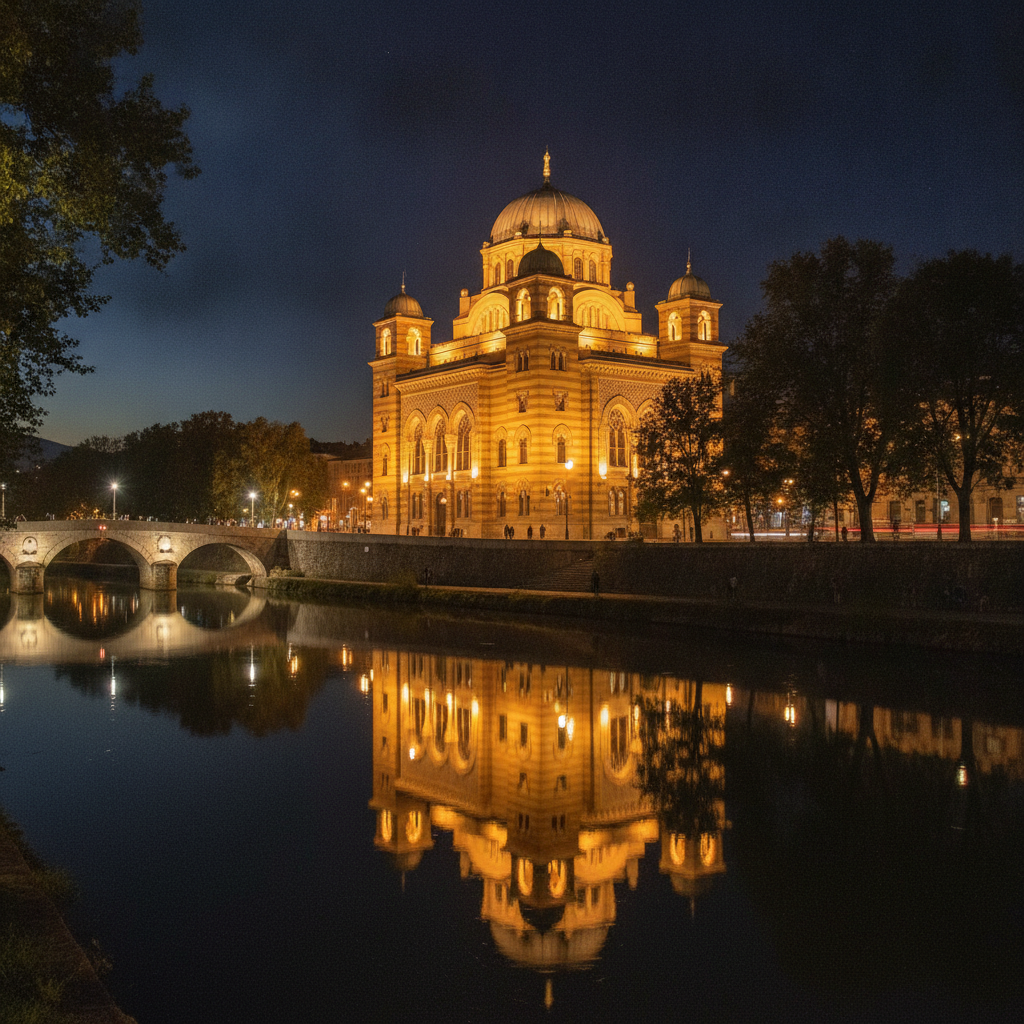
From 1878 to 1918, Austria-Hungary transformed Sarajevo from an Ottoman provincial city into a European capital, building the Vijećnica (National Library), the Cathedral, the Governor's Residence, and a grid of neo-Baroque boulevards alongside the surviving Ottoman Baščaršija. The result is a unique urban palimpsest—Ottoman minarets and Austrian neoclassical facades side by side in the same valley, a visual representation of Sarajevo's layered identity.
- 3
Bosnian Muslim Identity & the Bosniak Nation
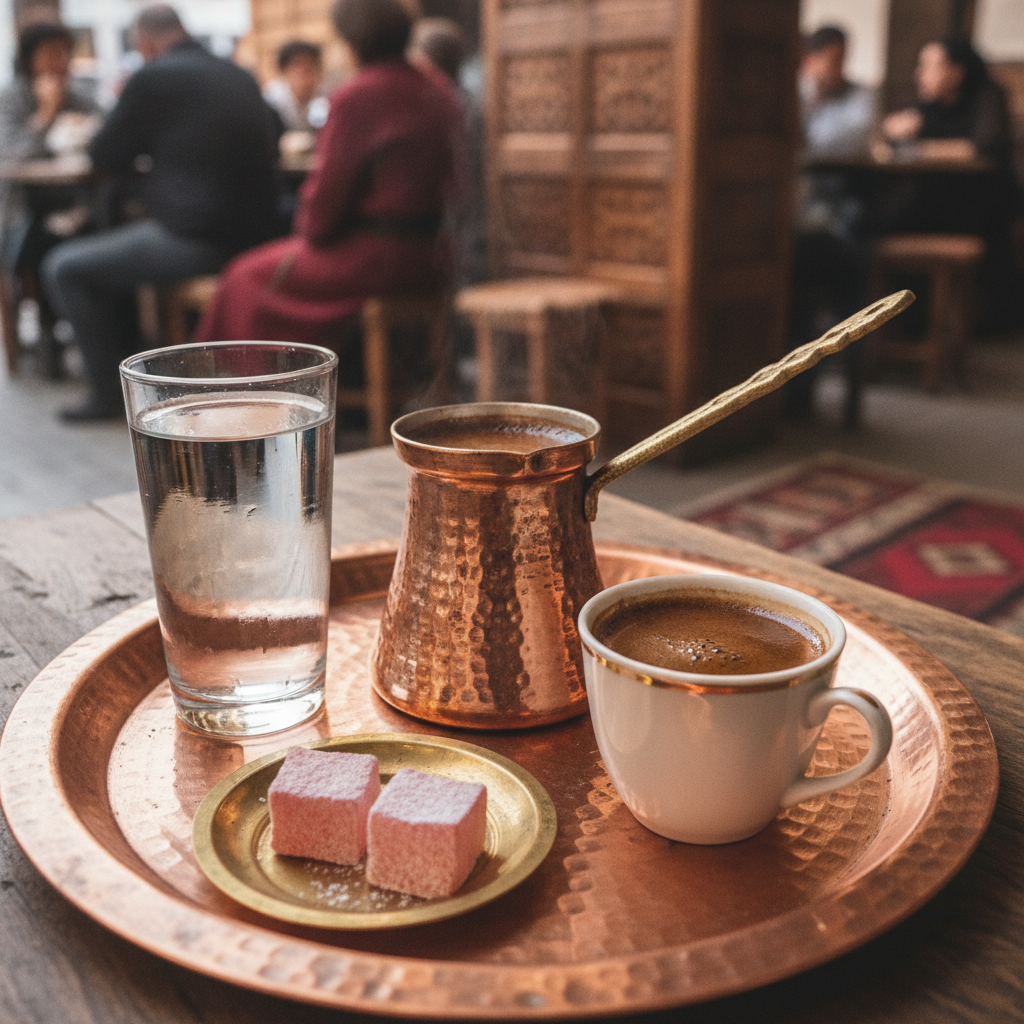
Bosniaks—Bosnian Muslims—are a distinct South Slavic nation whose Islamic identity derives from the Ottoman period (1463–1878). The Bosniak national identity that emerged in the 1990s is secular and culturally Islamic rather than theocratic; Sarajevo's coffee, music, and social culture all reflect an Ottoman-inflected Bosnian identity distinct from both Serbian Orthodox and Croatian Catholic heritage. The Islamic Community of Bosnia is headquartered at Sarajevo's Gazi Husrev-beg Mosque.
- 4
Sarajevo Film Festival – Founded Under Siege
The Sarajevo Film Festival was founded in 1995 during the city's siege—bringing cinema to a besieged population as an act of cultural defiance. Today it is the most important film festival in southeast Europe, running for 9 days each August with over 100,000 tickets sold. International stars and directors attend; screenings take place in the open-air cinema in front of the Vijećnica, the National Theatre, and multiple indoor venues.
- 5
Walking the Snipers' Alley – Zmaja od Bosne
The broad boulevard Zmaja od Bosne ('Dragon of Bosnia')—known as Snipers' Alley during the siege—connected the city to the airport and was one of the most dangerous stretches of road in Europe from 1992 to 1996. Today it is a normal urban boulevard lined with the Unitic Twin Towers and the Holiday Inn (from whose yellow facade journalists reported during the siege). Walking it with knowledge of its wartime role is quietly affecting.
- 6
Interreligious Dialogue & Sarajevo's Future
Sarajevo is one of the few cities in the world actively attempting to model interreligious coexistence after violent ethnic conflict—the Interreligious Council of Bosnia and Herzegovina brings together Muslim, Orthodox, Catholic, and Jewish communities in sustained dialogue. The city's bid for a new, integrated identity—'Jerusalem of Europe' rebuilt rather than forever mourned—is an ongoing project, supported by UNESCO and the EU, that makes Sarajevo one of the most morally significant cities to visit in the 21st century.
Walk this route with audio
Stories play automatically as you reach each stop — no tapping needed.
More in Sarajevo
Sarajevo Day Trips: Mostar Bridge, TITO Bunker & Olympic Skiing
Sarajevo Practical Guide: Airport, Budget & Bosnian Tips
Sarajevo's War: Siege, Tunnel of Hope & Srebrenica Memorial
Sarajevo Essentials: Ottoman Bazaar, Latin Bridge & Four Faiths