Sarajevo on a Plate: Coffee Ritual, Ćevapi & Bosnian Hospitality
Experience Bosnian food culture through Sarajevo—the slow ritual of bosanska kafa coffee in a copper džezva, the city's legendary ćevapi (smaller and beefier than anywhere else), flaky burek from a 4 am bakery, shopping the resilient Markale market, and the overwhelming generosity of Bosnian home hospitality.
- 1
Bosnian Coffee & Café Culture
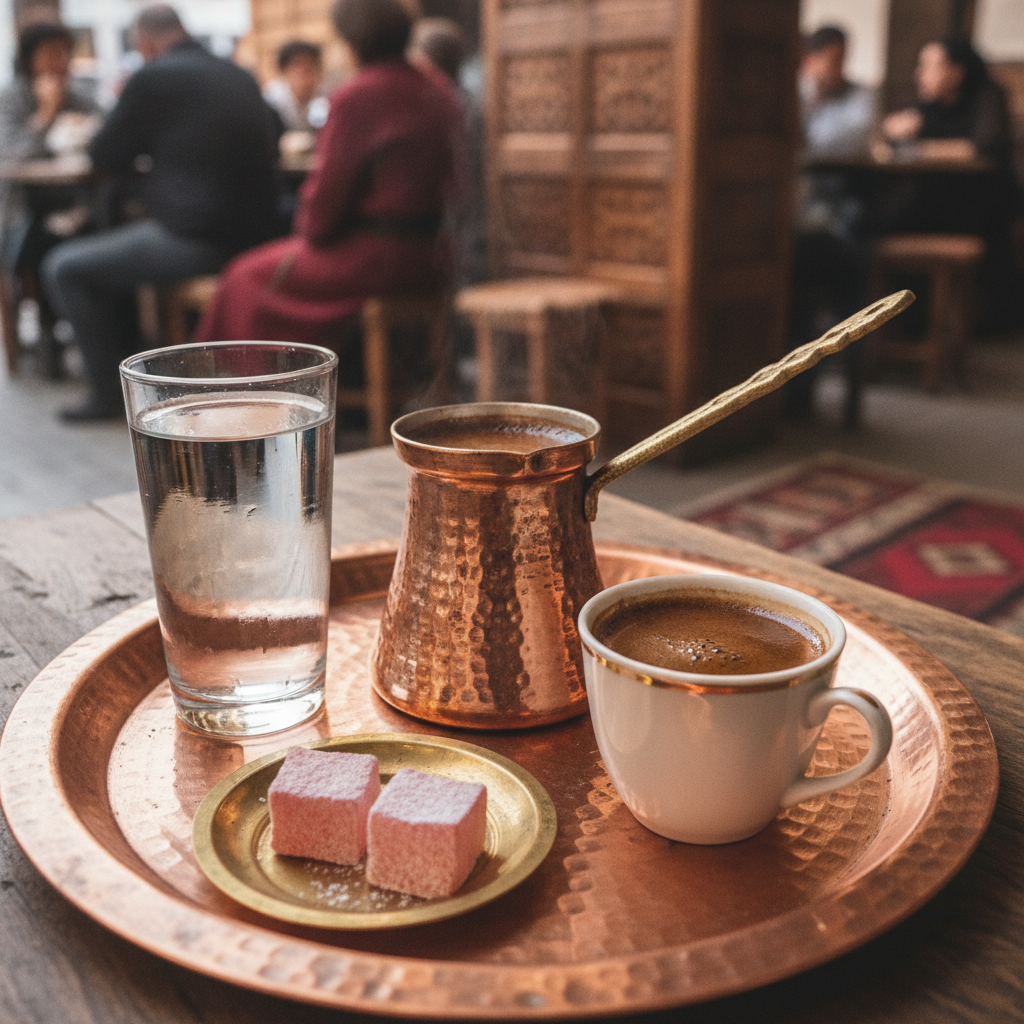
Bosnian coffee (bosanska kafa) is distinct from Turkish or Greek coffee—ground coffee is boiled in a small copper džezva (pot) and served with a cube of sugar (rahat lokum), a small glass of water, and a lokum (Turkish delight). The ritual of drinking coffee slowly, talking, and refilling the džezva is central to Bosnian social life. The Baščaršija's oldest kafanas (Morica Han, To Be or Not To Be) have served coffee in this manner since the 16th century.
- 2
Ćevapi – Bosnia's National Dish
Sarajevo-style ćevapi are different from Serbian versions—smaller, made from a blend of beef and lamb (never pork), served in a lepinja (a soft flatbread) with raw onion, kajmak, and ajvar. The Baščaršija is the world capital of ćevapi; Želvita and Petica Aščinica are the most celebrated institutions. A proper Bosnian lunch involves ćevapi as the main course, followed by a baklava or tufahija (poached apple stuffed with walnuts).
- 3
Burek & Bakery Culture
Burek—flaky filo pastry filled with minced meat, cheese (sirnica), spinach (zeljanica), or potato (krumpiruša)—is Bosnia's most beloved street food, consumed for breakfast and late-night snacks. Sarajevo's pekarne (bakeries) open at 4 am and serve fresh burek from the oven. The twist of pastry spiral, baked in a large round pan and cut to order by weight, is different from all other Balkan versions and fiercely defended by Sarajevans as the original.
- 4
Markale Market & Food Shopping
The Markale open-air market in central Sarajevo was the site of two marketplace massacres during the siege (1994 and 1995) that shocked the world and accelerated international intervention. Today it is a thriving fruit and vegetable market—the best place to buy Bosnian produce including fresh mountain cheese, homemade rakija, dried figs, and forest mushrooms. The market's continuation is its own form of resilience memorial.
- 5
Rakija & Bosnian Spirits
Bosnia produces some of the finest rakija (fruit brandy) in the Balkans—šljivovica (plum), jabučni (apple), and kruška (pear) from Herzegovinian orchards reach 50–60% ABV and remarkable smoothness when properly made. The wine region of Herzegovina around Mostar produces distinctive whites (Žilavka) and reds (Blatina) from grapes grown on limestone terraces in extreme heat. Sarajevo's cocktail bar scene has grown rapidly since 2015.
- 6
Restaurant Scene & Bosnian Hospitality
Sarajevo's restaurant scene combines traditional aščinicas (small Bosnian lunch restaurants serving home cooking from covered pots—jagnjetina (roast lamb), dolma, and tarhana soup) with an increasingly sophisticated café and restaurant culture in the Ferhadija and Mula Mustafe Bašeskije street areas. Bosnian hospitality is legendary—an invitation to a private home typically involves more food than can physically be consumed, plus coffee and rakija regardless of the hour.
Walk this route with audio
Stories play automatically as you reach each stop — no tapping needed.
More in Sarajevo
Sarajevo Identity: WWI, Bosniak Culture & Film Festival Resilience
Sarajevo Day Trips: Mostar Bridge, TITO Bunker & Olympic Skiing
Sarajevo Practical Guide: Airport, Budget & Bosnian Tips
Sarajevo's War: Siege, Tunnel of Hope & Srebrenica Memorial