Sarajevo Practical Guide: Airport, Budget & Bosnian Tips
Plan your Sarajevo visit—connecting flights via Vienna or Istanbul, the historic tram along the Miljacka, one of Europe's most affordable destinations at €4 for a meal, Ottoman han boutique hotels in the Baščaršija, and the practical warmth of Bosnian hospitality that will personally walk you to your destination.
- 1
Sarajevo Airport & Getting Here
Sarajevo International Airport (SJJ) is served by Austrian Airlines, Turkish Airlines, Lufthansa, and Wizz Air from major European hubs. The airport is 12 km from the centre; taxis cost €10–15 (use Yellow Cab or book via app). Bus connections from Belgrade (5 hrs), Split (6 hrs), Zagreb (7 hrs), and Dubrovnik (5 hrs) are the main overland routes. The Sarajevo–Mostar rail line is one of the Balkans' most scenic journeys (2.5 hrs).
- 2
Getting Around Sarajevo – Trams & Walking
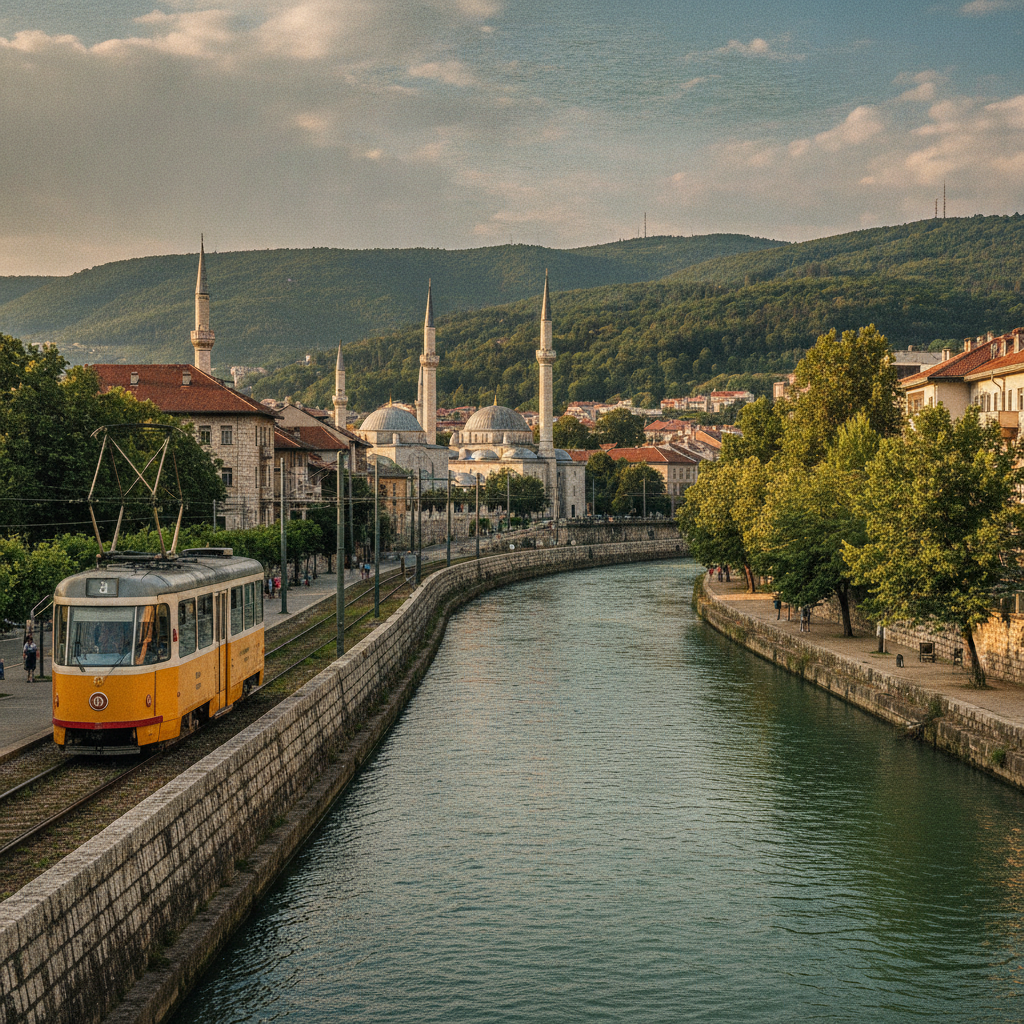
Sarajevo is compact and largely walkable between the Baščaršija and the Austro-Hungarian city centre. Historic trams (including pre-WWII rolling stock still in service) run east–west along the Miljacka river. The funicular to Trebević was destroyed in the war; the new cable car (reopened 2022) replaced it and connects the city centre to the mountain summit in 7 minutes. Taxis are cheap (GoTaxi app recommended).
- 3
Budget Sarajevo – Best Value in Europe
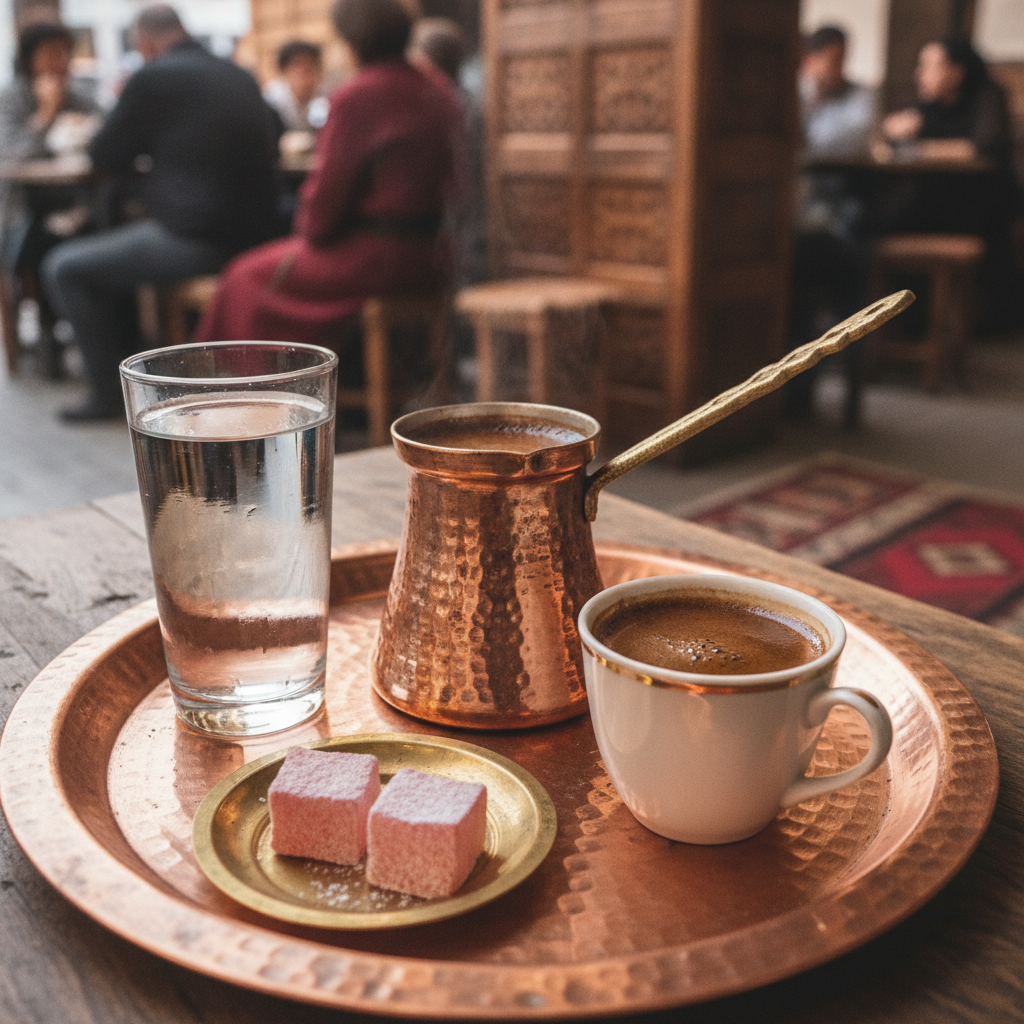
Sarajevo is one of Europe's most affordable destinations. A restaurant meal costs €4–8; a cup of Bosnian coffee €1–1.50; a hostel bed €10–15; a boutique hotel double €35–60. The Baščaršija's coppersmiths sell genuine handmade souvenirs at artisan prices. The city's major historical sites—Latin Bridge, Yellow Bastion views, Vijećnica exterior, the four religious buildings—are free to walk around, with modest entry fees for interiors.
- 4
Accommodation: Baščaršija vs New Town
Staying in the Baščaršija quarter gives immediate access to the mosques, kafanas, and the old town atmosphere—several restored Ottoman hans (inns) now operate as boutique hotels. The Austro-Hungarian city centre (Ferhadija Street area) is slightly more expensive but has better restaurant variety. Ilidža—a spa suburb 12 km west with mineral springs and the famous Vrelo Bosne park—offers a quieter alternative with good bus connections.
- 5
Best Seasons & Sarajevo's Climate
Spring (April–June) is ideal—mild temperatures, the hills green after snowmelt, and before summer heat. July–August is hot (30°C+) but with the Sarajevo Film Festival (the most important in southeast Europe, founded during the siege in 1995) running in August. Autumn (September–October) brings cool hiking weather and excellent local produce markets. Winter (December–March) is cold and snowy—combine city sightseeing with skiing at nearby Jahorina or Bjelašnica.
- 6
Currency, Language & Practical Tips
Bosnia uses the Convertible Mark (BAM), pegged 1:1 to the German Mark and 1:1.956 to the euro—a stable, practical currency. Bosnian, Croatian, and Serbian are mutually intelligible variants of the same language; in practice English is widely spoken among Sarajevo's hospitality and tourism workers. Tipping 10% is appreciated. The famous Bosnian hospitality means that asking locals for directions typically results in being personally walked to your destination.
Walk this route with audio
Stories play automatically as you reach each stop — no tapping needed.
More in Sarajevo
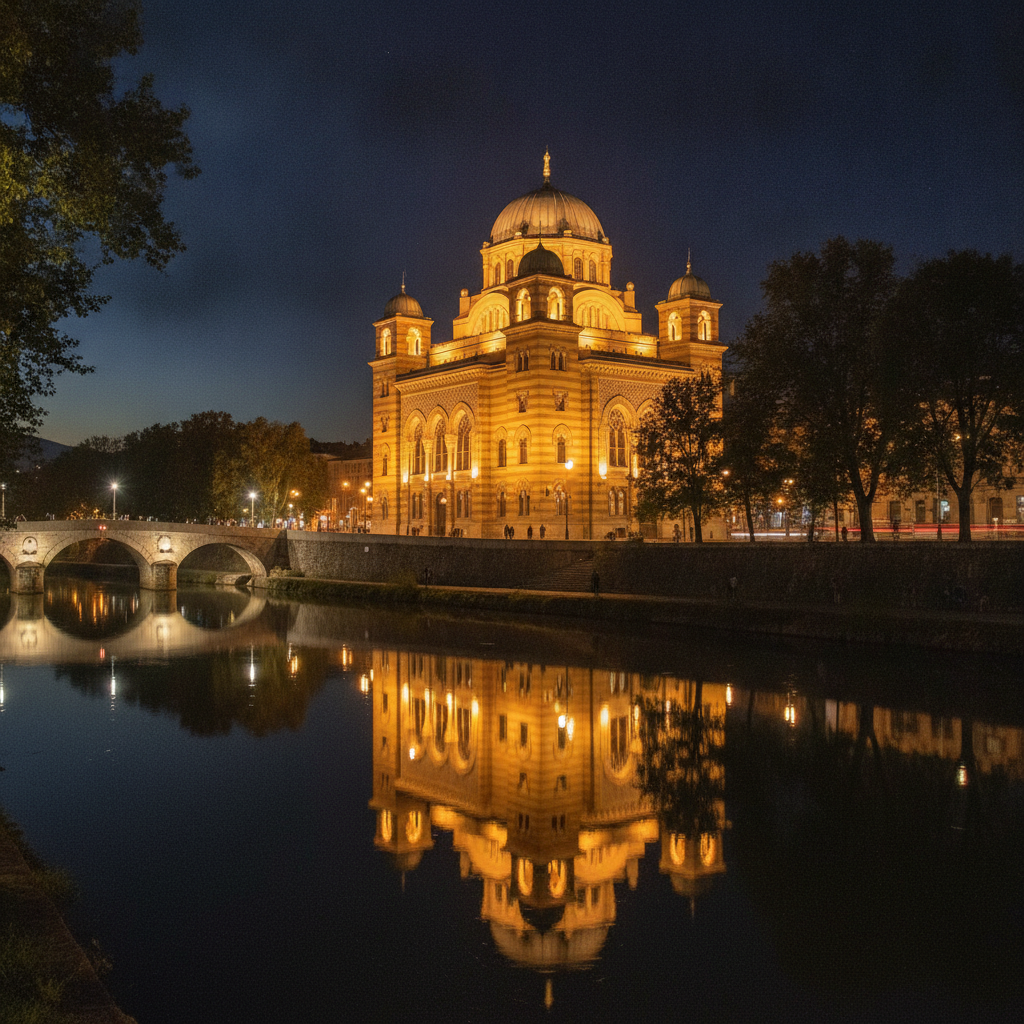
Sarajevo Identity: WWI, Bosniak Culture & Film Festival Resilience
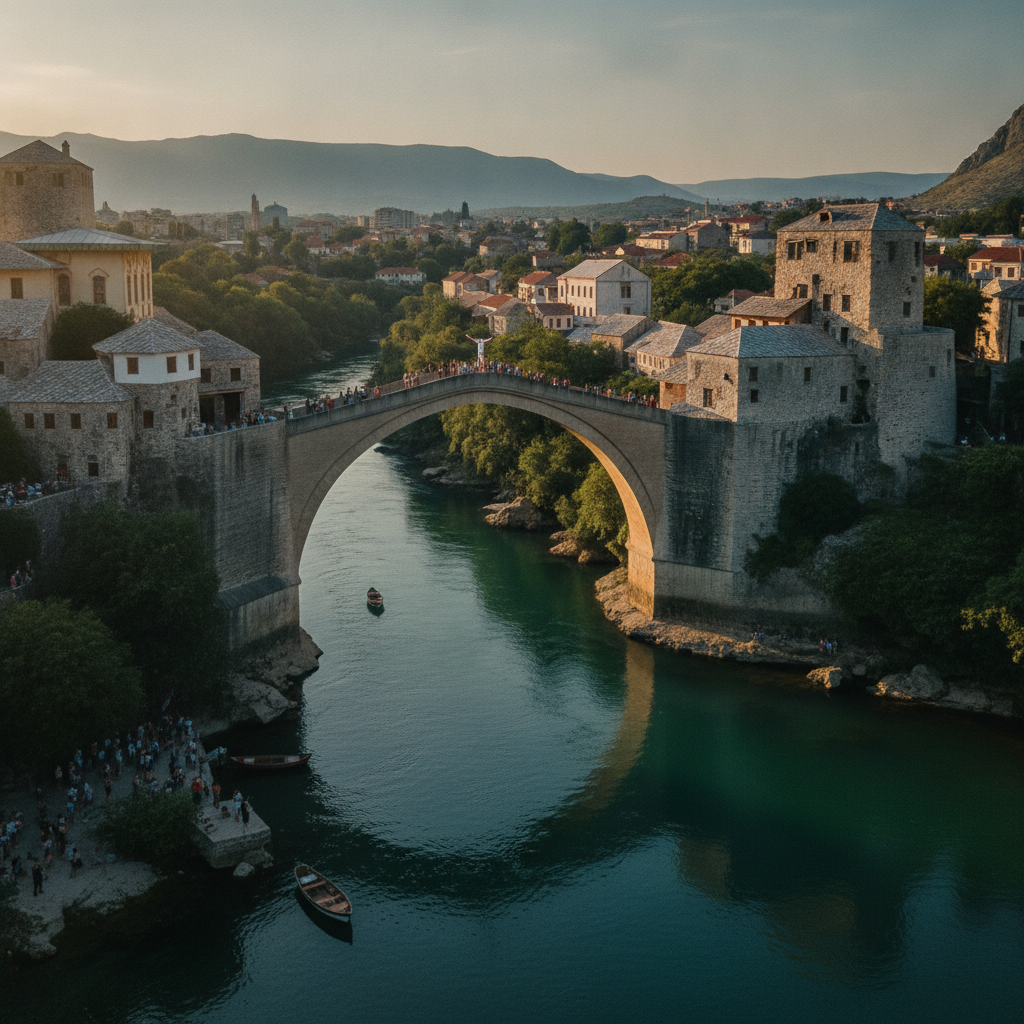
Sarajevo Day Trips: Mostar Bridge, TITO Bunker & Olympic Skiing
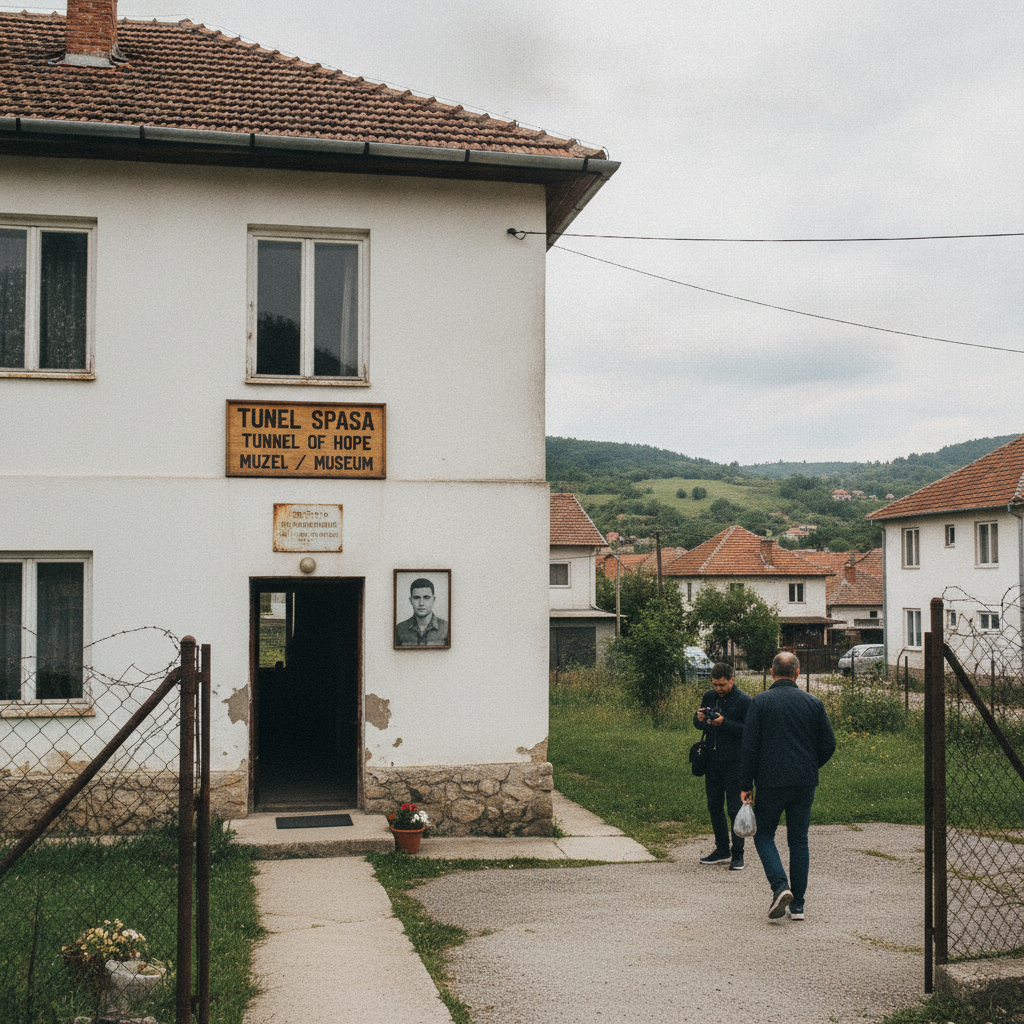
Sarajevo's War: Siege, Tunnel of Hope & Srebrenica Memorial
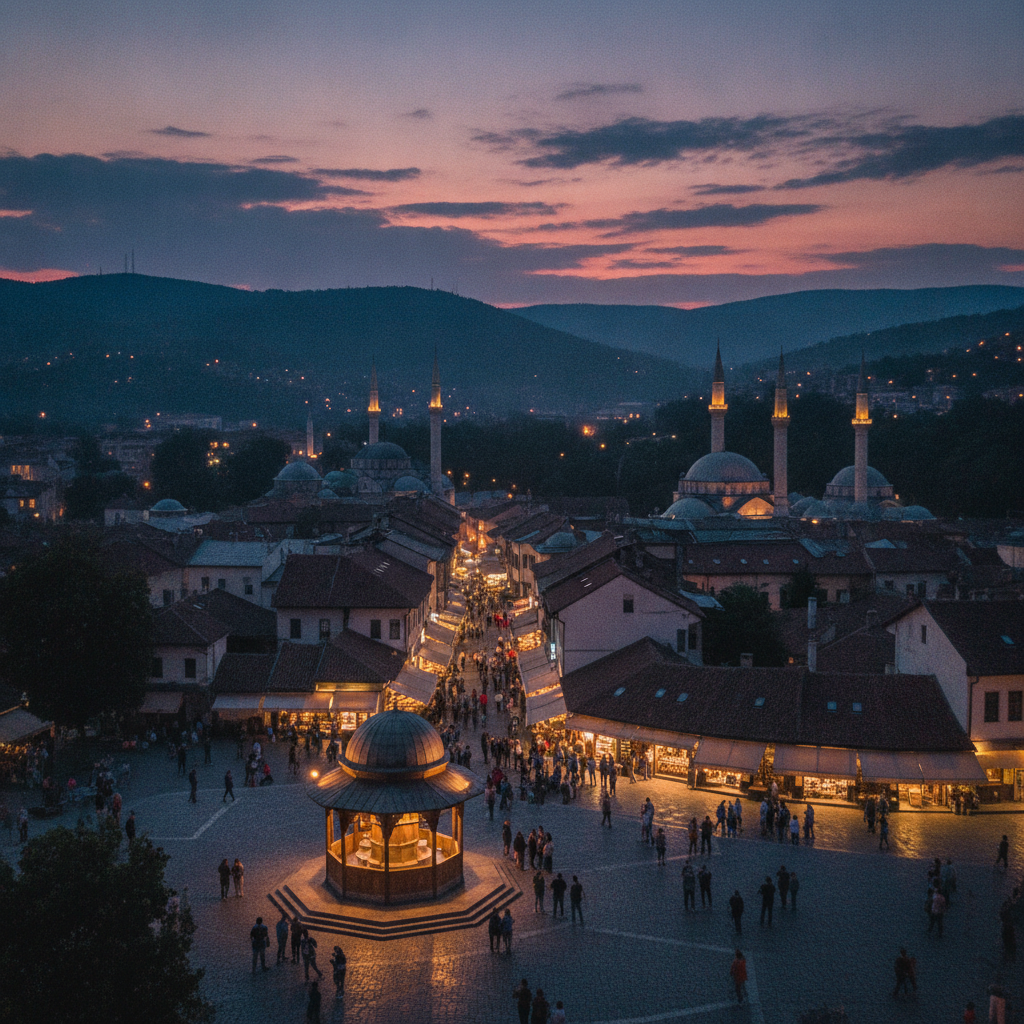
Sarajevo Essentials: Ottoman Bazaar, Latin Bridge & Four Faiths