6 High School Students, 6 Sculptures & 50,000 Visitors Became 400 Sculptures & 2 Million; the Powder Snow Drier Than Utah & the Beer Founded by a Student of German Brewing in 1876
The Snow Festival's Self-Defense Force teams trucking 4,000 tonnes of snow from Teine ski resort to Odori Park for the 15-metre illuminated sculptures; Hokkaido's under-3%-water-content powder snow and the 70% international Niseko visitor proportion from Australia and China; the 1876 Sapporo Beer brewery and the Jingisukan lamb grill as the definitive Hokkaido group dinner experience; Odori Park's 400 lilac trees peaking in mid-May when Tokyo cherry is already finished; the Ginkgo Avenue gold carpet in late October; and the Okurayama 1972 Olympic ski jump platform at 85 metres.
- 1
The Sapporo Snow Festival – Yuki Matsuri
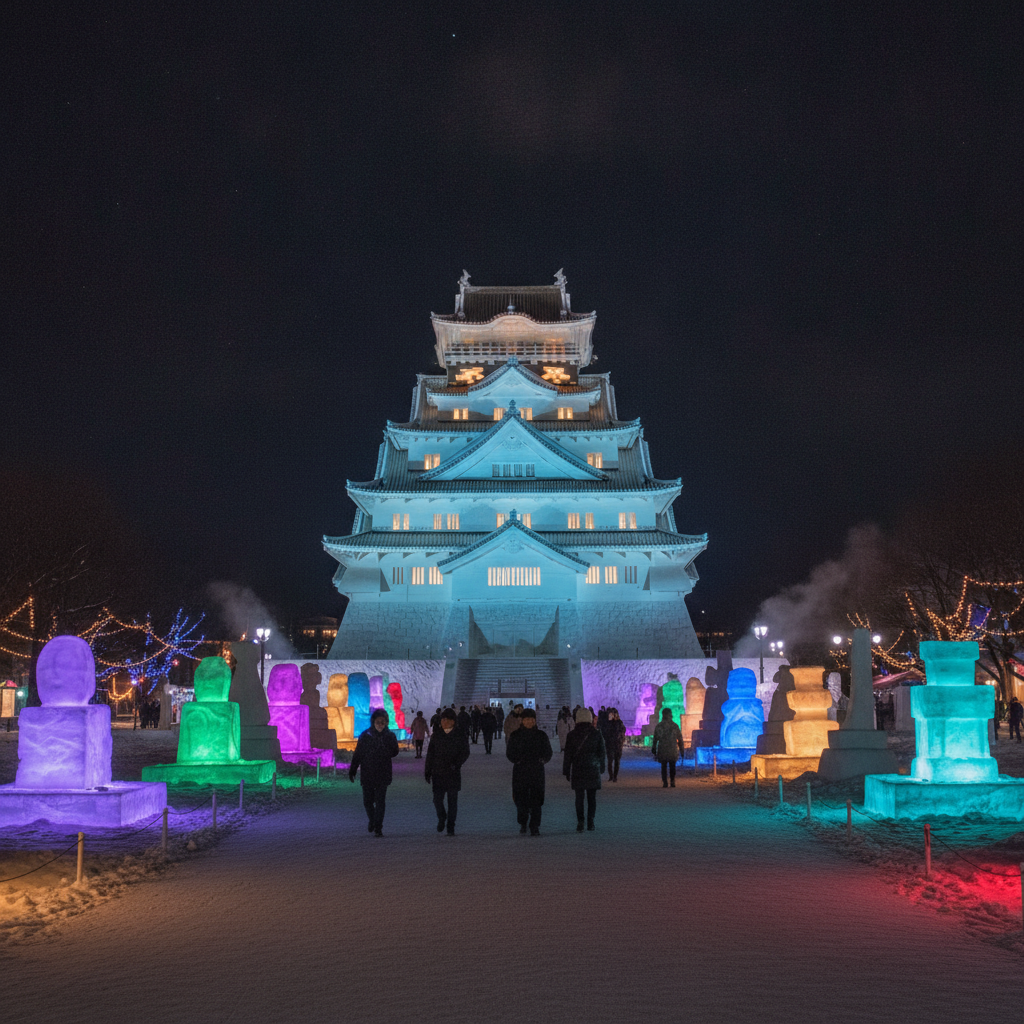
The Sapporo Snow Festival (Yuki Matsuri—held annually over 7 days in early February since 1950; the largest snow and ice sculpture event in the world by visitor count at approximately 2 million visitors during the festival period): the festival's three sites (the Odori Park main site—the 1.5 km park avenue hosting the largest snow sculptures, up to 15 metres tall, carved by Japan Ground Self-Defense Force engineers and international teams; the Susukino Site—the ice sculpture competition on the entertainment district's central street; and the Tsudome Community Dome—the hands-on snow activities dome in the eastern city). The Snow Festival origins: the 1950 inaugural festival was organized by 6 Sapporo high school students who built 6 snow sculptures in Odori Park—the event attracted 50,000 visitors; the same event now attracts 2 million visitors and approximately 400 large-scale sculptures. The large-scale sculpture programme: the Self-Defense Force sculpture teams (approximately 1,000 SDF personnel participate in constructing the major sculptures—the snow is trucked in from the Teine ski resort area because central Sapporo's snow is too fine and dry to pack into the large blocks required): the largest sculptures require approximately 4,000 tonnes of snow and 5 days of construction. The viewing strategy (the sculptures are illuminated at night until 22:00: the most atmospheric viewing is from 18:00–20:00 when the illuminated sculptures are visible against the dark sky and the crowd has partially thinned from the peak daytime volume).
- 2
Hokkaido's Powder Snow – Best Ski Terrain in Japan
Hokkaido's powder snow (the Hokkaido winter snowfall—the cold, dry Siberian air crossing the Japan Sea picks up moisture and deposits extremely light, dry powder snow when it meets the Hokkaido mountains; the annual snowfall at Hokkaido's mountain ski resorts averages 12–16 metres, of which approximately 30–40% falls as powder snow of under 3% water content—drier powder than Utah, Colorado, or the Alps): the global reputation of Hokkaido powder (particularly at Niseko and Rusutsu) has made Hokkaido the most sought-after non-Alpine ski destination in the world for powder skiing enthusiasts. Niseko (the most internationally known Hokkaido ski destination—the Grand Hirafu, Hanazono, Niseko Village, and Annupuri resorts sharing the interlinked Mt. Yotei view ski area; the most visited Japan ski resort by international visitors, with approximately 70% of international visitors coming from Australia and China): Niseko Grand Hirafu is 90 minutes from Sapporo by Hokkaido Expressway Bus. Rusutsu (the family-focused resort 50 km northeast of Niseko—the largest ski terrain in Hokkaido at 3 interconnected mountains; the most undervisited premium Hokkaido ski resort relative to its terrain quality). The Sapporo ski resorts (the resorts within city limits—Sapporo Teine (the 1972 Winter Olympics Alpine venue, 40 minutes by bus from Sapporo Station), Moiwa (10 minutes from the city center by cable car from Maruyama), and Kokusai (the night ski specialist, 25 minutes from central Sapporo)): the Sapporo within-city ski area is the largest urban ski area in Japan.
- 3
Sapporo Beer & the Brewery Culture
The Sapporo Brewery (the oldest brewery in Japan, established in 1876 by Seibei Nakagawa—the Japanese chemist who studied beer brewing in Germany and returned to Hokkaido to establish the first modern brewery in Japan): the Sapporo Beer Museum (the red-brick museum in the original 1890 brewery building in the Kita-ku district—the most comprehensive beer history museum in Japan, covering the 150-year history of Sapporo Beer from the 1876 founding to the contemporary international brand). The brewery tour: the Sapporo Beer Garden and Museum (the garden restaurant and the museum occupy the same 1890 red-brick building complex): the Sapporo Beer Garden is one of Japan's most popular restaurant complexes for group dining (the Genghis Khan (Jingisukan) all-you-can-eat and all-you-can-drink sets—the lamb and vegetables cooked on the domed cast-iron grill with fresh Sapporo Beer draft): the Sapporo combination of beer and Jingisukan is the definitive Hokkaido food experience for Japanese domestic visitors. The Hokkaido craft beer scene (the Sapporo area craft beer movement—beyond the Sapporo Beer brand, the Hokkaido craft beer community includes Hokkaido Brewing (the Otaru-based craft brewery), the Sapporo Classic (the Hokkaido-limited Sapporo Beer label available only in Hokkaido, consistently rated better than the standard Sapporo by Japanese beer enthusiasts), and the weekly craft beer market at the Sapporo Factory shopping mall).
- 4
Odori Park – The City's Central Spine
Odori Park (the 1.5 km east-west park running from TV Tower to the Hokkaido University western approach through the center of Sapporo—the most important public space in Hokkaido and the organizing axis of the Sapporo grid plan developed by American agricultural advisors Horace Capron and Edwin Dun in the 1870s): the park is the site of Sapporo's major annual events (the Snow Festival in February, the Lilac Festival in May, the Sapporo Summer Festival in July–August, the Sapporo Autumn Festival in September–October, and the Munich Christmas Market in December). The TV Tower (the 147-metre observation tower at the Odori Park eastern end—the observation deck at 90 metres provides the most complete view of the Sapporo grid street plan and the surrounding Hokkaido mountain skyline): the tower is the most recognizable landmark in Sapporo and the standard reference point for navigating the city center. The Odori Park flower calendar: the lilac (the Sapporo lilac—the city flower, planted extensively in Odori Park; peak bloom in mid-May; Sapporo's high latitude means the lilac blooms 3–4 weeks after Tokyo's sakura, providing a reliable late-spring flower destination for Tokyo visitors who miss the cherry blossom): the Lilac Festival (mid-May, the period when 400+ lilac trees in Odori Park are in simultaneous bloom—the most fragrant public park event in Japan by concentration of scent).
- 5
Hokkaido University – Green Campus & Ginkgo Avenue
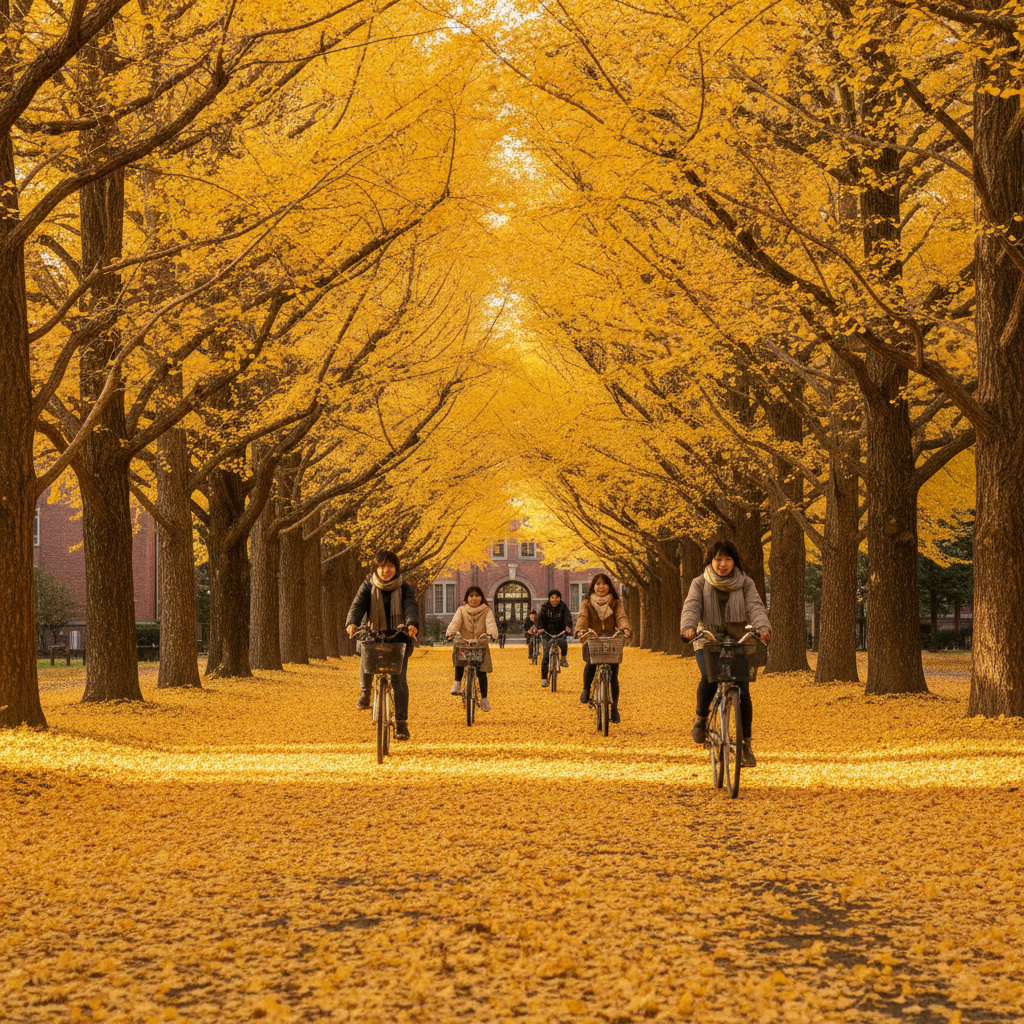
Hokkaido University (the university established in 1876 as the Sapporo Agricultural College under the direction of William Smith Clark, the Massachusetts agricultural scientist whose departure speech ('Boys, be ambitious!') is the most quoted foreign phrase in the history of Japanese education): the 177-hectare central campus in northern Sapporo contains some of the most impressive urban green space in Japan. The Ginkgo Avenue (the Icho namiki—the central campus avenue lined with 70 ginkgo trees planted in 1939; the avenue turns a uniform golden yellow in late October and early November, with the fallen leaves creating a gold carpet beneath the trees): the most photographed campus autumn scene in Japan and one of the most photographed ginkgo avenues in the world. The botanical research farm (the Hokkaido University Research Farm—the 250-hectare experimental farm in the center of the campus, including Japan's most complete preserved Meiji-era agricultural research buildings—the Sapporo Agricultural College's original timber-frame lecture halls and laboratories (1878–1880) are the oldest university buildings in Japan after Tokyo Imperial University): the farm area is open to the public as a green park. The Clark Memorial (the statue of William Smith Clark at the Hokkaido University main gate—the 1 in 3 chance of meeting a Sapporo school trip that is being photographed with the Clark statue on any given weekday morning). The Hokkaido University Museum (the natural history museum in the university's original 1872 building—the most complete Hokkaido natural history collection, including the prehistoric Mammoth specimens from the Hokkaido permafrost excavations).
- 6
Sapporo Practical – Getting There & City Layout
Sapporo's logistics are more complex than most Japanese cities of its size because the city has two major airports serving different purposes, and the ski resort extensions require specific transport planning. Sapporo's airports: New Chitose Airport (the main airport, 40 minutes from Sapporo Station by JR Airport Express—the 'Airport Rapid' running every 15 minutes; ¥1,150; the airport serves all domestic ANA and JAL routes plus international routes from across Asia and seasonal services from Australia): the main gateway for the Sapporo ski resort market. Okadama Airport (the small domestic airport 5 km from the city center, serving ANA CONNECT and regional airlines only—the most convenient for travelers coming specifically to Sapporo city without resort ambitions): Okadama is 20 minutes by bus (¥210) from the city center. The Sapporo subway system (the 3 subway lines—the Namboku, Toho, and Tozai lines—covering all major city attractions in a simple grid): the Namboku Line from Odori to Susukino (3 minutes) is the single most-used subway segment in Hokkaido. The Sapporo city card (the IC card system—SAPICA (the Sapporo-specific IC card) or the national Suica/PASMO accepted on all Sapporo transit including the subway, streetcar, and Sapporo city bus): the most convenient payment method for all in-city transport. The Winter Olympic legacy (Sapporo hosted the 1972 Winter Olympics—the first Winter Olympics in Asia; the Okurayama Ski Jump, the Makomanai Indoor Rink, and the Teine Alpine Course are the surviving venues, with the Okurayama venue now offering a ski jump observation experience (¥1,000 to ride the chairlift to the 85-metre jump platform)).
Walk this route with audio
Stories play automatically as you reach each stop — no tapping needed.
More in Sapporo
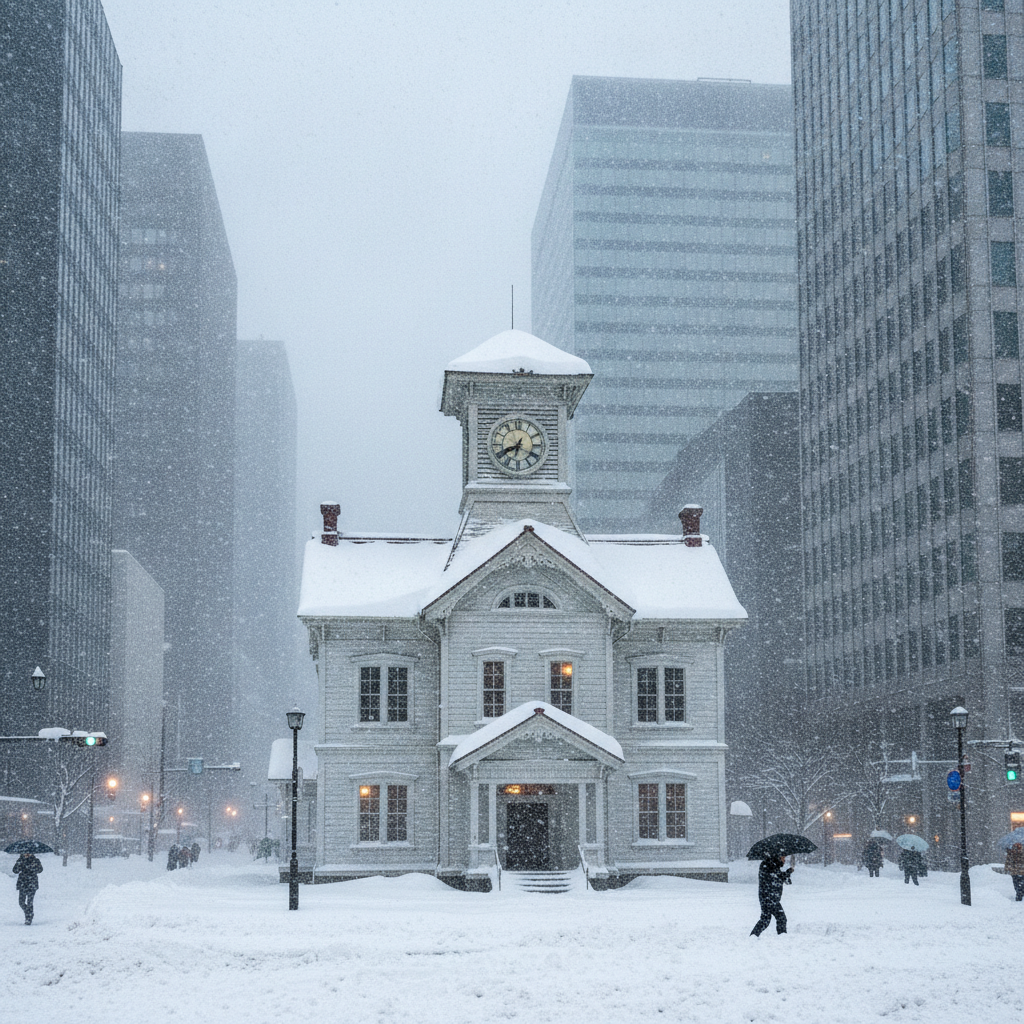
The Clock Tower Ranked Japan's Most Disappointing Sight That Is Actually a Genuinely Important Building, the 90-Minute Curling Introduction & Bernstein's Festival That Brought 350 Musicians From 40 Countries
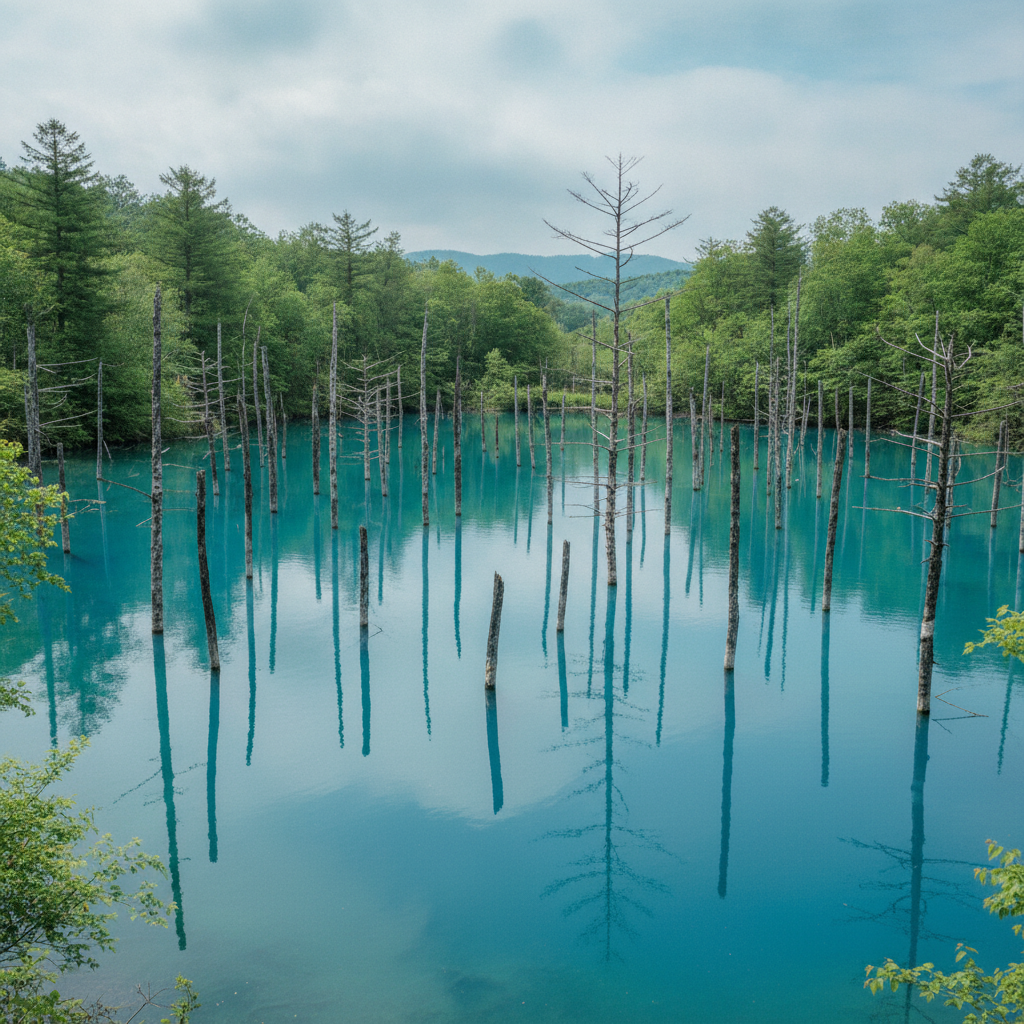
The Australian Snowboarders Who Found the Powder in 2001 & Made It Japan's Most Expensive Real Estate by 2023, the September Colour That Beats Tokyo's by 6 Weeks & the ¥200,000 Melon
The Pacific Music Festival That Bernstein Started, the Salmon Running Through Central Sapporo in October & the Powder Snow That's Decreased From 40% to 30% of Winter Days Since 1980
The Accidental Miso Drip That Created a Ramen Style, the Sea Urchin Whose Sweetness Peaks in August & the Summer Beer Garden That Runs the Full 1.5 Kilometres of the Park