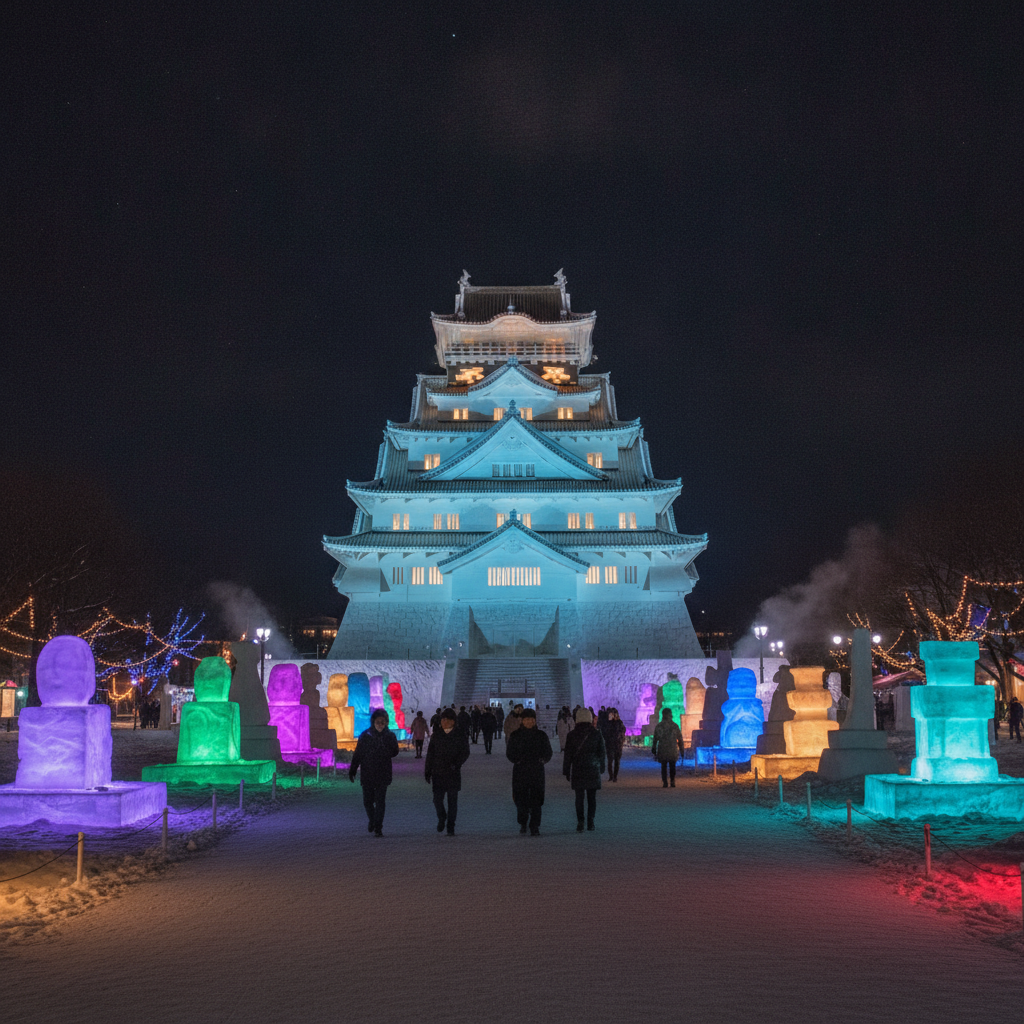
The Clock Tower Ranked Japan's Most Disappointing Sight That Is Actually a Genuinely Important Building, the 90-Minute Curling Introduction & Bernstein's Festival That Brought 350 Musicians From 40 Countries
The Hoheikan's 1881 Emperor Meiji stay as Hokkaido's oldest surviving Western-style government guesthouse; the Tanuki-koji's 1869 continuous operation and the Sapporo underground Aurora Town network connecting 3 subway stations under cover; wakasagi ice fishing in heated tents over lake ice holes; the PMF's 40-country musician-students and the outdoor Kitara concert in darkening Nakajima Park; and the 3-day Sapporo itinerary with Option A (Otaru Canal + sake) versus Option B (one Niseko ski day on the Grand Hirafu) as the Day 3 decision.
- 1
Nakajima Park & Sapporo's Green Lung
Nakajima Park (the 36-hectare city park in the Shiroishi-ku district south of Susukino—the park containing the Hoheikan (the 1880 Meiji-era wooden state guesthouse—one of the earliest Western-style official buildings in Japan, built for visiting Imperial dignitaries; now a public museum), two landscaped ponds with boating in summer and ice skating in winter, and the Kitara Concert Hall): the most complete multi-season urban park in Sapporo. The Hoheikan (the white painted wooden 2-story building in the French neo-classical style—the first Western-style guesthouse in Hokkaido, where Emperor Meiji stayed during his 1881 Hokkaido inspection tour): the building is the oldest surviving Western-style government building in Sapporo. The park water features: the Daikoku-ike and Hasu-ike ponds (the two landscaped ponds with the rowing boat rental in summer (June–September; ¥600/30 minutes); the ice surface converted to a free public ice skating area in winter (December–February; skate rental available); the lotus bloom on the Hasu-ike pond in July–August). The PMF (Pacific Music Festival) in Nakajima Park (the July educational classical music festival that Bernstein founded: the outdoor concert in Nakajima Park on the final weekend of the month-long festival programme—the most atmospheric outdoor classical performance in Hokkaido, with the Kitara Concert Hall's glass facade illuminated behind the outdoor stage as darkness falls over the park).
- 2
The Sapporo Clock Tower & Meiji History
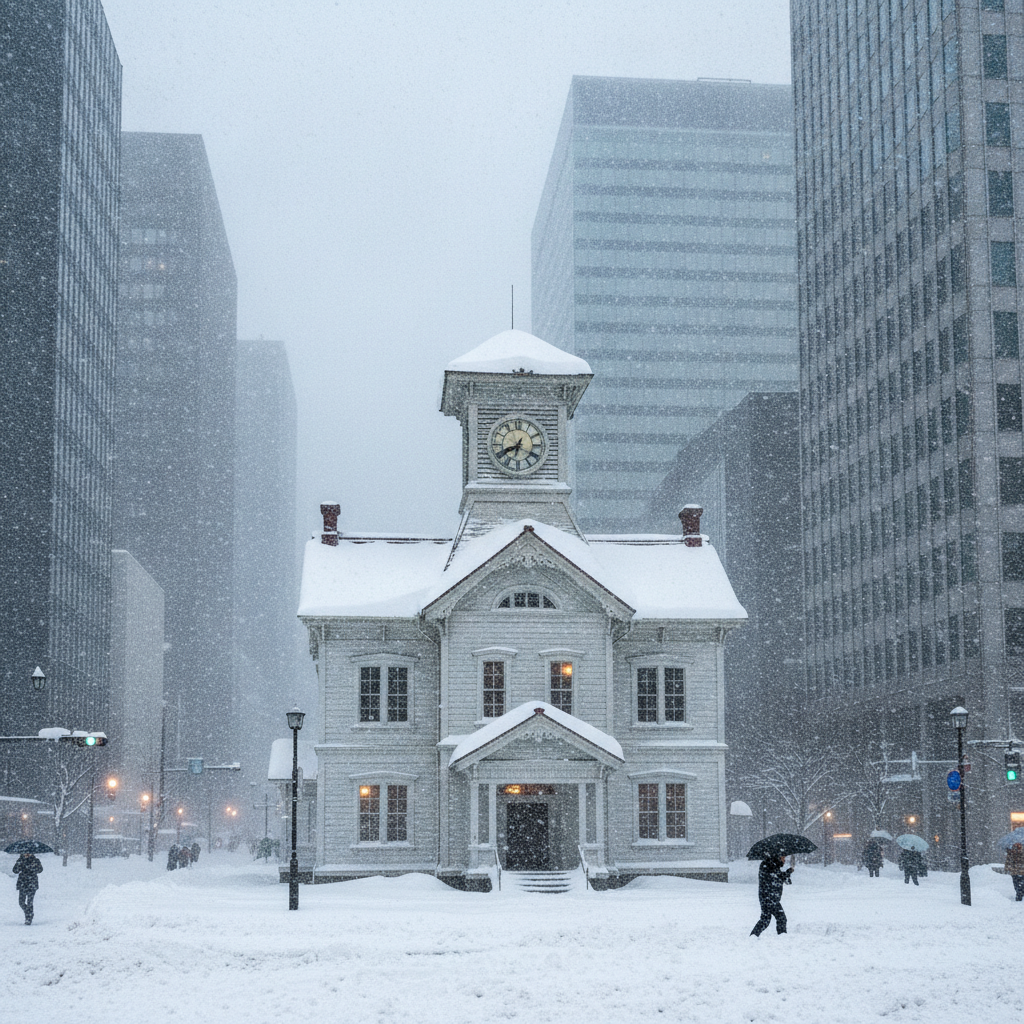
The Sapporo Clock Tower (the Tokeidai—the 1878 wooden building in the American style, originally the drill hall for the Sapporo Agricultural College, containing a Seth Thomas clock tower added in 1881—the symbol of Sapporo and Hokkaido's most famous landmark, even though it is consistently ranked among Japan's 'most disappointing sightseeing spots' in online polls (the disappointment comes from the expectation created by promotional imagery versus the reality of a modest 2-story wooden building surrounded by modern office blocks): the building's significance is historical rather than visual—it is the oldest clock tower in Japan and one of the oldest surviving Meiji-era educational buildings in the country). The Clark connection (the Sapporo Agricultural College's first director William Smith Clark: the American agricultural scientist who served as the college's founding president in 1876–1877 and whose 'Boys, be ambitious!' farewell speech is the most quoted educational motto in Japan): the William S. Clark statue near the Hokkaido University main gate and the Clark Memorial Museum in the clock tower area are the primary Clark-related heritage sites. The Former Hokkaido Prefectural Government Building (the Aka-Renga—the 1888 red-brick American Romanesque government building in the park across from Odori—the most photogenic Meiji-era building in Sapporo and the standard backdrop for Sapporo tourist photographs): open daily; free; the garden in front of the building includes a rose garden that blooms in June.
- 3
Shopping in Sapporo – Tanuki-koji & Aurora Town
Sapporo's shopping landscape combines the most complete underground shopping network in Japan (the Sapporo Chika Tetsudō—the underground pedestrian network connecting Sapporo Station to Odori Station to Susukino through a 500-metre underground shopping street called the Sapporo Aurora Town and Pole Town) with the historic Tanuki-koji covered shopping arcade. The Tanuki-koji (the covered shopping arcade running from Nishi 1-chome to Nishi 7-chome in the city center—the oldest continuously operating covered shopping street in Sapporo, in operation since 1869 (the same year the Hokkaido development programme began): the arcade's 200+ shops include the Sapporo Tanuki-koji Famous Shops (the historic shopkeepers who have maintained their specific product categories for 3+ generations), the souvenir shops selling Hokkaido produce, and the game arcade that is the most popular teenage destination in the city center). The Sapporo Factory (the former Sapporo Beer factory complex converted to a shopping and entertainment center in 1993—the red-brick brewery buildings now house a shopping mall, a cinema, and the largest indoor greenhouse in Sapporo; the Atrium—the large glass-roofed central space inside the original factory building): the most architecturally interesting shopping destination in Sapporo. The Sapporo Station underground (the JR Tower Stellar Place and APIA shopping levels below and above Sapporo Station—the highest concentration of retail space in Hokkaido and the only shopping in Japan where you can buy the full range of Hokkaido produce without leaving the station building).
- 4
Sapporo's Winter Sports Beyond Skiing
The Sapporo winter sports scene extends well beyond the ski resorts into a range of activities that are specifically Sapporo-flavoured. Ice fishing (the Lake Shikotsu and the Shikotsuko Cho area winter ice fishing—smelt (wakasagi) ice fishing on the frozen lake surface using portable heated tents set over holes drilled through the ice; available from late December through February; organized tours from Sapporo with ice drill rental included): the most accessible Hokkaido winter outdoor activity for non-skiers. Snow shoeing (the Nakajima Park, Maruyama Park, and the Ōkurayama forest snow shoe routes maintained by the Sapporo Parks Bureau from December through March—the forest snow shoe circuits (1–3 km) are free to access with rental snowshoes available from the park visitor centers at ¥500/2 hours): the most accessible winter nature experience within the Sapporo city boundary. The Tsudome Community Dome (the hands-on snow activities venue at the Snow Festival's third site—giant snow slides, snow sculptures hands-on making, and the children's snow play area; the dome structure keeps participants warm while the outdoor snow activities proceed): the most family-appropriate Snow Festival venue. The Curling at the Sapporo Curling Hall (the recreational curling sessions—the Olympic sport that most directly benefits from Sapporo's winter culture; the 90-minute introduction session for visitors at ¥1,500 with ice-time and brooms): the fastest route to understanding why Hokkaido produces more national curling champions than any other region in Japan.
- 5
Sapporo's Music Festivals – Summer to Winter
The music festival calendar is the most comprehensive of any Japanese city outside Tokyo and Osaka—reflecting the combination of the large university population, the significant venue infrastructure, and the outdoor event culture that Hokkaido's summer weather supports. The Pacific Music Festival (PMF—July: the annual educational classical music festival established by Leonard Bernstein and the Sapporo city in 1990; the most prestigious classical music education programme in Asia; 350 musician-students from 40 countries attend the month-long programme, studying under faculty from the world's leading orchestras; the public concerts at Kitara Concert Hall and the outdoor PMF Park venue in Nakajima Park are the most anticipated classical events in Hokkaido): ticket prices ¥1,000–5,000. The Sapporo City Jazz (August: the main annual jazz festival in Sapporo—the 3-day festival with 40+ concerts across 5 venues including Odori Park outdoor stages and the concert halls): the most accessible version of Sapporo's serious jazz culture. The Sapporo International Short Film Festival (SSFF & Asia—the Oscar-qualifying international short film festival held in late October/November in Sapporo): the most internationally significant film event in Hokkaido. The Snow Festival Music Events (February: the concerts and DJ events organized as part of the Snow Festival programme—the outdoor stages in the Snow Festival Tsudome site and the indoor venues in Susukino): the most unusual combination of outdoor music and snow sculpture in the world festival calendar.
- 6
The Complete Sapporo Itinerary – 3 Days & Extensions
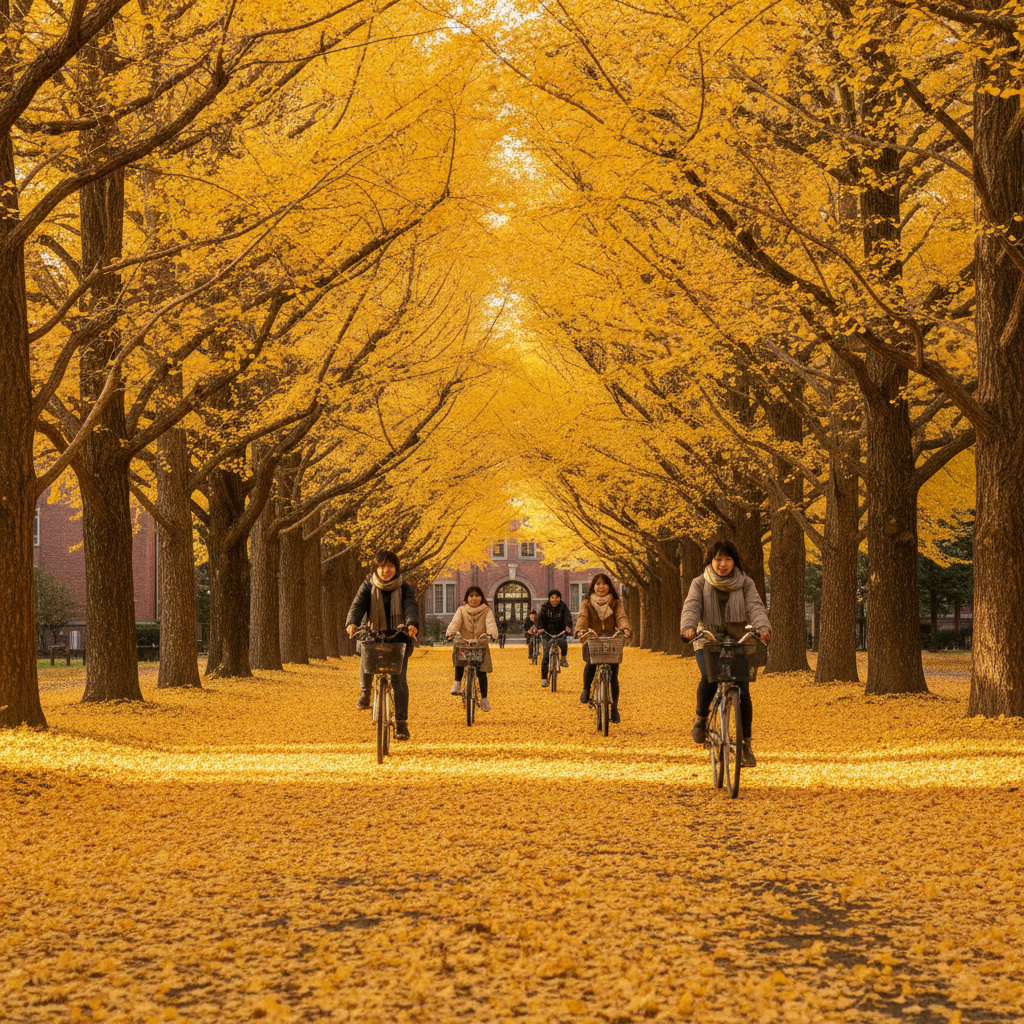
The optimal Sapporo itinerary structures the city's major experiences across 3 days with clear extension options for the surrounding Hokkaido. Day 1 (the city core): Sapporo Clock Tower and Former Government Building in the morning; the Sapporo Beer Museum in the midday (brewery tour + Jingisukan lunch); Odori Park TV Tower observation and the Sapporo underground shopping in the afternoon; Susukino Ramen Yokocho for dinner at 21:00. Day 2 (the outer circuit): Ōmi-chō Ichiba Market breakfast at 08:00; Hokkaido University Ginkgo Avenue walk (30 minutes); Pioneer Village by bus (allow 2 hours); Maruyama Shrine and Mount Maruyama climb in the afternoon; Nakajima Park evening. Day 3 extension option A (Otaru): the 08:30 JR Hakodate Line train (30 minutes); Otaru Canal morning (09:00–11:00); Kitaichi Glass and Sakaimachi Street (11:00–13:00); Otaru fish market lunch; Tanaka Sake tasting; return to Sapporo by 16:00 for the Susukino evening circuit. Day 3 extension option B (Niseko or Furano in winter/summer respectively): the Hokkaido Expressway Bus to Niseko (90 minutes; ¥2,000); one ski day on the Grand Hirafu; return by 19:00 bus to Sapporo. The 5-day extension: adding Lake Toya and Noboribetsu Onsen south of Sapporo for the caldera landscape and the most visited Hokkaido hot spring resort.
Walk this route with audio
Stories play automatically as you reach each stop — no tapping needed.
More in Sapporo
The Australian Snowboarders Who Found the Powder in 2001 & Made It Japan's Most Expensive Real Estate by 2023, the September Colour That Beats Tokyo's by 6 Weeks & the ¥200,000 Melon
The Pacific Music Festival That Bernstein Started, the Salmon Running Through Central Sapporo in October & the Powder Snow That's Decreased From 40% to 30% of Winter Days Since 1980
The Accidental Miso Drip That Created a Ramen Style, the Sea Urchin Whose Sweetness Peaks in August & the Summer Beer Garden That Runs the Full 1.5 Kilometres of the Park
The City Named by Ezo Red Squirrels and Grid-Street Coordinates, Japan's First National Ainu Museum Opened in 2020 & the February Canal Candles That Run Simultaneously With the Snow Festival