São Tomé Cacao: Slave Plantation History & World's Best Chocolate
São Tomé produces some of the world's finest single-origin chocolate from its volcanic soil — the historic roças (plantations) built on enslaved and forced labour now host chocolate tourism
- 1
Roça Sundy Historic Plantation
The largest of São Tomé's colonial roças – where Einstein's eclipse confirmation was photographed in 1919 – is being restored as a heritage hotel with working cocoa production
- 2
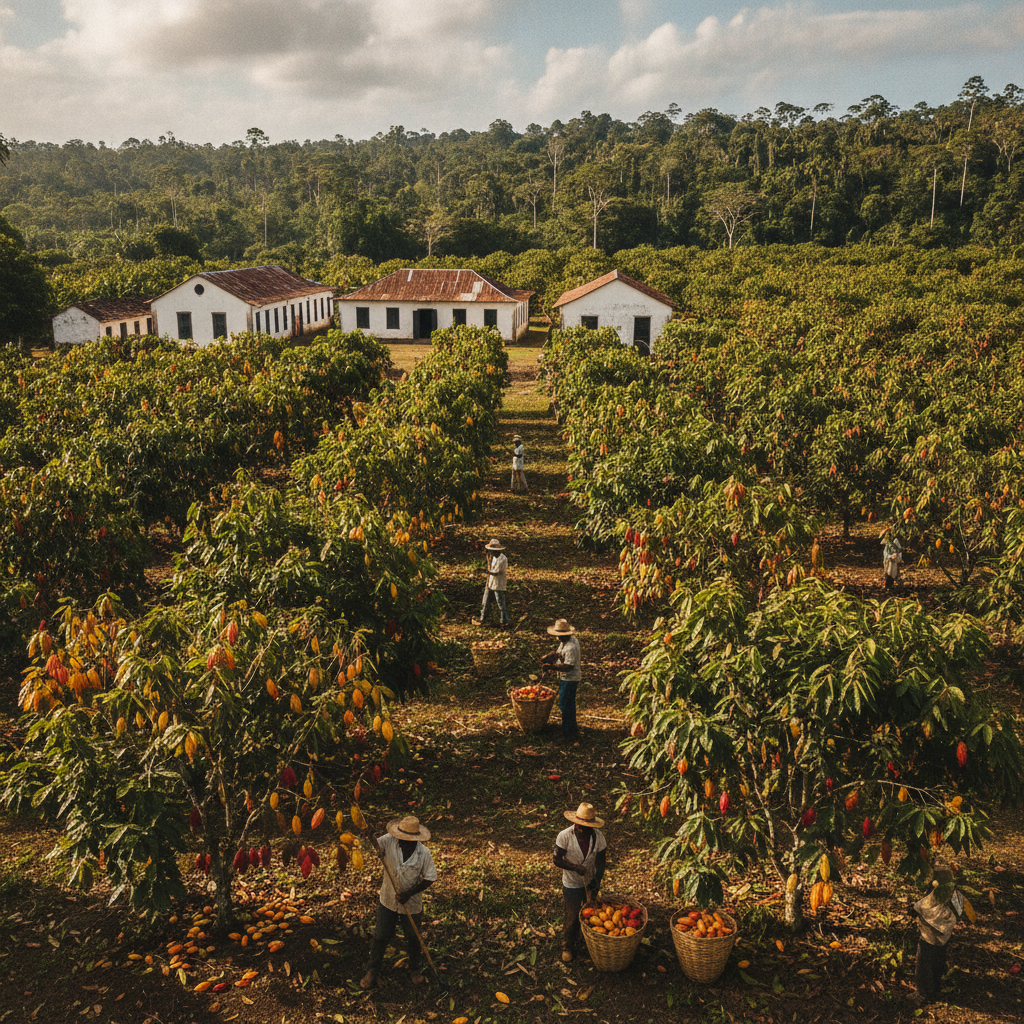
Cacao Pod Harvest
The bright yellow and burgundy cacao pockets are harvested by hand twice a year — visitors join the harvest team who cut pods with machetes and scoop out the white pulp
- 3
Fermentation and drying
After harvest, the cocoa beans ferment for 6 days in wooden boxes and then dry on raised platforms in the sun — the critical processes that develop the exceptional flavor of São Tomé chocolate
- 4
Slave Labor History of the Roças
The plantation system was built on enslaved African labor and then continued with indentured laborers from Angola and Mozambique – the historical weight present at every roça
- 5
Chocolate Factory Tour
The Claudio Corallo factory in São Tomé produces chocolate that receives the highest ratings in the world — a tour shows the processing of a single origin from bean to bar with tastings of different cocoa percentages
- 6
Roça Agostinho Neto Ruins
One of São Tomé's most atmospheric abandoned roças — the colonial plantation hospital, chapel and workers' quarters slowly returning to the tropical forest
Walk this route with audio
Stories play automatically as you reach each stop — no tapping needed.
More in São Tomé
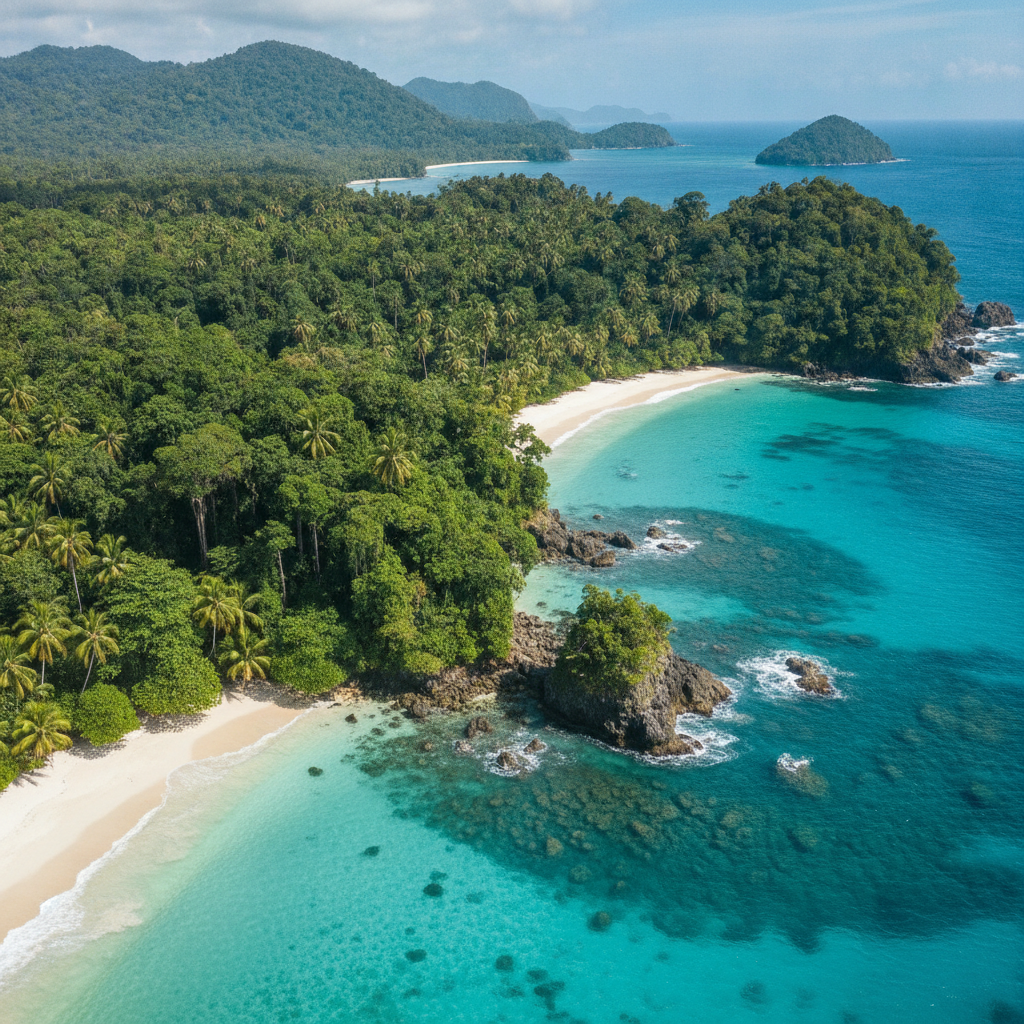
Príncipe Island: UNESCO Biosphere Reserve & Pristine Wilderness
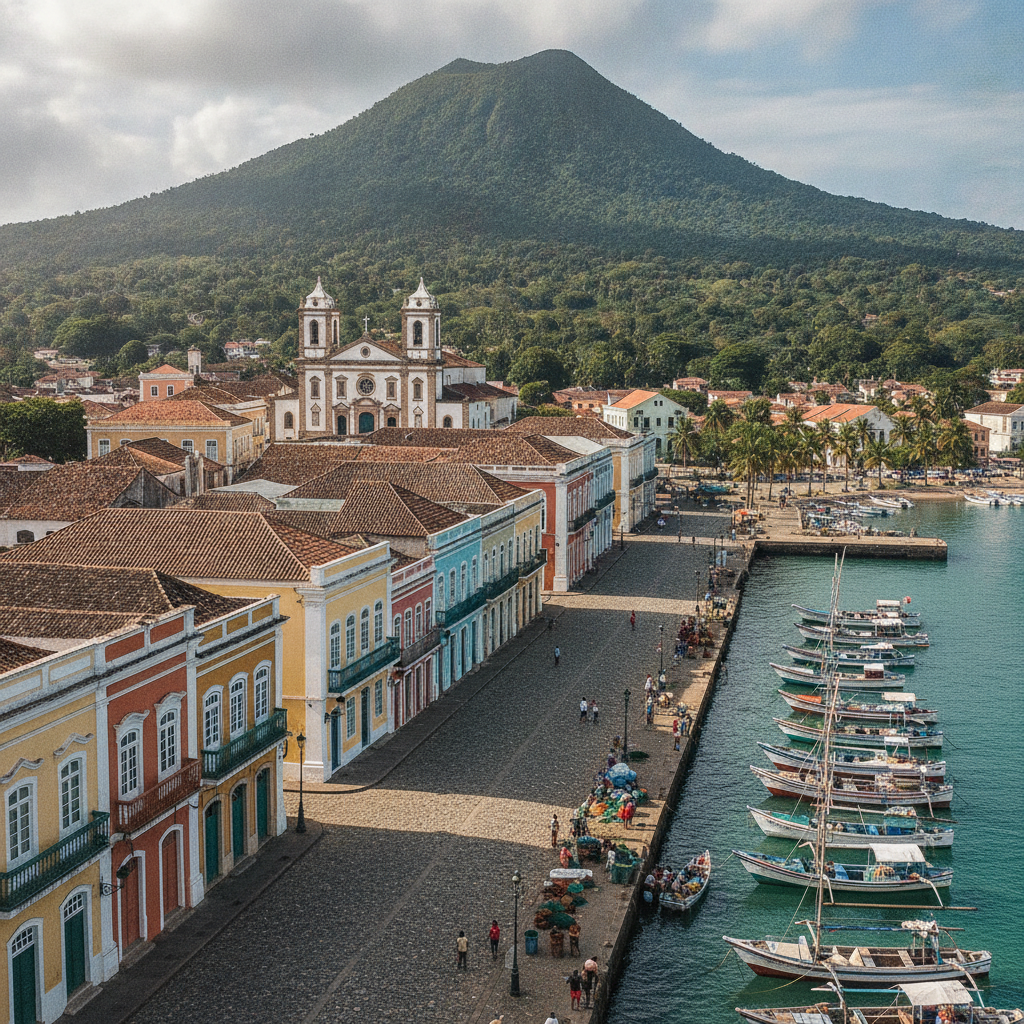
São Tomé Town: Portuguese Colonial Heritage on the Equator

Crossing the Equator: Zero Latitude on a Tropical Island
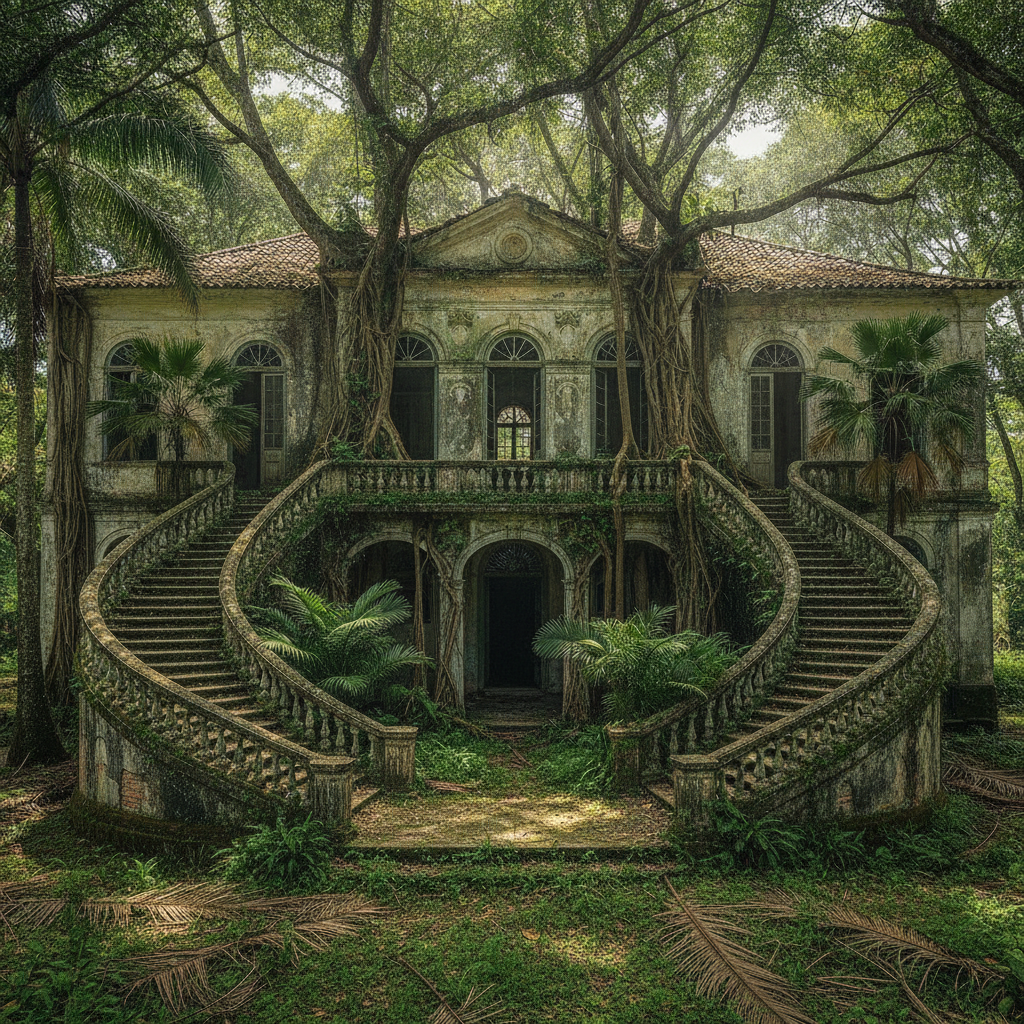
São Tomé's Roças: Plantation Heritage & Colonial Ghosts
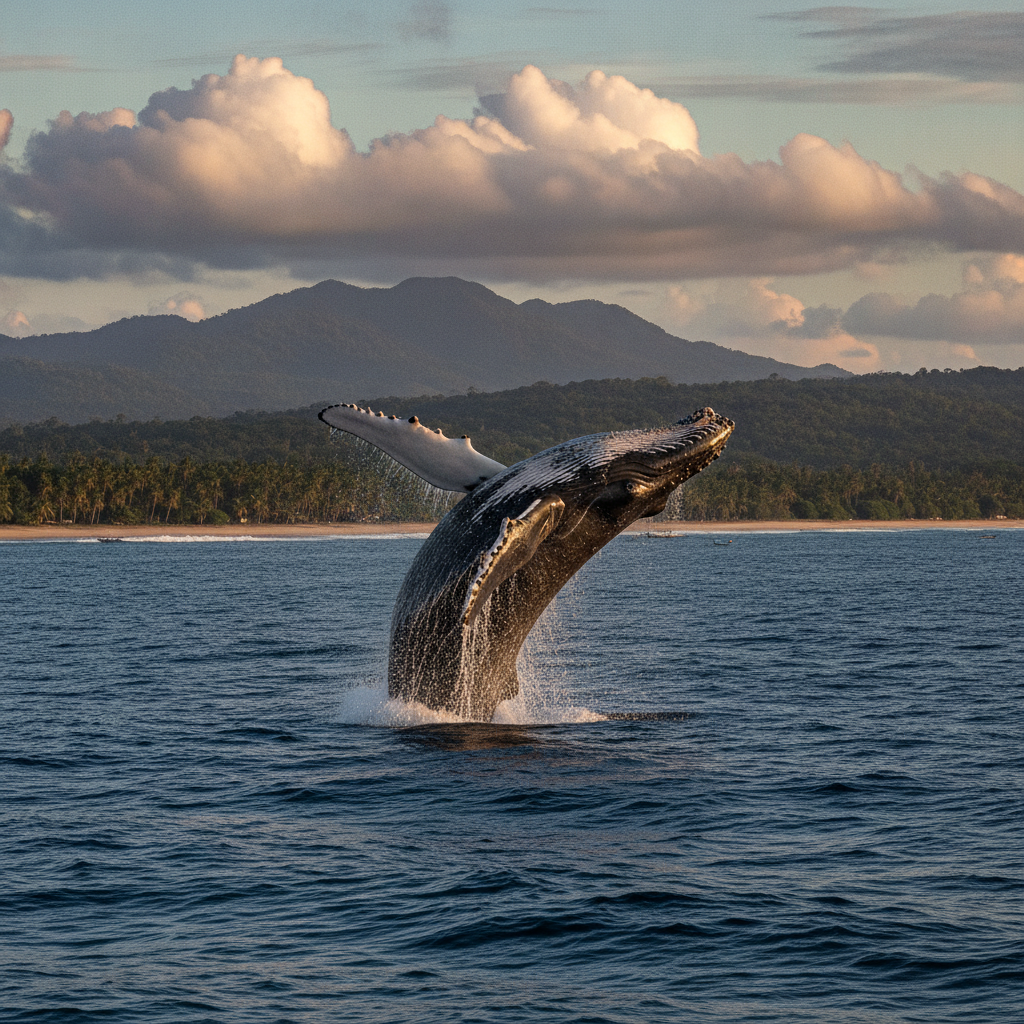
São Tomé Whale Watching & Gulf of Guinea Marine Life