Centro Histórico, Praça da Sé & the Founding of São Paulo
São Paulo's Centro Histórico (the historic centre of São Paulo — the neighbourhood of the founding of the city in 1554 by the Jesuit priests José de Anchieta and Manuel da Nóbrega on the high ground of the Piratininga Plateau above the confluence of the Tamanduateí and Anhangabaú Rivers) and the Praça da Sé (the Cathedral Square — the geographic and symbolic heart of the largest city in the Southern Hemisphere) are the origin point of the entire urban civilization of Brazil's industrial heartland.
- 1
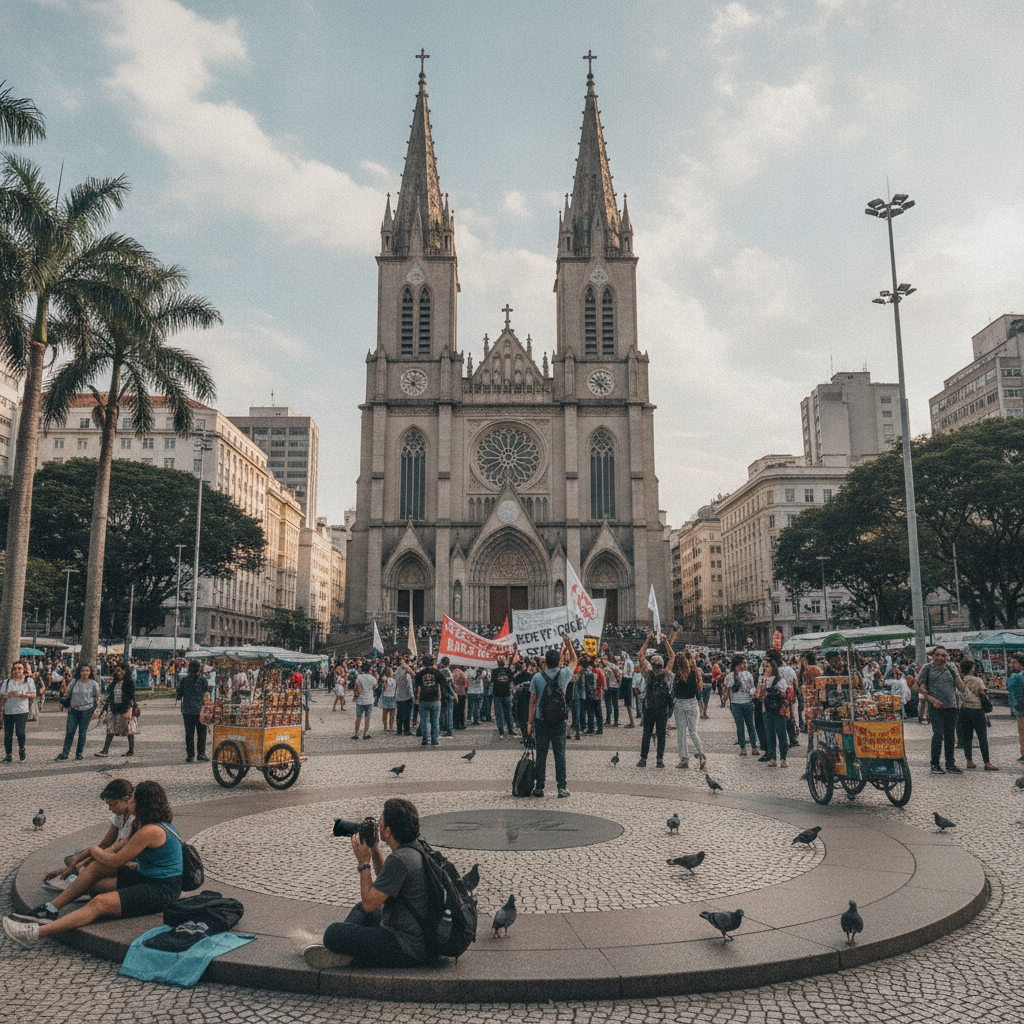
Praça da Sé & Catedral Metropolitana
The Praça da Sé (Cathedral Square — the large public plaza in the Centro Histórico of São Paulo that is the civic heart of the city and the site of the Marco Zero (the 'Zero Point' — the granite marker in the centre of the plaza that marks the geographic centre of São Paulo, from which all official distances in the city are measured)): the Catedral da Sé (the Metropolitan Cathedral of São Paulo — the Neo-Gothic cathedral that dominates the Praça da Sé, the cathedral completed in 1954 after 40 years of construction (begun 1913), built on the site of successive earlier churches dating to the founding of the city in 1554): the cathedral dimensions (the cathedral is 111 metres (364 feet) long, 46 metres (151 feet) wide, 30 metres (98 feet) tall at the nave, and 92 metres (302 feet) tall at the twin bell towers — the largest Neo-Gothic cathedral in Brazil and one of the largest in the world): the crypt (the crypt beneath the cathedral that contains the remains of the founders of São Paulo (the Jesuit priest José de Anchieta (1534-1597) — the Spanish-born Jesuit who founded the city of São Paulo in 1554 and who is venerated as a saint (beatified by Pope John Paul II in 1980, canonized by Pope Francis in 2014)) and the bones of Tibiriçá (the Tupiniquim chief who allied with the Jesuits in the founding of São Paulo, the chief whose alliance with Anchieta made the founding of the city possible)).
- 2
Pateo do Collegio & the 1554 Founding
The Pateo do Collegio (Praça Pateo do Collegio 2, in the Alto do Chá neighbourhood of the Centro Histórico — the site of the founding of the city of São Paulo on January 25, 1554 (the Feast of the Conversion of Saint Paul — the date from which São Paulo takes its name)): the founding (the founding of the city by the Jesuit priests Manuel da Nóbrega (1517-1570) and José de Anchieta (1534-1597) — the Jesuits who established the Colégio de São Paulo de Piratininga (the 'College of Saint Paul of Piratininga') on the high ground above the confluence of the Tamanduateí and Anhangabaú Rivers, the college that became the nucleus of the city that would grow into the largest city in the Southern Hemisphere): the Pateo do Collegio today (the reconstruction (1979) of the original Jesuit church and college buildings in the colonial style, built on the site of the original 1554 structures (the original buildings were demolished in the 18th-19th centuries and replaced by the Government Palace), the reconstruction that now serves as a museum of the founding of São Paulo, a Jesuit church in active use, and the primary historic site in the Centro Histórico): the view (the view from the Pateo do Collegio — the view east toward the Viaduto do Chá (the 'Tea Viaduct' — the elevated viaduct crossing the Anhangabaú Valley) and the Theatro Municipal (the Municipal Theatre of São Paulo) visible across the valley).
- 3
Theatro Municipal & São Paulo's Belle Époque
The Theatro Municipal de São Paulo (Praça Ramos de Azevedo s/n, in the Centro Histórico — the Municipal Theatre of São Paulo, the most important performing arts venue in Brazil and the most important building of the Brazilian Belle Époque): the theatre building (the building designed by Ramos de Azevedo (1851-1928) and completed 1911, in the French Beaux-Arts style (the style of the Paris Opéra and the Opera Garnier, the architectural model for all South American opera houses of the Belle Époque): the theatre exterior (the marble and granite facade, the bronze doors, the terracotta detailing, and the gilded dome): the theatre interior (the 1,500-seat auditorium with the gold-leaf decoration, the painted ceiling, the chandeliers, and the stage that has hosted the greatest opera companies, orchestras, and ballet companies of the 20th century — the stage on which the 'Semana de Arte Moderna de 1922' (the 'Week of Modern Art of 1922' — the revolutionary arts festival held February 11-18, 1922 at the Theatro Municipal that is the founding event of Brazilian Modernism, the event at which the poets (Oswald de Andrade, Mário de Andrade), visual artists (Anita Malfatti, Di Cavalcanti), and composers (Heitor Villa-Lobos) of the Brazilian modernist movement first presented their work to a public audience)).
- 4
Anhangabaú Valley & Viaduto do Chá
The Vale do Anhangabaú (the 'Valley of the Anhangabaú' — the former river valley in the centre of the historic core of São Paulo that was converted in 1892 into a park (the Parque do Anhangabaú) when the Anhangabaú River was channeled underground): the Anhangabaú Valley history (the valley that divided the colonial city of São Paulo (the Pátio do Colégio on the eastern hill) from the 19th century expansion of the city (the Rua Augusta and the Consolação neighbourhood on the western hill): the Viaduto do Chá (the 'Tea Viaduct' — the iron viaduct spanning the Anhangabaú Valley since 1892 (the current viaduct is a reconstruction of 1938), named for the tea plantations (the 'chá' — 'tea' in Portuguese) that once covered the western hill of the valley): the current Anhangabaú (the underground expressway beneath the valley and the pedestrian promenade above, the promenade that connects the Praça da Sé and the Pátio do Colégio on the east with the Theatro Municipal and the Praça da República on the west — the central promenade of the historic core of São Paulo): the São Paulo urban art (the pixação — the distinctive black-paint calligraphic tagging that covers the facades of the buildings throughout the Centro Histórico, the urban art form that is unique to São Paulo and that is the most controversial and most distinctive element of the visual identity of the city).
- 5
Cracolândia & Urban Renewal in the Centro
The Cracolândia (the 'Crackland' — the informal name for the area of the Centro Histórico of São Paulo bounded roughly by the Rua Helvétia, the Avenida Rio Branco, and the Avenida São João — the area that has been the epicentre of the open-air crack cocaine drug market in São Paulo since the early 1990s): the Cracolândia social context (the area that is the most visible manifestation of the poverty, homelessness, and addiction crisis that exists alongside the extraordinary wealth and dynamism of São Paulo — the area where thousands of people live in the streets, many of them addicted to crack cocaine, in the shadow of the most expensive real estate market in Brazil): the urban renewal context (the ongoing tension in the Centro Histórico between the forces of urban renewal (the real estate developers who want to gentrify the area and displace its current residents) and the social justice advocates who argue that the area's residents deserve services and housing rather than displacement): the broader Centro revival (the positive revival of the Centro Histórico that has been underway since the early 2010s, with the renovation of the Pinacoteca do Estado, the Estação da Luz, and the Parque da Luz, and the emergence of new galleries, restaurants, and cultural spaces in the historic buildings of the area).
- 6
Estação da Luz & the São Paulo Train Network
The Estação da Luz (the 'Station of Light' — the Praça da Luz, in the Luz neighbourhood of the Centro Histórico of São Paulo — the historic railway terminal that is the most important Victorian-era building in Brazil): the Estação da Luz history (the station opened 1901, built for the São Paulo Railway (the British-owned railway that connected the port of Santos on the coast with the coffee-growing interior of São Paulo state — the railway built on the 'Serra do Mar' (the escarpment of the Coastal Mountain range that separates the coast from the interior of São Paulo state) that was the most important piece of infrastructure in the economic development of Brazil in the late 19th and early 20th century)): the station building (the Neo-Gothic building designed by British engineers (the building materials — the ironwork, the Delft tiles, the glazed red brick — imported from Britain)): the Museu da Língua Portuguesa (the Museum of the Portuguese Language — the cultural museum housed in the Estação da Luz building (the museum that was destroyed by a fire in December 2015 and reopened after a complete restoration in 2021), the museum dedicated to the history and cultural diversity of the Portuguese language as spoken in Brazil): the São Paulo Metro Line 4 (the Yellow Line — the metro line that terminates at the Estação da Luz and connects the historic centre to the Faria Lima and Vila Sônia neighbourhoods in the southwestern zone of the city).
Walk this route with audio
Stories play automatically as you reach each stop — no tapping needed.
More in sao-paulo
Pinheiros, Vila Madalena & São Paulo's Legendary Nightlife
Avenida Paulista, MASP & São Paulo's Cultural Heart
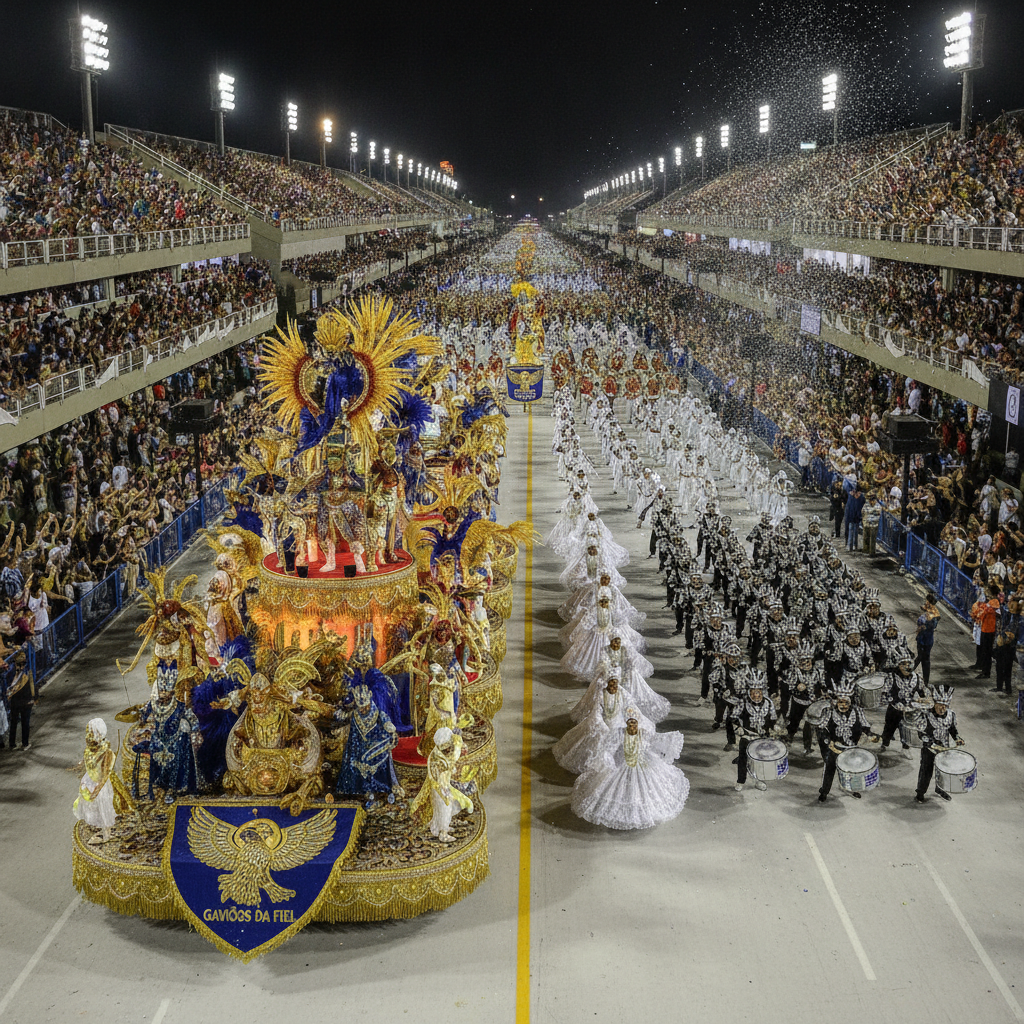
Samba, Carnaval & São Paulo's African-Brazilian Cultural Heritage
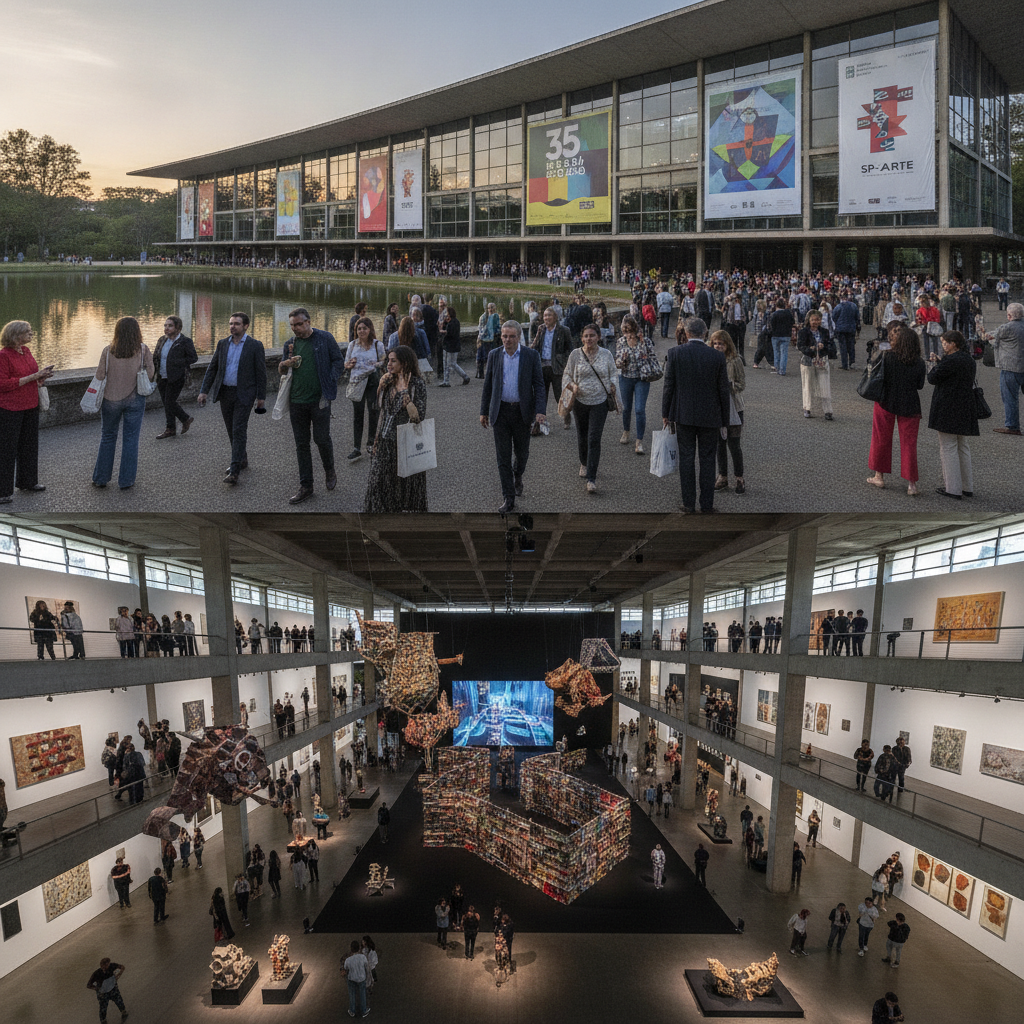
SP-Arte, Museums & São Paulo's World-Class Cultural Scene
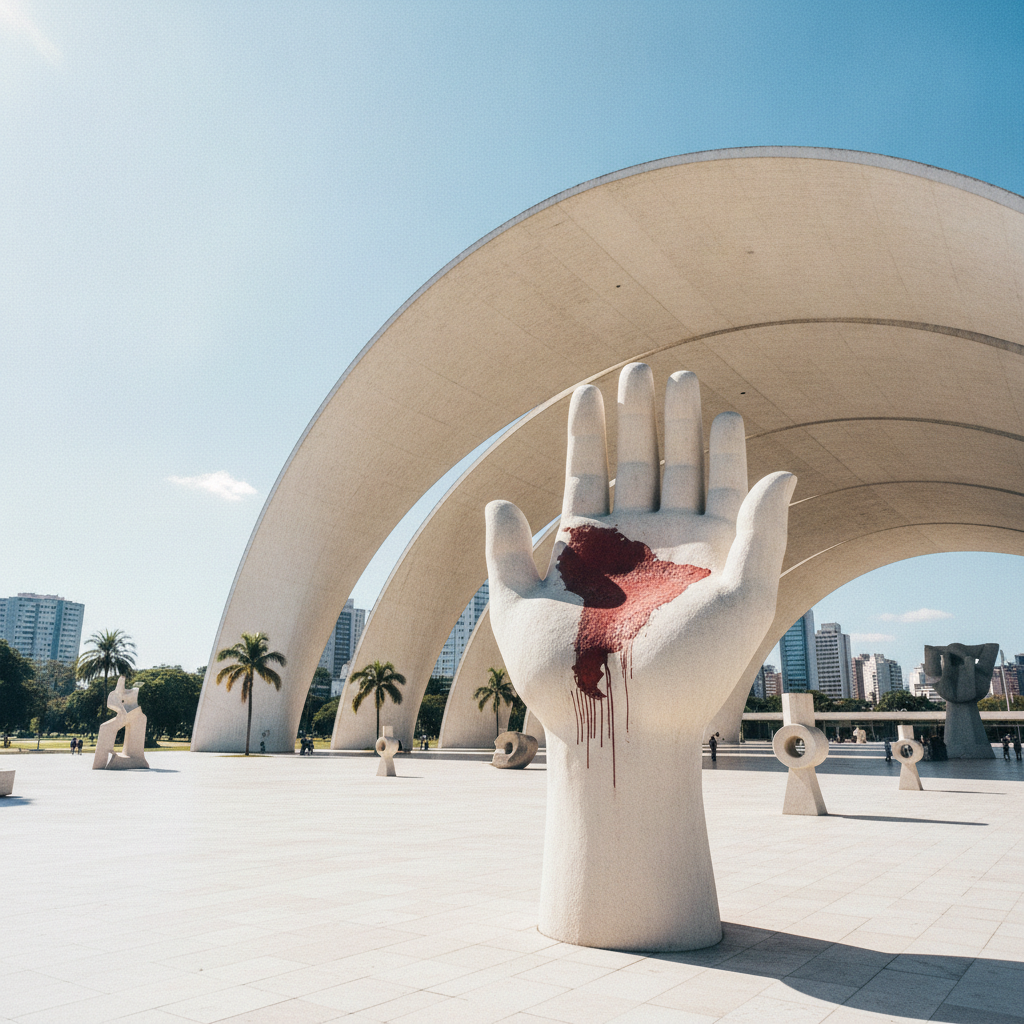
São Paulo's Architecture — Modernism, Niemeyer & the Concrete Jungle